
Table of Contents
- The Historic Trade Winds Route: Stone Town to Fort Jesus
- The Underwater Safari: Scuba Diving the Pemba Channel
- The Bush-Beach Hybrid: Cruise Arrival to Tsavo National Park
- The Eco-Explorer Itinerary: Wasini Island and Shimba Hills
- The Luxury Yacht Experience: Private Charters along the Swahili Coast
- Dropping Anchor: The Swahili Coast Awaits
- Navigating the Swahili Coast: Common Questions
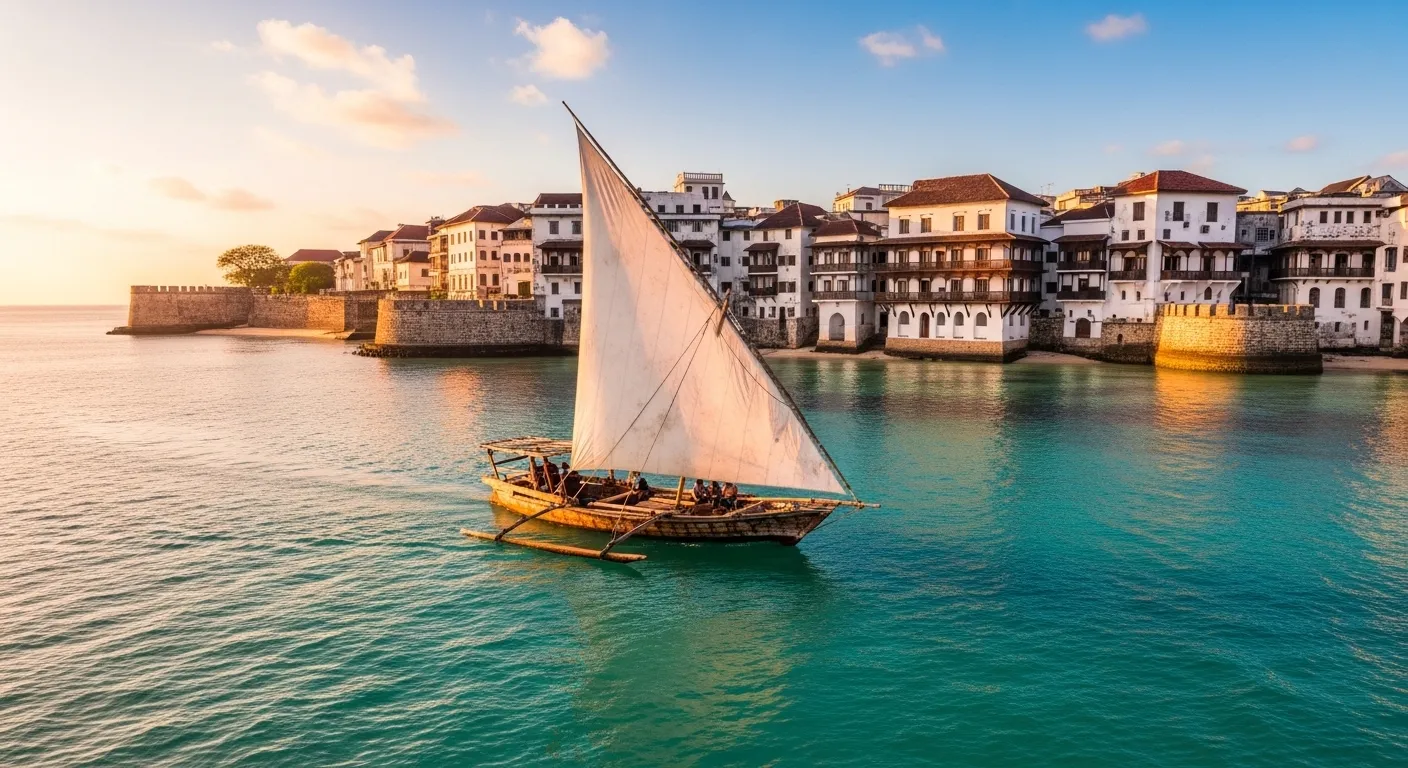
Embark on an extraordinary voyage from the spice-scented shores of Zanzibar to the bustling port of Mombasa, tracing the ancient Trade Winds Route.
This isn’t just a cruise; it’s an immersive expedition.
It is a chance to awaken your senses to the vibrant hues of the Indian Ocean, the rhythmic sounds of dhows, and the untold stories whispered by historic currents.
Prepare to uncover the soul of East Africa, where every sunrise brings new wonders.
The Swahili Coast Briefing
- Sail the historic Trade Winds Route, connecting the aromatic, winding alleys of Zanzibar with the imposing military history of Mombasa.
- Navigate Stone Town’s cultural maze with a certified guide for safety, and remember to cover shoulders and knees to respect local traditions.
- Enjoy a sensory reset on the open ocean, where cooling breezes and playful dolphins bridge the gap between the islands and the mainland.
- Step back in time at Fort Jesus, the 16th-century coral fortress that dominates Mombasa’s harbor with its rich, turbulent history.
The Historic Trade Winds Route: Stone Town to Fort Jesus
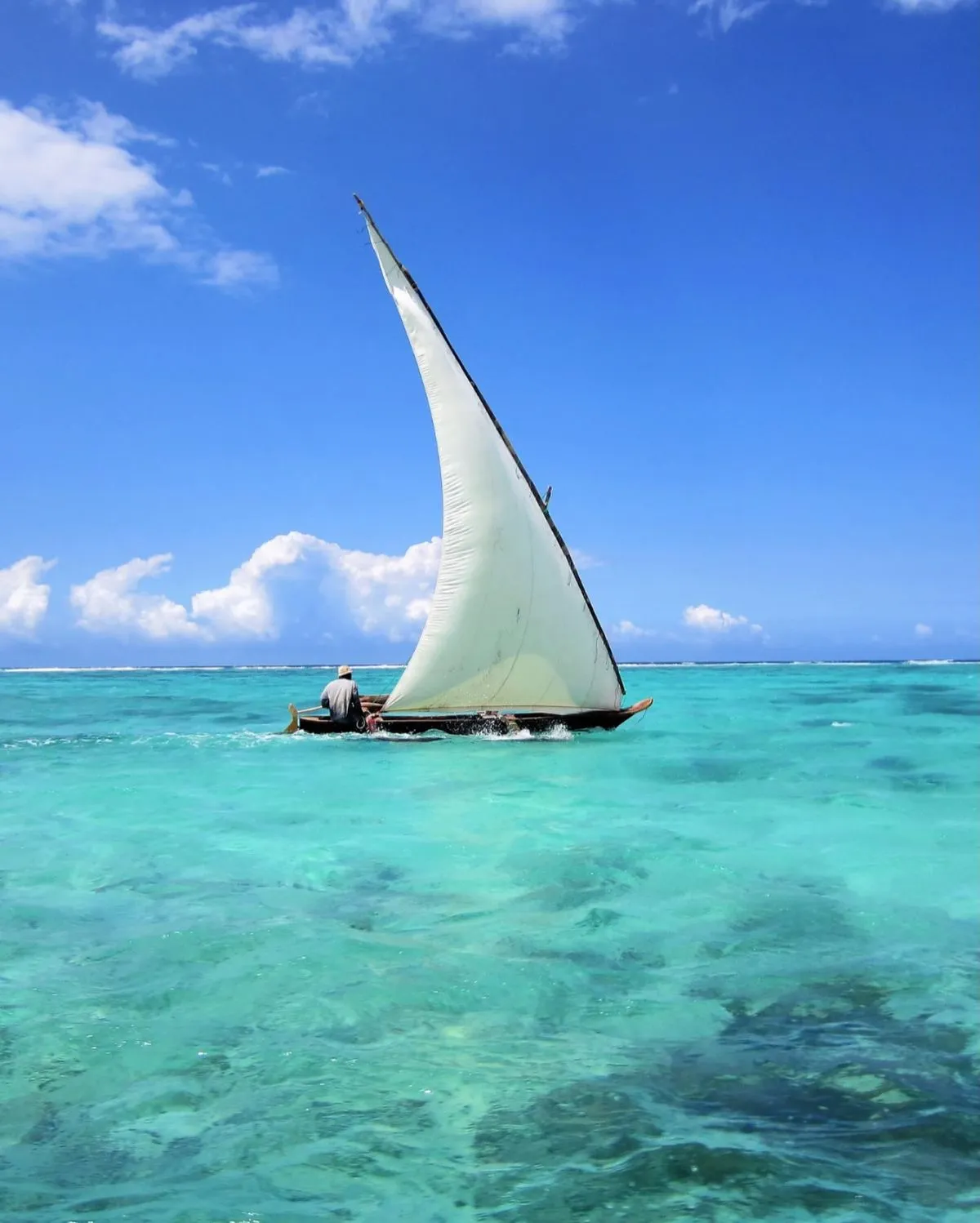
Sailing the Swahili Coast is a journey through time. You follow the path of ancient merchants who rode the monsoon winds. The ocean here is rich with history.
This route connects two UNESCO World Heritage sites. It links the romantic alleys of Zanzibar with the imposing military history of Mombasa. It is a study in contrasts.
The journey usually begins in the humidity of Stone Town. The air smells of nutmeg, cloves, and sea salt. It is a sensory overload in the best possible way.
If you want to capture these moments perfectly, check out how I took stunning travel photos. The lighting here is truly unique.
Route Highlights
- Follows the historic path of ancient merchants along the Swahili Coast
- Connects two UNESCO World Heritage sites: Stone Town and Fort Jesus
- Offers a sensory mix of aromatic spices, romantic alleys, and military history
- Features unique lighting conditions perfect for travel photography
Stone Town: A Maze of Culture
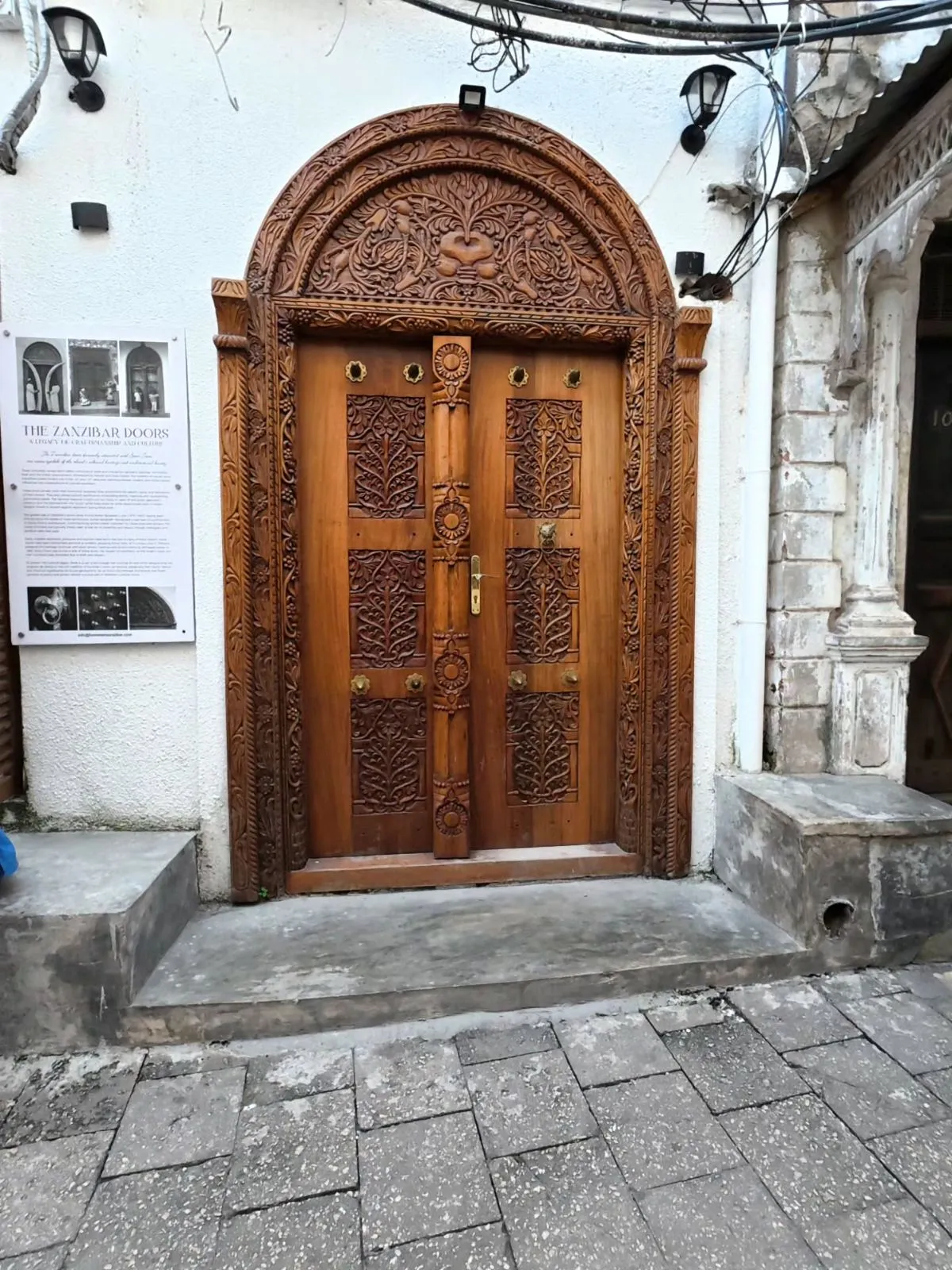
Stone Town feels like a living museum. The architecture is a fusion of Arab, Persian, Indian, and European elements. Every building tells a story of the trade winds.
You will spend hours getting lost in narrow alleys. The streets are too small for cars. You dodge bicycles and scooters while admiring the famous carved doors.
The Swahili Coast isn’t just a destination; it is a story written in coral stone and ocean tides.
Safety is key in these labyrinthine streets. Dress modestly out of respect for the local Islamic culture. Shoulders and knees should always remain covered.
Keep your valuables close to your body. The markets are crowded and chaotic. It is wise to hire a certified local guide to navigate the maze efficiently.
Stone Town Essentials
- Explore a living museum featuring a fusion of architectural styles and famous carved doors.
- Respect the local Islamic culture by dressing modestly, keeping shoulders and knees covered.
- Hire a certified local guide to navigate the maze-like streets and keep valuables close in crowded areas.
🏛️ Stone Town
Free to explore / Guided tours vary
UNESCO World Heritage Site: A living museum and cultural maze reflecting a fusion of Arab, Persian, Indian, and European influences.
- Architecture fusing four distinct cultures
- Famous carved wooden doors
- House of Wonders (Top Landmark)
The Ocean Passage
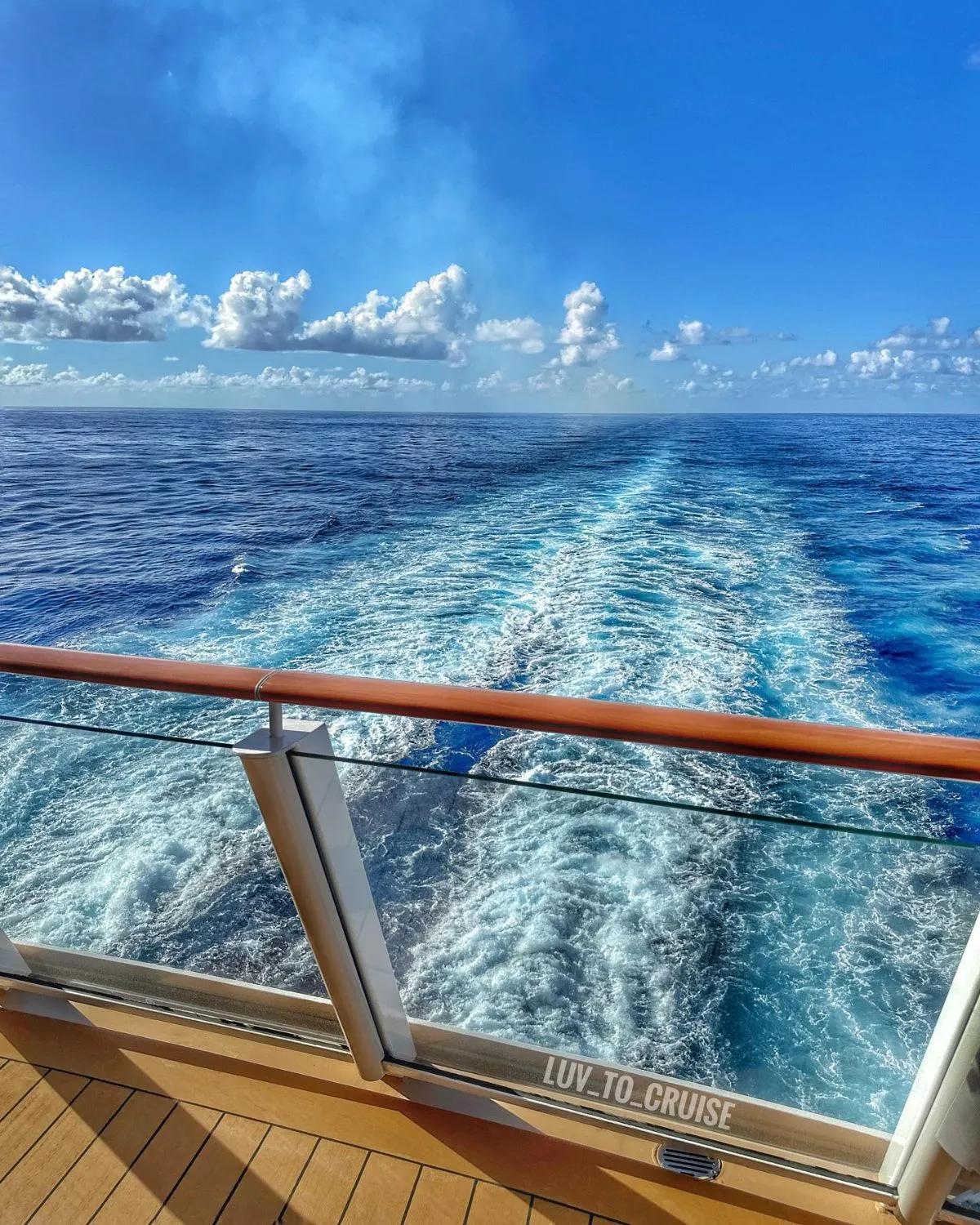
The cruise north to Mombasa is scenic and peaceful. You sail parallel to the coastline. Keep your eyes peeled for dolphins playing in the ship’s wake.
This leg of the trip offers a break from the heat. The ocean breeze is cooling and fresh. It is the perfect time to relax before the bustle of Kenya.
The Stone Town of Zanzibar is an outstanding material manifestation of cultural fusion and harmonization.
UNESCO World Heritage Centre, Stone Town of Zanzibar Description
Cruising the East African Coast
- Enjoy a peaceful and scenic journey as the ship sails north to Mombasa parallel to the coastline.
- Keep a sharp lookout for wildlife, specifically dolphins playing in the ship’s wake.
- Take advantage of the cooling ocean breeze as a refreshing break from the tropical heat.
- Use this time to relax and recharge before arriving in the bustling environment of Kenya.
Daytime
Scenic sailing parallel to the coastline.
The ocean breeze offers a break from the heat.
Observation
Watching for dolphins playing in the ship’s wake.
Keep eyes peeled on the water.
Fort Jesus: The Watchman of Mombasa
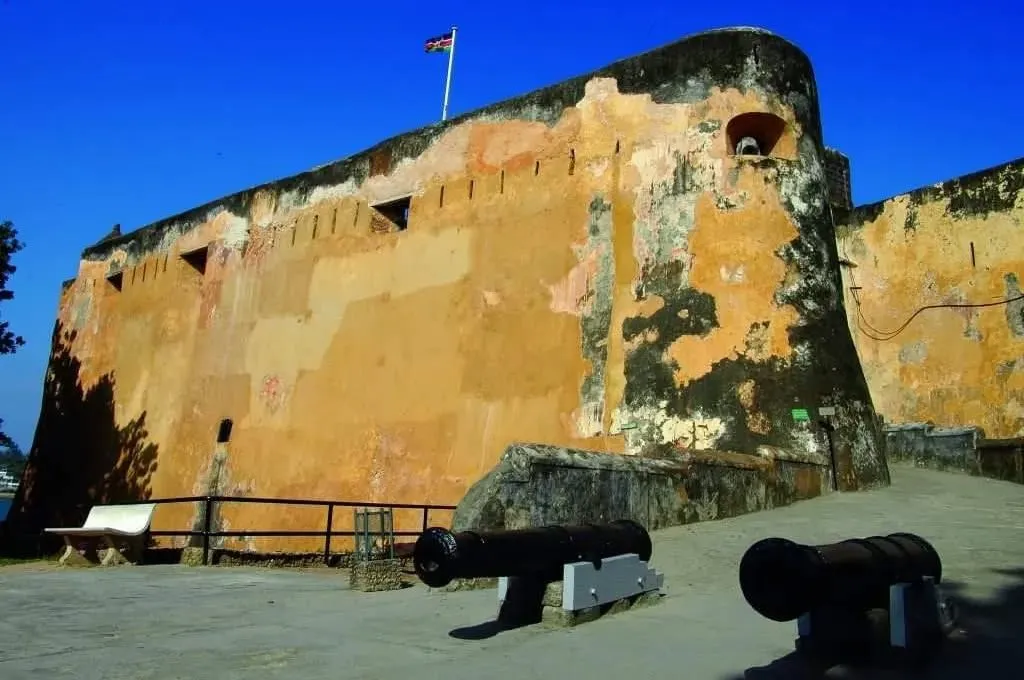
Arriving in Mombasa brings a shift in energy. The city is louder and grittier than the islands. It is a major port city with a vibrant, busy atmosphere.
Fort Jesus dominates the harbor entrance. Built by the Portuguese in the 16th century, it has changed hands nine times. The walls are thick with coral stone.
Inside, you find Omani houses and British cannons. The fort protected the trade route for centuries. The views over the ocean from the ramparts are commanding.
To afford unique excursions like private fort tours, see how I built a travel budget that works. Planning ahead saves money.
| Feature | Stone Town (Zanzibar) | Mombasa (Kenya) |
|---|---|---|
| Atmosphere | Romantic, slower pace | Bustling, urban energy |
| Top Landmark | House of Wonders | Fort Jesus |
| Walkability | ✅ High (Pedestrian only) | ❌ Low (Traffic heavy) |
| History Type | Spice Trade & Culture | Military & Naval Defense |
Mombasa requires more vigilance than Zanzibar. Avoid walking alone at night. Stick to official tourist zones and use reputable taxis or arranged transfers.
Mombasa & Fort Jesus Snapshot
- Built by the Portuguese in the 16th century, Fort Jesus is a strategic military stronghold made of coral stone that has changed hands nine times.
- Mombasa provides a bustling, gritty contrast to the islands, characterized by high urban energy and heavy traffic rather than pedestrian walkability.
- The fort’s interior showcases a rich historical layer cake, featuring Omani houses and British cannons overlooking the harbor.
- Travelers should exercise increased vigilance in Mombasa, sticking to official zones and using arranged transport instead of walking alone at night.
🏛️ Fort Jesus
Entry fee required
16th-Century Portuguese Fort: A massive coral stone fortress that has guarded the port of Mombasa for centuries.
- 16th-century Portuguese military architecture
- Contains Omani houses and British cannons
- Commanding views over the harbor
The Underwater Safari: Scuba Diving the Pemba Channel
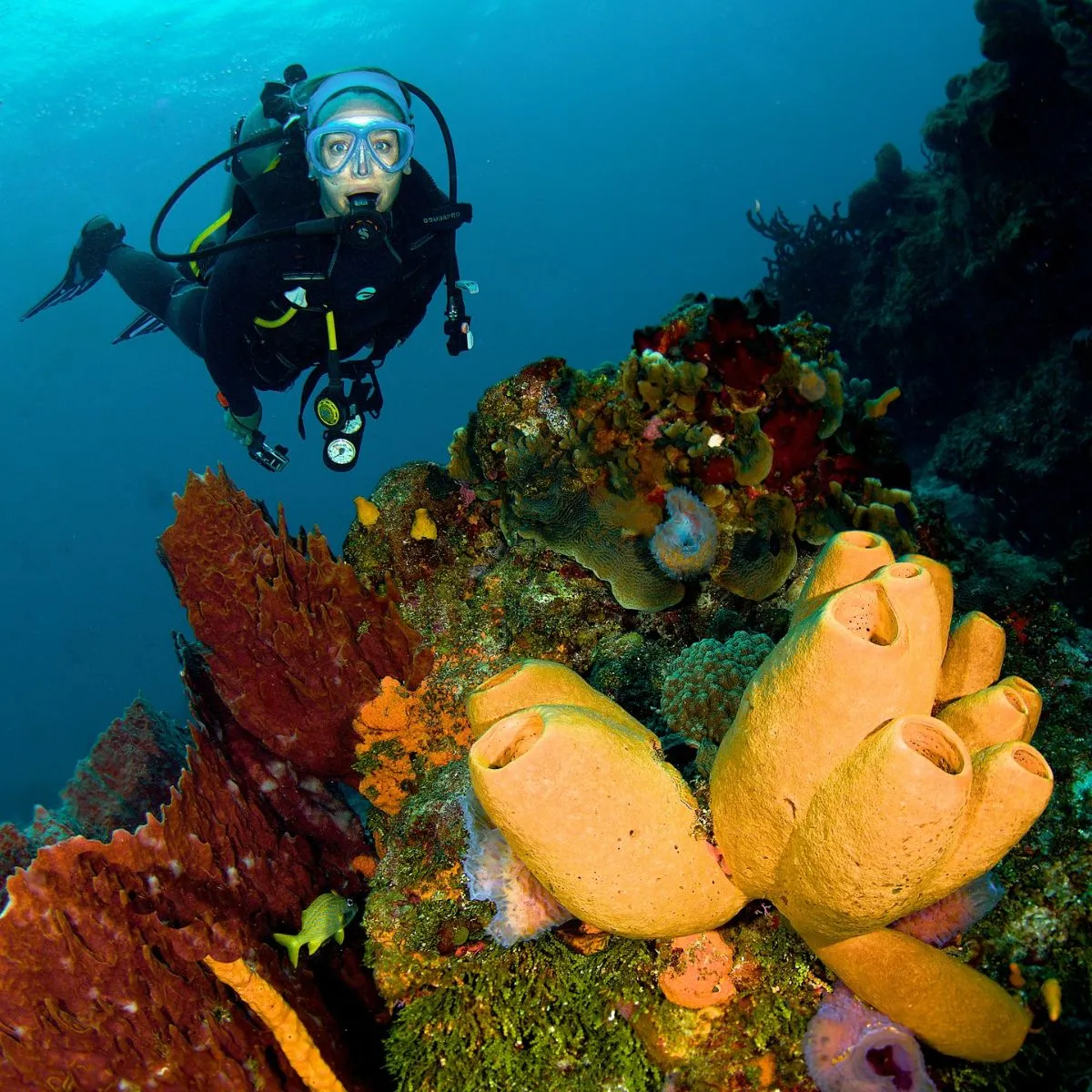
While the Serengeti boasts the Big Five, the Pemba Channel hides giants of a different kind. This deep trench separates Pemba Island from the mainland.
It is widely considered one of the most exhilarating dive locations in East Africa. The water here is not just blue; it is a deep, hypnotic indigo.
The true explorer knows that the savannah doesn’t end at the shore; it just changes color.
🌲 Pemba Channel
Tour prices vary
Deep Sea Dive Site: A deep indigo trench separating Pemba Island from the mainland, famous for adrenaline-fueled drift diving.
- Exhilarating drift diving in strong currents
- Massive gorgonian sea fans
- Sightings of Hammerhead Sharks and Manta Rays
Morning
Drift diving in the Pemba Channel.
Surrender to the flow of the current.
Dive Duration
Viewing gorgonian sea fans and searching for Hammerheads.
Best for Advanced Open Water divers.
The Drift Experience
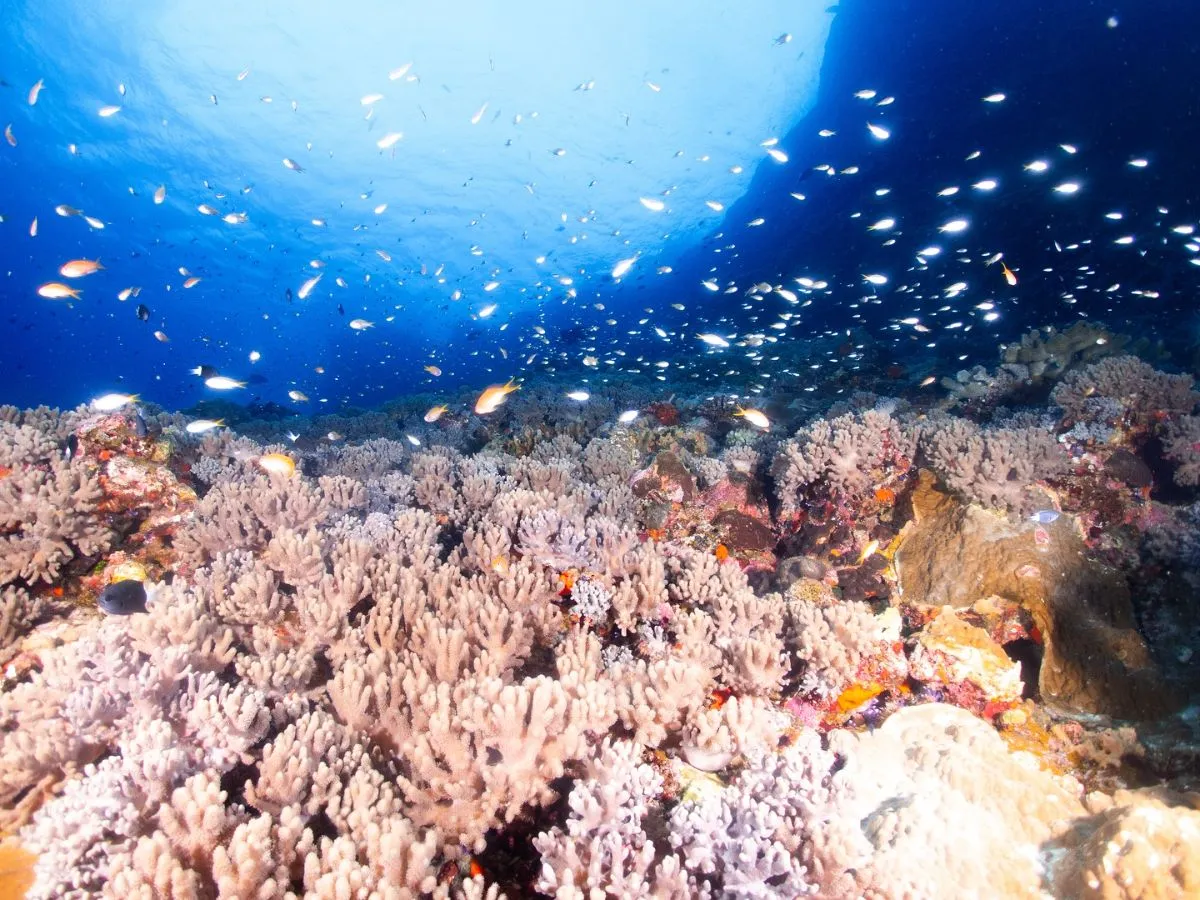
Diving here is synonymous with drift diving. The currents sweep through the channel, acting like an underwater conveyor belt for divers.
You do not swim against it. You surrender to the flow. It feels like flying over a submerged mountain range. The sensation is pure adrenaline.
Visually, the walls are covered in massive gorgonian sea fans. They sway in the current like trees in a storm. The visibility often exceeds 30 meters.
Pemba is the clove island… The diving here is characterized by steep drop-offs and untouched coral. It is pristine and far from the crowds.
PADI Editorial Team, Diving in Tanzania
Marine Life Encounters
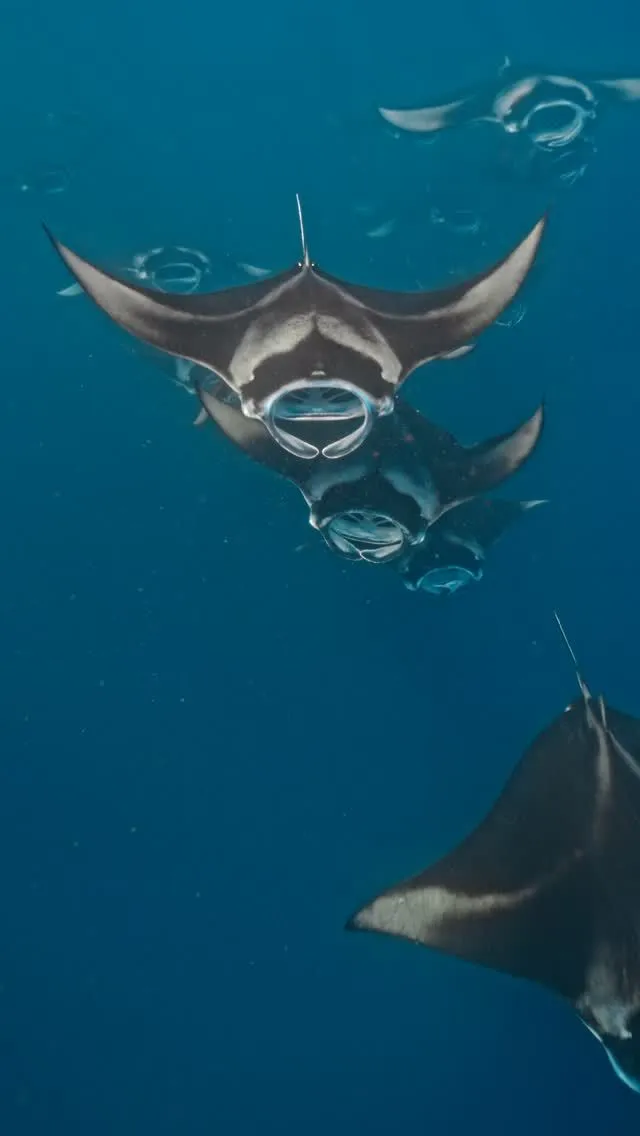
The nutrient-rich waters attract pelagic species. If you enjoyed my action-packed 3-day adventure on Hawaii’s Big Island, you will love the marine biodiversity here.
While luck plays a role in any safari, the Pemba Channel is famous for specific sightings. Here is what you should look for in the deep blue:
- Hammerhead Sharks: These elusive predators often patrol the deeper drop-offs in the early morning.
- Manta Rays: Look for these gentle giants gliding near cleaning stations along the reef walls.
- Napoleon Wrasse: These massive, colorful fish are curious and often approach divers closely.
- Green Turtles: Frequently spotted resting on ledges or feeding on the coral gardens.
- Barracuda: Large shoals often form swirling tornados of silver that shimmer in the light.
Safety and Dive Logistics
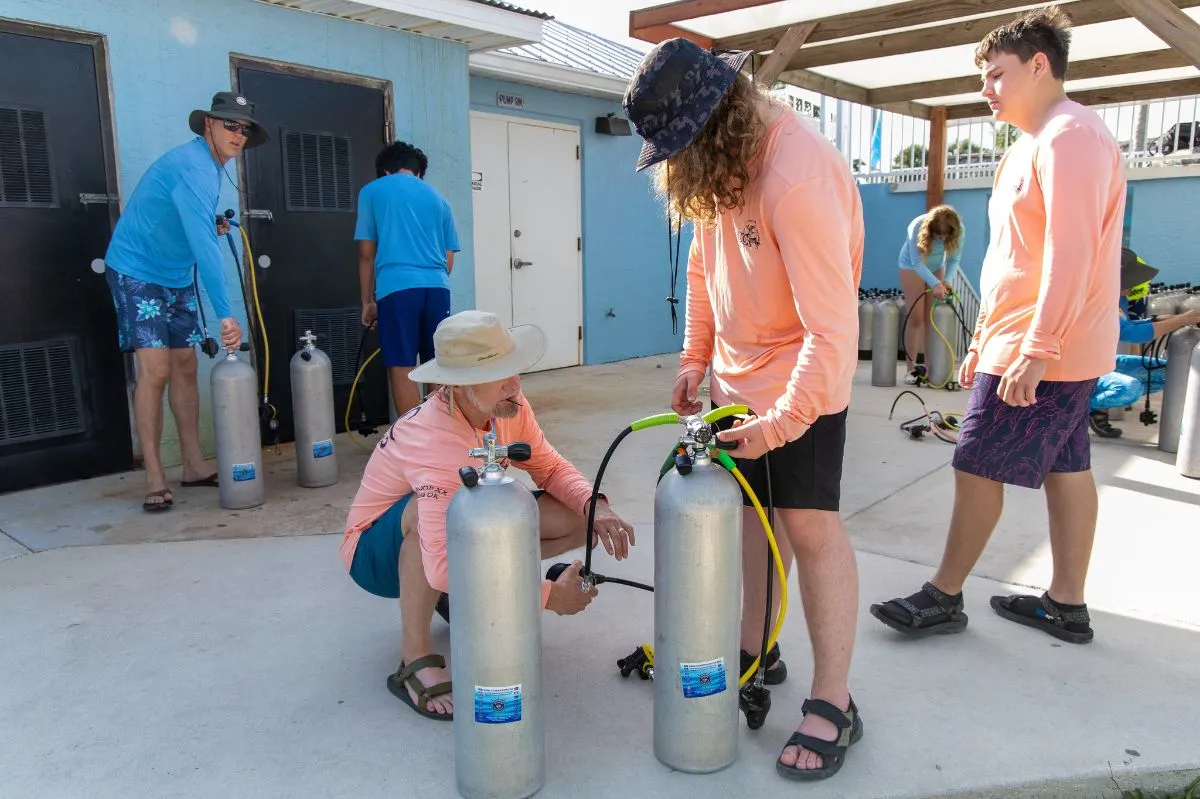
This is wild ocean diving. The currents can be unpredictable and strong. It is generally recommended for Advanced Open Water divers or higher.
Always carry a surface marker buoy (SMB). If you get separated from the group, this inflatable tube ensures the boat captain can spot you in the waves.
Scuba diving can be pricey. I recommend reading how I built a travel budget that actually works for me to manage these extra costs.
Verify your dive operator’s credentials. Ensure they have oxygen on board and functional radios. Safety standards in remote areas must be your priority.
Safari Beneath the Waves
- Experience the adrenaline of drift diving in the Pemba Channel, where strong currents simulate the sensation of flying underwater.
- Explore deep trenches and steep walls decorated with massive gorgonian sea fans in water with visibility often exceeding 30 meters.
- Encounter diverse pelagic marine life, including elusive hammerhead sharks, gentle manta rays, and large shoals of barracuda.
- Enjoy a pristine diving environment characterized by untouched coral and a lack of crowds compared to other tourist hotspots.
The Bush-Beach Hybrid: Cruise Arrival to Tsavo National Park
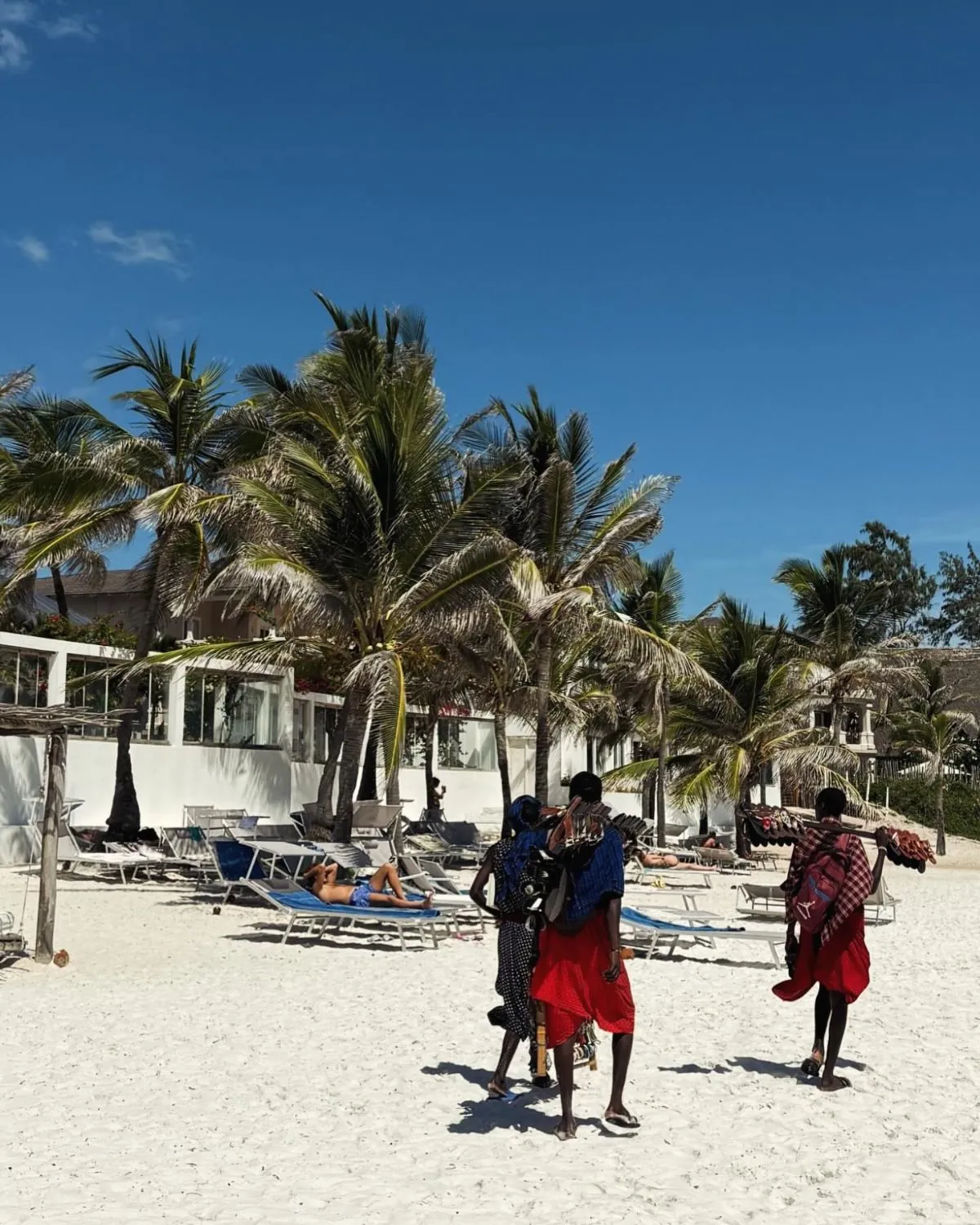
Stepping off the cruise ship at Kilindini Harbour changes everything. The humid, salty air of the Indian Ocean begins to fade immediately.
It is quickly replaced by the dry, metallic scent of red earth. This is the signature aroma of the Tsavo region.
This transition defines the bush-beach hybrid experience. You are not just observing Africa from a deck chair anymore.
You are entering a landscape that feels prehistoric and vast. The contrast between the blue horizon and the red dust is startling.
Trading the ocean breeze for the savannah heat is not just a detour; it is the heartbeat of the African coast.
The Sea-to-Safari Shift
- Arrival at Kilindini Harbour triggers an immediate sensory transition from the humid ocean breeze to the metallic scent of dry red earth.
- The experience evolves from passive observation on a ship deck to active immersion in a landscape that feels vast and prehistoric.
- A defining feature of this journey is the startling visual contrast between the fading blue horizon and the vibrant red dust of Tsavo.
- This transition represents the essence of the bush-beach hybrid, trading the relaxation of the coast for the raw heartbeat of the savannah.
🗽 Kilindini Harbour
Free (Port of entry)
Major Port: The busy arrival point in Mombasa where the humid ocean air is replaced by the scent of red earth.
- Gateway to Tsavo National Park
- Distinct transition from ocean to bush atmosphere
- Closest major port to wildlife reserves
The Logistics: Kilindini Harbour to the Wild
Most cruise itineraries offer day trips or overnight excursions to Tsavo. It is the closest major wildlife reserve to the port.
The journey itself is part of the adventure. You have two primary options for reaching the park gates.
The Mombasa-Nairobi Highway is the traditional route. It takes roughly 3 to 4 hours by road, passing through bustling local villages.
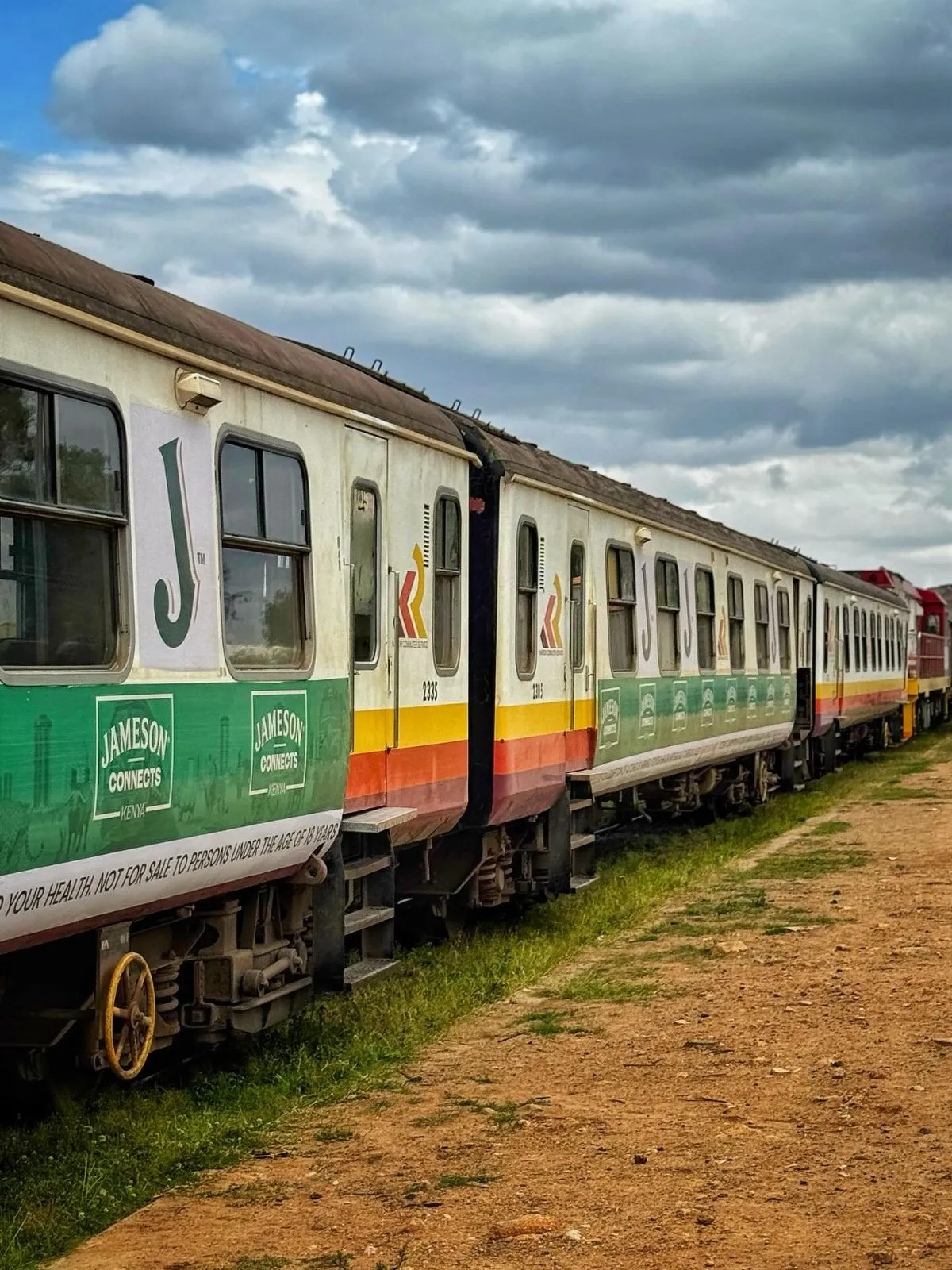
Alternatively, the Madaraka Express train offers a modern twist. It cuts through the park, offering elevated views of wildlife from the window.
If you are managing your own gear for an overnight stay, efficiency is key. Check this carry-on packing guide to keep your luggage light for the transfer.
Arrival
Disembark at Kilindini Harbour.
Experience the scent change from salt to red earth.
3-4 Hours
Transfer via Mombasa-Nairobi Highway.
Passes through bustling local villages.
Alternative
Ride the Madaraka Express train.
Offers elevated views of wildlife.
Comparing Your Safari Options
Tsavo is divided into two distinct parks: East and West. Your cruise itinerary will likely focus on just one due to time constraints.
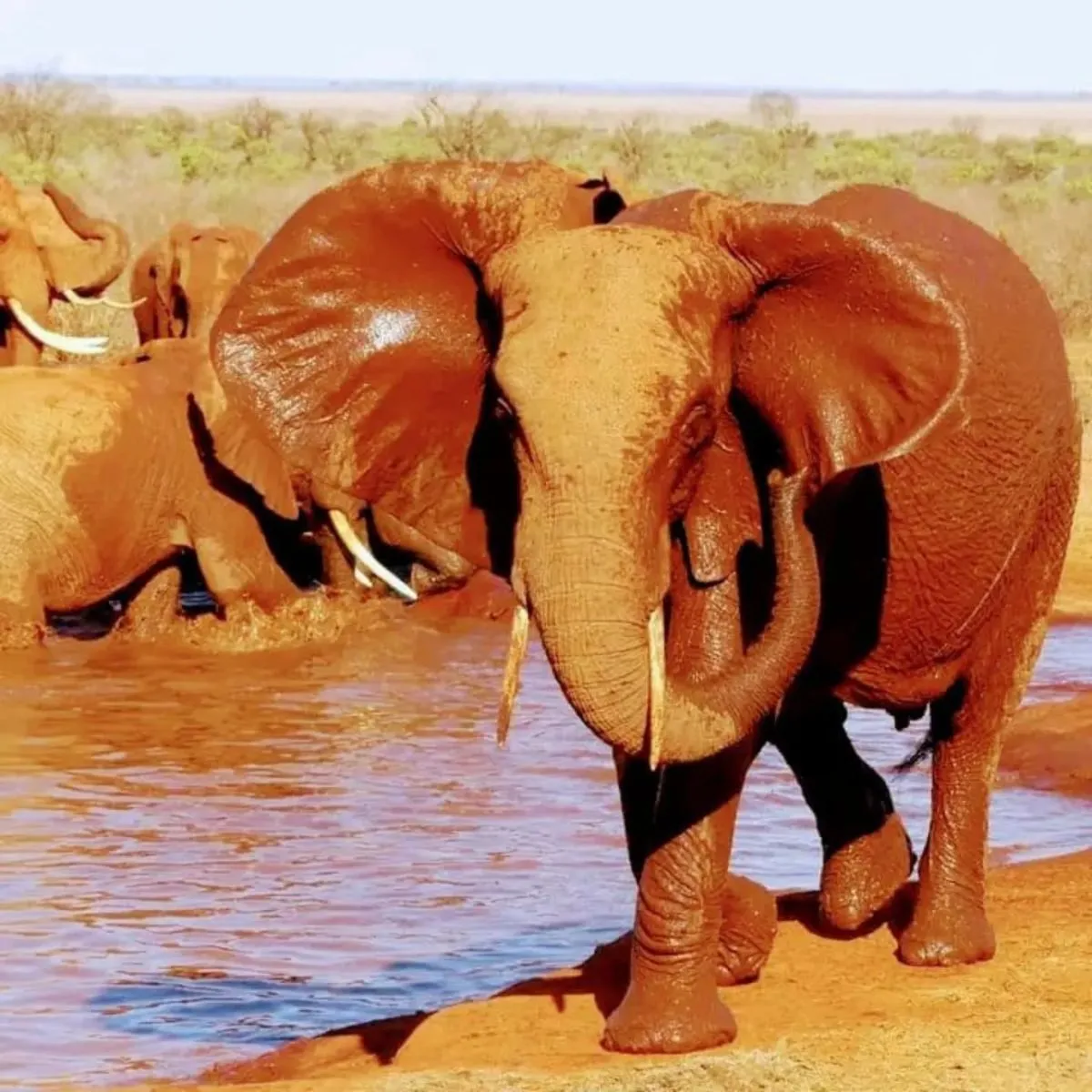
Tsavo East is famous for its flat, dry plains. This open terrain makes spotting wildlife significantly easier for first-timers.
Tsavo West is more volcanic and hilly. The landscape is dramatic, featuring the lush Mzima Springs, but the bush is denser.
Review the table below to decide which park suits your travel style.
| Feature | Tsavo East | Tsavo West |
|---|---|---|
| Landscape | Flat, open savanna, Yatta Plateau. | Volcanic hills, lava flows, springs. |
| Key Animal | “Red Elephants” (dusted in soil). | Leopards and hippos (underwater). |
| Best For | Photography and easy game viewing. | Scenery lovers and bird watchers. |
| Travel Time | ~3 hours from Mombasa (closer). | ~4-5 hours from Mombasa (further). |
Photography here is challenging due to the harsh midday sun. If you want to capture the “Red Elephants” perfectly, read about how to take stunning travel photos without heavy gear.
The sight of dust-red elephants wallowing, rolling and spraying each other with the midnight blue waters of palm-shaded Galana River is one of the most evocative images in Africa.
Kenya Wildlife Service, Tsavo East National Park Guide
🌲 Tsavo East National Park
Entry fee required
Wildlife Reserve: A vast park characterized by flat, dry plains that make wildlife spotting accessible for beginners.
- Famous ‘Red Elephants’ dusted in soil
- Flat, open savanna terrain
- Yatta Plateau
🌲 Tsavo West National Park
Entry fee required
Wildlife Reserve: A dramatic landscape of volcanic hills and dense bush, offering a more rugged safari experience.
- Volcanic hills and lava flows
- Lush Mzima Springs
- Dramatic, hilly scenery
🌲 Mzima Springs
Included in Park Entry
Natural Springs: A lush oasis of clear water located within the volcanic landscape of Tsavo West.
- Crystal clear water filtered by lava rocks
- Home to hippos and crocodiles
- Lush contrast to the dry bush
Safety and Cultural Respect
When entering the park, safety is paramount. Never leave your safari vehicle unless you are in a designated area.
The heat in Tsavo can be intense compared to the coast. Hydration is critical, even if you are just sitting in a jeep.
Respect local guides and drivers. They know the land intimately and understand the behavior of the animals better than anyone.
Do not encourage drivers to go off-road. It damages the fragile ecosystem and stresses the wildlife you came to see.
Tsavo Safari Essentials
- Travel from the port via the traditional highway or the scenic Madaraka Express train.
- Choose Tsavo East for open plains and easier spotting of the famous ‘Red Elephants’.
- Select Tsavo West if you prefer dramatic volcanic landscapes and lush springs.
- Plan for a 3 to 5-hour journey depending on your specific park destination.
The Eco-Explorer Itinerary: Wasini Island and Shimba Hills
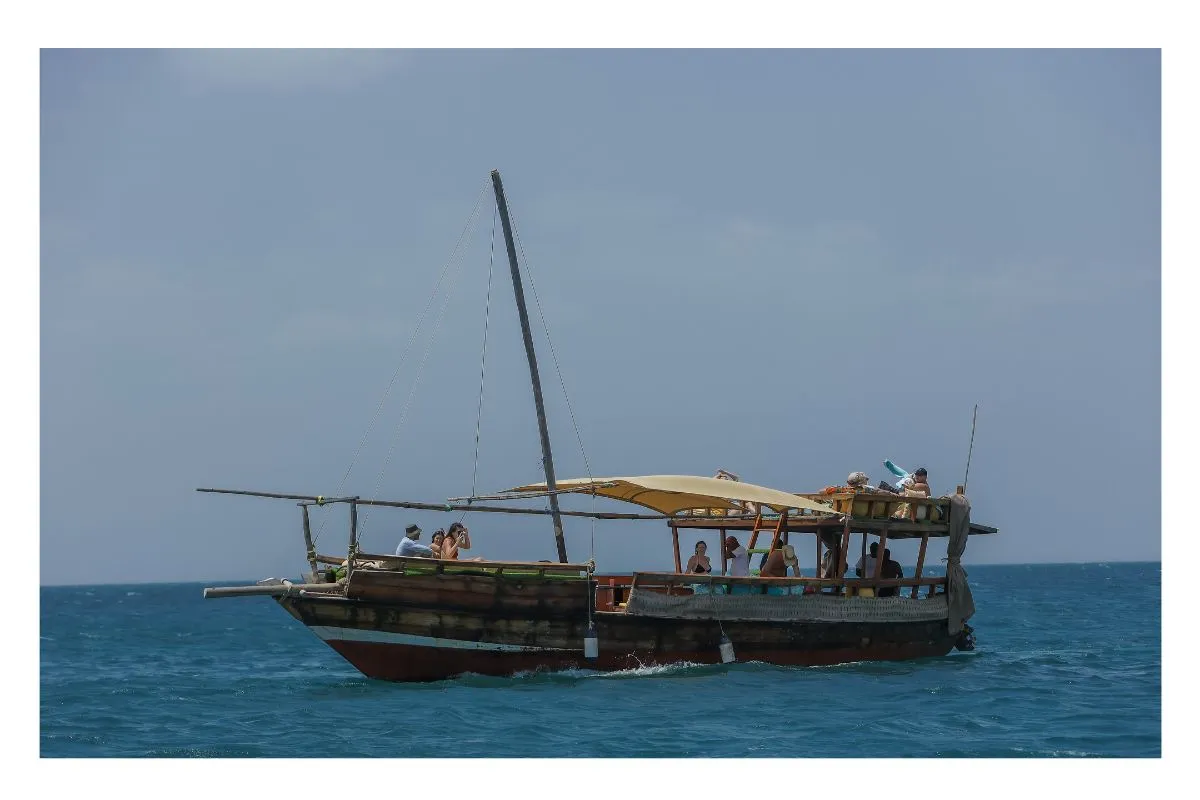
Wasini Island: A Coral Garden Sanctuary
This itinerary targets travelers who crave silence and untouched nature. It moves away from the crowds of Mombasa city center.
Instead, we focus on the raw beauty of the southern coast. You will trade the hum of a cruise ship engine for the snap of wind in a dhow sail.
This route requires a moderate fitness level. It involves boat transfers and hiking in humid rainforest conditions. It is perfect for eco-tourists.
Wasini Island feels timeless. There are no cars here. The air smells of salt and dried seaweed. The silence is only broken by the ocean breeze.
The main attraction is the Kisite-Mpunguti Marine Park. This protected area is famous for spinner dolphins that often swim alongside boats.
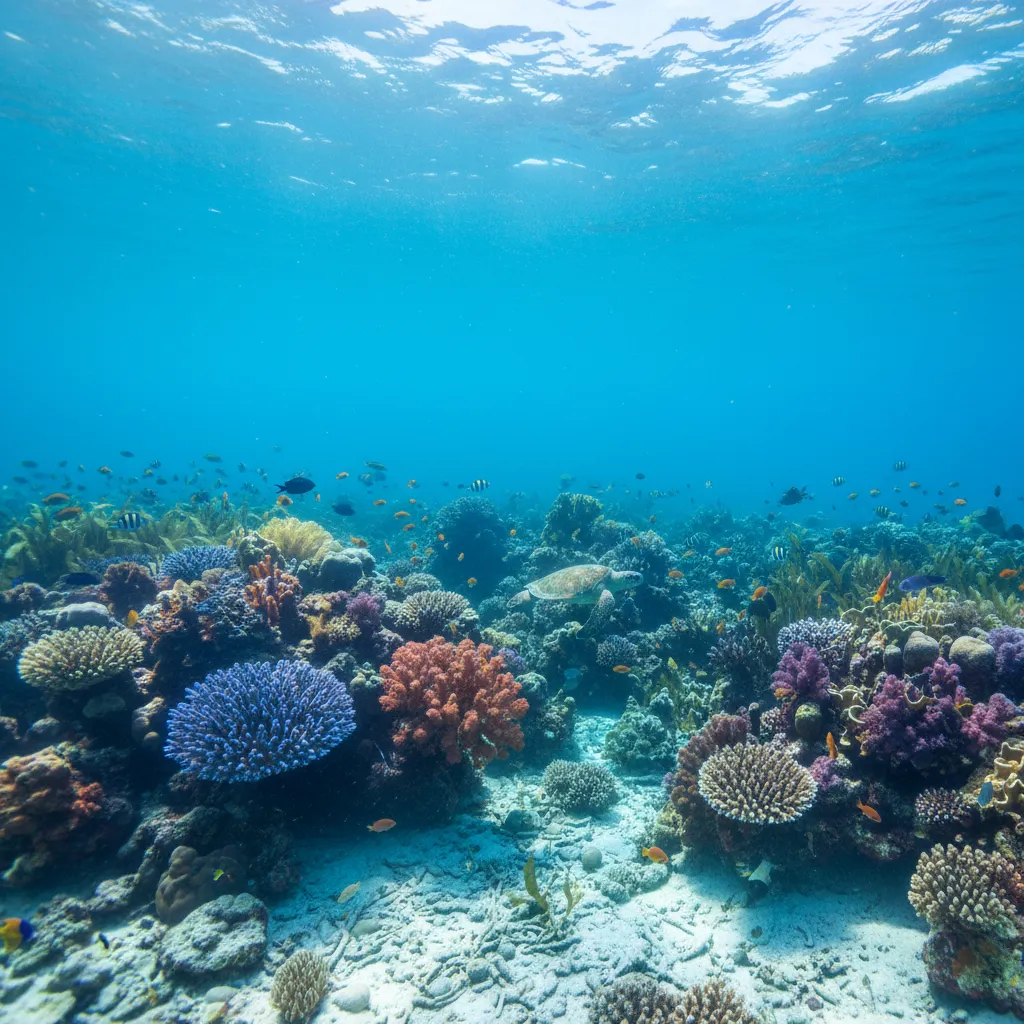
Snorkeling here is world-class. The water visibility is often over 20 meters. You will see turtles and colorful reef fish in the coral gardens.
For those who love island logistics, this reminds me of the strategies used in Croatia Island Hopping Budget Tips.
Always respect the local Swahili culture. Dress modestly when walking through the village. Shoulders and knees should be covered on land.
True adventure begins where the engine noise ends and the sounds of nature take over.
Shimba Hills National Reserve: The Green Safari
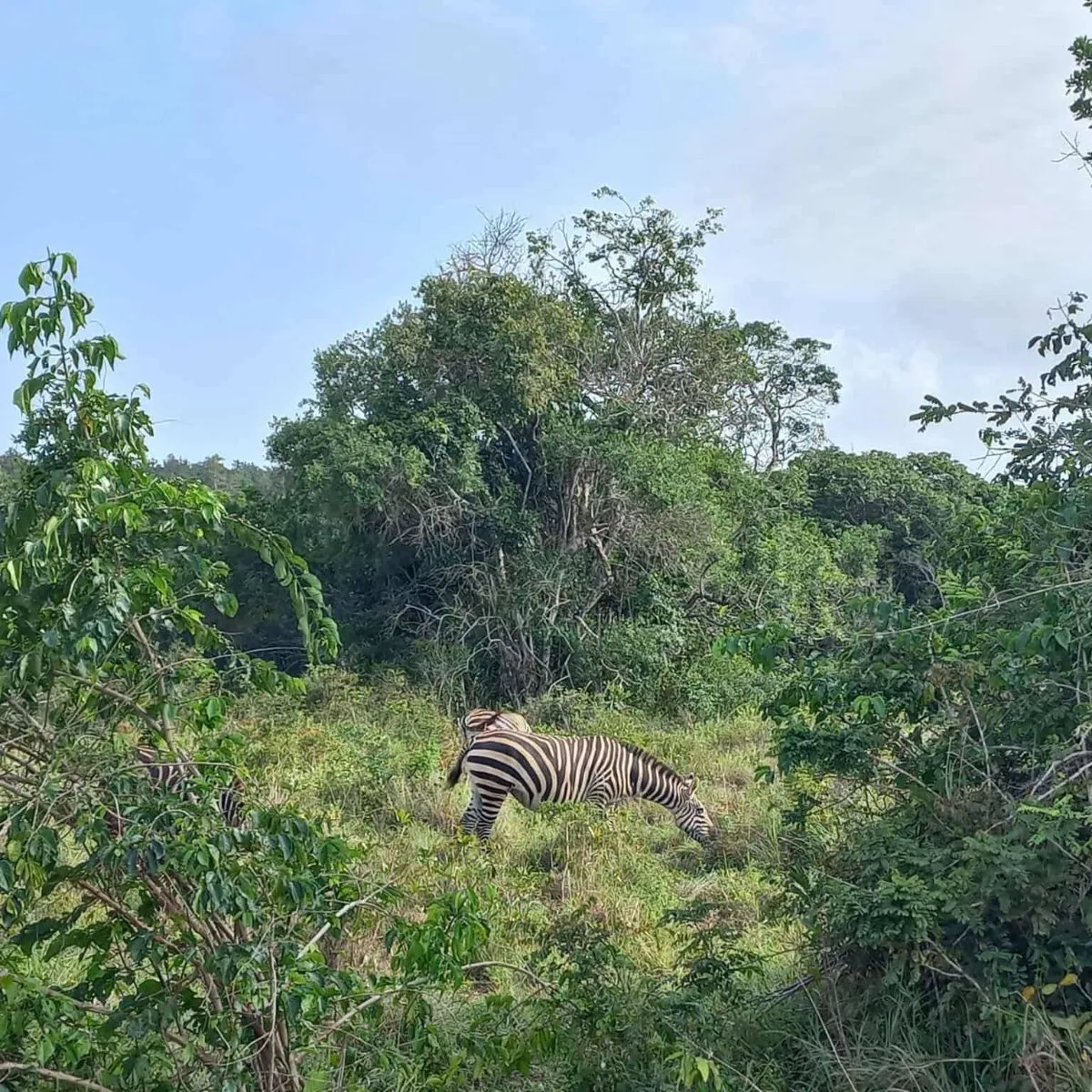
- Transport: 4×4 vehicles are required for Shimba Hills. The roads can be muddy.
Leaving the coast, you travel inland to Shimba Hills. This is a coastal rainforest. The air is cooler here and filled with the scent of damp earth.
This reserve is the last refuge of the Sable Antelope in Kenya. These majestic black and white antelopes are shy and rare sightings.
A highlight is the hike to Sheldrick Falls. It is a 2-kilometer walk down through the forest. You can swim in the cool pool at the bottom.
Be prepared for the humidity. Like my experience detailed in My Lake Tahoe Hike Disaster That Became My Best Memory, proper footwear is vital.
Eco-Explorer Logistics Checklist:
- Fees: Park fees are roughly $20-30 USD for non-residents. Card payment is preferred.
- Timing: Morning is best for game drives. The animals hide when the midday sun hits.
- Health: Carry insect repellent. Tsetse flies can be present in the forest areas.
Shimba Hills is a lush, tropical rainforest that offers a complete contrast to the savannah parks. It is one of the few places to see the rare Sable Antelope.
The Lonely Planet Team, Lonely Planet Kenya Guide
Eco-Escape Essentials
- Escape to Wasini Island for a car-free experience featuring world-class snorkeling and dolphin watching in Kisite-Mpunguti Marine Park.
- Trek through the humid coastal rainforest of Shimba Hills to swim at Sheldrick Falls and search for the elusive Sable Antelope.
- Designed for travelers seeking tranquility, this route trades cruise ship noise for the sounds of wind, waves, and wildlife.
- Practical preparation is essential: pack modest clothing for island villages and secure a 4×4 vehicle for muddy reserve roads.
The Luxury Yacht Experience: Private Charters along the Swahili Coast
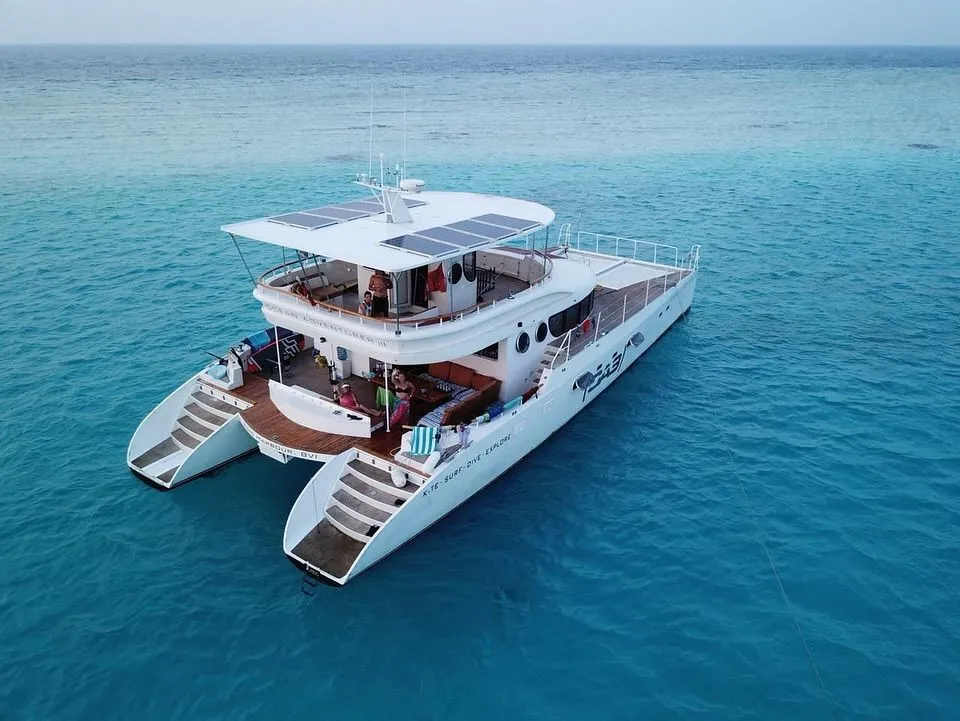
For travelers seeking ultimate freedom, a private yacht charter redefines the African safari experience. It replaces dust with sea spray.
You leave behind the fixed schedules of large commercial vessels. Instead, you dictate the pace of the journey along the Swahili Coast.
The experience is visceral. You feel the warm monsoon breeze known as the Kaskazi. You smell the faint aroma of cloves drifting from the spice plantations.
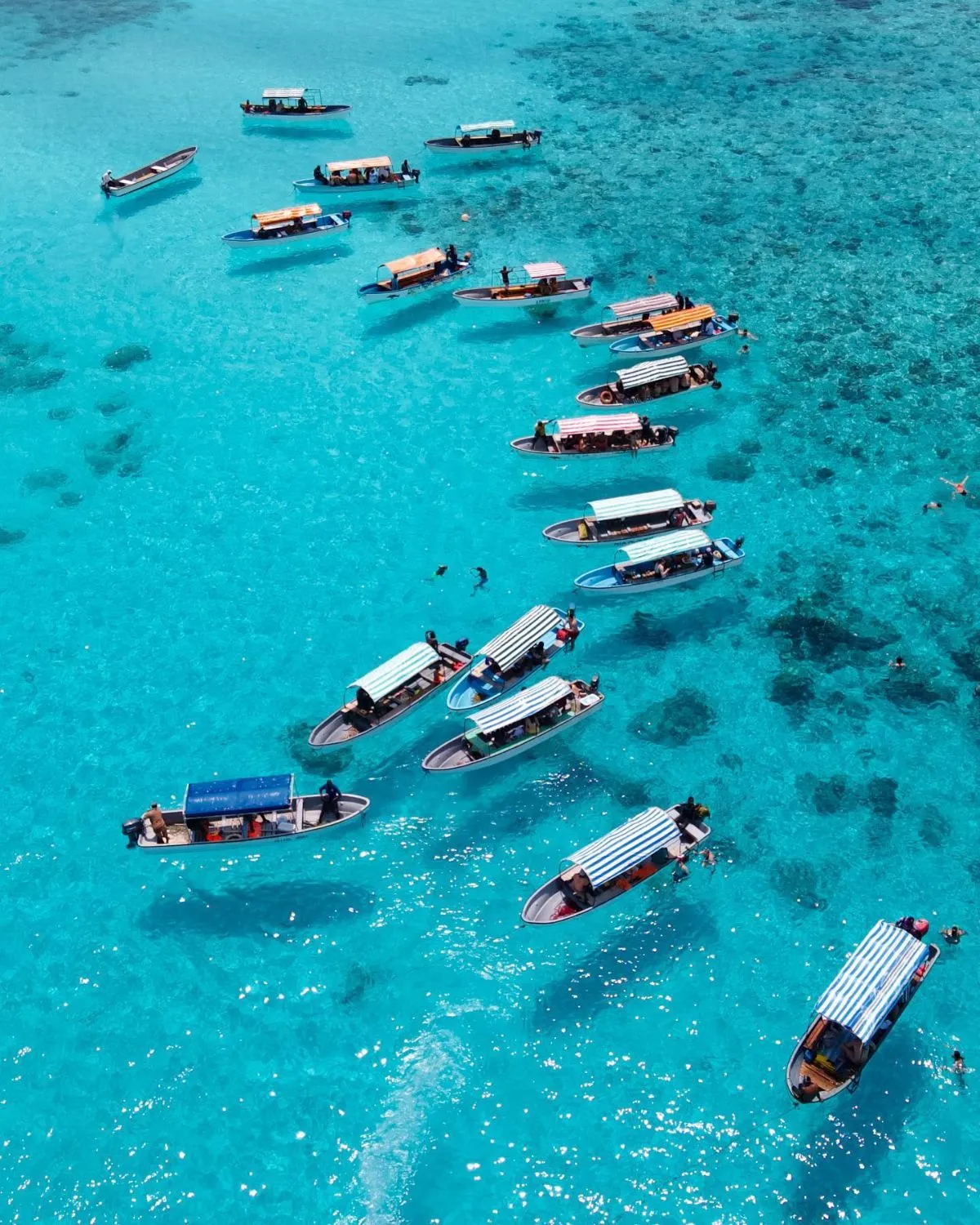
The water shifts from deep sapphire to translucent turquoise. This is not just transit. It is an immersion into a rhythmic, aquatic lifestyle.
True luxury is not just a golden tap; it is the freedom to drop anchor wherever the water looks most inviting.
Designing Your Bespoke Itinerary
Life On Board: What to Expect
Private charters allow you to explore hidden coves that large ships cannot reach. You might start in Stone Town and sail north to Nungwi.
Many itineraries include a stop at the Mnemba Atoll. This marine conservation area offers some of the best diving in East Africa.
You can choose to sleep under the stars on the deck. Alternatively, you can anchor near Pemba Island for a night of absolute silence.
If you are used to mass tourism, this intimacy is striking. You can compare it to my brutally honest take on Caribbean cruises to see the difference.
Private vessels offer a connection to nature that big ships lack. You are not a passenger number here. You are an explorer.
The pace of life on the Swahili Coast is slow and rhythmic… sailing here allows you to slip into that rhythm perfectly.
Mary Fitzpatrick, Lonely Planet Guide to Tanzania
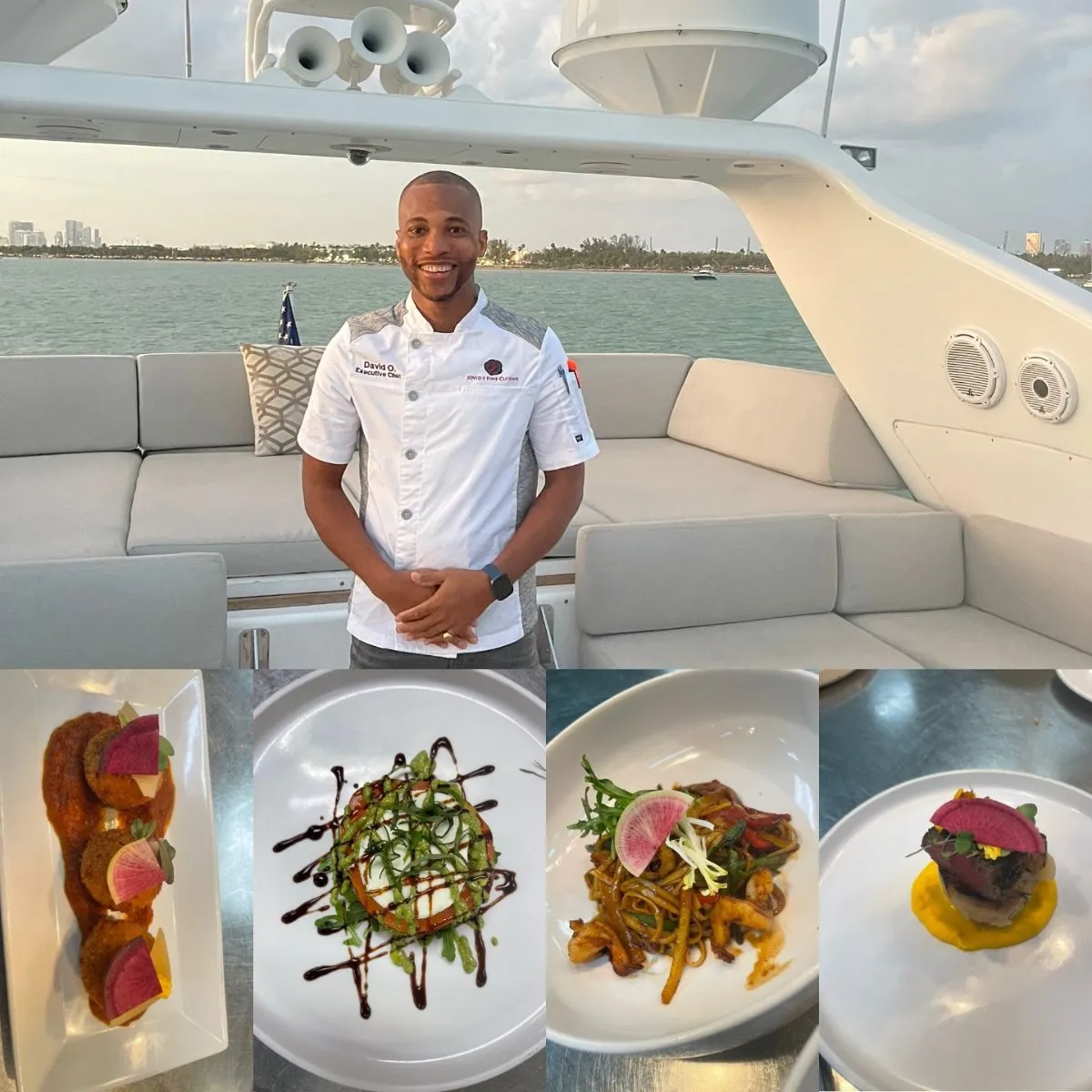
Luxury in this region is defined by service and authenticity. Most private charters come fully crewed with a skipper and a chef.
The cuisine focuses on “ocean-to-table” freshness. Expect grilled lobster, coconut curries, and tropical fruits served on the aft deck.
Modern catamarans are stable and spacious. They typically feature air-conditioned cabins, en-suite bathrooms, and ample lounging nets.
| Feature | Private Charter | Commercial Cabin |
|---|---|---|
| Privacy | Exclusive use of the entire vessel. | Shared decks and dining areas. |
| Itinerary | Flexible; you choose the stops. | Fixed route and strict timetable. |
| Cuisine | Menu tailored to your preferences. | Set buffet or fixed menu meals. |
| Cost | High premium per vessel. | Fixed price per person. |
To help you decide between a private charter and a standard cabin booking, consider these key differences.
Practical Logistics and Safety
Booking a private charter requires advance planning. High season runs from June to October and December to February.
Prices vary wildly based on the vessel size. Expect to pay between $1,500 and $4,000 per day for a fully crewed catamaran.
Always verify the operator’s safety credentials. Ensure the vessel is equipped with life rafts, satellite phones, and medical kits.
Piracy risks have significantly decreased south of Lamu. However, always consult current travel advisories before sailing near the Somali border.
Respect local customs when ashore. The Swahili culture is conservative. Dress modestly when visiting villages or markets to show respect.
Sailing the Swahili Coast
- **Tailored Itineraries**: Private charters enable bespoke journeys to hidden gems like Mnemba Atoll and Pemba Island, bypassing the limitations of large commercial vessels.
- **Ultimate Freedom**: Travelers can replace fixed schedules with the flexibility to dictate their own pace and drop anchor wherever the water looks most inviting.
- **Immersive Luxury**: Experience the coast with fully crewed vessels that offer air-conditioned comfort and fresh ocean-to-table cuisine prepared by private chefs.
- **Intimate Connection**: Unlike mass tourism, private yachts provide a quiet, visceral immersion into nature, from the scent of spices to the rhythm of the tides.
Dropping Anchor: The Swahili Coast Awaits
This journey from Zanzibar to Mombasa is more than just a cruise. It is a deep dive into the soul of the Swahili Coast. You trade paved roads for turquoise waves.
From the spice-scented alleys of Stone Town to the coral walls of Fort Jesus, every stop tells a story. The history here is as deep as the ocean itself.
Whether you are seeking cultural immersion or the thrill of the open sea, this itinerary delivers. It blends relaxation with raw, historical adventure perfectly.
Pack your modest clothing and your sense of wonder. The trade winds are calling your name. It is time to set sail on an unforgettable East African odyssey.
Navigating the Swahili Coast: Common Questions
Most sailing itineraries last between 3 to 5 days. This duration allows ample time for exploring Stone Town’s alleys and touring Fort Jesus without rushing.
Generally, yes, but stay vigilant in crowded markets. Hiring a certified guide is highly recommended to navigate the maze safely and respect local customs.
Yes. Zanzibar is semi-autonomous within Tanzania, and Mombasa is in Kenya. You typically need valid visas for both countries. Check online for the latest e-visa rules.
The dry seasons, from July to October and January to February, are ideal. The ocean is calmer, and the lower humidity makes walking tours much more comfortable.
Yes, especially in Stone Town and Mombasa Old Town. These are conservative areas. Men and women should keep shoulders and knees covered to show respect.


