
Table of Contents
- Day 1: Start the Drive in Dramatic Arcos de la Frontera
- Day 2: Hike the Green Trails of Grazalema Natural Park
- Day 3: Admire the Castle and Lake at Zahara de la Sierra
- Day 4: Eat Under the Rocks in Setenil de las Bodegas
- Day 5: Explore the Twin Icons of Olvera
- Day 6: Walk the Puente Nuevo in Historic Ronda
- Day 7: Enjoy Coastal Views from the Rooftops of Casares
- The End of the Road: Memories in White
- Questions From the Road
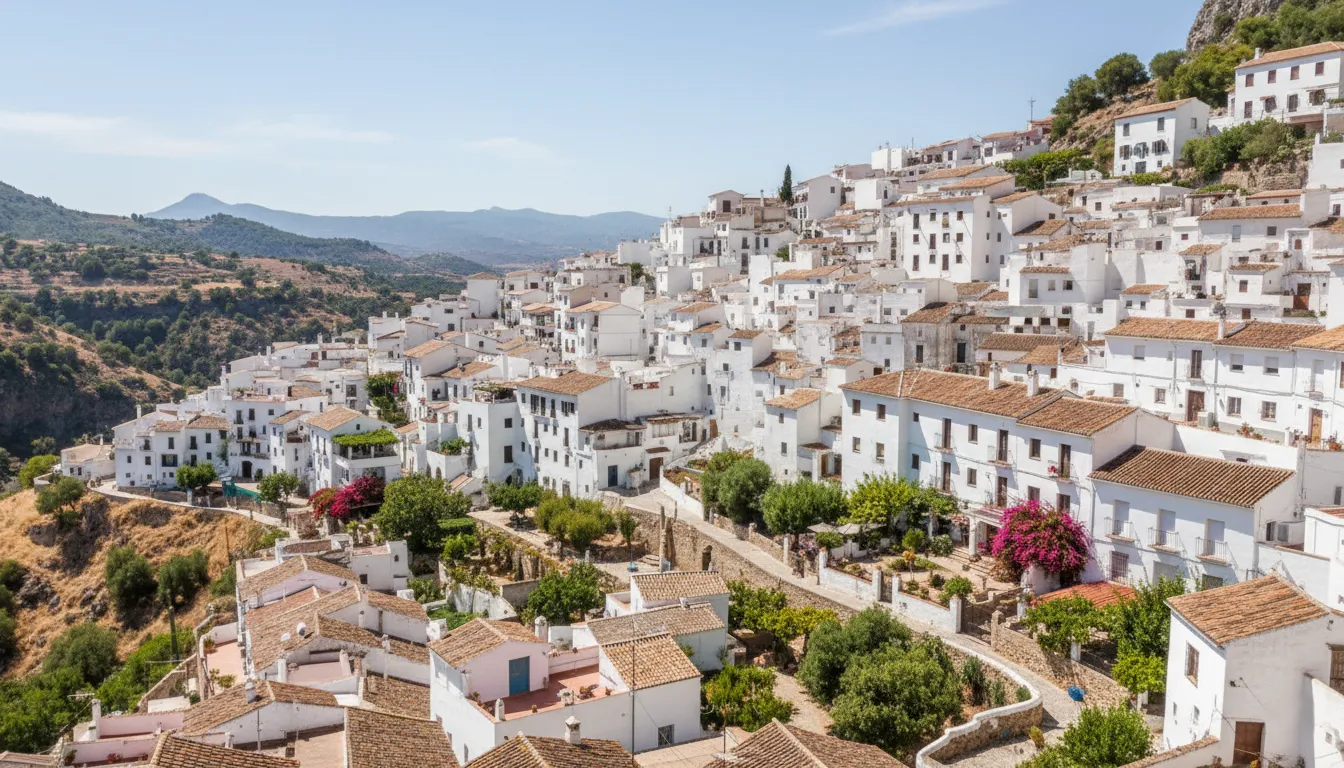
Imagine standing on the edge of a sheer limestone cliff while the whitewashed houses of Arcos de la Frontera cling precariously around you.
This spectacular pueblo blanco serves as the dramatic gateway to your Andalusian road trip and offers views that stretch across the olive groves to the horizon.
It is a place where the air smells of orange blossoms and the streets echo with centuries of history waiting to be discovered by those willing to climb its steep cobblestone paths.
Driving through these southern Spanish hills requires a spirit of adventure and a sturdy set of brakes.
We will navigate the labyrinthine alleys that defy modern GPS and point you toward the authentic tapas bars where locals gather for midday sherry.
This guide helps you bypass tourist traps and find the hidden plazas that capture the true soul of the region without getting lost in the maze.
Over the next week, you will experience a rhythm of life that prioritizes sunsets and slow meals over rushing to the next landmark.
Arcos is just the beginning of a route that winds through mountains and valleys painted in stark contrast against the deep blue sky.
Pack your bags and prepare to fall in love with the wild beauty of the Pueblos Blancos.
The Adventure Snapshot
- Begin your journey in Arcos de la Frontera, a dramatic white village balancing precariously on a sheer limestone ridge.
- Avoid driving into the historic center to save your side mirrors; park safely at the Plaza España underground lot instead.
- Capture the golden hour through the stone arches of Callejón de las Monjas and face the vertigo-inducing views at Plaza del Cabildo.
- Sample the rustic local asparagus soup, *abajao*, and book your stay early, choosing between the panoramic Parador or a charming local guesthouse.
Day 1: Start the Drive in Dramatic Arcos de la Frontera
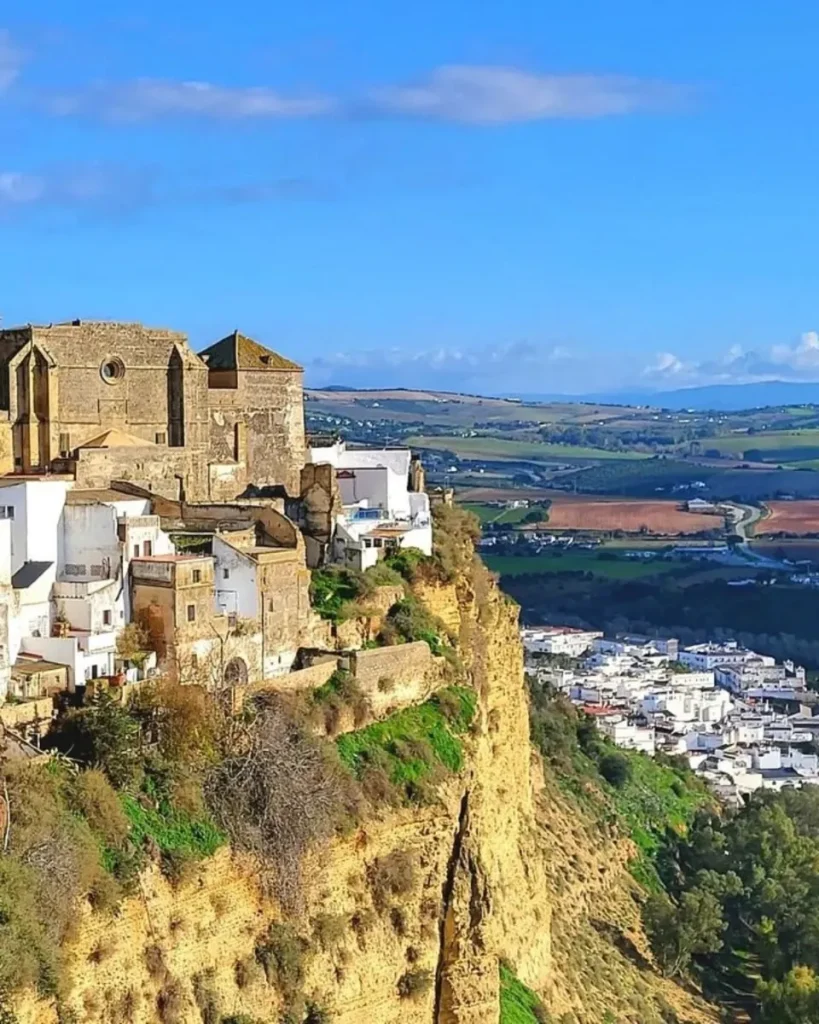
Your journey begins with a dramatic ascent. Arcos de la Frontera balances precariously on a sheer limestone ridge. It is the gateway to the route.
The town is a blinding wash of white against the blue sky. You will feel the Moorish history in the layout of the streets. It feels timeless.
Andalusia is where stone turns to lace and white walls paint the horizon.
This is one of the 10 Best Spain Travel Destinations to Explore for Adventure. The views here are dizzying and unforgettable.
🎨 Arcos de la Frontera
Free
White Hill Town: A dramatic white village balancing precariously on a sheer limestone ridge.
- Gateway to the white villages route
- Town layout reflects deep Moorish history
- Blinding white streets against blue sky
Arrival
Park at Plaza España
Avoid driving into the narrow historic center.
Afternoon
Explore the Old Town
Walk Callejón de las Monjas and Plaza del Cabildo.
Golden Hour
Photography at Callejón de las Monjas
The stone arches frame the sky perfectly.
Lunch
Eat ‘Abajao’ soup
A rustic asparagus soup unique to the region.
Evening
Check into Parador or Local Guesthouse
Sunset views from the Parador are recommended.
Parking and Logistics
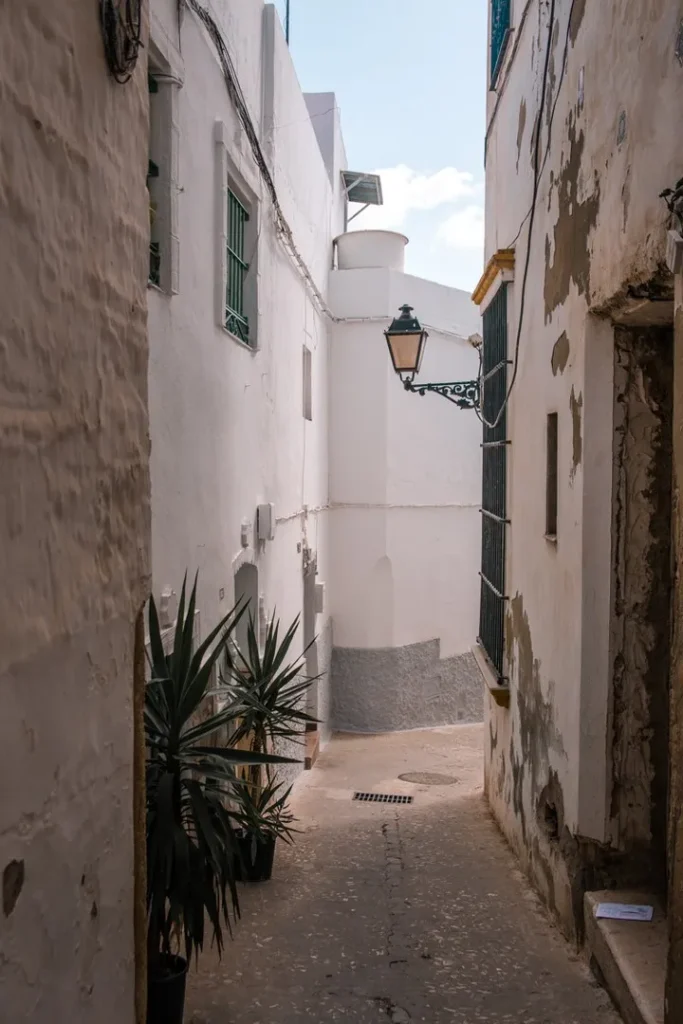
Do not drive into the historic center. The streets are impossibly narrow. Mirrors are often scraped off by the ancient walls. Avoid this stress.
Park in the underground lot at Plaza España. It is safe and spacious. From there, take the shuttle bus or walk up the steep hill.
Arcos de la Frontera is the first of the white hill towns… and for many, the most spectacular. It’s a town of arches and light.
Rick Steves, Rick Steves’ Europe
🗽 Plaza España
Paid Parking
Parking & Transport Hub: The safe, spacious underground parking lot located at the base of the town.
- Safe underground parking option
- Avoids narrow, mirror-scraping streets
- Shuttle bus departure point
Exploring the Old Town
Walk through the Callejón de las Monjas. The stone arches frame the sky beautifully. It is a photographer’s dream during the golden hour.
Head to the Plaza del Cabildo. One side is the Parador hotel. The other is a sheer drop to the river valley below. The vertigo is real.
Visit the Basilica of Santa María. The Gothic architecture is stunning. The intricate stone facade tells stories of the Catholic Reconquista.
🗽 Callejón de las Monjas
Free
Historic Street: A picturesque street featuring stone arches that frame the sky.
- Photographer’s dream spot
- Beautiful stone arches
- Best visited during golden hour
🗽 Plaza del Cabildo
Free
Main Square & Viewpoint: A vertiginous plaza bordered by the Parador and a sheer drop to the valley.
- Sheer drop to the river valley
- Home to the Parador hotel
- Vertigo-inducing panoramic views
🏛️ Basilica of Santa María
Free
Gothic Basilica: A stunning church with intricate stone facades telling stories of the Reconquista.
- Stunning gothic architecture
- Intricate stone facade
- Historical religious significance
Where to Eat and Stay

For lunch, try the local abajao. It is a rustic asparagus soup unique to this region. The flavors are earthy and rich.
You can embrace the local dining style easily. Read about Tapas Culture in Spain: How I Fell in Love with the Small Plates to order like a pro.
Choosing accommodation here is about trade-offs. You must decide between luxury views and authentic charm. Here is a quick breakdown.
| Feature | Parador de Arcos | Local Guesthouse |
|---|---|---|
| View | ✅ Panoramic | ❌ Limited |
| Price | ❌ High | ✅ Budget |
| Parking | ✅ On-site | ❌ Public Lot |
| Atmosphere | ✅ Historic | ✅ Homely |
Book your stay well in advance. This town is small and fills up quickly. A sunset view from your room is worth the extra cost.
Arcos de la Frontera Highlights
- Park in the Plaza España underground lot to avoid damaging your car in the impossibly narrow historic streets.
- Visit Plaza del Cabildo for dramatic cliffside views and the Gothic architecture of Basilica of Santa María.
- Walk through Callejón de las Monjas to capture the iconic stone arches framing the sky.
- Taste the local flavor by ordering *abajao*, a rustic asparagus soup unique to this region.
🏨 Parador de Arcos
$$
Historic Luxury Hotel: A historic hotel located on the cliff edge offering panoramic views.
- Panoramic views from the property
- Historic atmosphere
- On-site parking available
Day 2: Hike the Green Trails of Grazalema Natural Park
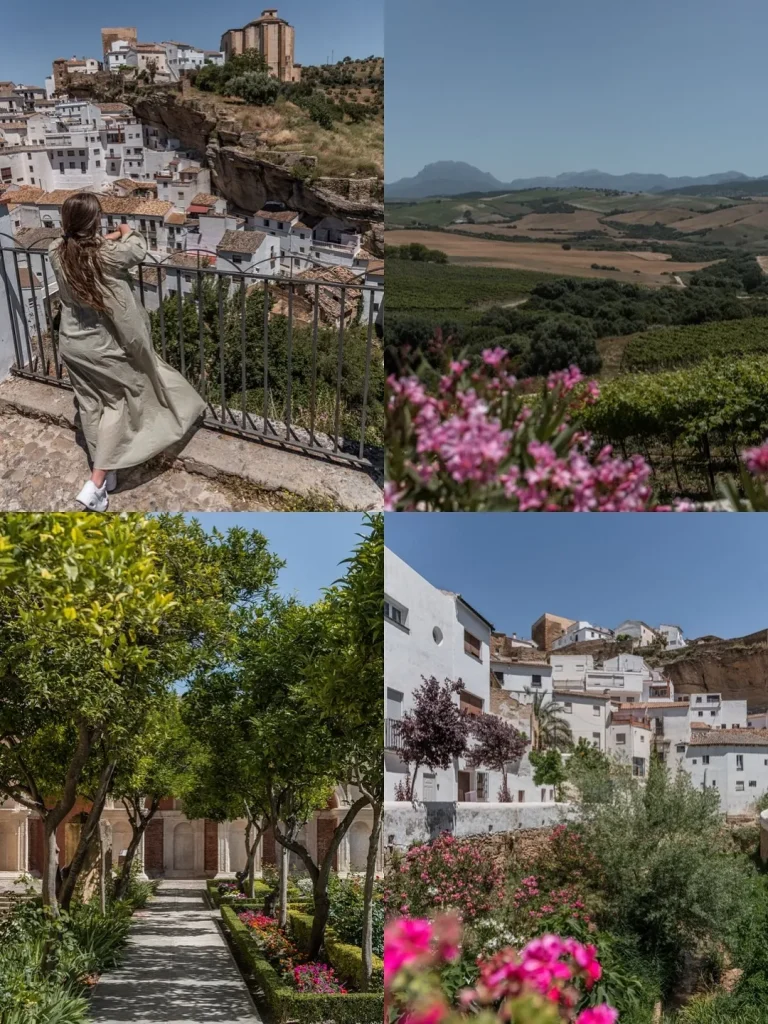
Trade the dry heat for crisp mountain air. Today, you venture into the Sierra de Grazalema. This UNESCO Biosphere Reserve is surprisingly lush and green.
It holds the title for the highest rainfall in Spain. This microclimate creates dense forests that feel worlds away from the arid plains below.
Grazalema: A Green Oasis
- Exchange the dry heat for the crisp, refreshing air of the Sierra de Grazalema mountains.
- Explore a UNESCO Biosphere Reserve distinguished by its unexpectedly lush and green landscape.
- Discover a unique microclimate that holds the record for the highest rainfall in Spain.
- Wander through dense forests that offer a striking contrast to the arid plains below.
🌲 Sierra de Grazalema
Free
UNESCO Biosphere Reserve: A lush, green mountain range that holds the title for highest rainfall in Spain.
- Highest rainfall in Spain
- Dense forests and microclimate
- Lush contrast to arid plains
Morning: The Ancient Pinsapar Trail
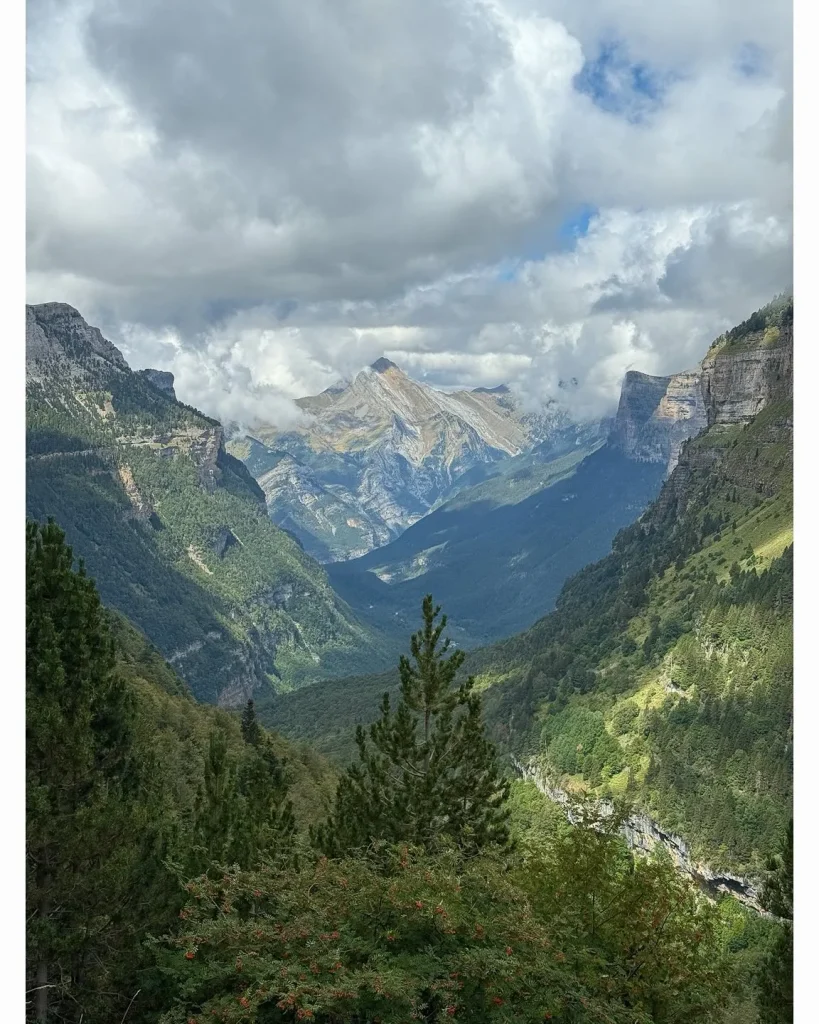
Start your day early to secure parking. The Pinsapar Trail is the park’s crown jewel. You walk among Spanish Firs, a rare tree species surviving from the Ice Age.
The air here smells of damp earth and pine needles. The trail offers a moderate challenge with rewarding views of the northern slopes.
The Pinsapar is the flagship route of the park… a haunt of the Spanish ibex and the golden eagle.
Guy Hunter-Watts, Walking in Andalucia
Important Logistics: You cannot just show up and hike. To protect this fragile ecosystem, the park requires a special permit for the Pinsapar route.
Book this permit months in advance through the Junta de Andalucía website. If sold out, visit the El Bosque visitor center immediately upon opening.
Pinsapar Trail Essentials
- Experience the park’s crown jewel by hiking through ancient forests of rare Spanish Firs, survivors of the Ice Age.
- Plan ahead for strict access rules: a special permit is mandatory to protect the fragile ecosystem.
- Secure your permit months in advance online or try for a spot at the El Bosque visitor center immediately upon opening.
🌲 Pinsapar Trail
Free (Permit Required)
Protected Hiking Trail: The park’s flagship route winding through rare Ice Age Spanish Firs.
- Home to rare Spanish Fir trees
- Views of northern slopes
- Requires mandatory permit
✨ El Bosque Visitor Center
Free
Park Information Center: The administrative hub where travelers can attempt to secure last-minute permits.
- Source for hiking permits
- Information on trail conditions
- Backup option if online booking fails
Early Morning
Hike the Pinsapar Trail
Requires a permit booked months in advance.
Alternative
Visit El Bosque Visitor Center
Go immediately upon opening if you need a permit.
Lunch: Tasting Grazalema
Descend into the village of Grazalema for lunch. The main plaza buzzes with hikers sharing stories. The architecture here is pristine and strictly preserved.
You must try the Queso Payoyo. This artisanal goat and sheep cheese is an award-winning local delicacy. It pairs perfectly with a glass of crisp sherry.
Dining here is a great introduction to authentic tapas culture. Locals eat late, so aim for a 2:00 PM lunch to soak up the atmosphere.
In the heart of Andalusia, the mountains whisper stories older than the white villages clinging to their sides.
Grazalema Gastronomy Highlights
- Soak up the lively atmosphere of the main plaza, a hub for hikers surrounded by preserved architecture.
- Taste the award-winning Queso Payoyo, a local artisanal cheese blend perfectly paired with sherry.
- Experience authentic tapas culture by dining like a local around 2:00 PM.
🎨 Grazalema
Free
Mountain Village: A pristine village known for its preserved architecture and cheese.
- Pristine preserved architecture
- Famous for Queso Payoyo cheese
- Buzzing plaza with hikers
2:00 PM
Lunch in Grazalema Village
Locals eat late; aim for 2 PM.
Dining
Taste Queso Payoyo
Award-winning local goat and sheep cheese.
Afternoon: The Views of Zahara de la Sierra
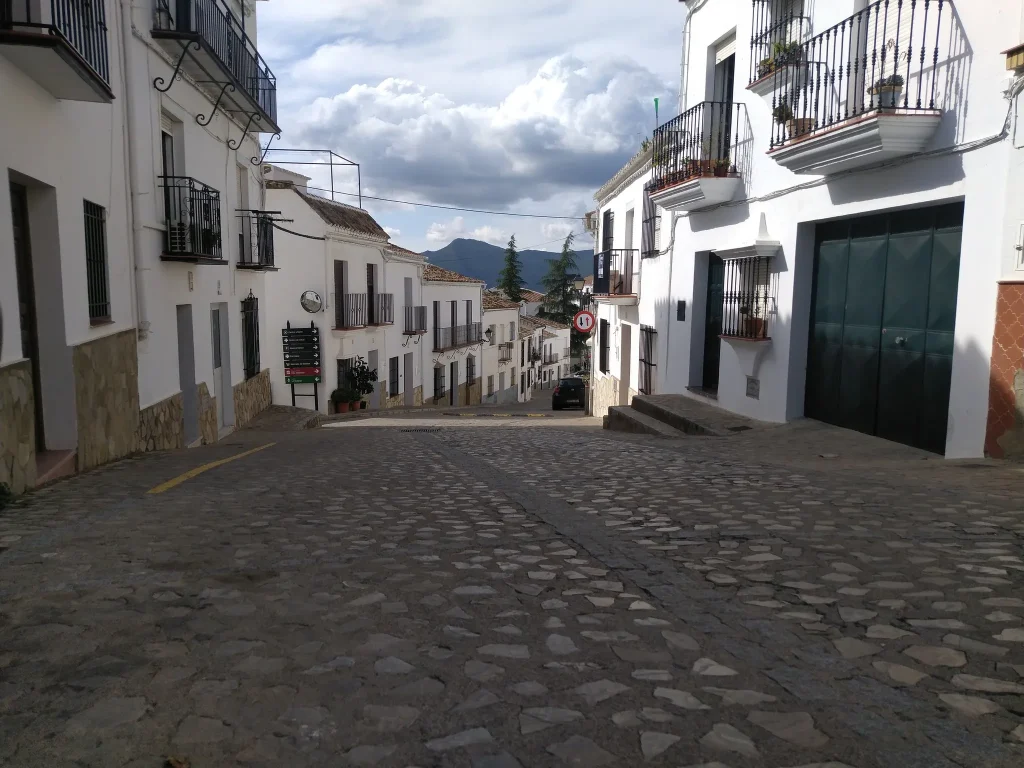
Drive thirty minutes north to Zahara de la Sierra. This village clings dramatically to a rocky crag. A turquoise reservoir glitters in the valley below.
Climb the steep path to the Moorish castle tower. The wind is strong at the top, but the panoramic view of the olive groves is unmatched.
If you prefer water over heights, drive down to the reservoir. There is a small artificial beach area known as “La Playita” perfect for a cool dip.
🎨 Zahara de la Sierra
Free
Fortified Village: A dramatic village clinging to a rocky crag overlooking a turquoise reservoir.
- Clings to a rocky crag
- Overlooks turquoise reservoir
- Topped by Moorish castle
After Lunch
Drive to Zahara de la Sierra
A 30-minute drive north.
Late Afternoon
Climb to the Castle or Visit Reservoir
Choose between the steep climb or the beach.
Grazalema Hiking Options
If the Pinsapar permit is unavailable, there are other incredible routes. This region is one of the best Spain travel destinations for outdoor enthusiasts.
| Trail Name | Difficulty | Duration | Permit Needed? |
|---|---|---|---|
| El Pinsapar | Medium | 4.5 Hours | Yes (Mandatory) |
| La Garganta Verde | High | 4 Hours | Yes (Mandatory) |
| El Rio Majaceite | Easy | 2 Hours | No |
| Llanos del Rabel | Easy/Medium | 3 Hours | Yes (Sometimes) |
Safety Note: In summer, trails may close due to fire risk. Always check current regulations at the visitor center before setting out.
Zahara Views & Hiking Highlights
- Visit Zahara de la Sierra to experience dramatic cliffside views from the Moorish castle tower or cool off at the unique La Playita reservoir beach.
- Explore diverse hiking options in the Grazalema region, ranging from the easy Rio Majaceite route to the permit-restricted El Pinsapar and La Garganta Verde trails.
- Check current regulations at the visitor center before hiking, as specific routes require mandatory permits and may close during summer due to fire risks.
🧗 La Garganta Verde
Free (Permit Required)
Hiking Trail: A high-difficulty trail through a spectacular canyon.
- High difficulty rating
- Mandatory permit required
- Takes approximately 4 hours
🧗 El Rio Majaceite
Free
Hiking Trail: An easy river walk suitable for families.
- Easy difficulty level
- No permit needed
- Takes approximately 2 hours
🧗 Llanos del Rabel
Free (Permit Sometimes Required)
Hiking Trail: A gentle route through the reserve’s landscapes.
- Easy to Medium difficulty
- Takes approximately 3 hours
- Permit sometimes required
Day 3: Admire the Castle and Lake at Zahara de la Sierra
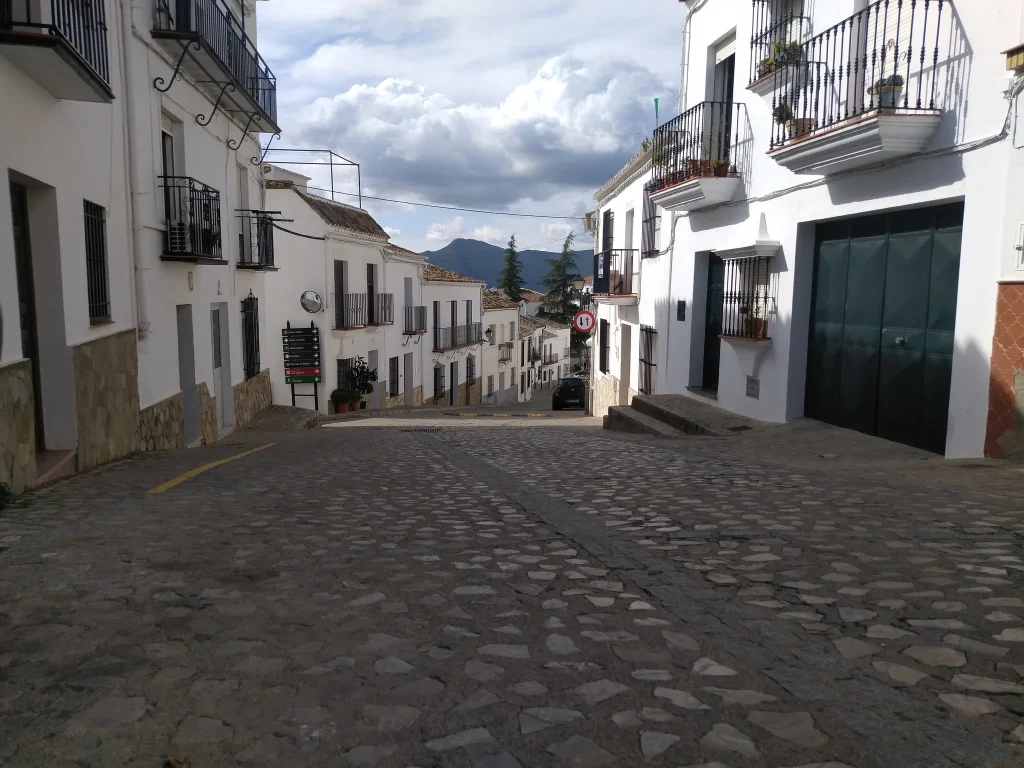
Zahara de la Sierra strikes a dramatic pose against the Sierra de Grazalema. It is often voted the most beautiful white village in Spain.
The contrast here is striking. Whitewashed walls cling to a rocky crag while the turquoise Zahara-El Gastor reservoir glimmers below.
The view of the turquoise lake from the castle tower is the highlight of any Andalusian road trip.
🌲 Embalse de Zahara-El Gastor
Free
Reservoir: A shimmering turquoise body of water lying below the white village.
- Striking turquoise water
- Visible from castle tower
- Offers kayaking opportunities
Morning
Climb to Torre del Homenaje
15-minute steep ascent; wear gripping shoes.
Mid-Day
Relax at Embalse de Zahara-El Gastor
Visit ‘La Playita’ in summer for a swim.
Lunch
Dining at Restaurante Al Lago
Try the local ‘gachas’.
Conquering the Castle Tower
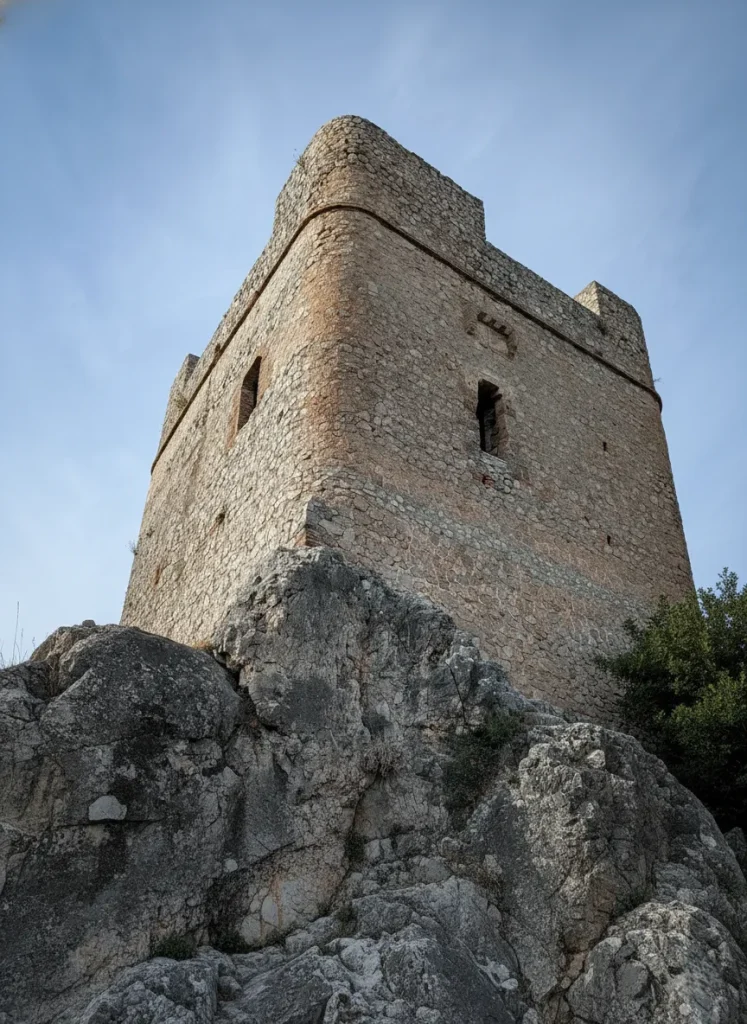
The village is crowned by a 13th-century Moorish castle. The climb to the Torre del Homenaje is steep but rewarding.
You will navigate narrow cobblestone streets before hitting the path up. The ascent takes about 15 minutes from the main plaza.
Wear gripping shoes. The stones can be slippery, especially after rain. The wind at the top is strong and refreshing.
From the tower, the panoramic views are unmatched. You can see olive groves stretching to the horizon and the shimmering lake.
If you want to capture this moment perfectly, check out how I took stunning travel photos with just a camera.
🏛️ Torre del Homenaje
Free (Museum ~€3)
13th-Century Moorish Tower: The highest point of the castle offering sweeping panoramic views.
- 13th-century Moorish origins
- Unmatched panoramic views
- Steep 15-minute climb
Relaxing by the Reservoir
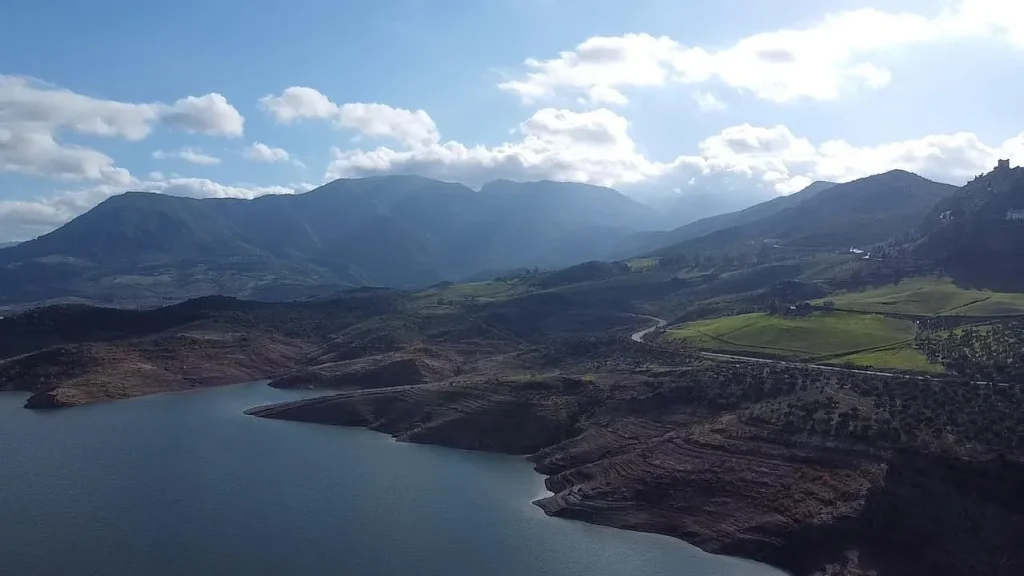
After the climb, drive down to the water. The Embalse de Zahara-El Gastor offers a cool respite from the heat.
In summer, the “Playita” opens. This man-made beach area is perfect for a swim in the crisp mountain water.
Kayaking is popular here. You can rent equipment near the recreational area. It is a peaceful way to see the village from below.
The winding drive up to Zahara de la Sierra offers one of the most spectacular approaches in all of Andalusia.
Lonely Planet, Zahara de la Sierra Highlights
🧗 La Playita
Entry: ~€4.50
Recreational Beach Area: A man-made beach area on the reservoir perfect for summer swimming.
- Artificial beach for swimming
- Cool respite in summer
- Kayak rental availability
Practical Logistics for Day 3
Zahara is small but requires planning. Parking can be tight in the town center during peak season.
| Feature | Details |
|---|---|
| Parking | Free parking at entrance; do not drive into the narrow center. |
| Castle Fee | Usually free; sometimes a small fee for the museum (approx €3). |
| Best Eats | Try “gachas” (local dish) at Restaurante Al Lago. |
| Lake Activity | La Playita entry is approx €4.50 (summer only). |
For accommodation, you might wonder about costs. Read my guide on Hostels vs Airbnbs in Europe to decide what suits your budget here.
Many travelers finish the day with a visit to a local olive oil mill. The Oleum Viride mill offers excellent tours and tastings.
Zahara de la Sierra Snapshot
- Climb the 13th-century Moorish castle tower for commanding views of the turquoise reservoir below.
- Cool off after the hike by swimming at the ‘Playita’ or kayaking on the Embalse de Zahara-El Gastor.
- Park at the entrance of the village to avoid navigating tight, steep streets in the town center.
- Wear shoes with good grip for the slippery, 15-minute cobblestone ascent to the Torre del Homenaje.
🍽️ Restaurante Al Lago
$
Local Restaurant: A recommended dining spot in Zahara known for local dishes.
- Serves local ‘gachas’
- Located in Zahara de la Sierra
- Good culinary reputation
Day 4: Eat Under the Rocks in Setenil de las Bodegas
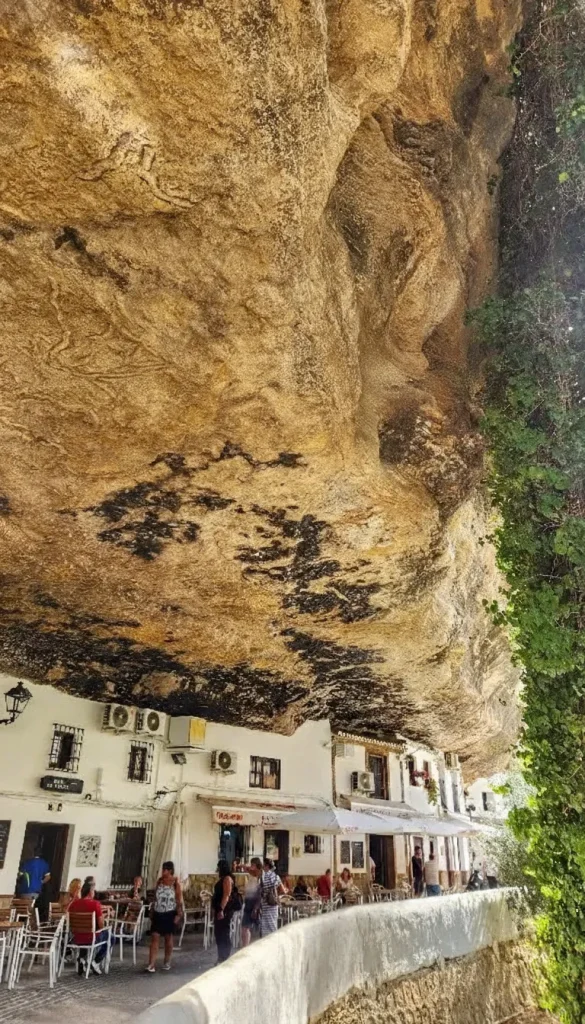
Leave the cliffside views of Ronda behind and drive just 30 minutes north. You are heading to the most unique stop on this itinerary.
Most pueblos blancos sit precariously atop mountain peaks for defense. Setenil de las Bodegas does the exact opposite.
This village hides deep inside the Rio Trejo canyon. The residents didn’t just build near the rocks; they built directly inside them.
Living Beneath the Boulders
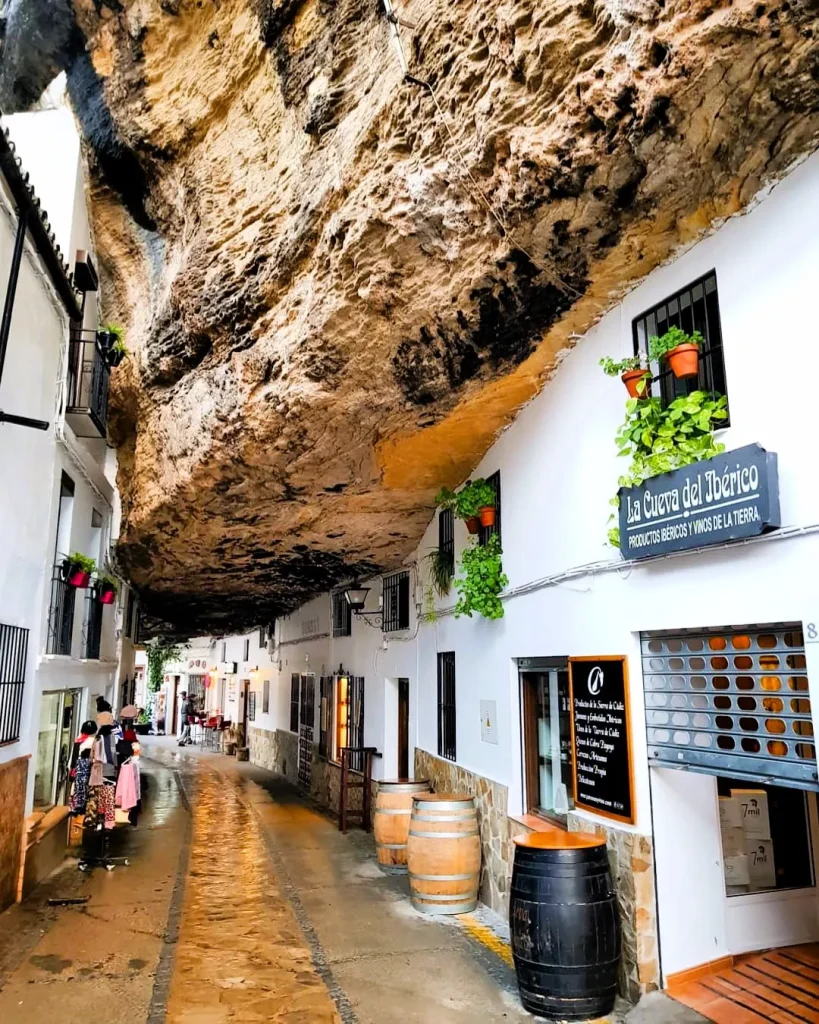
As you walk down into the town, the temperature drops. The massive rock overhangs block the intense Andalusian sun, creating a natural cooling system.
Your first stop must be Calle Cuevas del Sol (Caves of the Sun). This street receives sunlight and is lined with lively tapas bars.
Look up. Instead of terracotta tiles, you see tons of raw, jagged stone suspended directly above your coffee cup. It is visually disorienting.
Cross the small bridge to Calle Cuevas de la Sombra (Caves of the Shadow). Here, the rock covers the entire street like a tunnel.
The air here feels ancient and damp. It is a sensory shock to walk from the bright glare of the riverbank into this permanent twilight.
In Setenil, nature doesn’t just surround the village; it embraces it, holding the houses in a stone hug.
A Gastronomic Experience
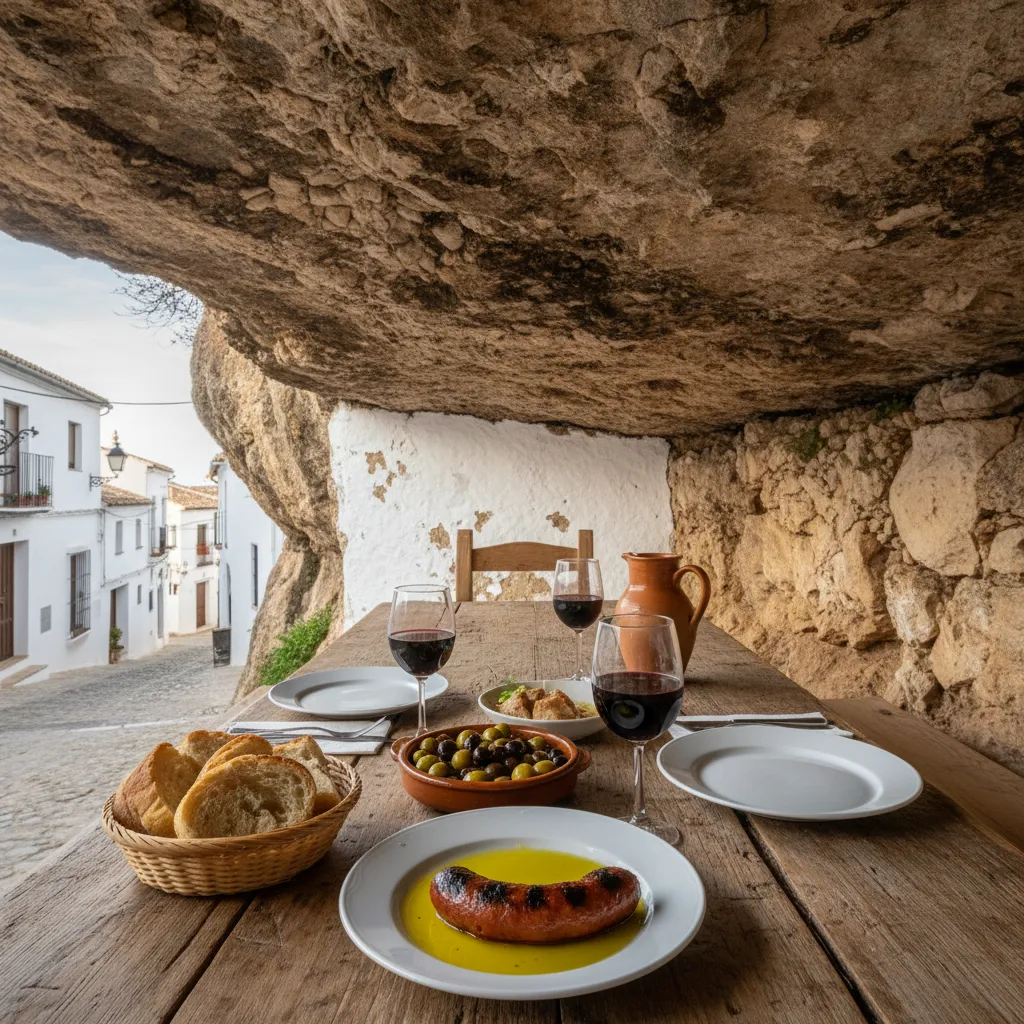
Setenil is not just about rocks; it is a pilgrimage for food lovers. The town is famous for its pork products, particularly chorizo and sausages.
The smell of grilled meat wafts through the canyon around lunch. You should grab a table outside at Bar Frasquito or La Escueva.
Ordering several small plates is the best way to taste everything without overspending.
Watching your wallet? See how I built a travel budget that works.
Here are the local specialties you must order to have an authentic experience:
| Local Delicacy | Description | Avg. Price |
|---|---|---|
| Masita | A burger made from seasoned chorizo dough. | €4.00 – €6.00 |
| Sopa Cortijera | Hearty soup with bread, asparagus, and egg. | €5.00 – €7.00 |
| Chacinas | Platter of cured local sausages and ham. | €10.00 – €14.00 |
| Pasteles de Cortijos | Traditional pastries filled with cider hair. | €1.50 – €2.50 |
The rock is an integral part of the construction… it serves as roof, wall and parasol, maintaining a constant temperature.
Andalucia.com, Setenil de las Bodegas Guide
Logistics and Parking Advice
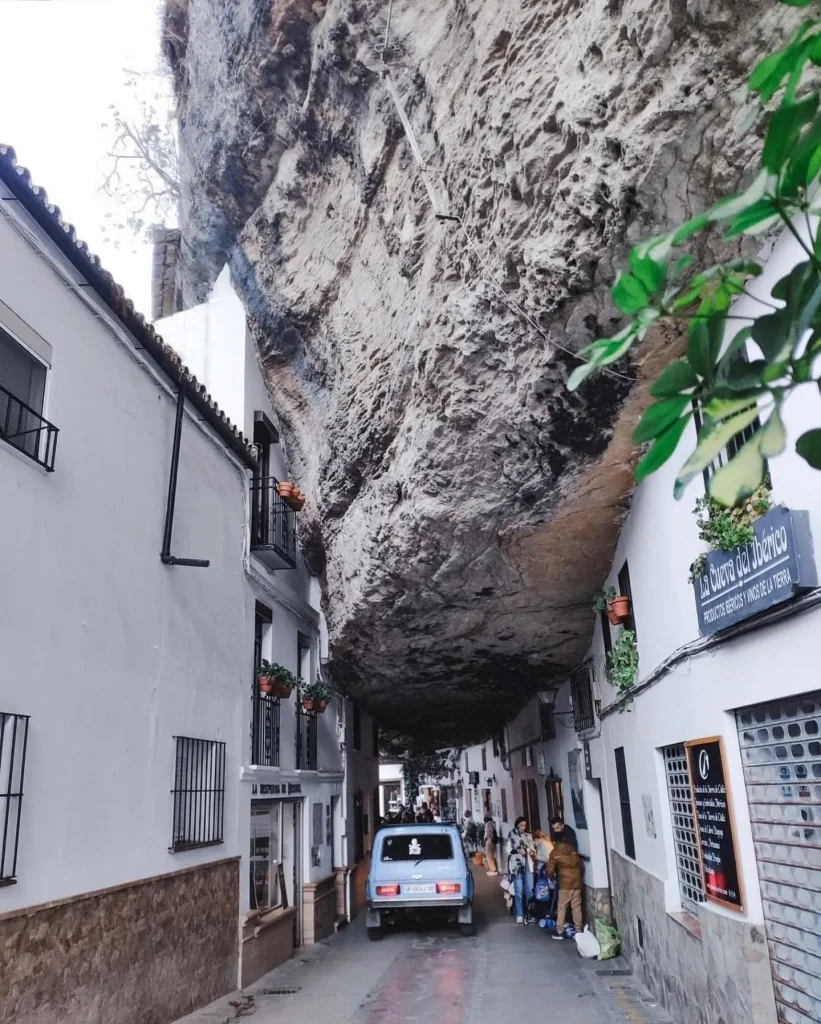
Safety Warning: Do not try to drive into the center of Setenil. The streets are terrifyingly narrow and often turn into staircases.
I have seen skilled drivers get stuck here. The GPS will lie to you. Trust your eyes and the road signs over your phone.
Park at the underground parking garage at the entrance of the town (Avenida de Cádiz). It costs about €10 for the day but saves your rental car.
If you prefer free parking, look for spots along the upper roads near the Ermita de San Sebastián. It is a steep walk down, so wear grip shoes.
Once you are full of tapas and photos, you will drive 30 minutes to Olvera for the night. The castle views there are spectacular at sunset.
If this road trip sparks a love for Spanish culture, you might consider extending your journey to see the 12 Best Things To Do in Madrid, Spain before flying home.
Canyon Life Snapshot
- Discover a unique village built inside the Rio Trejo canyon rather than on a mountain peak.
- Experience the sensory shift between the sunny Calle Cuevas del Sol and the shadowed Calle Cuevas de la Sombra.
- Taste the town’s famous pork products, including the signature ‘Masita’ chorizo burger.
- Take advantage of the natural cooling provided by the massive rock overhangs.
Day 5: Explore the Twin Icons of Olvera
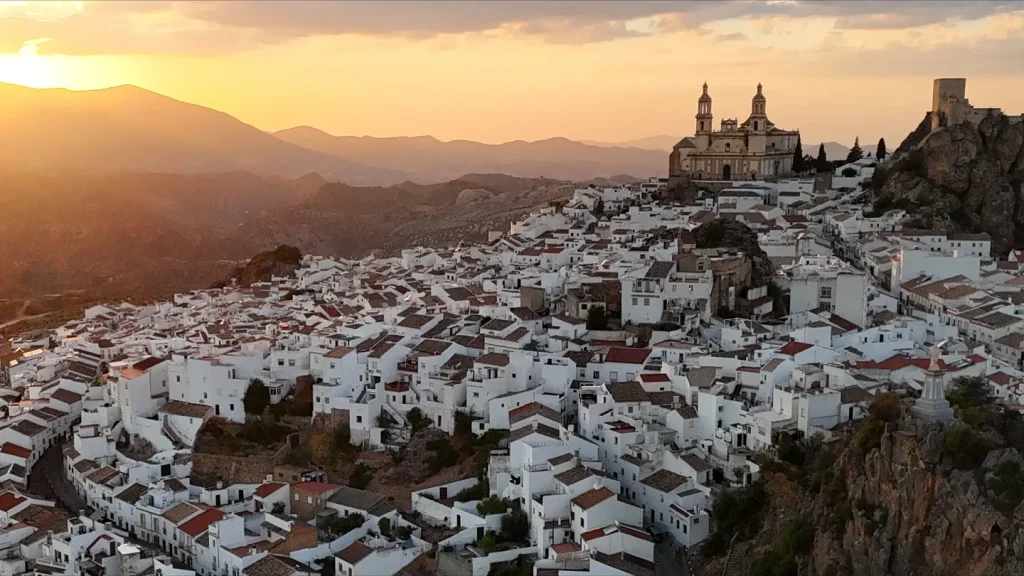
As you drive north from the canyon of Setenil, the landscape shifts dramatically. Rolling hills covered in endless rows of olive trees dominate the horizon.
Suddenly, Olvera appears in the distance. It rises from the earth like a white wave cresting on a mountain. The visual impact is immediate and unforgettable.
Two massive monuments crown the summit. The Arab Castle and the Church of the Incarnation stand side by side, guarding the town below.
The Climb to the Arab Castle
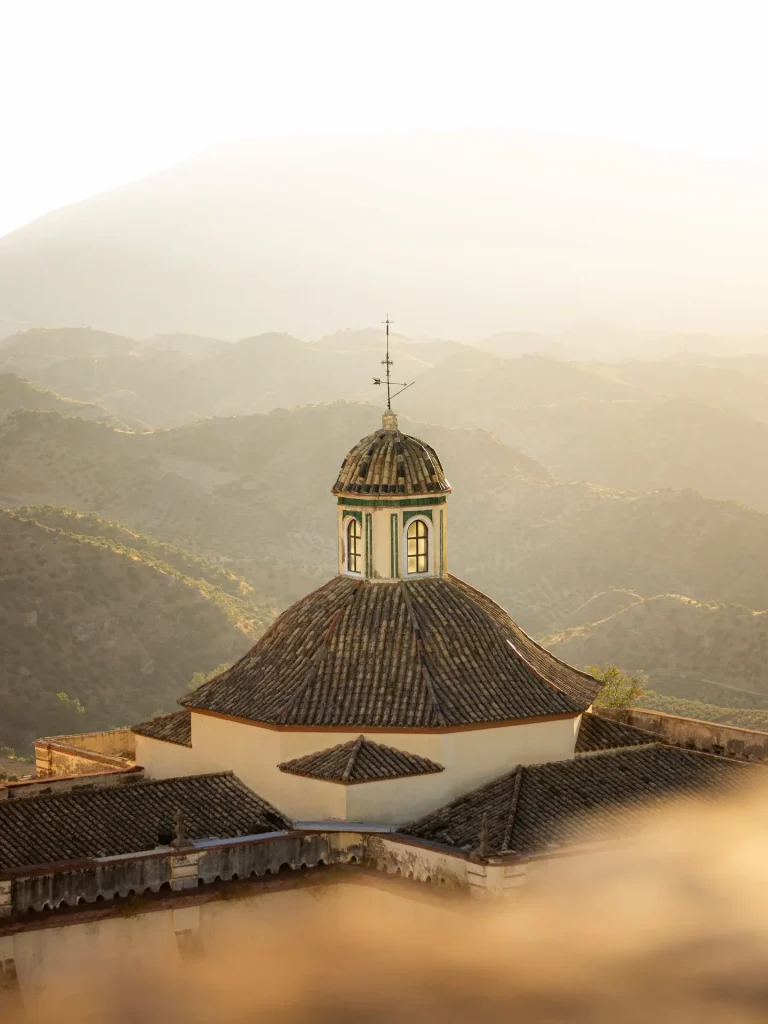
Prepare your legs for a workout. The streets here are incredibly steep. I recommend parking your car at the bottom of the town to avoid getting stuck.
Walk up Calle Calzada. It leads you straight toward the sky. The air gets cooler and windier as you ascend above the terracotta rooftops.
Entry to the castle is very affordable. Expect to pay around 2 Euros. The hours change by season, so check the gate early in the day.
The higher you climb in Andalusia, the further back in time you travel.
From the castle tower, the views are endless. You can see across three different provinces on a clear day. The wind carries the scent of dry earth.
The Church of the Incarnation
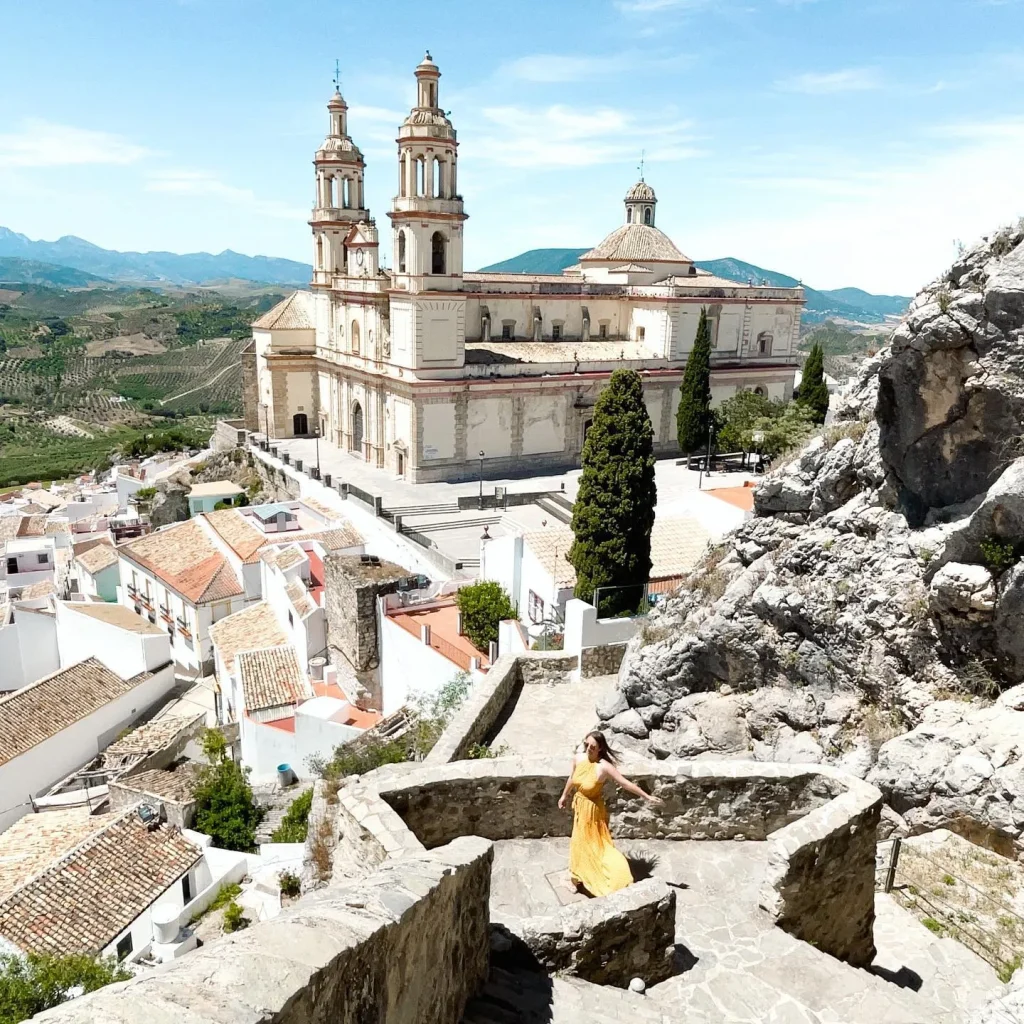
Just opposite the fortress stands the massive church. Its Neoclassical size seems impossible for such a small village. It creates a stunning silhouette.
Step inside for a moment of silence. The cool stone interior offers a welcome break from the relentless Andalusian sun.
While exploring Spain, you might crave more city adventures later. Consider this 7 Day Barcelona Spain Travel Itinerary for First-Time Visitors for your next trip.
Olvera is one of the most striking of the pueblos blancos… dominated by a church and a craggy castle.
Lonely Planet, Andalucia Guide
Practical Logistics for Day 5
Hunger will likely hit after the climb. Head back down to Calle Llana for lunch. Local taverns here serve excellent pork dishes and tapas.
Prices in Olvera are generally lower than in Ronda. It is a great place to save money. Read how I built a travel budget that actually works for me for more tips.
Below is a quick comparison to help you understand how Olvera differs from yesterday’s stop.
| Feature | Olvera | Setenil de las Bodegas |
|---|---|---|
| Topography | Built on a high peak | Built inside a canyon |
| Key Landmark | Arab Castle & Church | Cave Dwellings |
| Physical Effort | High (Steep climbing) | Low to Moderate |
| Crowd Level | Moderate | High (Very Popular) |
Olvera Highlights
- Explore the two massive monuments that define the skyline: the Arab Castle and the Church of the Incarnation.
- Prepare for a steep climb up Calle Calzada to reach the summit; parking at the bottom of the town is recommended.
- Experience incredible panoramic views stretching across three provinces from the castle tower.
- Enjoy a budget-friendly stop with affordable entry fees and lower dining prices compared to nearby Ronda.
Day 6: Walk the Puente Nuevo in Historic Ronda
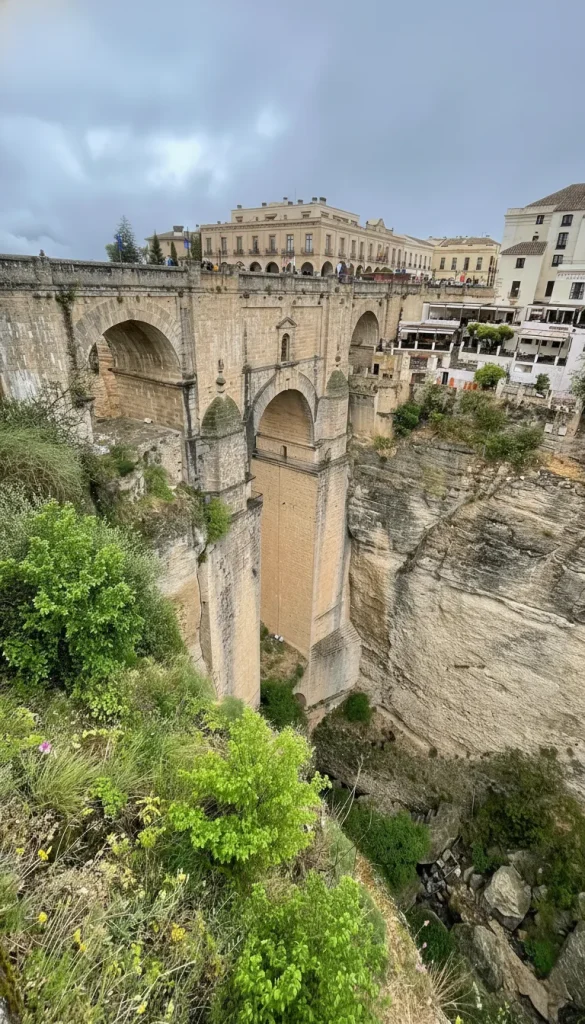
Ronda feels like a fantasy novel brought to life. Perched atop the El Tajo gorge, the city offers views that will leave you breathless.
It is the largest of the white villages and serves as the dramatic climax of your road trip. The energy here is vibrant yet historic.
You will split your time between the dizzying heights of the bridge and the winding streets of the old Moorish quarter.
Ronda is not just a destination; it is the feeling of standing on the edge of the world.
Crossing the Puente Nuevo
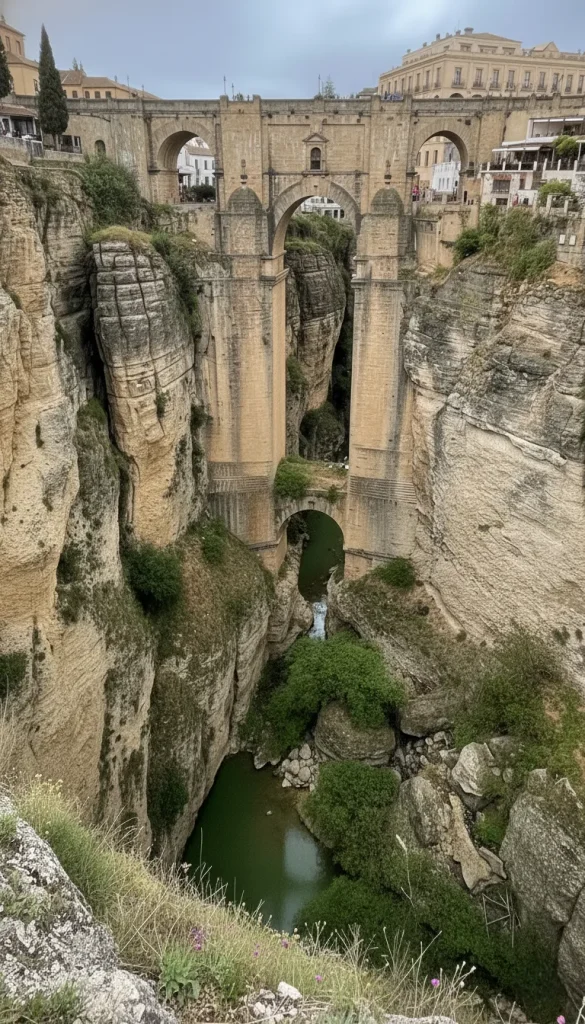
The Puente Nuevo is the heartbeat of Ronda. This massive stone structure connects the modern town with the ancient city.
Walking across it offers vertigo-inducing views of the Guadalevín River far below. Hold onto your camera tightly here.
To get the best angle, you must hike down. The path to the viewpoint takes about 20 minutes and is steep but safe.
If you want to capture the perfect shot of the bridge, check out this guide on how I took stunning travel photos with just a camera.
For the best view of the bridge, hike down the path from the Plaza de María Auxiliadora… The view from the bottom is unforgettable.
Rick Steves, Rick Steves’ Europe
Exploring the Old Moorish Town
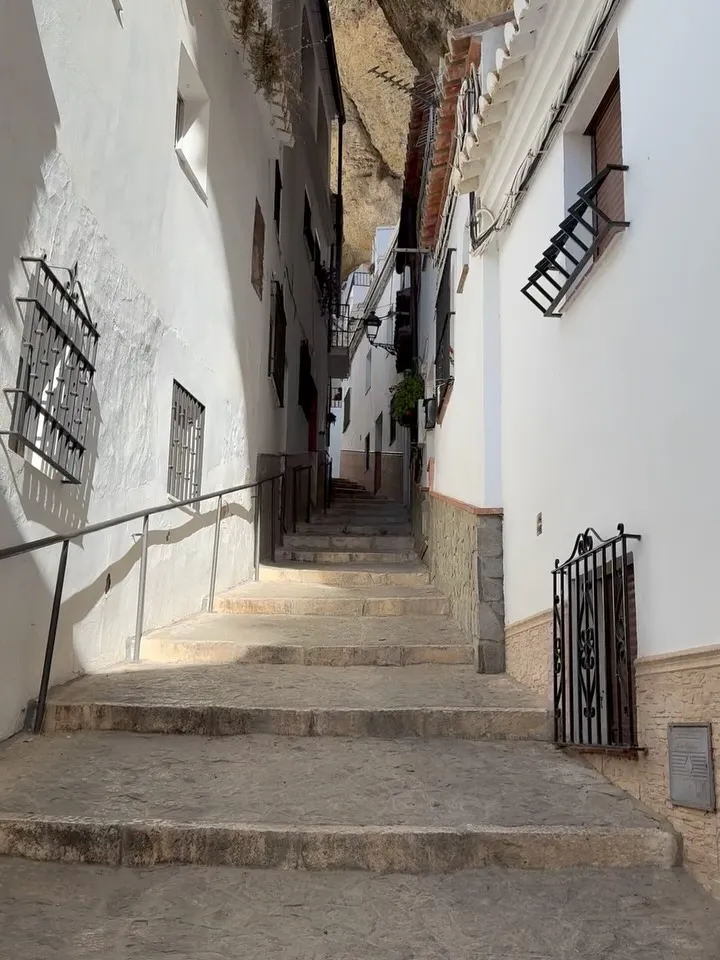
Once you cross the bridge, the atmosphere changes. You enter La Ciudad, the old Moorish quarter full of quiet squares.
Visit the Mondragón Palace to see preserved courtyards and water gardens. It offers a peaceful break from the crowds.
For history lovers, the Arab Baths are located at the bottom of the city. They are among the best-preserved in Spain.
Many travelers continue to the capital after this trip. If that is your plan, read about 12 best things to do in Madrid.
Practical Logistics for Ronda
Ronda is busier than the other villages. Parking can be a challenge near the center, so look for underground lots.
The terrain is uneven. Leave the heels at home and wear sturdy walking shoes to navigate the cobblestones safely.
Below is a quick guide to the essential stops you should prioritize during your day here.
Ronda Essentials Checklist:
- Puente Nuevo: The main bridge. Walk across it and hike down to the viewpoint.
- Plaza de Toros: One of the oldest bullrings in Spain. It is a museum of equestrian history.
- Baños Árabes: 13th-century baths located by the river. Entry is usually under 5 Euros.
- Casa del Rey Moro: Famous for its water mine stairs that lead down to the river gorge.
- Mirador de Aldehuela: A popular balcony viewpoint near the bridge for panoramic photos.
Finish your day with dinner on a terrace overlooking the gorge. The sunset turns the stone bridge a deep golden orange.
Ronda: Standing on the Edge
- Cross the iconic Puente Nuevo for dizzying views of the gorge, but hike down the path from Plaza de María Auxiliadora for the best camera angle.
- Explore the quiet side of the city in La Ciudad (the Old Moorish quarter), featuring the Mondragón Palace and ancient Arab Baths.
- Prepare for a busier atmosphere and uneven terrain by using underground parking and wearing comfortable walking shoes.
Day 7: Enjoy Coastal Views from the Rooftops of Casares
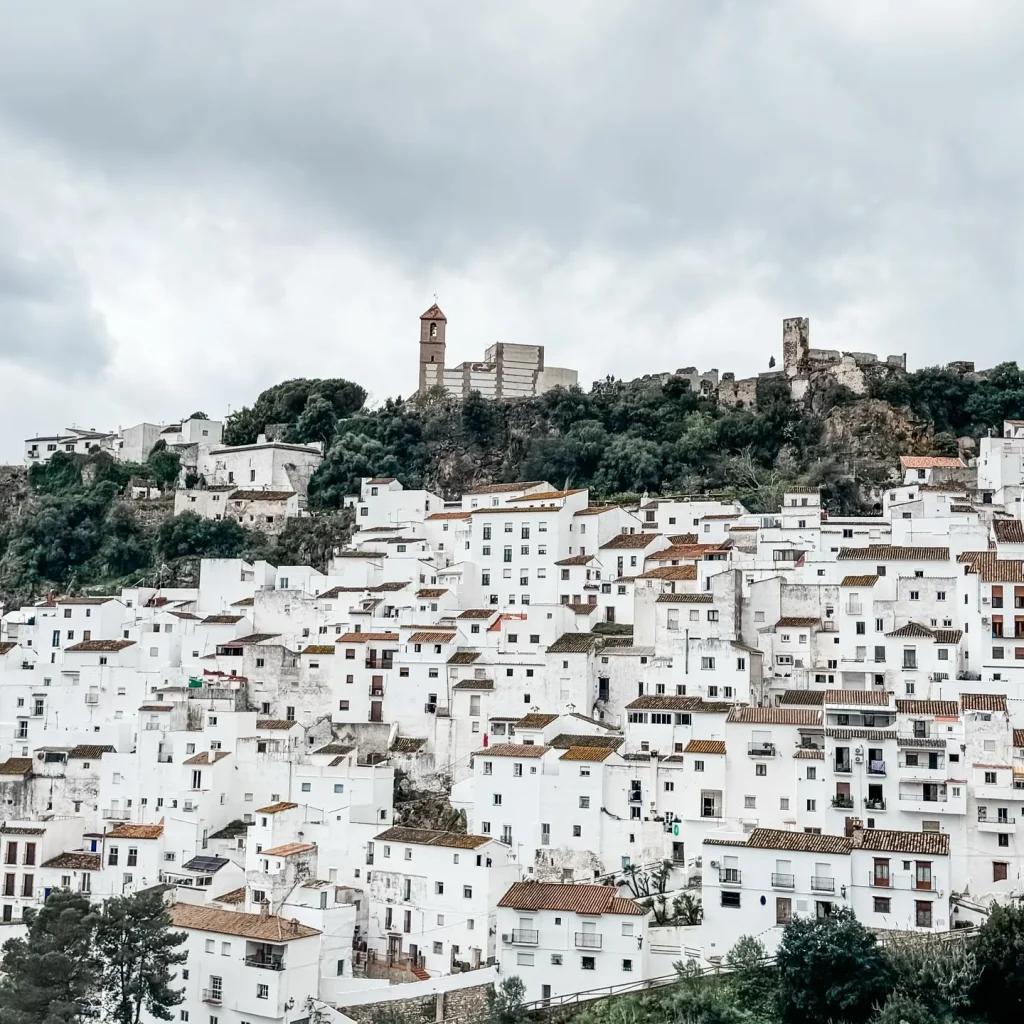
Your road trip finale brings you to a place that defies gravity. Casares clings to a sandstone cliff like a cluster of white barnacles.
It is often called a “hanging village” due to its precarious layout. The transition from the rugged mountains to the coast is visible here.
This destination offers a quieter atmosphere than Ronda. You can hear the church bells echo against the limestone walls as you arrive.
Casares is not just a view; it is a feeling of being suspended between the sky and the sea.
Navigating the Hanging Streets
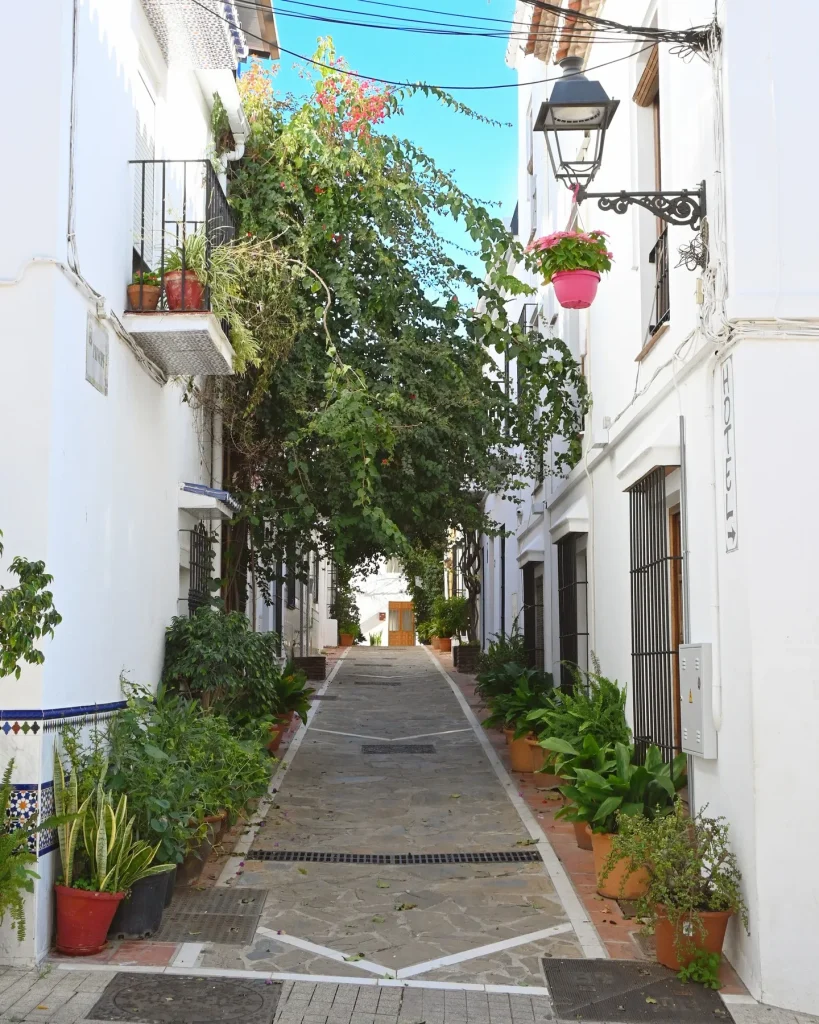
Driving inside the village is a mistake you only make once. The streets are incredibly narrow and steep, often ending in stairs.
Park at the designated welcome center at the bottom. From there, prepare for a steep ascent on foot that rewards you with charm.
If you packed heavy bags, leave them in the trunk. See our carry-on packing guide for tips on traveling light in hilly regions.
The whitewashed houses are stark against the blue sky. You will smell jasmine and woodsmoke drifting from open windows as you climb.
The Summit: Castillo de Casares
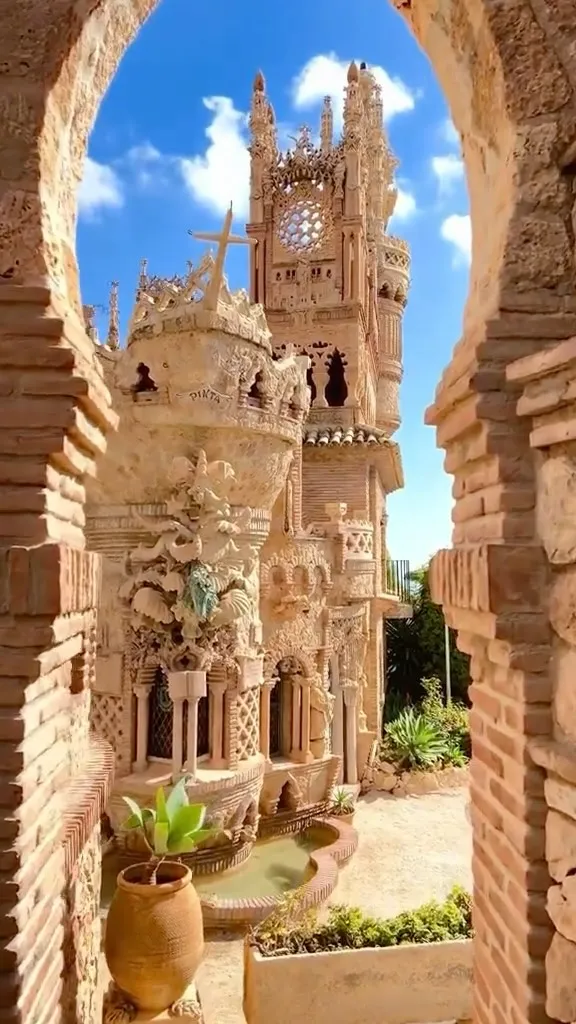
The ruins of the Moorish castle crown the highest point. It was built in the 13th century to watch over the strategic valley below.
Griffin vultures often circle the thermal currents here. Seeing these massive birds glide at eye level is an unforgettable experience.
On clear days, the view stretches to the African coast. You can see the Rock of Gibraltar rising from the mist in the distance.
For the best photograph of the village, stop at the Puerto de las Pedratas pass on the road from Gaucin. The view of Casares clustered against the grey rock is iconic.
Michelin Travel Guide, Casares Review
Planning Your Visit
Casares is small but physically demanding. Use this quick reference guide to plan your final morning on the white village route.
| Activity | Estimated Time | Key Detail |
|---|---|---|
| Castle Hike | 45 Minutes | Steep incline; wear grip shoes. |
| Lunch | 1.5 Hours | Try the local goat cheese. |
| Roman Baths | 1 Hour | Located 10 mins drive downhill. |
| Photography | 30 Minutes | Best light is late afternoon. |
A Final Taste of Andalusia
Before leaving, stop at a local tavern in the plaza. Order a plate of Queso Sierra Crestellina, an artisanal cheese made locally.
This trip ends where the mountains meet the sea. If you are hungry for more city culture next, check out our Barcelona travel itinerary.
Take one last look at the white rooftops. Andalusia has a way of stealing your heart, one narrow alleyway at a time.
Cliffside Charms of Casares
- Park at the welcome center at the base of the village, as the narrow, steep streets are difficult to navigate by car.
- Trek to the 13th-century Castillo de Casares to spot Griffin vultures and enjoy views stretching to Gibraltar and Africa.
- Stop at the Puerto de las Pedratas pass for the best photographic vantage point of the village clinging to the cliff.
- Travel light and wear comfortable shoes, as the town’s vertical layout requires a physically demanding ascent.
The End of the Road: Memories in White
Driving through the Pueblos Blancos is more than just a vacation. It is a journey through history, blinding light, and ancient stone.
From the dizzying cliffs of Arcos to the green valleys of Grazalema, every mile brings a new wonder. The landscapes shift as fast as the culture.
Take your time on the winding roads. Stop for the unexpected views. Taste the local goat cheese and let the slow pace of the south sink in.
This route is a sensory overload in the best way possible. Pack your bags and trust the journey. The white heart of Spain is waiting for you.
Questions From the Road
The inter-town roads are scenic and well-paved. However, historic centers have incredibly narrow streets. Always park on the outskirts to avoid getting stuck.
Spring (April-May) and Autumn (September-October) are perfect. The weather is mild and nature is vibrant. Avoid August, as the inland heat is intense.
Yes, especially in smaller villages like Zahara or Grazalema. These towns have limited inventory and fill up quickly during peak seasons and weekends.
Absolutely. Kids love the castles in majestic settings and the nature trails. Just be prepared for steep walks in the hill towns, so bring a carrier.


