
Table of Contents
- Dunbar’s Close Garden: A Tranquil Parterre Oasis
- Chessel’s Court: An Ivy-Clad Historic Courtyard Escape
- Sandeman House Garden: A Quiet Nook Off the High Street
- Riddle’s Court: A Peaceful Renaissance Enclosure
- Tweeddale Court: A Serene Pocket of Edinburgh History
- Unlocking Edinburgh’s Best-Kept Secrets
- Frequent Explorer Questions: Edinburgh’s Hidden Courtyards
Forget the predictable path.
Even along Edinburgh’s famed Royal Mile, a world of hushed beauty and forgotten tranquillity patiently awaits the curious wanderer.
This guide is your invitation to step off the cobblestones, to dive into the unexpected, and uncover secret oases tucked away from the clamour.
Prepare to see Edinburgh with new eyes, discovering verdant havens and sun-dappled courtyards that few ever find.
As your fellow explorer, I have scoured these ancient closes, uncovering sanctuaries where time dilates and history breathes quietly.
Expect the rustle of leaves, the scent of damp stone, and the unexpected splash of colour amidst historic grey.
Consider this your personal map and practical companion, leading you with precise directions to these enchanting, secluded spots.
A friendly nudge ensures your journey is as smooth as it is magical.
So, let your adventurous spirit take the reins.
With this guide in hand, you are not just visiting. You are truly discovering and respecting the quietude of these local treasures.
Lean in, breathe deep, and let Edinburgh’s hidden heart reveal its timeless charm.
Your secret garden adventure begins now.
The Explorer’s Flash Sheet: Royal Mile Secret Gardens
- Escape the bustling cobblestones into Dunbar’s Close Garden, a free 17th-century parterre oasis where the scent of fragrant herbs and damp earth instantly soothes the adventurous soul.
- Discover the quiet romance of Chessel’s Court, an 18th-century sanctuary draped in iconic heart-shaped ivy that hides the thrilling, dark history of the notorious Deacon Brodie.
- Perfect for solo wanderers needing a mid-itinerary breather; pack a warm cup of tea and let time stand still in these silent, hidden retreats.
- Travel responsibly by carrying out your trash and respecting the serene atmosphere, ensuring these pristine Scottish gems remain undisturbed for future explorers.
Dunbar’s Close Garden: A Tranquil Parterre Oasis
Searching for the best Hidden Gardens and Secret Courtyards the Edinburgh Royal Mile has to offer? Dunbar’s Close Garden is an absolute hidden gem.
Step off the bustling cobblestones into a 17th-century-inspired oasis. The scent of damp earth and fragrant herbs immediately calms the senses.
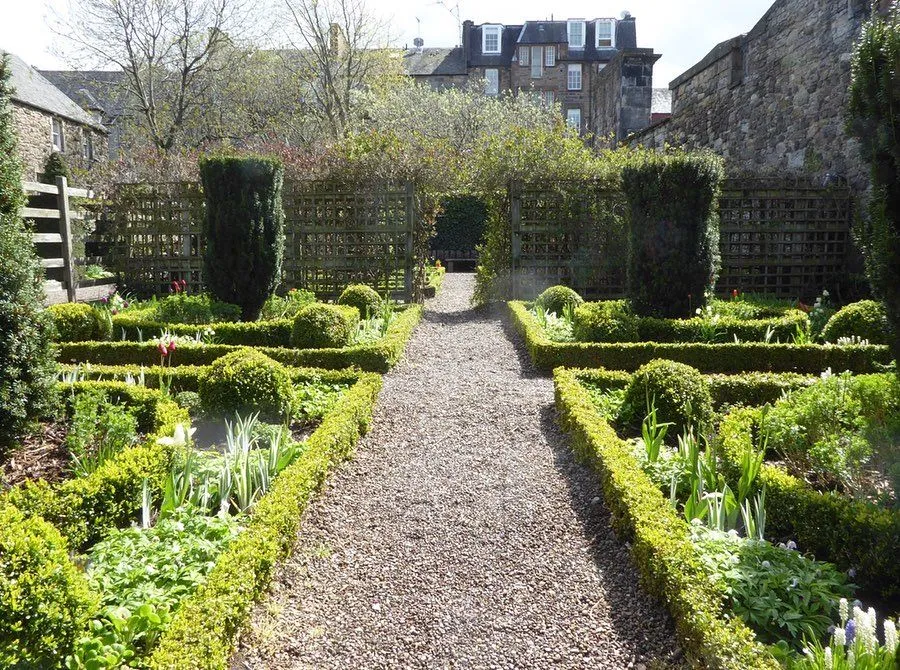
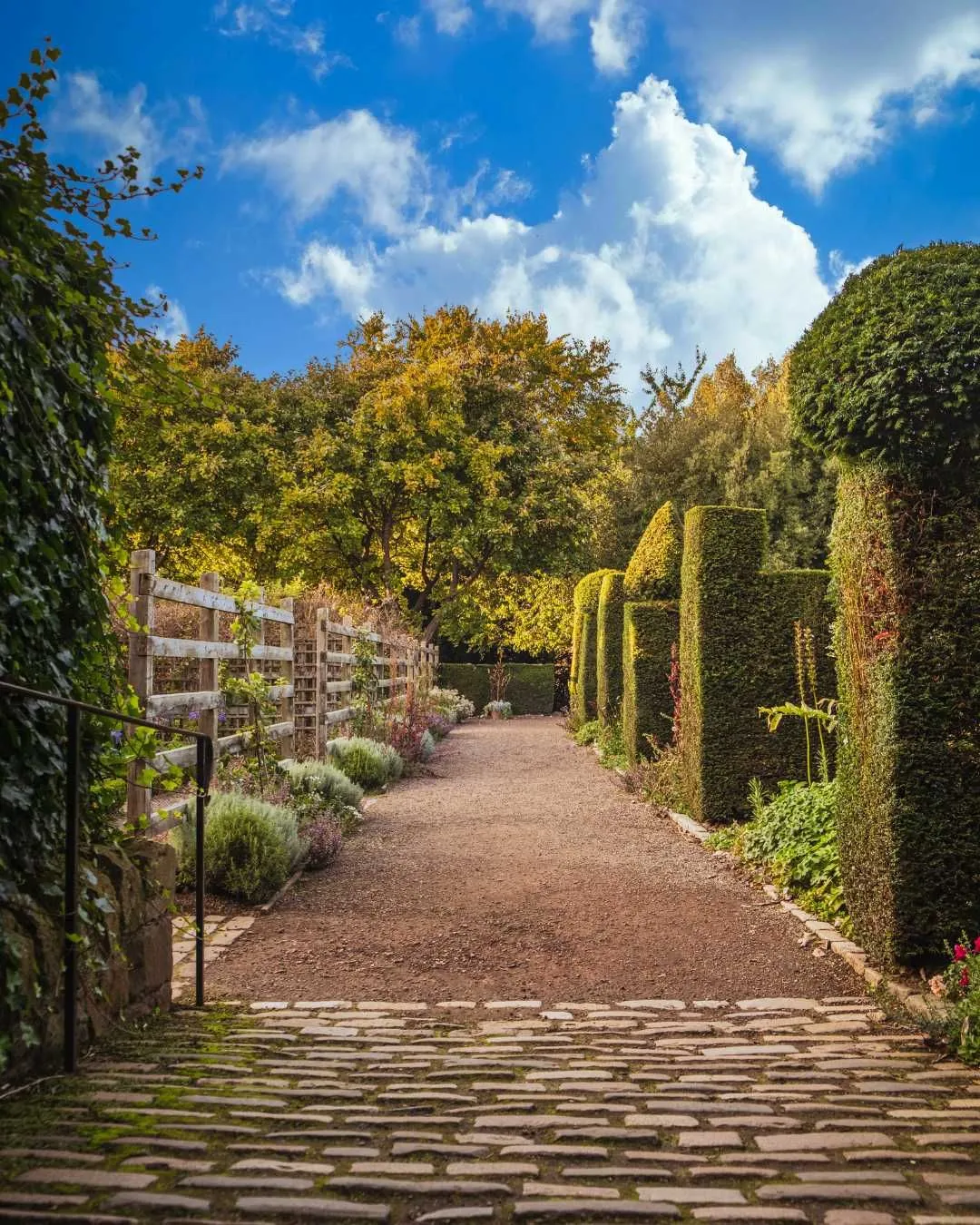
Neatly trimmed parterre hedges form intricate geometric shapes. Towering stone walls block the wind, creating a perfectly silent retreat.
Stepping into Dunbar’s Close is like walking through a portal to 17th-century Edinburgh, where time simply stands still.
Visiting is entirely free. It is open daily from morning until dusk. Please respect the local culture by keeping noise levels down.
After enjoying this peaceful spot, explore authentic local eateries nearby to fuel your ongoing Scottish wanderlust.
Dunbar’s Close is a hidden gem tucked away down a narrow cobbled alley. It has been laid out in the style of a 17th century garden.
VisitScotland, VisitScotland Official Guide
Pack a small picnic or a warm cup of tea. It is a brilliant spot for solo travel readers wanting to rest their feet mid-itinerary.
| Visitor Logistics | Important Details |
|---|---|
| Cost of Entry | ✅ Completely Free |
| Operating Hours | ✅ Open daily from 7:00 AM until dusk |
| Accessibility | ❌ Cobblestones make wheelchair access difficult |
| Atmosphere | ✅ Quiet, serene, and historically accurate |
Since this eco-friendly haven relies on community care, always take your trash with you. Keeping the garden pristine ensures its survival.
For an off-the-beaten-path thrill next, weave this garden into a literary pub tour through the old atmospheric wynds.
Unlocking Dunbar’s Close: A 17th-Century Secret Retreat
- Step into a completely free, 17th-century style parterre garden offering a silent retreat from the bustling Royal Mile.
- Open daily from 7:00 AM until dusk, making it a perfect, tranquil spot for a mid-itinerary picnic or quiet solo break.
- Be aware that the historic cobblestone pathways make wheelchair accessibility challenging.
- Help preserve this eco-friendly haven by respecting the serene atmosphere and taking all trash with you.
🌲 Dunbar’s Close Garden
Free
17th-century Garden: A peaceful 17th-century-inspired oasis featuring neatly trimmed parterre hedges and a silent retreat from the Royal Mile.
- Intricate geometric parterre hedges
- Authentic 17th-century layout
- Secluded stone-walled atmosphere
Chessel’s Court: An Ivy-Clad Historic Courtyard Escape
Step away from the noisy Royal Mile and into a quiet 18th-century sanctuary. Chessel’s Court offers a sudden, peaceful drop in city volume.
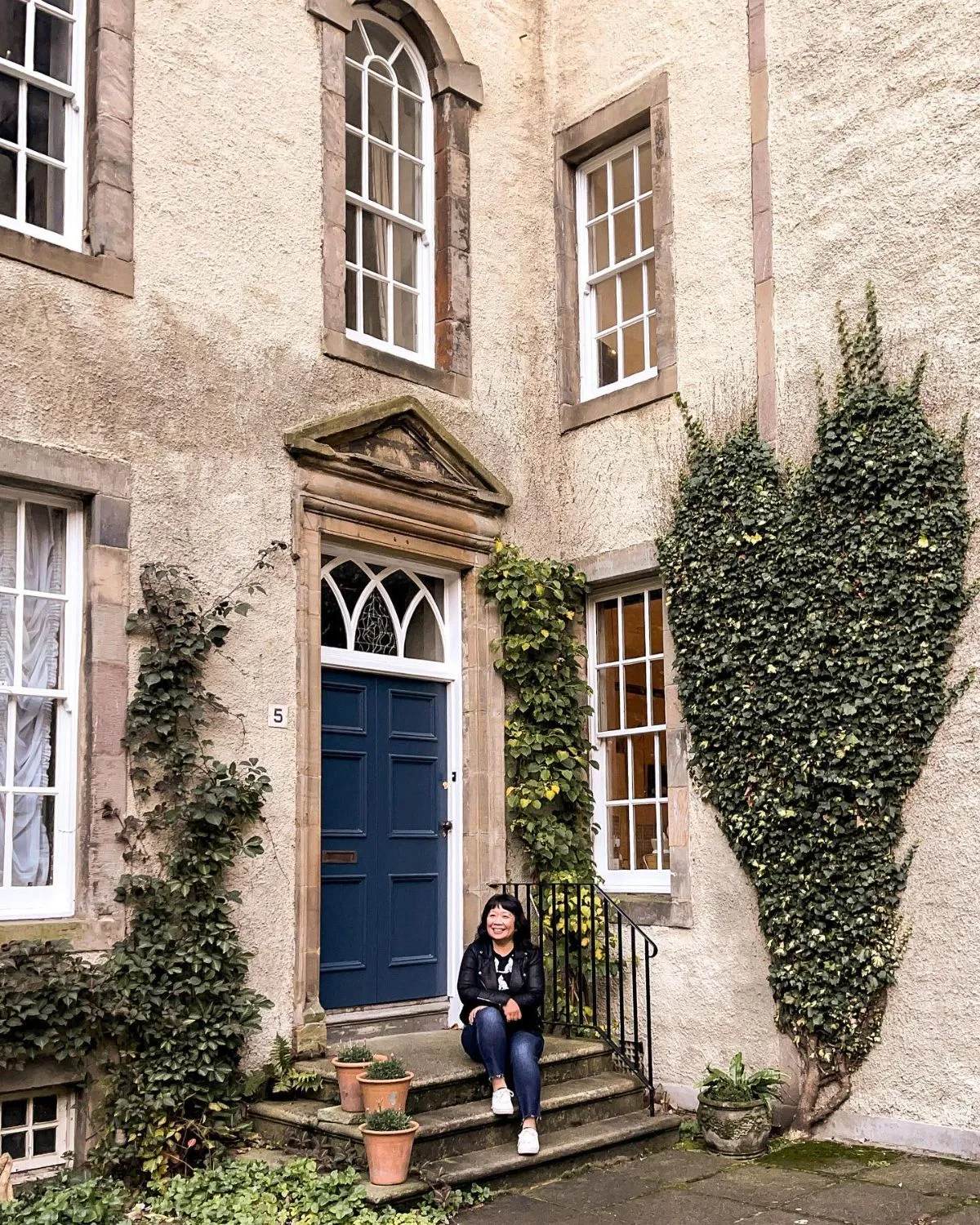
The scent of damp stone and fresh green leaves fills the air here. You will immediately notice the iconic heart-shaped ivy climbing the walls.
Find the ivy heart of Chessel’s Court, where Edinburgh’s bustling history fades into a quiet, romantic whisper.
This gorgeous courtyard hides a thrilling and dark past. It was the site of the final robbery by Deacon Brodie, a notorious local figure.
Brodie lived a double life that inspired a famous gothic novel. Fans often explore this area on a self-guided Edinburgh literary pub tour.
Chessel’s Court remains one of the most atmospheric enclosures on the Royal Mile, blending dark history with striking architectural romance.
Edinburgh World Heritage, Canongate Street Stories
This courtyard contains private residential flats. Travelers must maintain respectful noise levels and avoid blocking doorways for photos.
🗽 Chessel’s Court
Free
Ivy-Clad Courtyard: An 18th-century sanctuary known for its romantic ivy heart and its connection to the notorious Deacon Brodie.
- Iconic heart-shaped climbing ivy
- Site of Deacon Brodie’s final robbery
- Quiet 18th-century residential architecture
Practical Visitor Information
- Location: Near the lower end of the Canongate area.
- Entry Fee: Completely free and open to the public daily.
- Best Time to Visit: Early morning for perfect, quiet lighting.
- Accessibility: The ground is paved but can be slightly uneven.
After exploring this off-the-beaten-path gem, you might feel hungry. Grab a bite at nearby budget-friendly authentic local eateries.
Chessel’s Court Highlights
- Escape the bustling Royal Mile to find a quiet 18th-century courtyard famous for its climbing heart-shaped ivy.
- Discover the site’s dark history as the location of notorious local figure Deacon Brodie’s final robbery.
- Visit in the early morning for the best photography lighting and a truly peaceful atmosphere.
- Enjoy completely free entry to this hidden gem, but remember to respect the privacy of the local residents.
Sandeman House Garden: A Quiet Nook Off the High Street
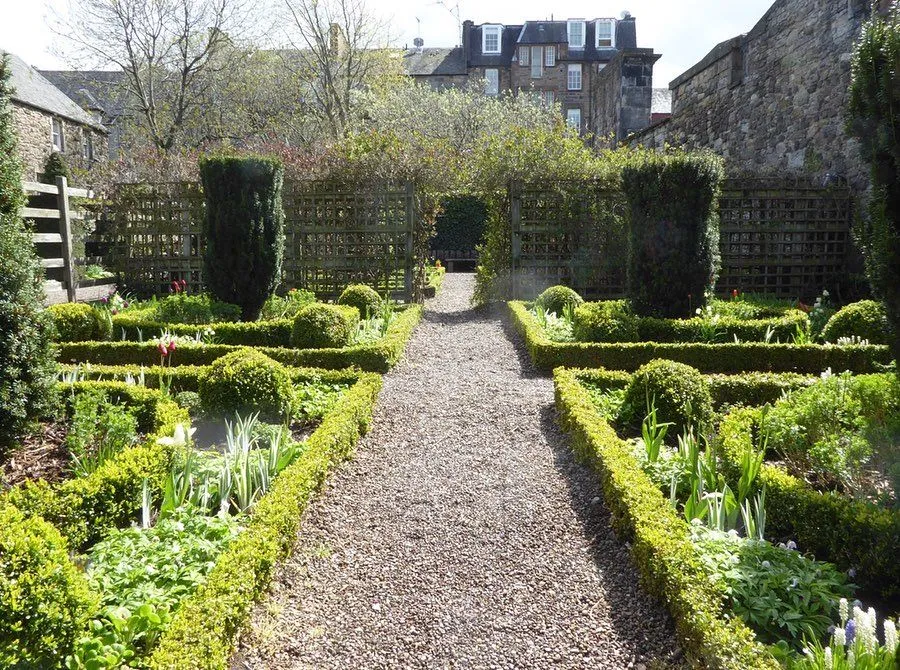
Tucked away down historic Trunk’s Close, Sandeman House Garden is a true hidden gem. It offers a quiet escape from the busy city centre.
The scent of damp stone and fresh greenery welcomes you here. The bustling noises of the High Street fade away almost instantly.
This paved courtyard perfectly blends medieval architecture with sustainable travel ideals. It features eco-friendly planters and native shrubs.
Home to the Scottish Book Trust, the atmosphere feels deeply intellectual. It is an inspiring spot for any creative backpacker or digital nomad.
Sandeman House Garden is where the chaotic energy of the Royal Mile dissolves into peaceful silence.
🎨 Sandeman House Garden
Free
Literary Garden: A leafy, sustainable courtyard hidden down Trunk’s Close and home to the Scottish Book Trust.
- Headquarters of the Scottish Book Trust
- Eco-friendly planters and native shrubs
- Secluded literary atmosphere near John Knox House
Locating This Literary Haven
Finding the entrance requires a keen eye. Look for the small sign for Trunk’s Close near the iconic John Knox House.
Walk down the narrow stone passageway. You will soon emerge into a bright, leafy courtyard that feels entirely secluded.
Practical Logistics for Visitors:
- Opening Hours: The garden is free to enter and accessible during daylight hours.
- Accessibility: The courtyard is paved, making it easier to navigate than older cobblestone alleys.
- Local Culture: This is a working office space. Please keep noise levels low to show respect.
- Facilities: There are no public restrooms here. Plan your itinerary accordingly.
Edinburgh’s closes hide some of the most tranquil pocket gardens, where the city’s frantic pace simply vanishes.
Hidden Scotland Guide, Hidden Scotland
If you love off-the-beaten-path spots, this garden will undoubtedly inspire your wanderlust. It is the perfect preamble to exploring more.
You can easily expand your authentic adventure by discovering lesser-known castles near Edinburgh.
Take a moment to sit on one of the wooden benches. Enjoy the local culture and let the rich history of the Royal Mile wash over you.
At a Glance: Sandeman House Garden
- Tucked away in Trunk’s Close near the Royal Mile, this hidden garden provides a peaceful escape from the busy city center.
- As the home of the Scottish Book Trust, the courtyard offers a quiet, literary atmosphere perfect for creative inspiration.
- The garden is free to enter during daylight hours and features paved surfaces for better accessibility compared to nearby cobblestones.
- Visitors should remain quiet and respectful of the surrounding office spaces and note that no public restrooms are available on-site.
Riddle’s Court: A Peaceful Renaissance Enclosure
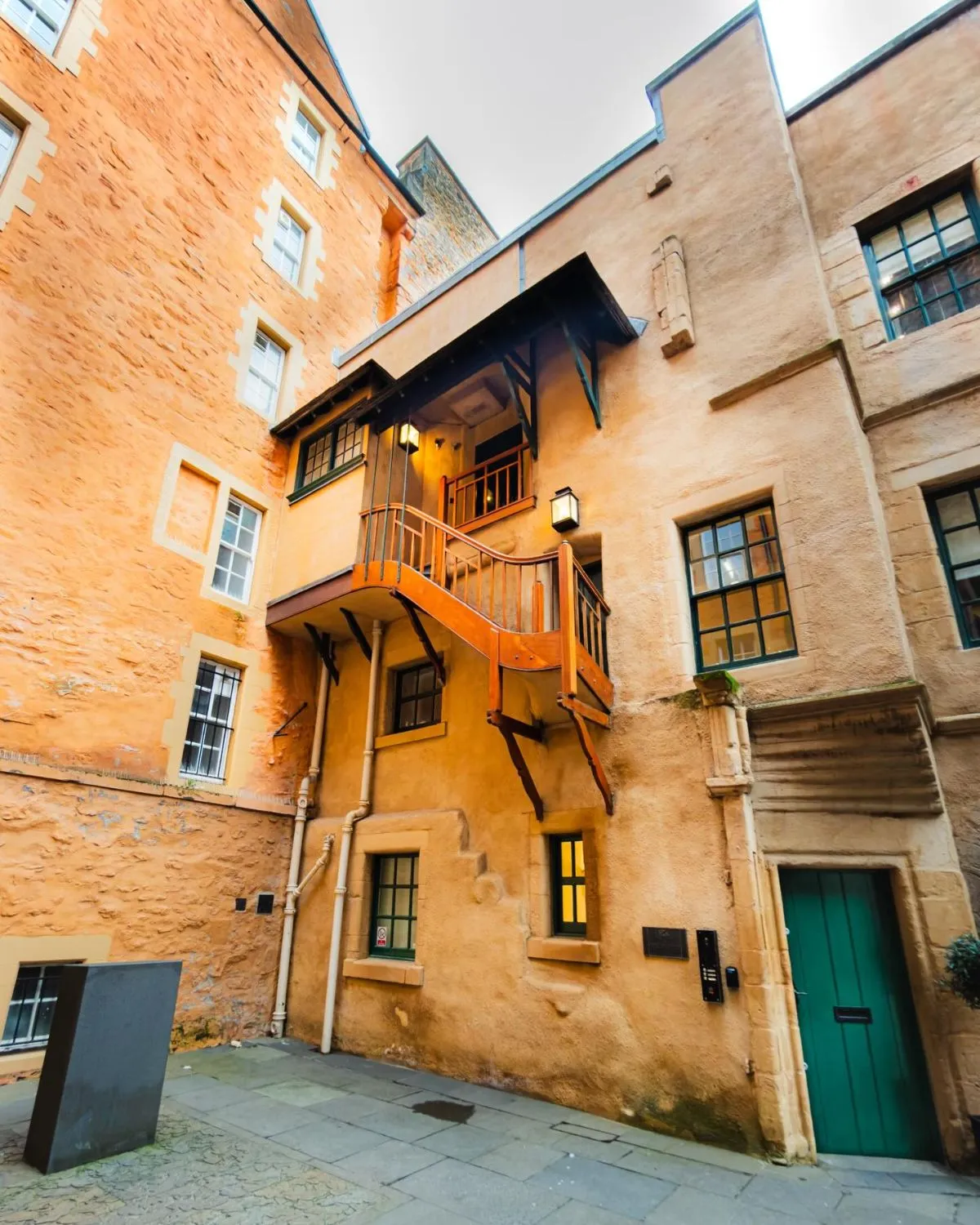
Stepping through the narrow archway near the Lawnmarket reveals a remarkable hidden gem. The noise of the busy Royal Mile fades instantly.
You are greeted by an exquisite 16th-century courtyard. Golden sunlight warms the ancient stone walls and historic timber galleries.
The scent of damp earth and aged masonry fills the air. It feels like a true off-the-beaten-path discovery right in the city centre.
Originally built for an aristocratic merchant, this enclosure features stunning Renaissance architecture. Notice the painted ceilings above.
Love this hidden gem? Try our Dublin hidden gems itinerary next.
Riddle’s Court is a unique survival of a sixteenth-century courtyard house set behind the Royal Mile.
Official Guide, Scottish Historic Buildings Trust
When visiting, always respect the local culture. The site functions as a learning centre, so please keep your noise levels down.
Entry to the main courtyard is free during daylight hours. Guided tours are often available for a small fee if you book in advance.
- Beam Ceilings: Look up to see intricately painted 16th-century wooden beams.
- Macmurdo House: Admire the projecting timber front of this classic merchant home.
- Royal Details: Spot the historic crests from King James VI grand banquets.
Fuel your wanderlust by stepping through a stone portal into the peaceful magic of Renaissance Scotland.
Riddle’s Court: Renaissance Secrets
- Tucked away near the Lawnmarket, this peaceful 16th-century courtyard offers an immediate escape from the Royal Mile’s bustle.
- The site is a masterpiece of Renaissance architecture, featuring historic timber galleries and rare, intricately painted wooden beam ceilings.
- Entry to the courtyard is free during daylight hours, but visitors are asked to remain quiet as the building functions as a learning center.
- Key architectural highlights include the projecting timber front of Macmurdo House and historic royal crests from the era of King James VI.
🏛️ Riddle’s Court
Free
Renaissance Courtyard: A rare 16th-century merchant’s courtyard featuring stunning Renaissance architecture and historic timber galleries.
- Intricately painted 16th-century beam ceilings
- Projecting timber front of Macmurdo House
- Historic royal crests from King James VI banquets
Tweeddale Court: A Serene Pocket of Edinburgh History
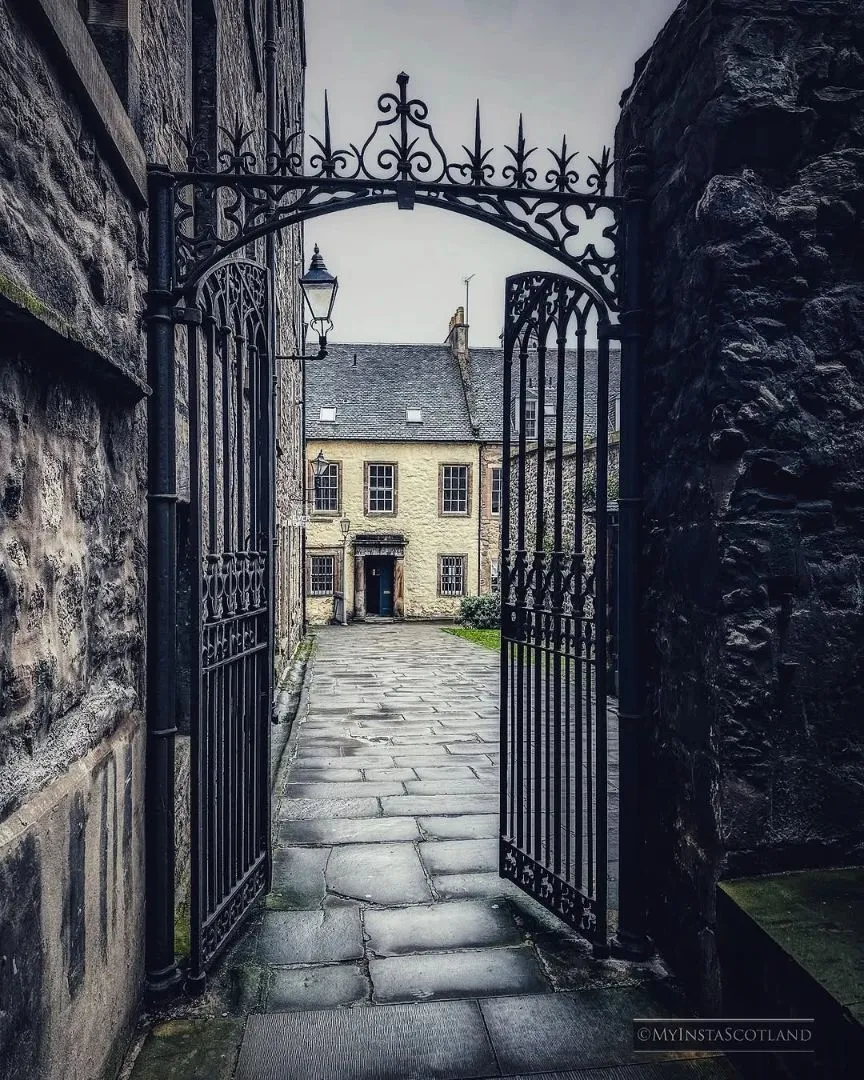
Stepping off the bustling High Street into Tweeddale Court feels magical. The sudden quiet is startling as you leave the crowds behind.
This off-the-beaten-path alleyway is a true hidden gem. Weathered sandstone walls rise high above, casting cool and inviting shadows.
The scent of damp stone and faint espresso from nearby cafes fills the air. You can almost hear the rustle of old paper from its past.
Once home to the Oliver and Boyd publishing firm, this courtyard is steeped in literary history. It is a haven to satisfy your wanderlust.
Wandering through Tweeddale Court, the echoing cobblestones whisper tales of an Edinburgh long forgotten.
🏛️ Tweeddale Court
Free
Historic Alleyway: A serene pocket of history with weathered sandstone walls, once home to a famous publishing firm.
- Steeped in literary publishing history
- Impressive high-rising sandstone walls
- Atmospheric transition from the busy High Street
A Glimpse Into a Darker Past
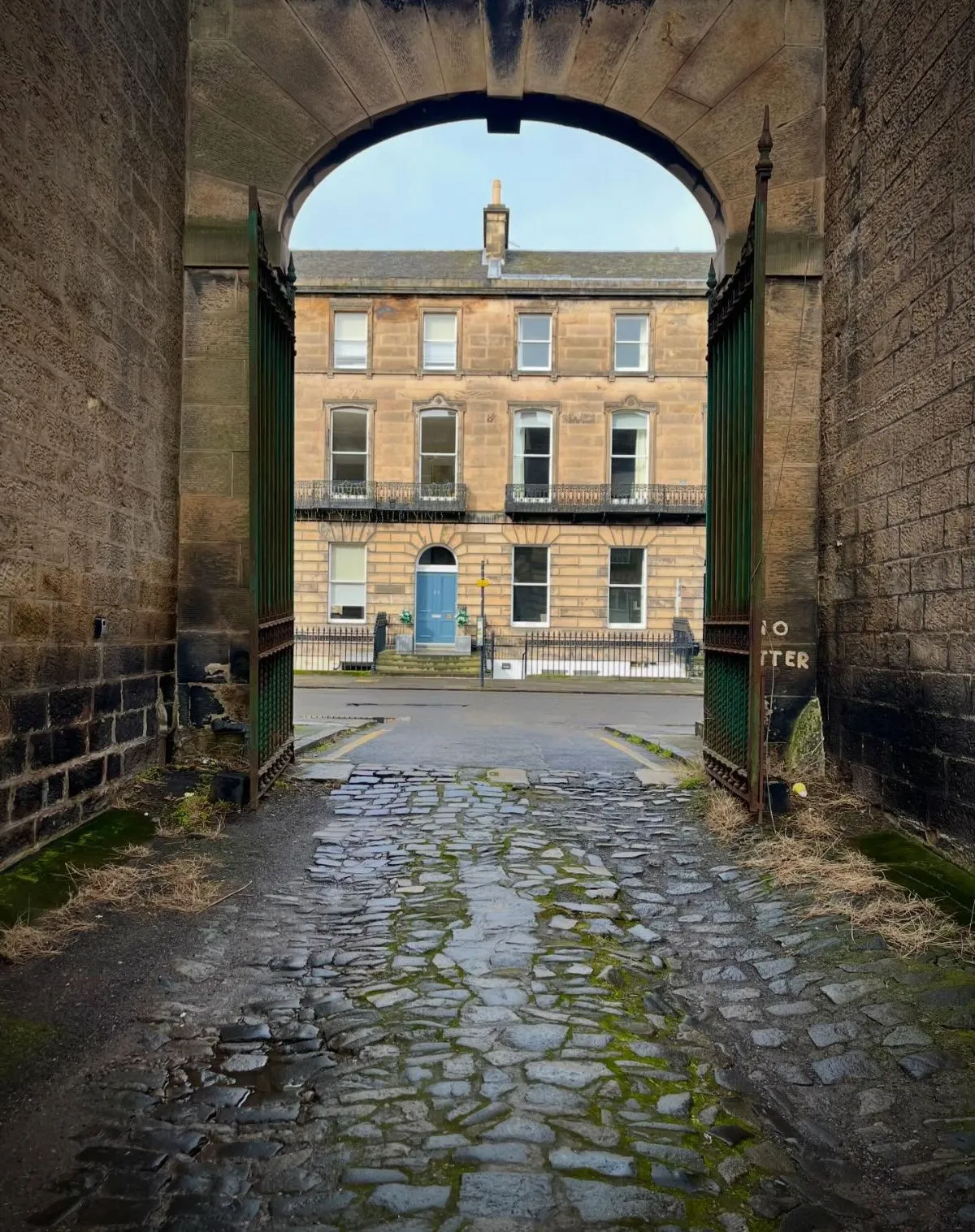
Despite its current peaceful atmosphere, local culture notes a darker history. The courtyard was the site of a famous unsolved mystery.
In 1806, bank messenger William Begbie was robbed and met a grim fate here. The tight, enclosed architecture made it a perfect trap.
Today, the space is perfectly safe for a solo travel adventure. Just remember to be mindful of residents who still live and work here.
Tweeddale Court remains one of the city’s most evocative spaces, forever shadowed by the unsolved murder of William Begbie.
Mercat Tours Guide, Mercat Tours Edinburgh Blog
Essential Planning Logistics
Travelers need practical facts for a smooth journey. Tweeddale Court is completely free to enter and requires no advance tickets.
For your itinerary, here are the vital details to ensure a safe and respectful visit to this historic enclave.
- Cost: Free public access year-round.
- Opening Hours: Open 24 hours, but daylight visits are best for photography.
- Accessibility: The ground features uneven, historic cobblestones.
- Footwear: Flat, comfortable walking shoes are highly recommended.
- Safety: Well-lit during the day, but always travel with awareness.
For more history, check out the Best Lesser-Known Castles Near Edinburgh Accessible by Public Transport.
After your visit, seek out another quiet escape. The Water of Leith Walkway: Self-Guided Exploration Beyond Dean Village is beautiful.
At a Glance: Exploring Tweeddale Court
- Located just off Edinburgh’s High Street, this hidden courtyard offers a serene escape from the city’s bustling crowds.
- The site carries a rich literary legacy as the former headquarters of the Oliver and Boyd publishing firm.
- History enthusiasts can explore the location of a notorious 1806 cold case involving the unsolved murder of William Begbie.
- Access is free and open 24/7, but sturdy footwear is recommended to navigate the historic and uneven cobblestone ground.
Unlocking Edinburgh’s Best-Kept Secrets
Leaving the bustling Royal Mile behind reveals Edinburgh’s true magic. These hidden gardens and secret courtyards offer an unforgettable retreat.
From the manicured 17th-century hedges of Dunbar’s Close to the ivy-clad walls of Chessel’s Court, history whispers in every quiet corner.
Next time you wander the cobbled streets, keep an eye out for those narrow wynds and closes. Your next great adventure might just be steps away.
Frequent Explorer Questions: Edinburgh’s Hidden Courtyards
Yes, almost all hidden gardens, including Dunbar’s Close and Chessel’s Court, are entirely free to enter and enjoy at your leisure.
Early morning or late afternoon is perfect. The soft light makes the ancient stones glow, and you will likely have these quiet spaces all to yourself.
Accessibility varies. While some courtyards are flat, many historic wynds and closes feature steep inclines, uneven cobblestones, and narrow entrances.
The famous heart-shaped ivy is beautifully draped across the historic stone walls inside Chessel’s Court, just a short walk off the Royal Mile.


