
Are you tired of cityscapes and yearning for a journey back in time, a place where cobblestones whisper tales of old, and history isn’t just observed but truly felt?
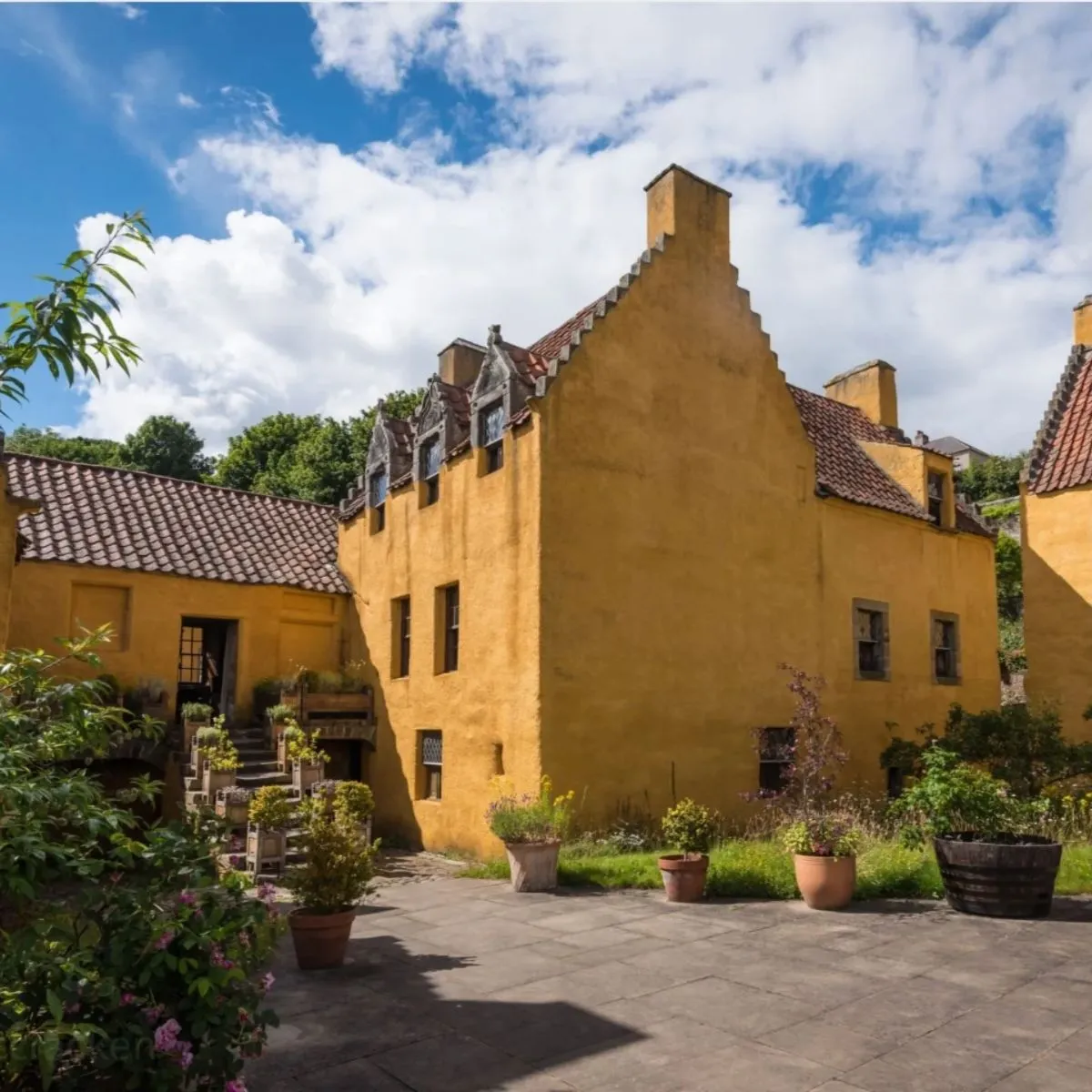
Imagine swapping the urban bustle of Edinburgh for a vibrant, perfectly preserved 17th-century village that time forgot.
This isn’t just a trip; it’s an adventure into Scotland’s heart, an invitation to unearth a living museum nestled on the Fife coast.
But here’s the best part: you don’t need a car to unlock this magic.
Forget parking woes and embrace the rhythmic hum of a bus or the gentle sway of a train journey, allowing the landscapes to unfold before you.
Our car-free guide to Culross Village transforms travel into part of the discovery.
It lets you arrive refreshed and ready to soak in the distinct aroma of salt air mingling with ancient stone, and the vibrant ochre hues that define this charming hamlet.
Consider this your well-thumbed travel companion, meticulously crafted to ensure every step from Edinburgh to Culross is as seamless as it is exhilarating.
We’ll navigate the routes, share the insider tips, and empower you to explore with confidence.
This leaves you free to savor every sight, sound, and story of this remarkable Scottish gem.
Get ready to collect memories, not just souvenirs, on an unforgettable day out.
The Cobblestone Compass: Culross at a Glance
- Trade the city bustle for a scenic 30-minute rail journey from Waverley, soaring over the red steel of the iconic UNESCO Forth Bridge toward Dunfermline City.
- Seamlessly transition to the Stagecoach 8 or 8A bus for a reliable, scenic ride through rolling farmlands and coastal views directly to the Culross village green.
- Navigate like a seasoned explorer by securing an Off-Peak Day Return ticket for roughly ten pounds and utilizing contactless payments for a frictionless bus transfer.
- Step off the bus and into a living film set where the salty sea air meets whitewashed walls and the quiet, 17th-century soul of the Kingdom of Fife.
Navigate from Edinburgh via Train and Bus

Leaving Edinburgh for Culross is simple without a vehicle. This route pairs a historic rail crossing with a scenic coastal bus ride through the Kingdom of Fife.
If you enjoy car-free coastal day trips from Edinburgh, this journey will feel familiar and rewarding.
Morning
Board Train at Waverley Station
Take a train bound for Dunfermline City; buy an Off-Peak Return for about £10.
30 mins
Cross the Forth Bridge
Enjoy views of the UNESCO rail bridge from the train.
Arrival
Transfer to Stagecoach Bus
Walk 5 minutes from Dunfermline City station to the bus station for the 8 or 8A bus.
30 mins
Arrive at Culross Village Green
Pay via contactless card on the bus.
Boarding the Train at Waverley Station
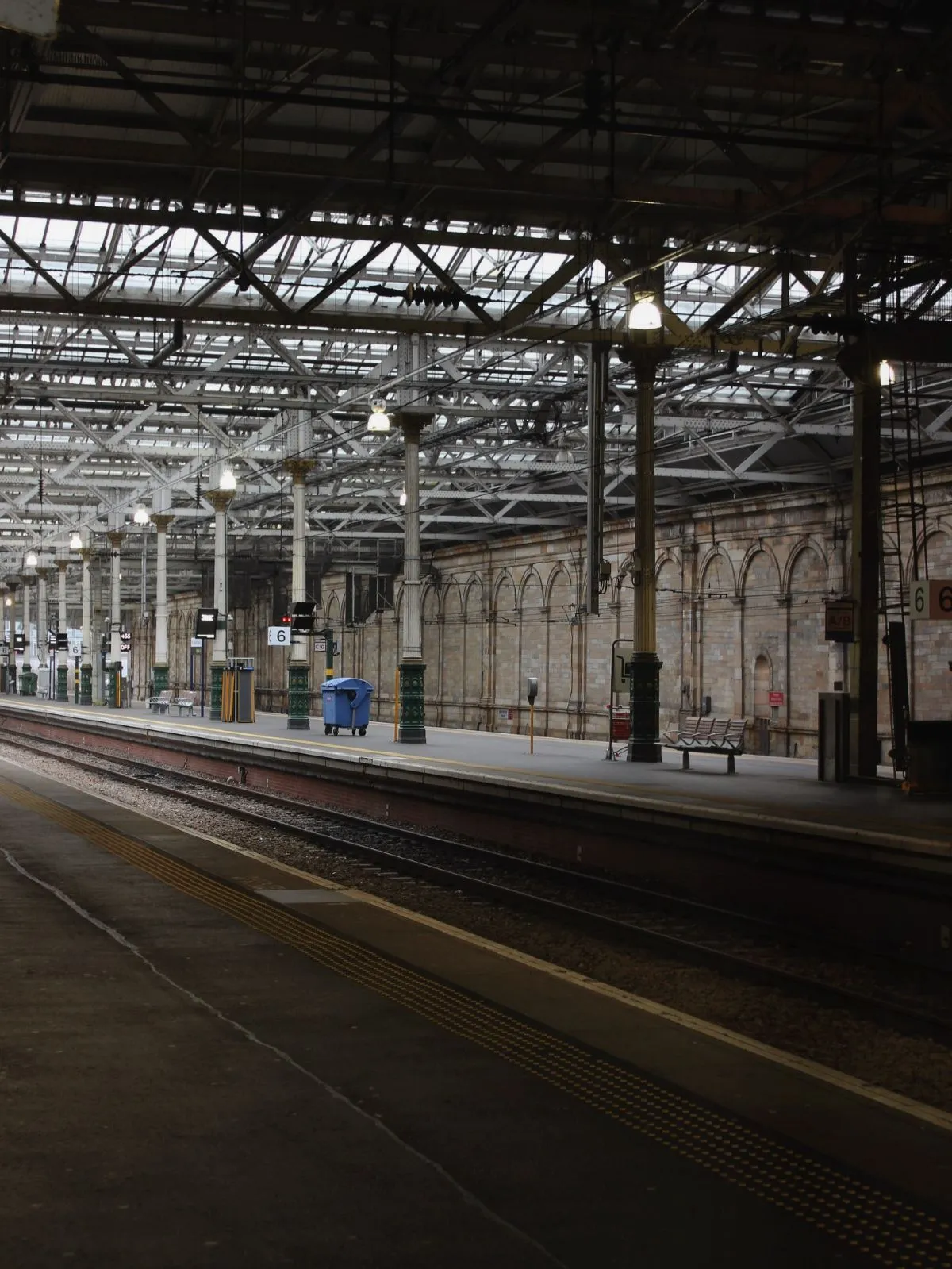
Begin at Waverley Station in the heart of the city. Board a train bound for Dunfermline City. These services run frequently throughout the day.
Before departing, grab a snack from budget-friendly authentic local eateries in Edinburgh near the station entrance.
The highlight is crossing the Forth Bridge. Its red steel beams look like industrial lace against the blue waters of the Firth. It is a UNESCO site.
Trains leave roughly every thirty minutes. Buy an Off-Peak Day Return for the best value. This ticket usually costs around ten pounds for the round trip.
Every mile on the train away from Edinburgh brings you closer to the quiet, cobblestone soul of Culross.
🗽 Waverley Station
Free
Main Transport Hub: Edinburgh’s central railway station and the starting point for the day trip.
- Located in the heart of the city
- Frequent services to Dunfermline City
- Near budget-friendly local eateries
🗽 Forth Bridge
Free
UNESCO World Heritage Site: An iconic red steel cantilever bridge crossed during the rail journey to Fife.
- UNESCO World Heritage designation
- Industrial lace design against the Firth
- Visible from the train window
Connecting via the Stagecoach Bus

Once you reach Dunfermline City station, follow the signs to the bus station. It is a short five-minute walk through the historic town center.
Look for the Stagecoach 8 or 8A bus. This service travels toward Kincardine or Alloa. It stops directly at the Culross village green.
The bus ride takes about thirty minutes. You will pass through quiet farmland and catch glimpses of the sea. Tap your contactless card for easy payment.
Public transport in Fife is incredibly reliable, making it easy to hop between historic sites without the stress of narrow village roads.
VisitScotland, Official Tourism Board
Always check the final bus return time. Services can be less frequent on Sundays. Cultural respect is key; keep noise levels low while waiting in the village.
| Segment | Transport Mode | Ease of Use |
|---|---|---|
| Waverley to Dunfermline | ScotRail Train | ✅ High |
| Bus Station Transfer | Walking | ✅ Easy |
| Dunfermline to Culross | Stagecoach Bus | ✅ Reliable |
The smell of salty sea air greets you as you step off the bus. The village looks like a film set with its whitewashed walls and red tiles.
Quick Guide: Rail and Bus to Culross
- Depart from Waverley Station for Dunfermline City to enjoy views of the UNESCO-listed Forth Bridge.
- Walk five minutes to the Dunfermline bus station to catch the Stagecoach 8 or 8A service.
- Use an Off-Peak Day Return train ticket and contactless payment on the bus for the best value.
- Check return schedules in advance, especially on Sundays when bus services are less frequent.
Tour the Restored Rooms of Culross Palace
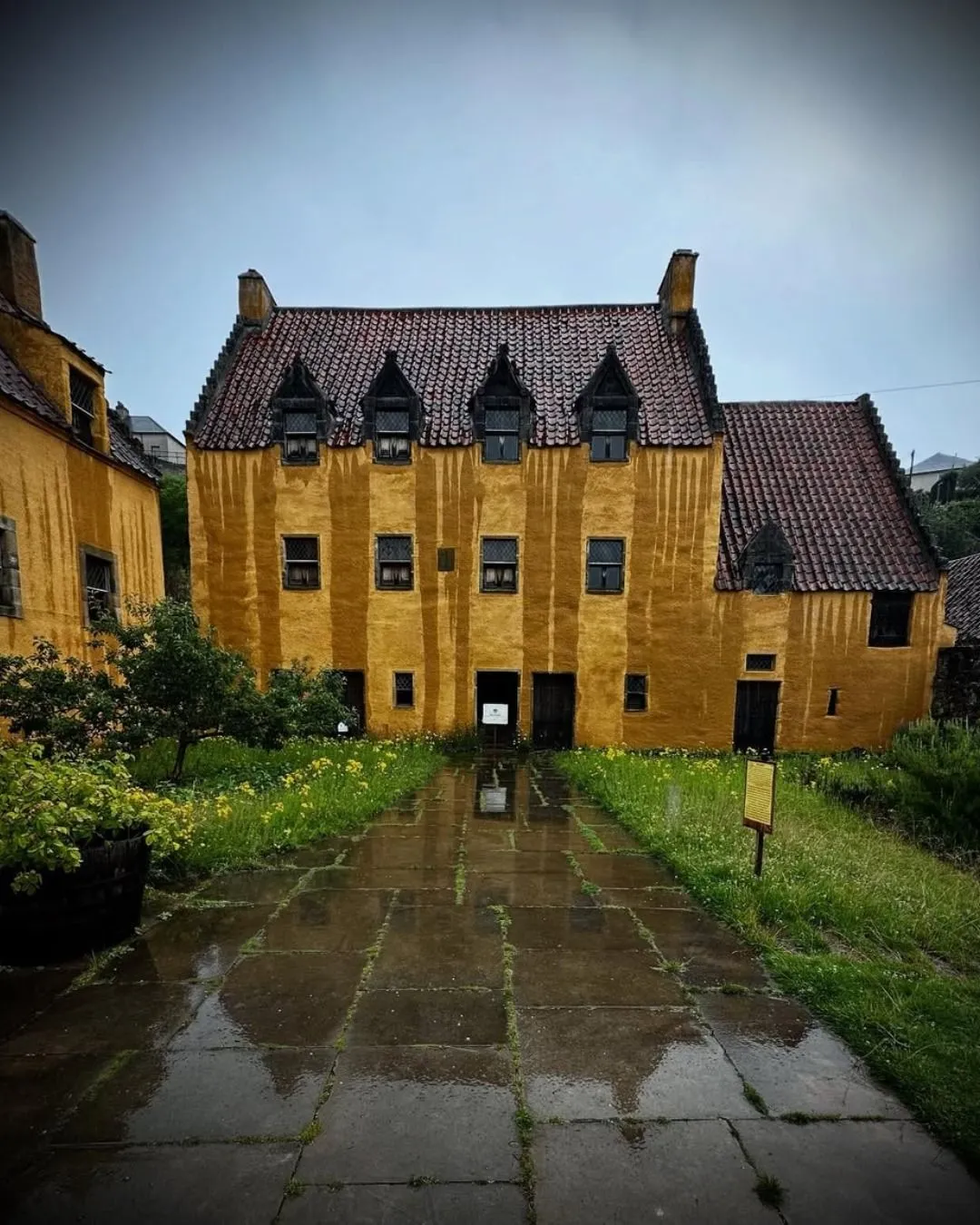
The palace glows with a bright ochre lime wash. This color protected the stone from coastal salt. It was built by Sir George Bruce, a wealthy coal merchant.
Inside, the smell of beeswax and aged wood is strong. The low ceilings and pine paneling create a cozy vibe. It is a portal to the late 1500s.
Culross Palace is one of the most complete examples of a 17th-century merchant’s house in Scotland, with its original painted ceilings.
National Trust for Scotland, Official Culross Palace Guide
🏛️ Culross Palace
Entry: £10
17th-century Merchant’s House: A restored ochre-colored palace built by wealthy coal merchant Sir George Bruce.
- Bright ochre lime wash finish
- Complete example of a 17th-century house
- Managed by the National Trust for Scotland
2 Hours
Tour Culross Palace
Visit the Painted Chamber, Strong Room, and Kitchen.
1 Hour
Walk through Mercat Cross Square
Observe the harling and marriage stones on the cottages.
1 Hour
Climb to Culross Abbey
Explore the ruins and the active choir section on the hill.
Whispering Painted Ceilings
The Painted Chamber is the crown jewel of the house. Look up to see delicate tempera paintings on the wood. These illustrate moral lessons and biblical scenes.
The colors remain surprisingly vivid after centuries. Artists used natural pigments like charcoal and ochre. It is a rare glimpse into Renaissance interior design.
Walking through Culross Palace feels like stepping directly into a living portrait of Scotland’s golden age of trade.
If you enjoy this historic atmosphere, you should explore other lesser-known castles near Edinburgh. Many are just as easy to reach without a car.
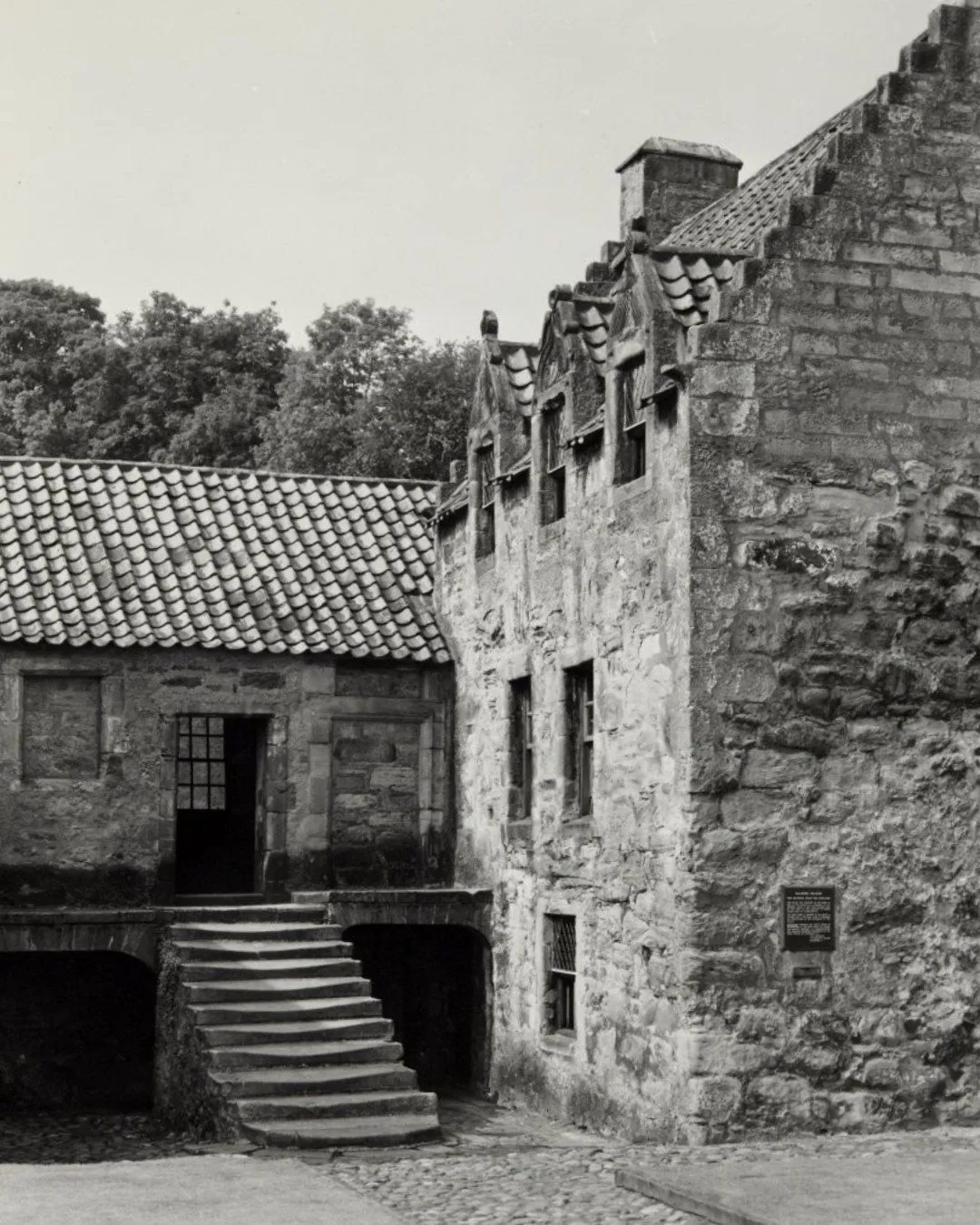
🎨 The Painted Chamber
Included in Entry
Renaissance Art: The crown jewel of Culross Palace featuring delicate tempera paintings on wood.
- Vivid colors from natural pigments like charcoal and ochre
- Illustrates moral lessons and biblical scenes
- Rare example of Renaissance interior design
The Strong Room and Kitchen
The Strong Room features a heavy iron door. This was Sir George Bruce’s vault. It kept his ledger books safe from fire and potential thieves.
In the kitchen, you can see the massive stone fireplace. Imagine the heat and the scent of roasting meats. It was the heart of this busy merchant household.
| Feature | Description |
|---|---|
| Painted Chamber | 17th-century tempera ceiling art |
| Strong Room | Fire-safe vault with iron doors |
| The Kitchen | Original stone hearth and iron pots |
Entry fees are approximately ten pounds for adults. National Trust for Scotland members enter for free. Check seasonal opening hours before your journey.
After your tour, you might feel hungry. There are many budget-friendly eateries in Edinburgh to visit when you return by bus.
Always respect the fragile interiors by not touching the walls. The narrow staircases require caution. Wear sturdy shoes for the uneven stone floors.
Inside Culross Palace
- Marvel at the rare 17th-century tempera ceiling paintings in the Painted Chamber, which depict moral and biblical scenes.
- Explore the merchant’s Strong Room, a historical vault featuring a heavy iron door used to protect trade ledgers.
- See the authentic stone hearth in the kitchen, offering a glimpse into the daily life of a busy 1500s household.
- Observe the unique ochre lime wash exterior, a traditional coastal protection method that gives the building its distinct color.
🏛️ The Strong Room
Included in Entry
Merchant’s Vault: Sir George Bruce’s vault featuring a heavy iron door to protect his ledgers.
- Fire-safe construction with iron doors
- Original vault used for business security
- Located within Culross Palace
🏛️ The Kitchen at Culross Palace
Included in Entry
16th-century Kitchen: The heart of the merchant household featuring a massive original stone fireplace.
- Original stone hearth
- Period-accurate iron pots
- Historical domestic atmosphere
Explore the Historic Mercat Cross Square
Stepping into the square, the modern world fades. The scent of salt air from the Forth mixes with the faint aroma of damp earth and ancient stone.
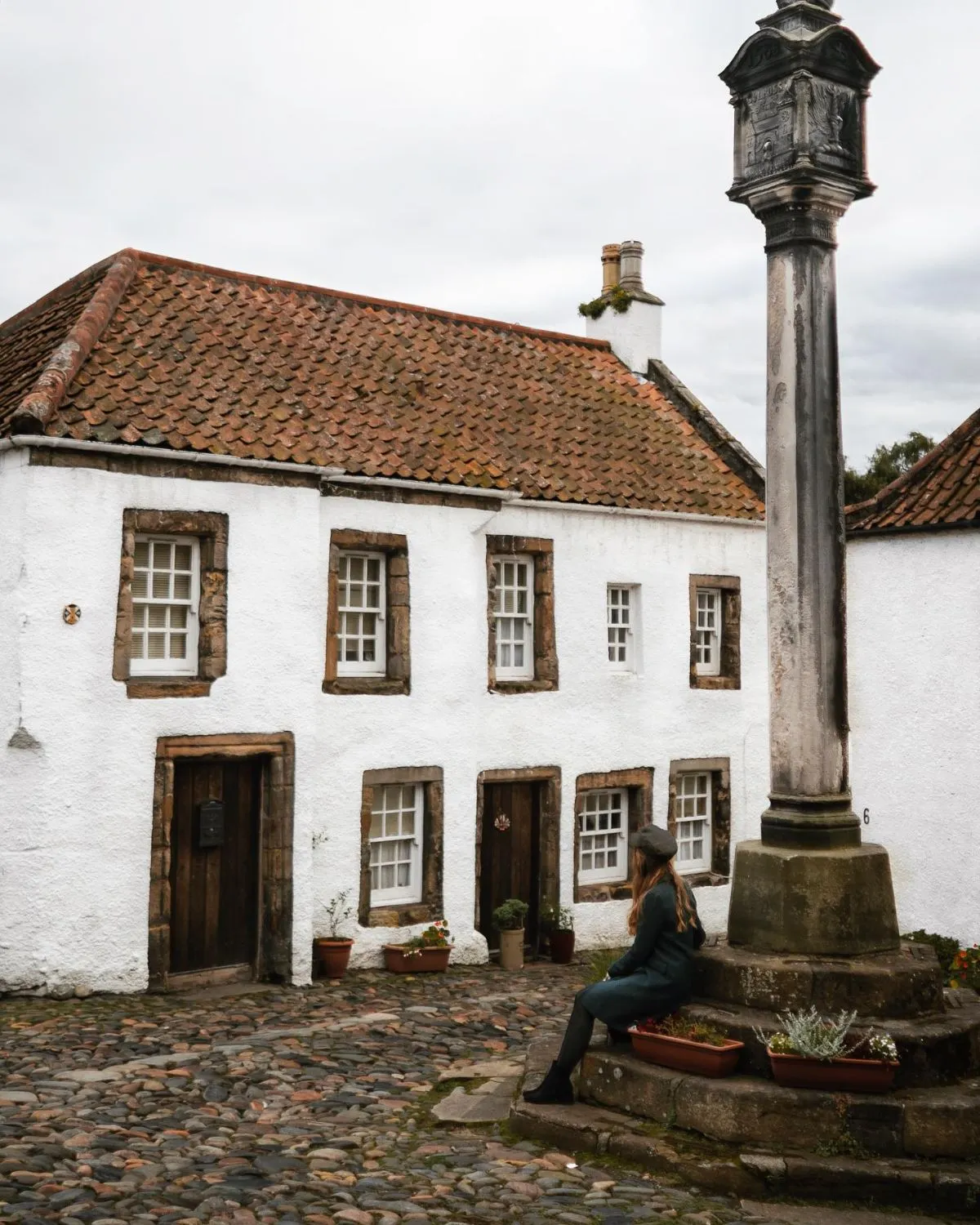
🗽 Mercat Cross Square
Free
Historic Village Center: A cobblestone square that served as the hub of trade and tradition in the 17th century.
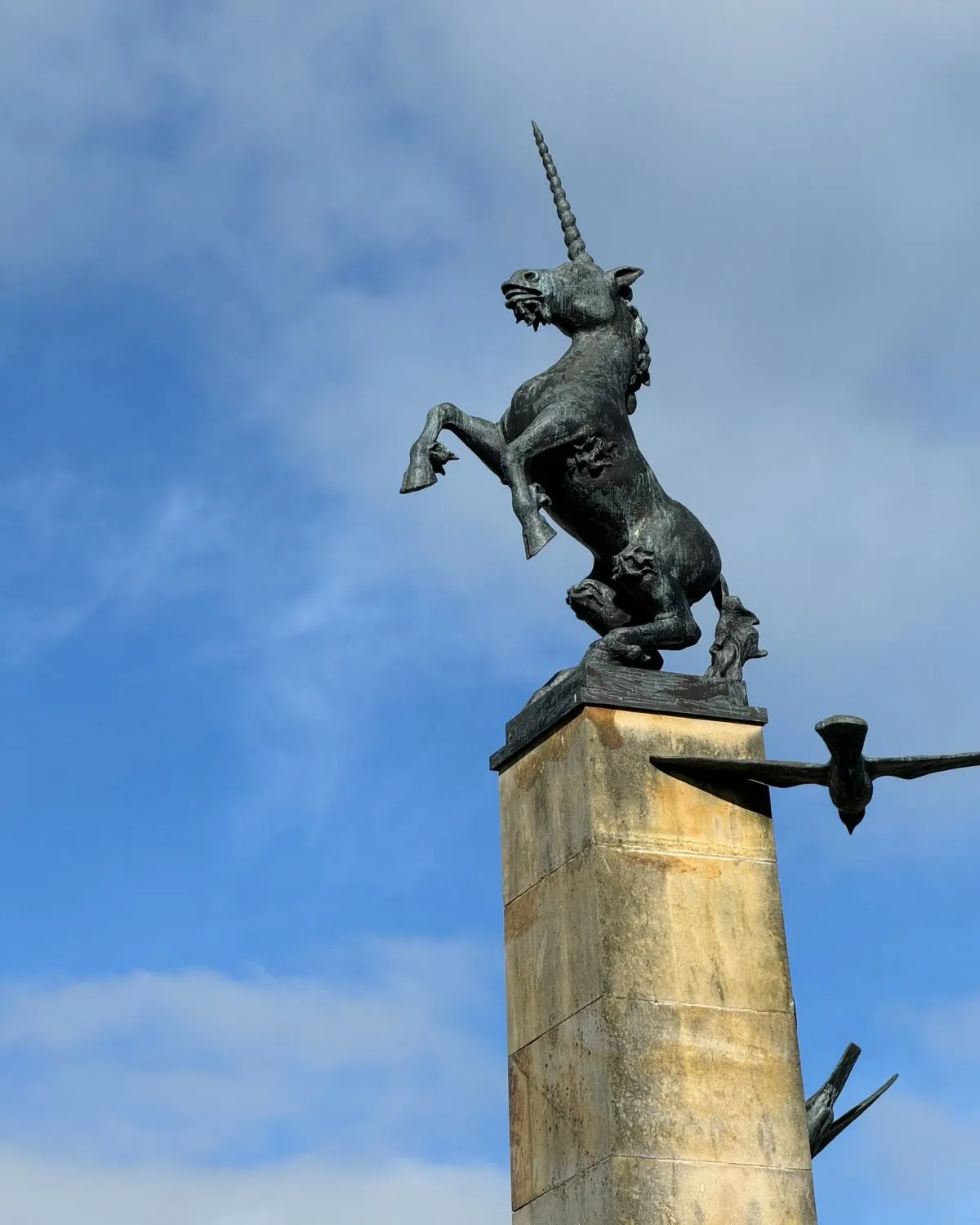
- Stone pillar with a unicorn finial
- Surrounded by white-harled houses with crow-stepped gables
- Features marriage stones carved with dates and initials
A Hub of Trade and Tradition
The Mercat Cross stands as a tall stone pillar. It once marked the heart of village trade. Merchants sold their goods here under royal authority.
Look closely at the pillar to see the unicorn finial. This mythical beast is a national symbol of Scotland. It watches over the quiet courtyard today.
The Mercat Cross square is a living museum where the 17th century feels within arm’s reach.
If you enjoy finding lesser-known Scottish gems, this square is essential. It offers a rare glimpse into authentic burgh life.
Architecture and Atmosphere
White-harled houses surround the space. Their crow-stepped gables and red clay tiles create a striking contrast against the grey Scottish sky.
The sounds here are minimal. You might hear the distant cry of a gull. The clicking of boots on uneven cobbles echoes against the thick walls.
Culross is one of the most picturesque villages in Scotland, and its Mercat Cross is the jewel in its historic crown.
Suzanne Jones, Adventures Around Scotland
For more seaside charm, consider coastal day trips to North Berwick. Both offer unique glimpses into East Coast history.
| Feature | What to Look For |
|---|---|
| Cobblestones | Irregular, hand-laid stones that require sturdy walking shoes for safety. |
| Harling | The traditional rough-cast lime finish visible on the historic cottage walls. |
| Marriage Stones | Carved dates and initials above doorways marking unions from centuries ago. |
Take time to sit on the stone benches. Observe the play of light on the textures. Respect the privacy of residents living in these historic homes.
Essential Highlights of Mercat Cross Square
- Identify the unicorn finial atop the stone pillar, a historic symbol of Scotland’s royal authority and trade heritage.
- Admire the traditional 17th-century architecture, characterized by white-harled walls, crow-stepped gables, and red clay tiles.
- Search for ‘marriage stones’ above doorways, which feature carved initials and dates marking unions from centuries ago.
- Wear sturdy, comfortable footwear to safely navigate the irregular and historic hand-laid cobblestones throughout the square.
Visit the Architectural Marvel of Culross Abbey
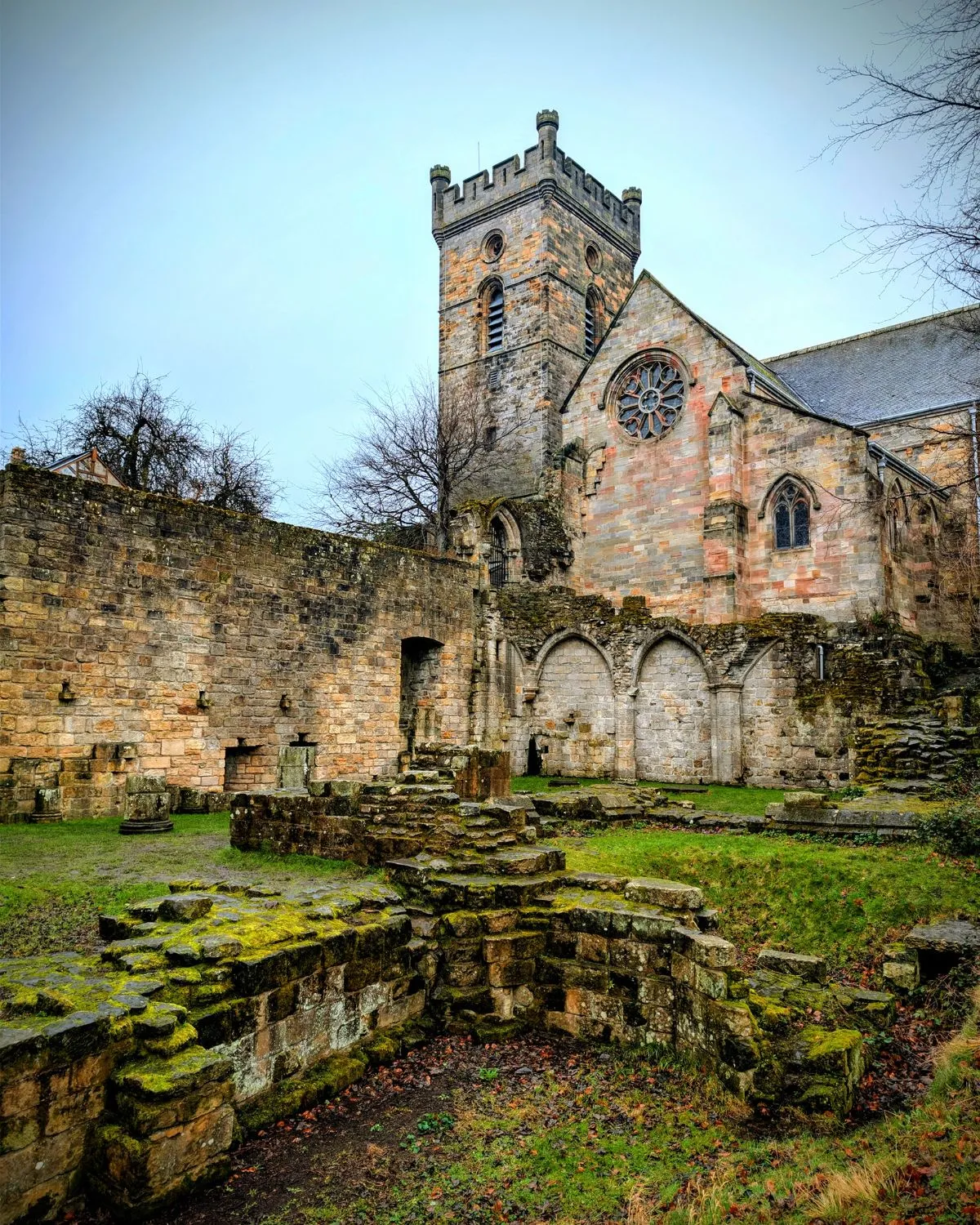
A short walk up the steep hill leads to the abbey. The path is lined with lush greenery. You will hear the distant hum of the Firth of Forth as you climb.
The abbey was founded by Malcolm, Earl of Fife. It served as a Cistercian house for centuries. The weathered sandstone glows warmly in the afternoon sun.
You can wander through the ruins of the nave. The skeletal remains of the walls create a hauntingly beautiful scene. It is truly a photographer’s dream.
The abbey is a place where history whispers through the weathered stone and the quiet Scottish breeze.
🏛️ Culross Abbey
Free
Cistercian Monastery: A hauntingly beautiful ruin and active choir founded by the Earl of Fife.
- Founded by Malcolm, Earl of Fife
- Skeletal remains of the nave are a photographer’s dream
- Displays classic Gothic pointed arches
Exploring the Cistercian Architecture
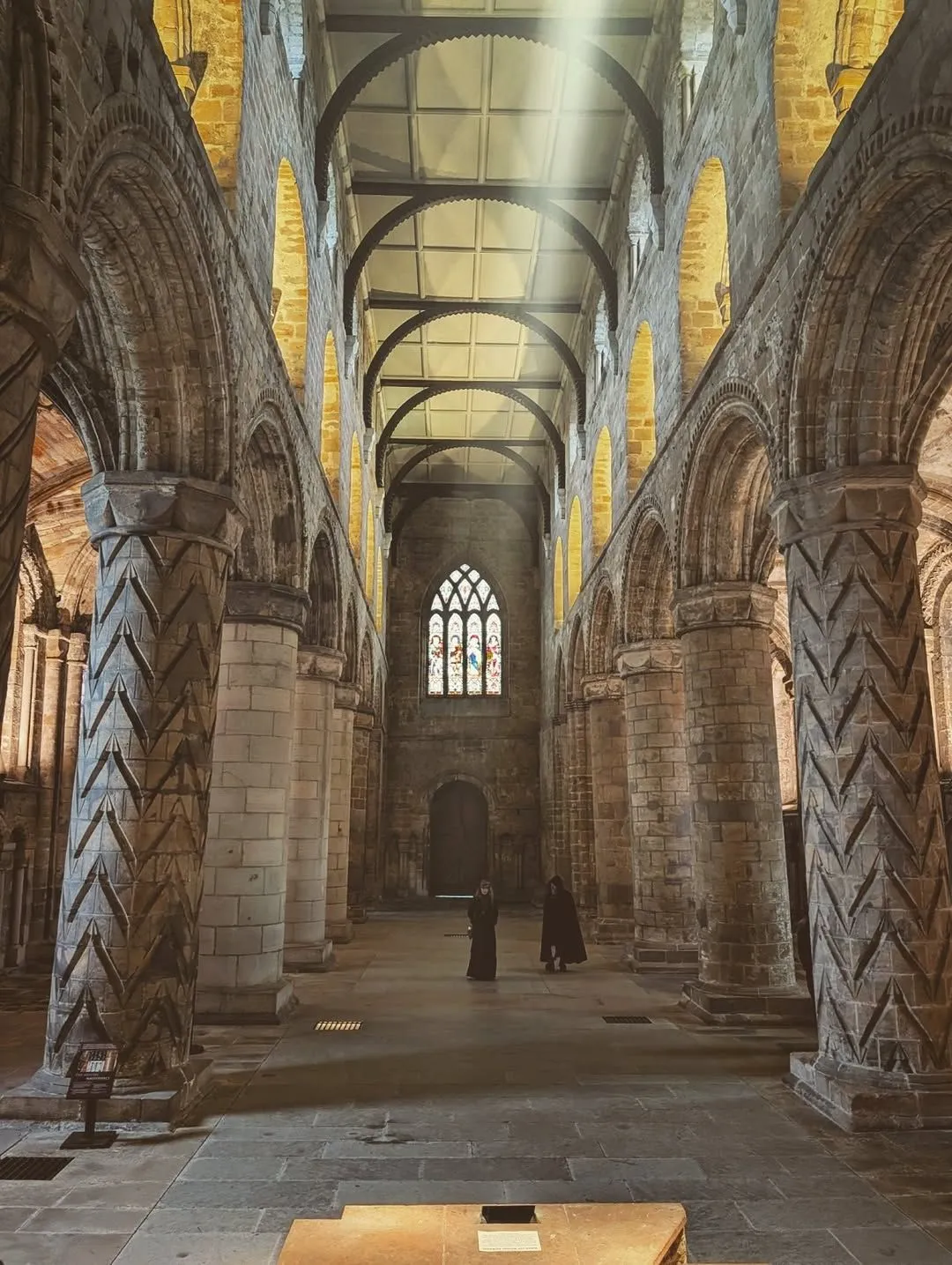
The choir section still serves the local community. Inside, the atmosphere is cool and quiet. Respectful visitors are always welcome to enter this sacred space.
The architecture displays classic Gothic features. Look for the pointed arches and intricate stone carvings. These details showcase the incredible skill of medieval masons.
Entry to the abbey is generally free. However, a small donation helps with ongoing upkeep. Always check the notice board for any special service times.
If you enjoy quiet walks, consider the Water of Leith Walkway for a similar peaceful vibe closer to the city center.
| Feature | Traveler Detail |
|---|---|
| Entry Fee | Free (Donations Welcome) |
| Best View | Overlooking the village roofs |
| Transport | 10-minute walk from the Palace |
The Abbey is a fascinating mix of a working parish church and atmospheric ruins. It offers stunning views over the village rooftops.
Kay Gillespie, The Chaotic Scot
After your visit, take a moment to enjoy the vista. You can see the hidden coastal beaches near Edinburgh across the water on a clear day.
The silence here is profound. It provides a sharp contrast to the busy streets of the capital. It is the perfect spot for quiet reflection and meditation.
Culross Abbey: Essential Highlights
- Discover a unique blend of historic Cistercian ruins and a working parish church featuring intricate Gothic architecture.
- Take the short, scenic walk up the hill to enjoy panoramic views over the village rooftops and the Firth of Forth.
- Access to the abbey is generally free, though small donations are welcome to support the upkeep of the weathered sandstone site.
- Explore the hauntingly beautiful nave ruins, which offer a peaceful setting perfect for photography and quiet reflection.
Hike to the Picturesque West Kirk Graveyard
Step away from the ochre houses. A gravel path winds steadily uphill. You will hear the call of wood pigeons in the trees.
The trail leads to the West Kirk. This is the original parish church of the village. The hike takes roughly twenty minutes.
The site is free to enter. It is open at all times. Always wear sturdy shoes for the uneven terrain and muddy patches.
In the silence of the West Kirk ruins, history feels like a living, breathing shadow.
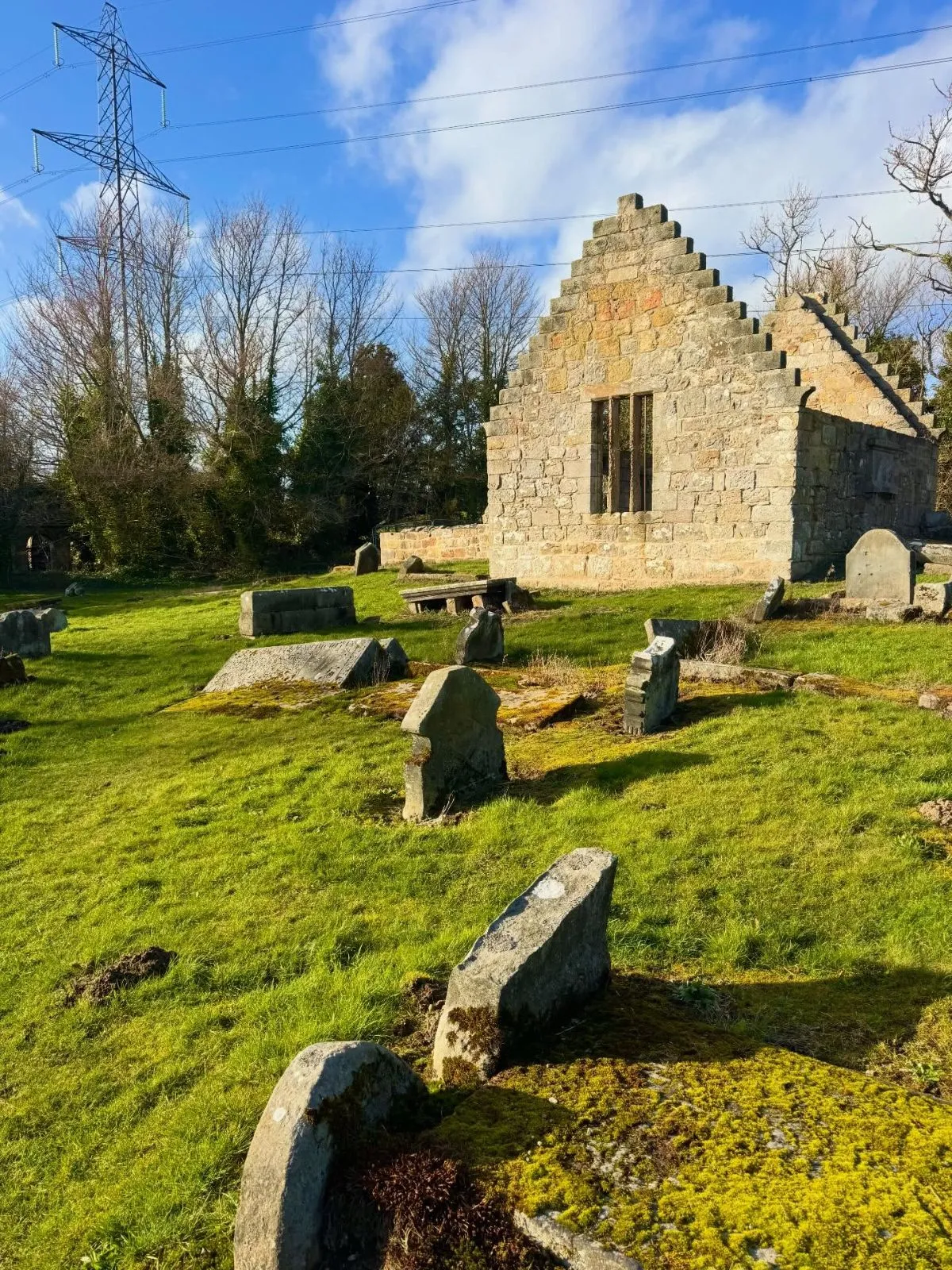
The Eerie Beauty of the Church Ruins
The ruins are truly haunting. Ivy grows over the grey stone arches. You can feel the weight of centuries in the air.
Outlander fans will recognize this place. It was the filming site for the Black Kirk. It feels both eerie and calm.
The scent of damp earth is strong here. Wind whistles through the empty window frames. It is a perfect spot for photography.
It’s a steep-ish walk up to the West Kirk, but it’s worth it for the views and the atmosphere of the ruined church.
Emma Gibb, Love From Scotland
Exploring the Ancient Headstones
Look at the headstones closely. Many feature carvings of skulls. These serve as reminders of mortality and the passing of time.
Respect the sanctity of the site. Do not climb on the ancient walls. Keep your voices low to honor the surroundings.
The graveyard tells stories of the local people. Some stones date back hundreds of years. The craftsmanship is still visible today.
To prepare for this trek, pack these essentials:
- Waterproof Boots: The path can be very slippery after rain.
- A Camera: The lighting at dusk is spectacular for moody shots.
- A Local Map: Signal can be weak near the ruins.
- Cultural Respect: Remember this is a place of rest.
Check the Water of Leith Walkway for more peaceful paths near the city. It is another great car-free option.
Echoes of the Past: A Guide to West Kirk Graveyard
- A 20-minute uphill hike leads to the historic original parish church ruins, famously used as the ‘Black Kirk’ filming location in Outlander.
- The site features atmospheric stone arches and ancient headstones with memento mori carvings, making it a premier spot for moody photography.
- Sturdy, waterproof footwear is essential as the gravel path can become slippery and muddy, especially after local rainfall.
- Access to the ruins is free and open at all times, though visitors are asked to maintain silence and respect the sanctity of the graveyard.
Step Back in Time with Ease
Culross offers a rare glimpse into Scotland’s 17th-century soul. Choosing a car-free route turns the journey into a highlight. It is a perfect escape for any history lover.
Travel Essentials for Culross
The trip takes about 90 minutes. This includes the train crossing the Forth Bridge and a quick bus ride from Dunfermline City station.
Yes, Stagecoach buses accept contactless cards. This makes traveling through the Kingdom of Fife simple and convenient for all visitors.
Yes, Culross doubled as Cranesmuir in Outlander. You can visit the Mercat Cross and the Palace gardens to see famous filming locations.


