
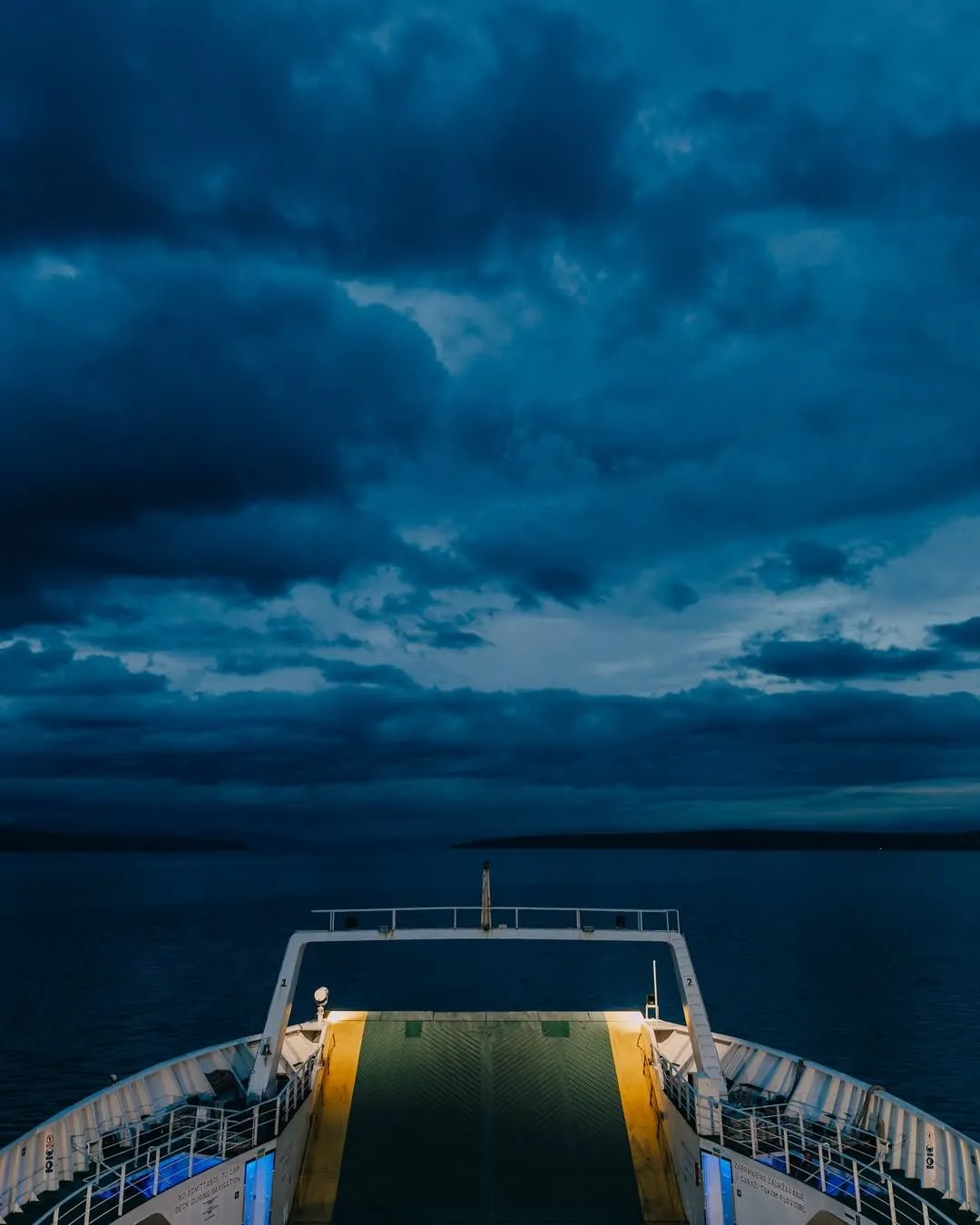
Imagine the sun warming your skin, the scent of pine and salt on the breeze, and the endless turquoise canvas of the Adriatic stretching before you.
Croatia’s island gems beckon, whispering tales of ancient history, vibrant culture, and unparalleled natural beauty.
This isn’t just a trip; it’s an immersion, a sensory feast waiting to unfold.
Fear not the myths of expensive European getaways.
With a little savvy and insider knowledge, you can navigate these sparkling waters and discover hidden coves, authentic local eateries, and charming villages without breaking the bank.
We’re about to unlock the secrets to an unforgettable, budget-friendly island-hopping adventure that respects your wallet and local traditions.
So, grab your imaginary backpack and let’s chart a course.
This guide is your trusted companion, packed with practical tips and inspiring insights to transform your Croatian island dream into an accessible, vibrant reality.
Prepare to discover the magic, one affordable ferry ride and sun-soaked moment at a time.
The Navigator’s Quick Guide
- Opt for Jadrolinija’s car ferries (Trajekt) over catamarans to save money and enjoy expansive views from the sun-drenched outdoor decks.
- Visit during the shoulder seasons of May; June or September; October to enjoy lower prices and the refreshing scent of pine without the peak summer crowds.
- Book your tickets at port kiosks or online a day in advance during high season and arrive at the dock early to navigate the bustling island gateways.
- Treat ferry crossings as affordable sightseeing tours where the salty Adriatic mist and coastal horizons provide a world-class experience for the price of a small lunch.
- Show respect to the local islanders by letting residents board first, ensuring your journey is as culturally mindful as it is budget-friendly.
Utilize Local Jadrolinija Ferry Lines
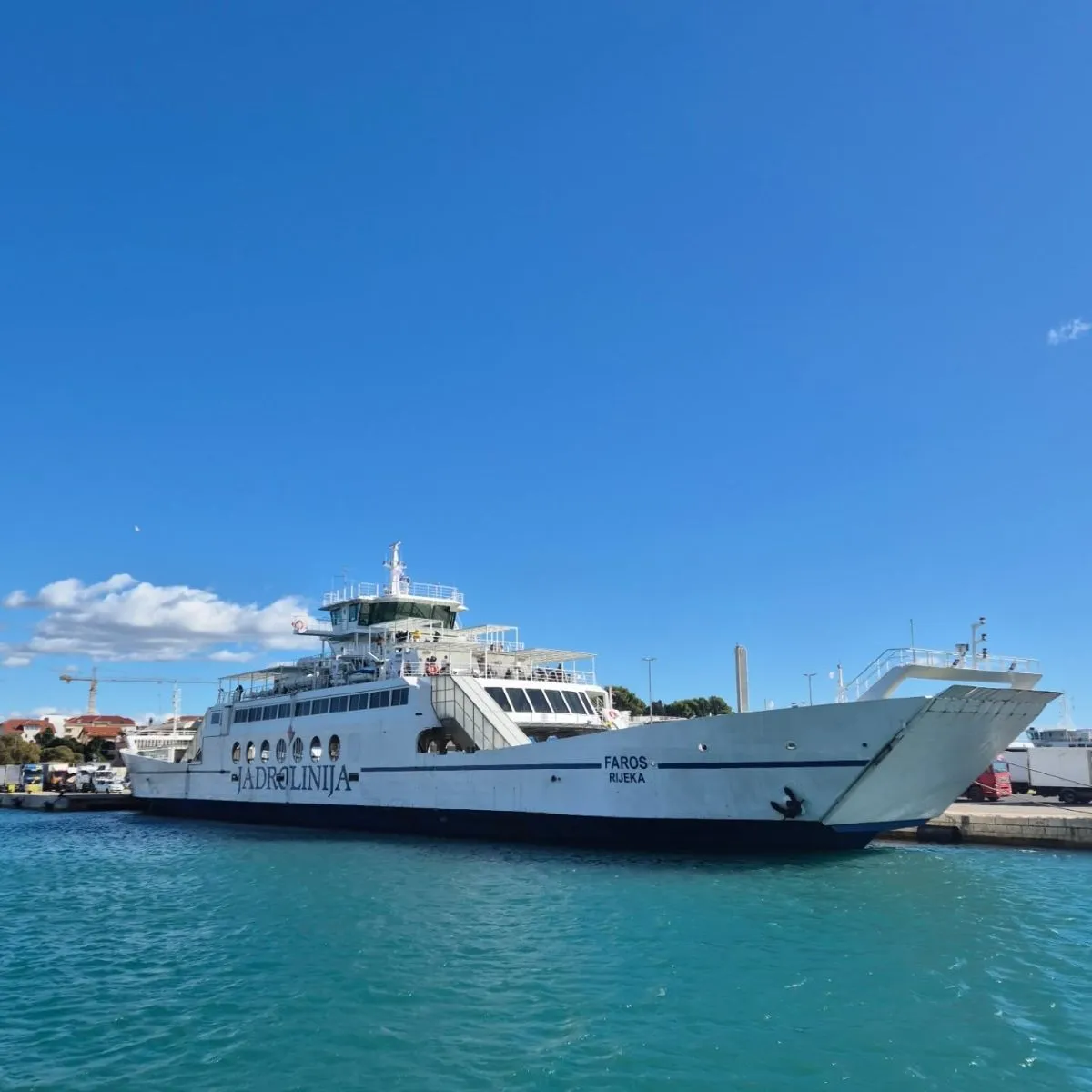
Jadrolinija is the national shipping company. It is the most affordable way to navigate the Adriatic Sea. These ships connect the mainland to remote islands.
You can reach Hvar or Vis for the price of a small lunch. Standing on the deck, you feel the warm sea breeze. The scent of pine meets the salty mist.
The best way to see the Croatian islands is from the deck of a local ferry with the salt air in your hair.
Slow Ferries Versus Fast Catamarans
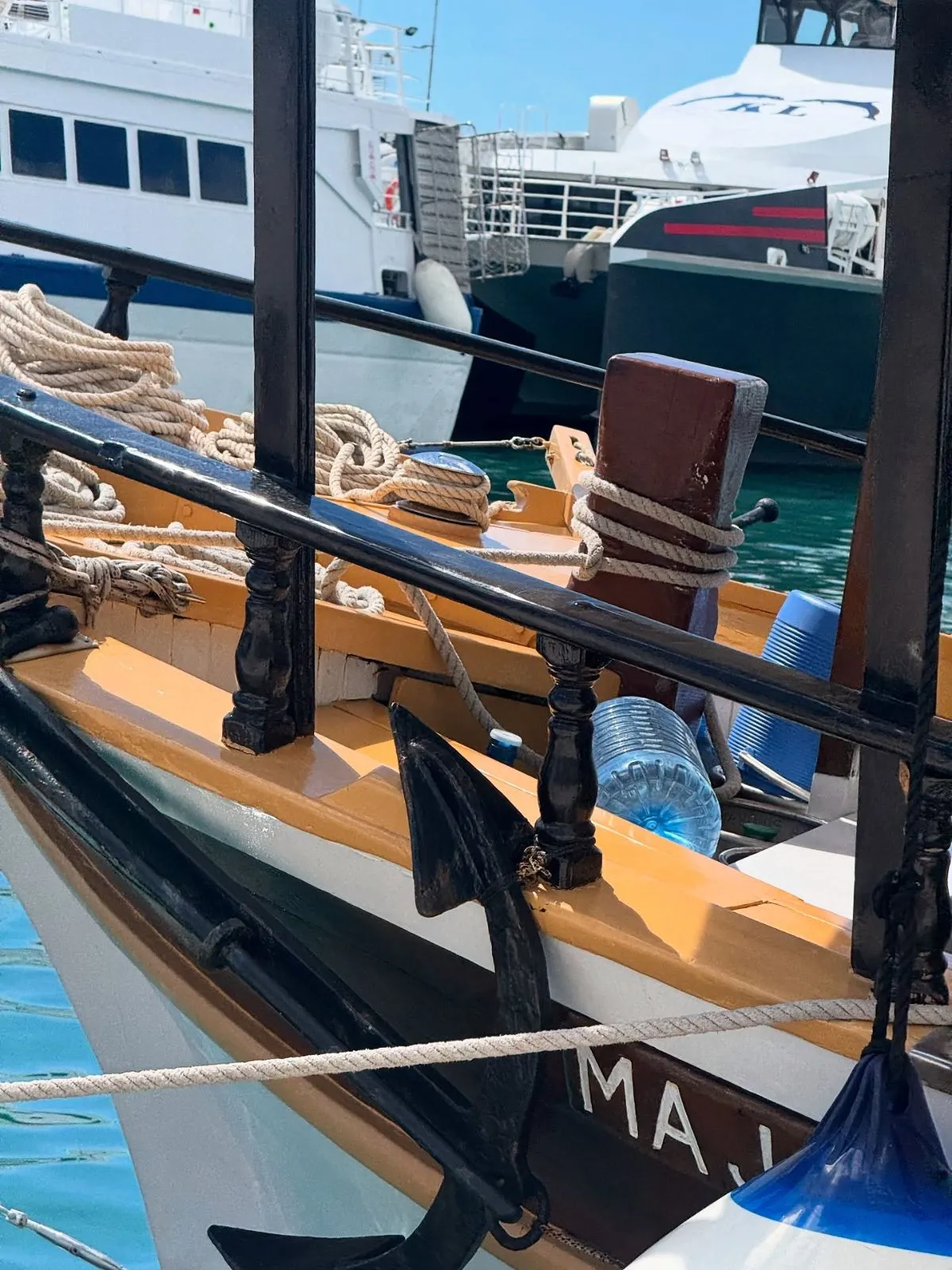
Large car ferries are slower and cheaper. They offer spacious decks for sunbathing. Catamarans are faster but cost more for foot passengers.
You can save money by choosing the ‘Trajekt’ lines. Use a travel budget planner to track these low costs effectively.
The sound of the heavy metal ramp hitting the stone pier signals adventure. You walk aboard among locals carrying groceries and fishing gear.
Jadrolinija’s ferries are not just transport; they are the best value sightseeing tours in the Mediterranean.
Croatia Tourism Board, Croatia.hr Official Site
When planning your first Europe trip, learning the ferry map is essential. It helps you avoid expensive private transfers.
| Feature | Car Ferry (Trajekt) | Catamaran |
|---|---|---|
| Budget Friendly | ✅ | ❌ |
| Travel Speed | ❌ | ✅ |
| Outdoor Deck Access | ✅ | ❌ |
Booking and Boarding Logistics
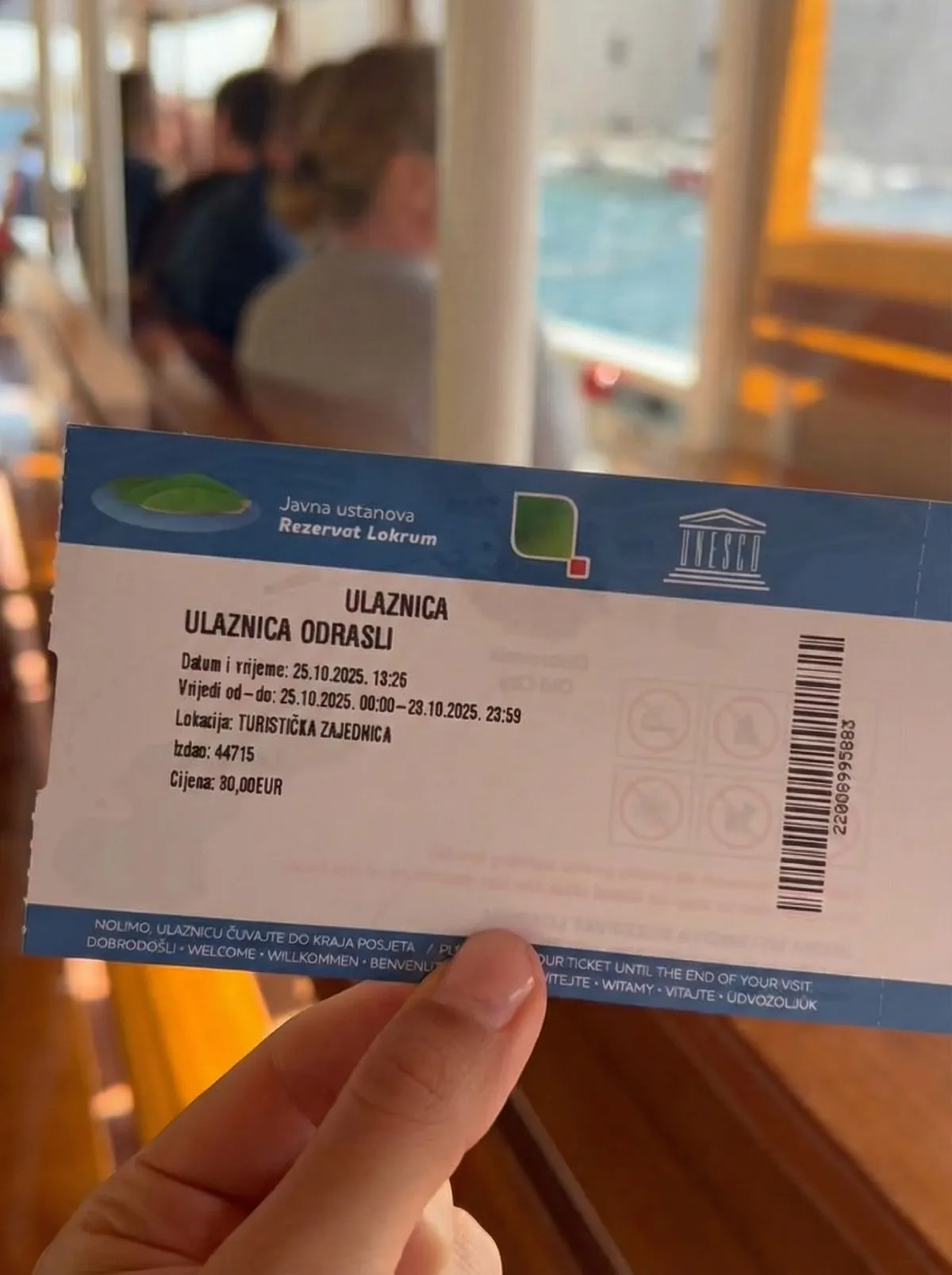
Tickets can be bought at port kiosks or online. During peak season, buy your tickets a day early. This ensures you have a spot on popular routes.
Always arrive at least thirty minutes before departure. Large crowds gather quickly at the docks in Split and Dubrovnik. Stay alert for gate changes.
Respect local customs by letting residents board first. This cultural respect is valued in small island communities. It makes for a smoother journey.
Maximizing Value with Jadrolinija Ferries
- Opt for ‘Trajekt’ car ferries over catamarans for lower costs and better sightseeing from open-air decks.
- Book tickets online or at port kiosks at least a day early during peak season to ensure availability.
- Arrive at least 30 minutes before departure and follow local boarding etiquette for a seamless travel experience.
🧗 Split Docks
Free
Transit Hub: The primary departure point on the mainland for ferries heading to the Adriatic islands.
- Major departure point for Jadrolinija
- Busy hub for island-bound travelers
- Accessible from the Split city center
🧗 Dubrovnik Docks
Free
Major Port: A significant southern port where travelers gather for island-hopping adventures.
- Strategic gateway to southern islands
- Popular site for large ferry boarding
- Scenic coastal docking area
Visit During the Shoulder Season
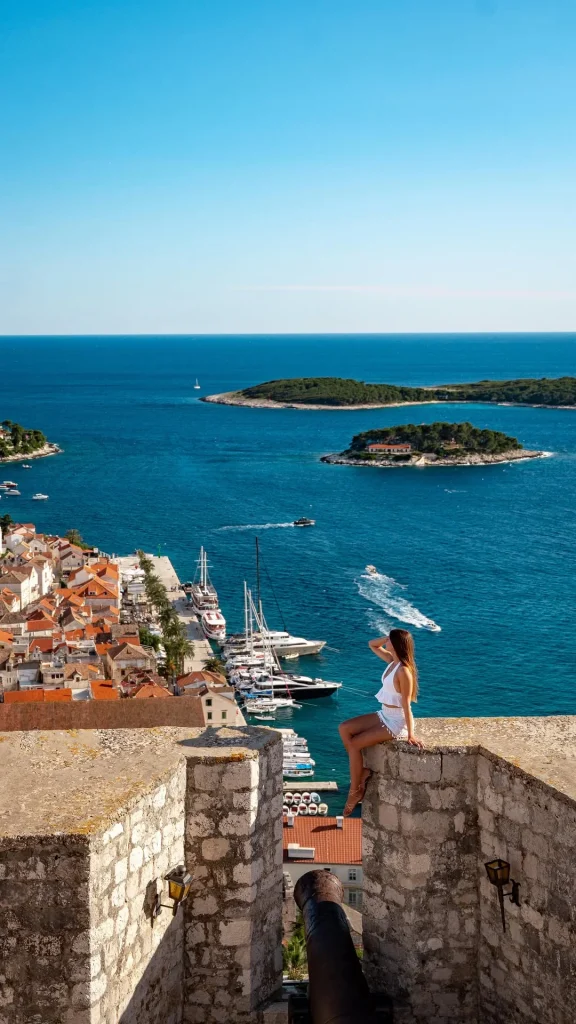
Timing is the secret to saving money in Croatia. The shoulder season spans from May to June and also through September and October.
During these months, the intense heat of July fades away. A soft breeze carries the scent of salty air and pine along the rocky coast.
The Adriatic is most beautiful when you have the horizon to yourself.
Prices for luxury escapes drop as the crowds vanish. You can find boutique stays at prices usually reserved for simple guesthouses.
To manage your money well, learn how I built a travel budget that keeps costs low.
Why May and September Are Magic
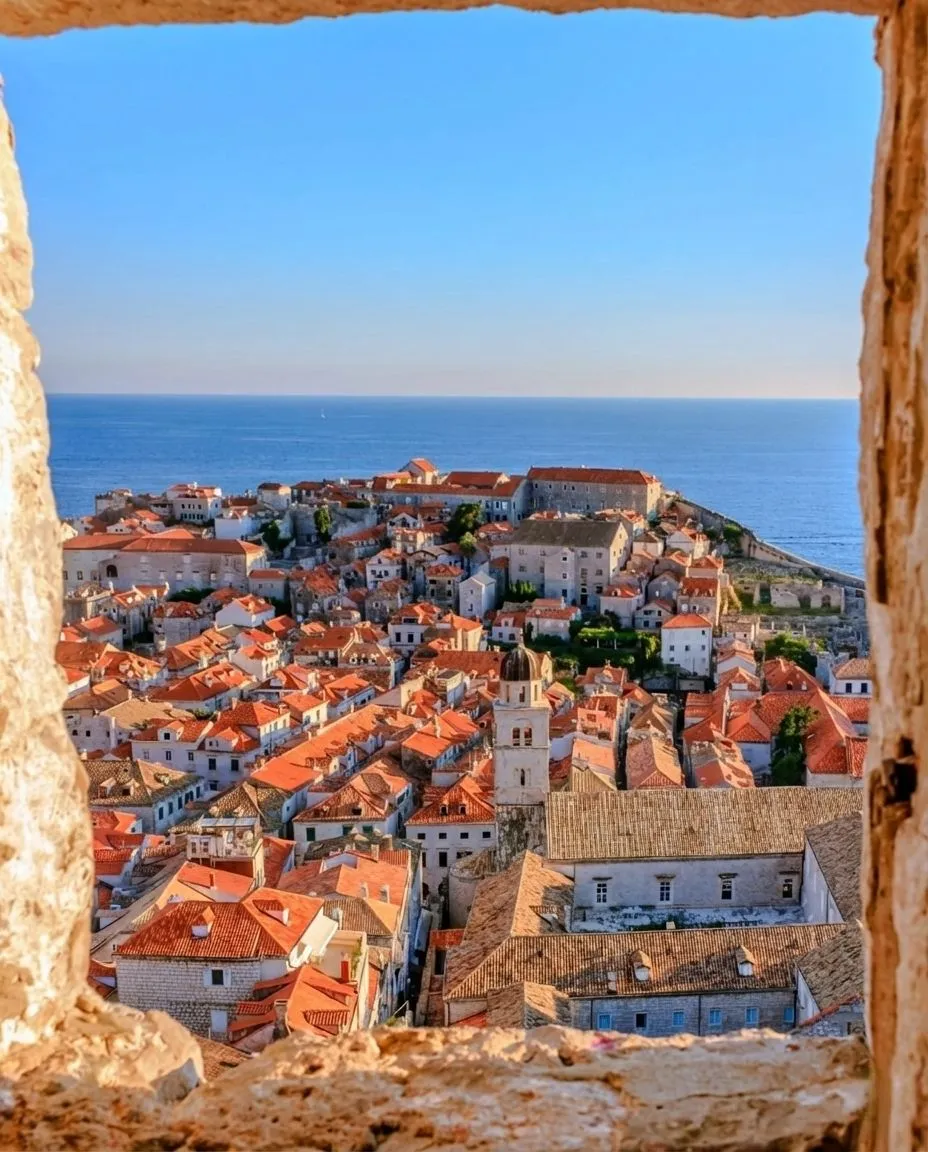
Stone streets in towns like Korčula feel peaceful and open. You can photograph medieval walls without hundreds of tourists in the frame.
Many travelers find that locals are more relaxed now. Without the summer rush, shopkeepers have more time to share stories and tips.
September is arguably the best month to visit Croatia. The sea is still warm, but the crowds have gone.
Sarah-Jane Begonja, Chasing the Donkey
The water remains warm enough for swimming in September. You can enjoy the pebble beaches without having to fight for a spot to sit.
If you enjoy this region, you might also like our 3-Day Corfu Travel Guide for more island inspiration.
🏛️ Korčula
Free
Medieval Town: A peaceful town famous for its well-preserved medieval walls and quiet stone streets.
- Well-preserved medieval walls
- Authentic stone-paved streets
- Tranquil shoulder-season atmosphere
Budget Logistics of the Shoulder Season
Local ferries offer lower prices in the off-peak months. Always check the current transit times as service can be limited at night.
| Feature | Budget Impact |
|---|---|
| Accommodation | Rates drop by 30 to 50 percent |
| Public Transport | Off-peak ferry ticket prices |
| Dining Out | Better availability and service |
Be sure to respect local laws regarding noise. Even in the quiet season, residential areas in the Old Towns value their peace and quiet.
Always verify the weather before booking. Sudden winds, known as the Bura, can change ferry routes or delay island excursions for safety.
Mastering the Croatian Shoulder Season
- Travel during May, June, September, or October to reduce accommodation costs by 30 to 50 percent.
- Prioritize a September visit to enjoy warm sea temperatures for swimming without the peak summer crowds.
- Take advantage of lower off-peak ferry fares and more relaxed service in local restaurants and shops.
- Experience quieter historical sites and easier photography in medieval towns like Korčula during these months.
Stay in Traditional Sobe Accommodations
Sobe are the best way to save. These private rooms in local homes are a Croatian tradition. They offer comfort for a fraction of hotel costs.
Staying in a Sobe provides an authentic experience. You get to interact with local families. This offers a deeper look into the island culture.
Choose Sobe for an authentic stay that turns a simple room into a doorway to Croatian heritage.
Finding Your Ideal Island Room
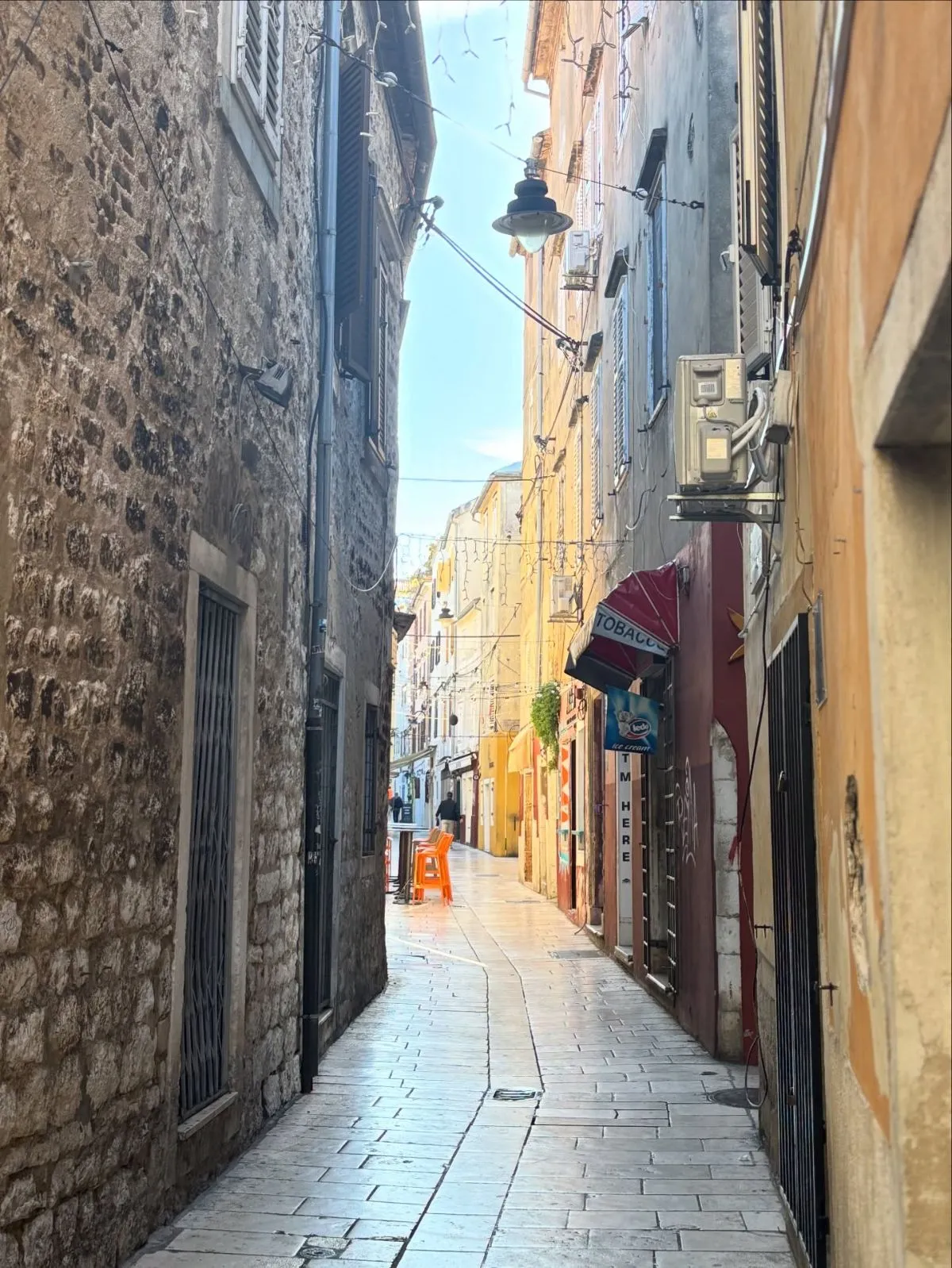
Look for official blue signs on the doors. These show the room is licensed. This ensures your safety and supports the local economy.
At ferry ports, locals often wait with signs. You can negotiate prices on the spot. Usually, rooms cost between 30 and 60 Euros per night.
Learning how I built a travel budget helped me stay longer. Sobe were the key to my savings.
Sobe (private rooms) are the best way to get a local flavor of Croatia, offering a glimpse into real life while saving money.
Rick Steves, Rick Steves’ Europe
Why Sobe Beat Budget Hotels
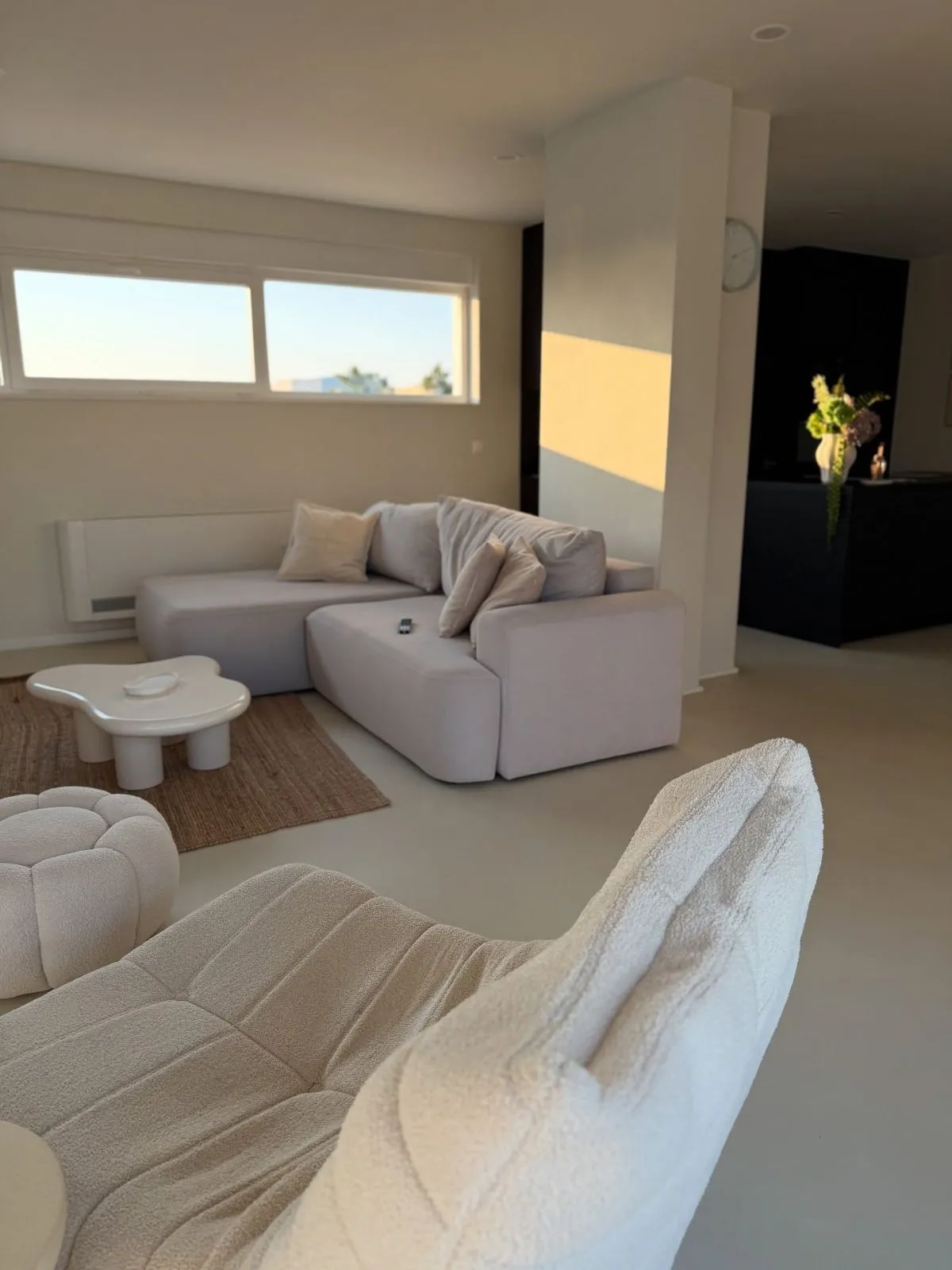
In islands like Vis or Brac, Sobe feature white limestone walls. They feel cool even in the summer heat. The scent of pine fills the air.
Compare these options to hostels vs Airbnbs to see the value. Sobe offer more privacy than any hostel dorm.
- Lower Prices: Significantly cheaper than coastal hotels.
- Authentic Vibe: Live in historic neighborhoods with locals.
- Kitchen Access: Many owners allow you to use their kitchens.
- Great Locations: Most are within walking distance of the ferry.
Always ask to see the room before paying. Check for clean linens and working fans. Most hosts are very proud of their hospitality.
Respect local customs by keeping noise down at night. Croatians value their peace in the evenings. A simple “Dobar dan” goes a long way.
Mastering the Sobe Experience
- Identify licensed accommodations by looking for official blue signs on doors or meeting local hosts at ferry ports.
- Save significantly with nightly rates ranging from 30 to 60 Euros, often including kitchen access and central island locations.
- Prioritize authenticity by staying in limestone-walled rooms that provide natural cooling and a deeper connection to Croatian heritage.
- Ensure quality by requesting to see the room before payment and practicing basic local etiquette to respect your hosts’ peace.
🌲 Vis
Entry: Ferry Cost
Remote Island: A remote island accessible via affordable local ferries, known for its authentic culture.
- Accessible via budget Trajekt lines
- Traditional limestone Sobe housing
- Authentic island heritage
🌲 Brač
Free
Adriatic Island: A popular island featuring traditional private rooms with cool limestone walls.
- Iconic white limestone architecture
- Scent of coastal pine forests
- Affordable Sobe accommodations
Purchase Food at Local Supermarkets and Bakeries
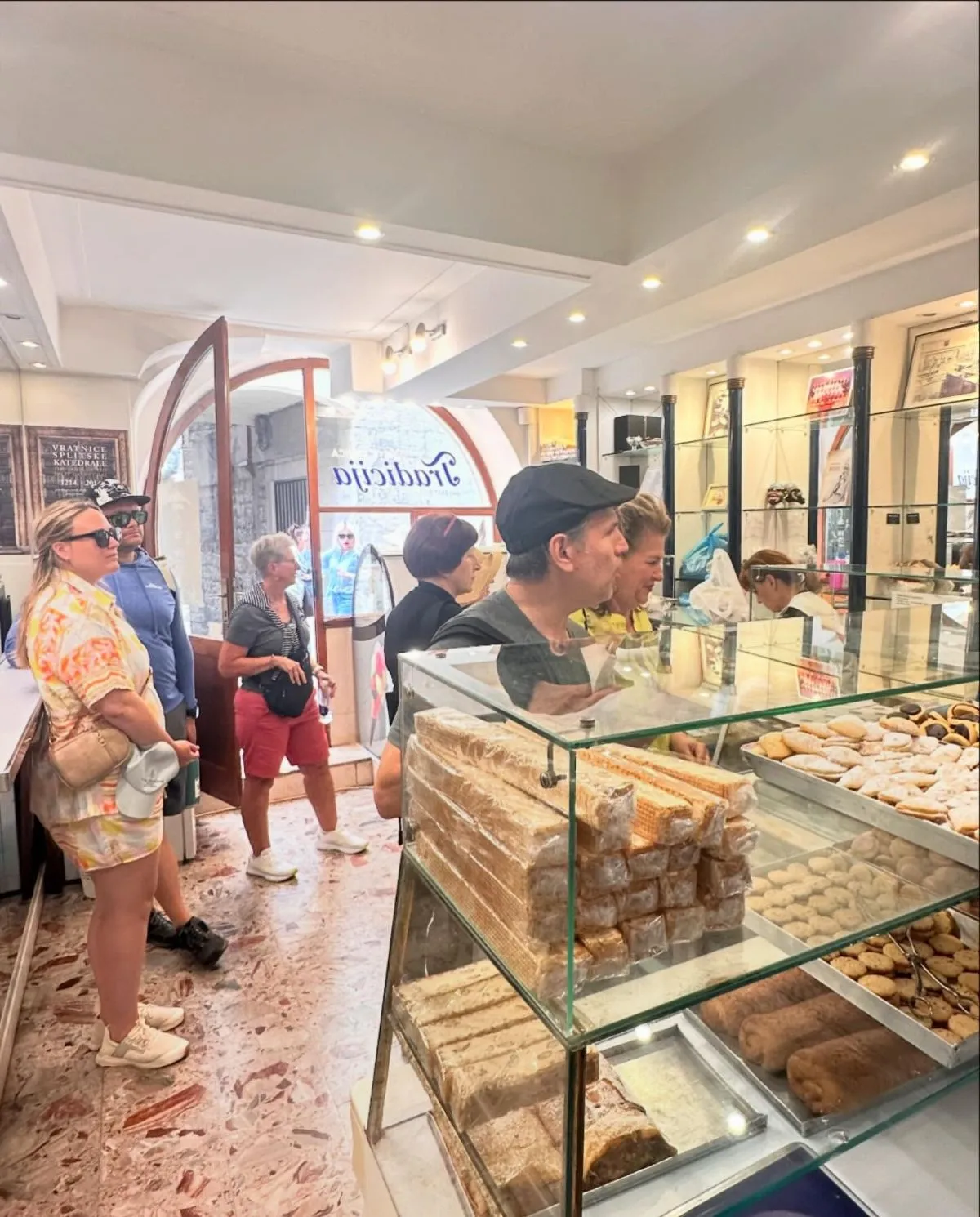
Waking up on a sun-drenched island like Hvar often starts with the scent of yeast and honey drifting through narrow, cobblestone alleys.
Eating out at waterfront konobas every night can quickly drain your wallet. Local shops offer authentic flavors for a fraction of the cost.
Picnicking with local cheese and bread on a hidden Croatian beach is the ultimate luxury on a budget.
🎨 Hvar
Free
Sun-Drenched Island: An island renowned for its narrow cobblestone alleys and fragrant honey-scented air.
- Picturesque cobblestone alleys
- Vibrant waterfront konobas
- Rich culinary and bakery culture
The Affordable Magic of the Pekara
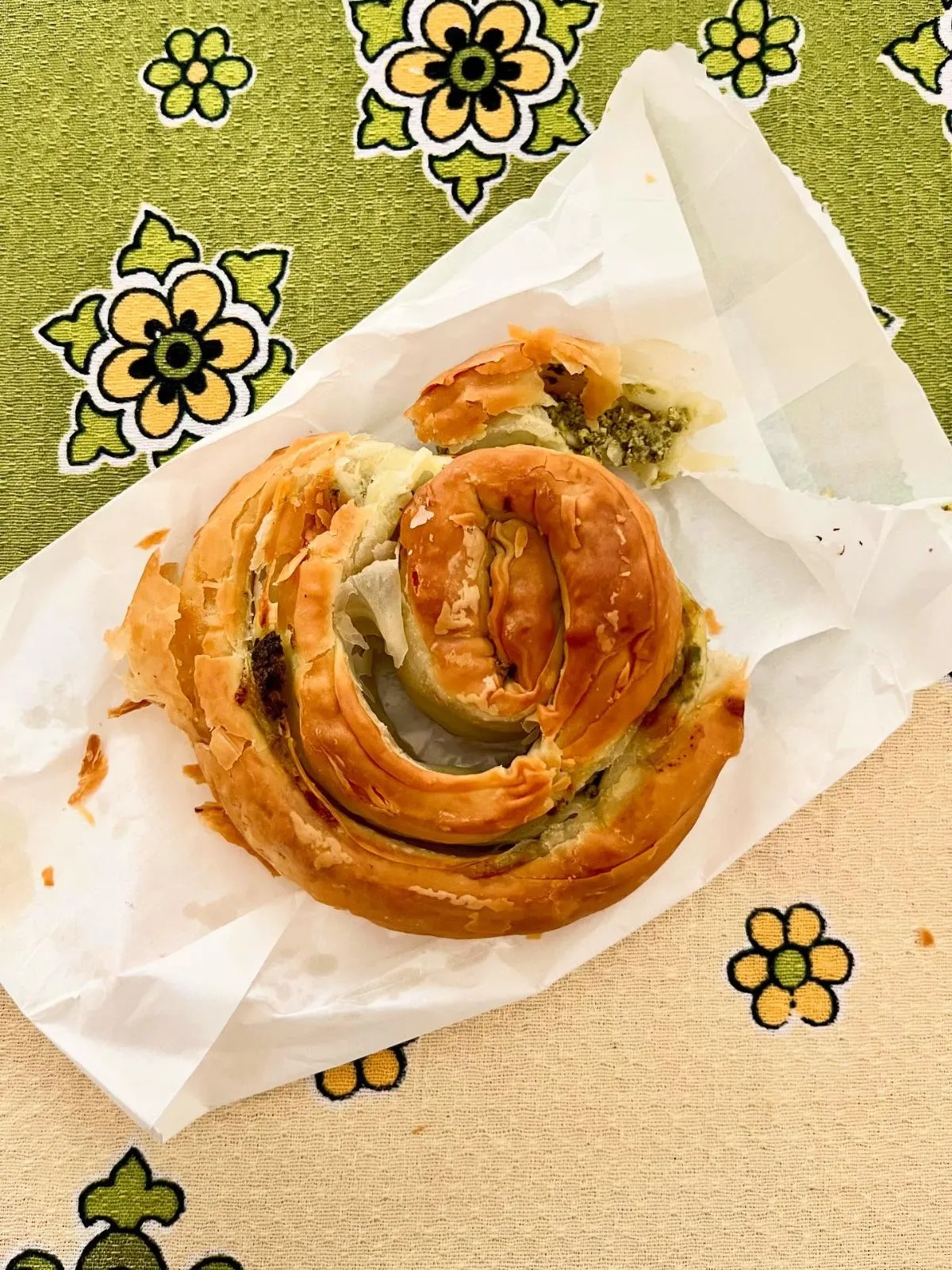
The “pekara” or bakery is a budget traveler’s best friend. These shops sit on nearly every corner in Split, Zadar, and the smaller islands.
Grab a “burek,” a flaky filo pastry filled with meat or cheese, for just a few euros. It is filling enough to serve as a complete lunch.
For a sweet treat, look for “krafne,” which are traditional doughnuts. They are perfect for a cheap breakfast before catching a morning ferry.
One of the best ways to save money when traveling to Croatia is to buy your food at supermarkets and local markets rather than eating out.
Frank Gueguen, Frank About Croatia
🎨 Zadar
Free
Coastal City: A coastal city where traditional bakeries offer filling and affordable local staples.
- Abundant local Pekara bakeries
- Home to affordable Burek pastries
- Vibrant local street life
Navigating Local Supermarkets
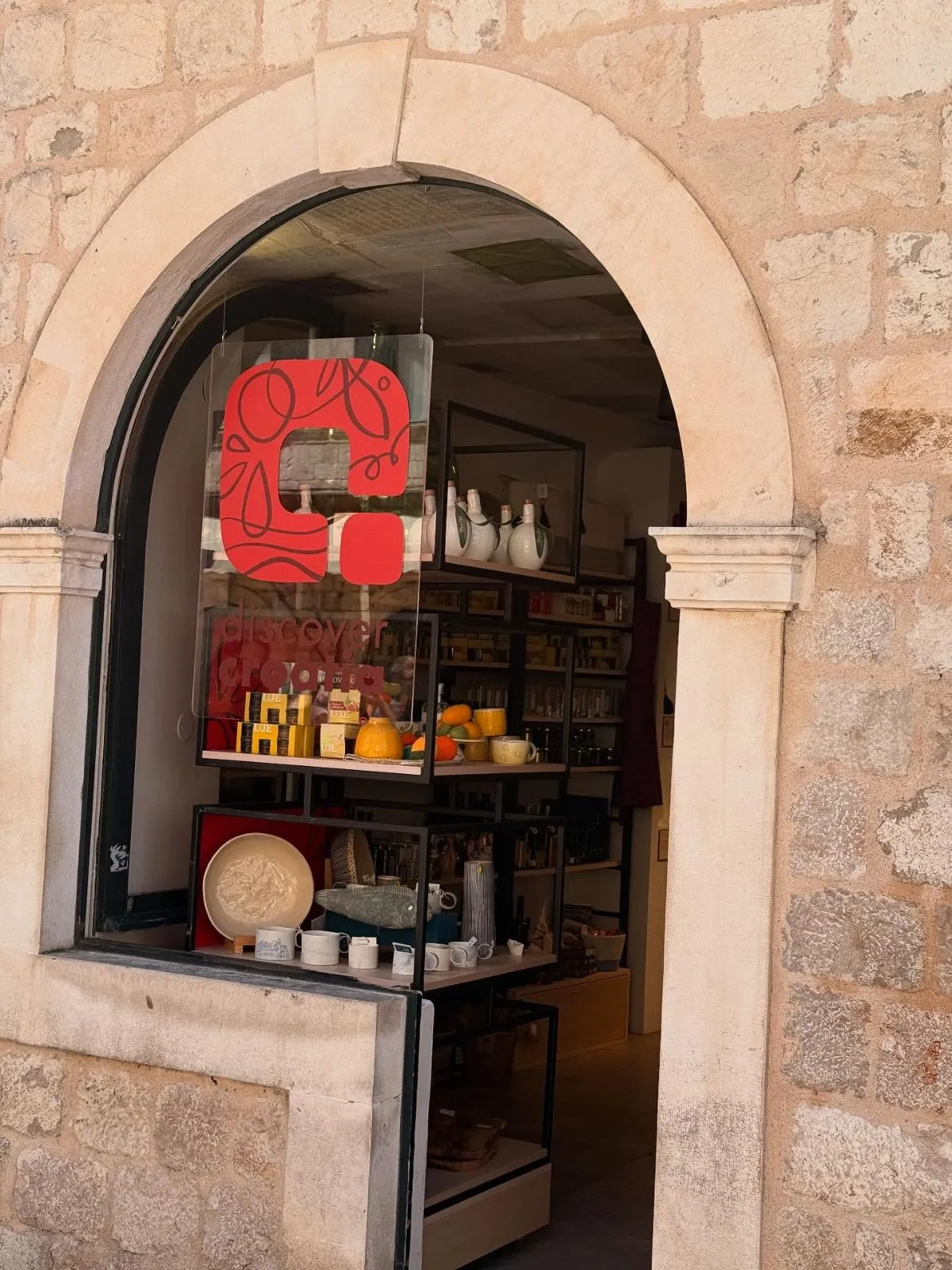
Look for chains like Konzum, Tommy, or Studenac. These stores offer local staples like Pag cheese, salty prosciutto, and fresh seasonal fruits.
Planning ahead is key to a successful journey. You can use a travel budget planner to track your daily food costs effectively.
Many islands have larger supermarkets near ferry ports. Prices tend to be higher in the tiny shops located deep within old town centers.
When I planned my first Europe trip, I learned that supermarket picnics are often more memorable than fancy dinners.
Always bring a reusable bag. Many stores charge a small fee for plastic, and using your own helps support sustainable travel efforts.
Check the bottom shelves for “robna marka” or store brands. These products are usually high quality but cost significantly less than imports.
Typical Grocery Prices for Budgeting
| Item | Estimated Price (Euro) | Best Place to Buy |
|---|---|---|
| Fresh Bread (Loaf) | 1.00 – 1.50 | Pekara |
| Large Burek | 2.50 – 3.50 | Pekara |
| Local Cheese (100g) | 2.00 – 4.00 | Supermarket |
| 1.5L Mineral Water | 0.80 – 1.20 | Supermarket |
Buying a large bottle of water at a supermarket and refilling it is much cheaper than purchasing small bottles at tourist kiosks.
Respect local customs by greeting staff with a “Dobar dan.” Small gestures of kindness make your shopping experience much more authentic.
Mastering Croatia’s Budget Food Hacks
- Visit local bakeries known as ‘pekara’ for affordable and filling staples like savory burek or sweet krafne.
- Shop at large supermarket chains like Konzum or Tommy near ferry ports to avoid the higher prices found in small old town shops.
- Save money by choosing ‘robna marka’ store brands and local specialties like Pag cheese and prosciutto over expensive imports.
- Pack a reusable bag and plan scenic beach picnics to enjoy authentic Croatian flavors for a fraction of the cost of dining out.
Focus on Free Natural and Historic Attractions
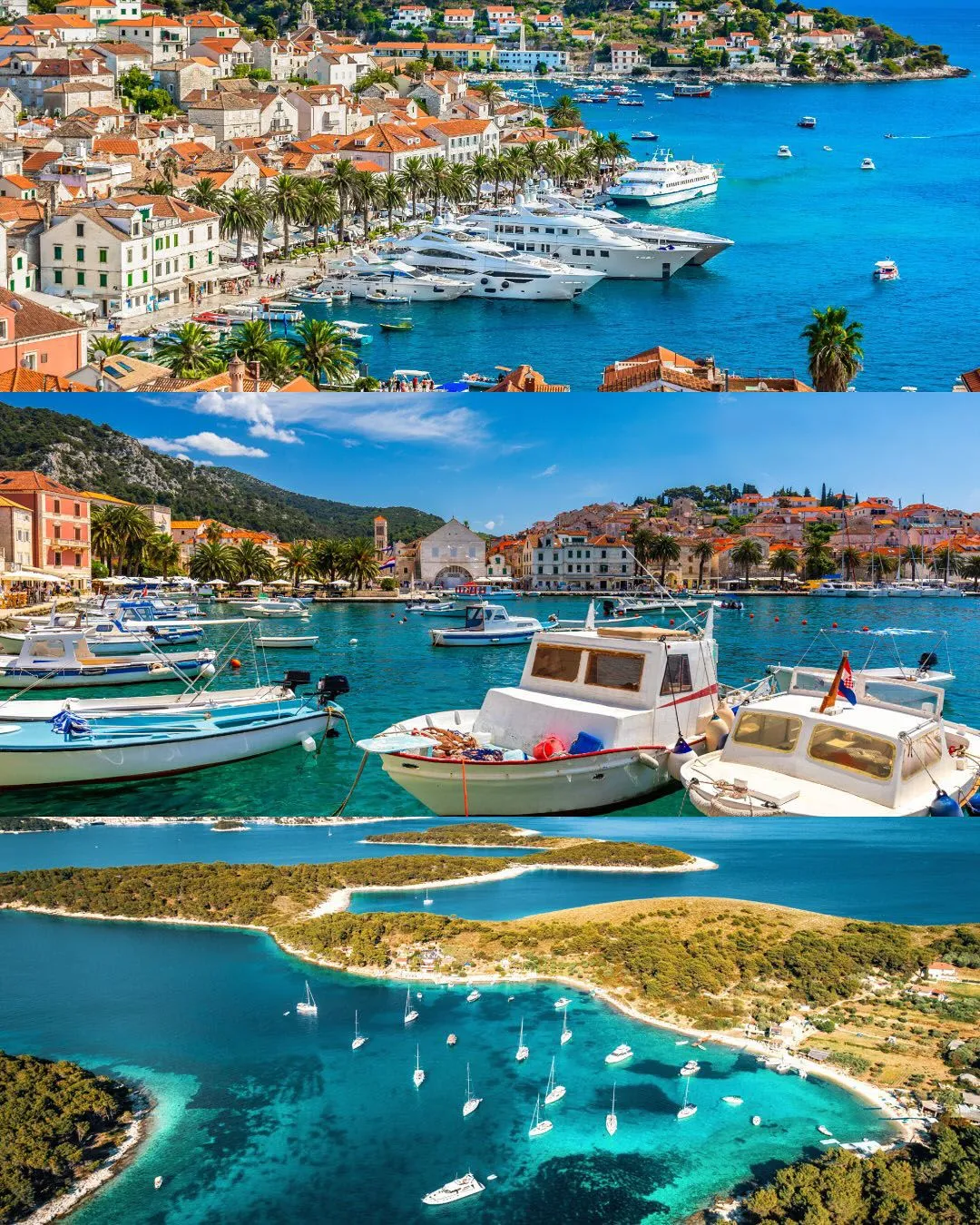
The air in Croatia carries the scent of wild rosemary and salt. You can feel the history in the smooth, sun-warmed limestone beneath your feet.
Island hopping can be pricey, but the best experiences often cost nothing. Focus on the natural landscapes and historic architecture that define this region.
If you enjoy saving money, you might also like these free things to do in Phuket for your next adventure.
Climbing to Panoramic Island Viewpoints
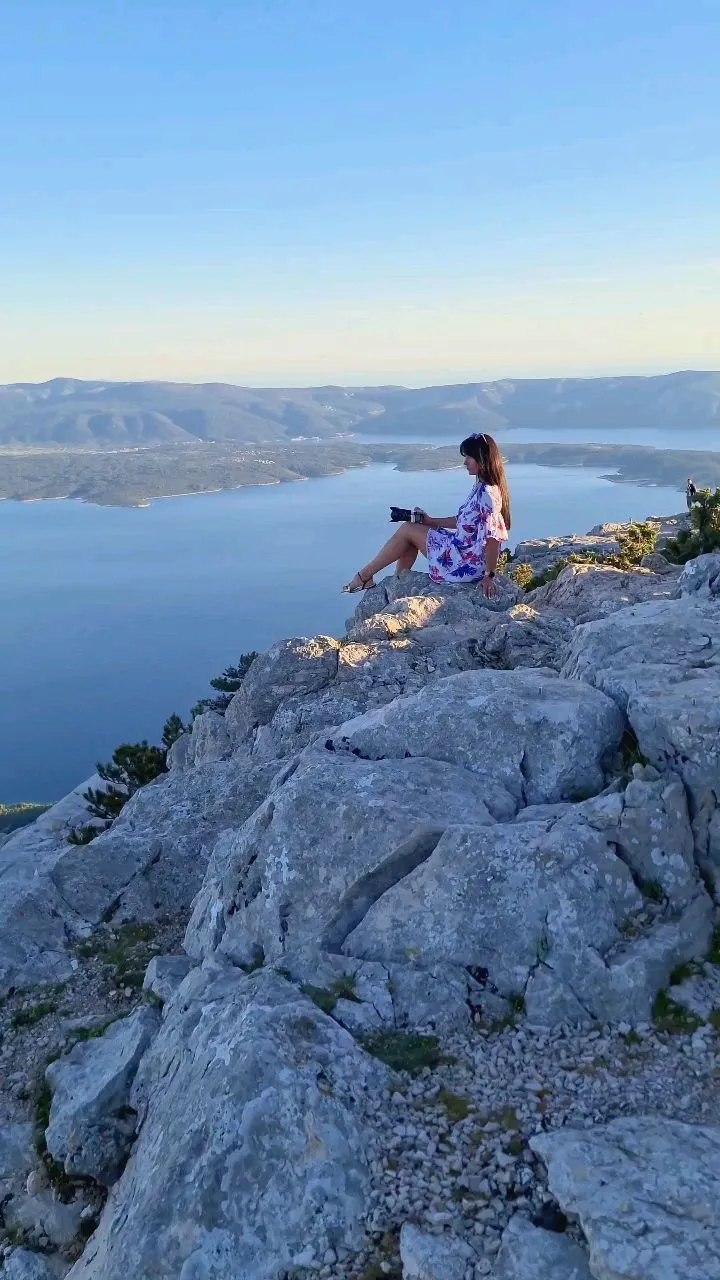
Hiking is the most rewarding way to see the islands without spending a dime. Most trails are well-marked and lead to breathtaking summits.
On Brač, the hike to Vidova Gora is a must. It is the highest peak in the Adriatic. The trail winds through cool pine forests and rocky terrain.
Once you reach the top, you can see the famous Zlatni Rat beach below. The blue horizon stretches toward Italy, offering a stunning, free photo op.
The most vibrant colors in Croatia come from the sea and the sky, and they are free for everyone to witness.
Exploring Ancient Stone Town Centers
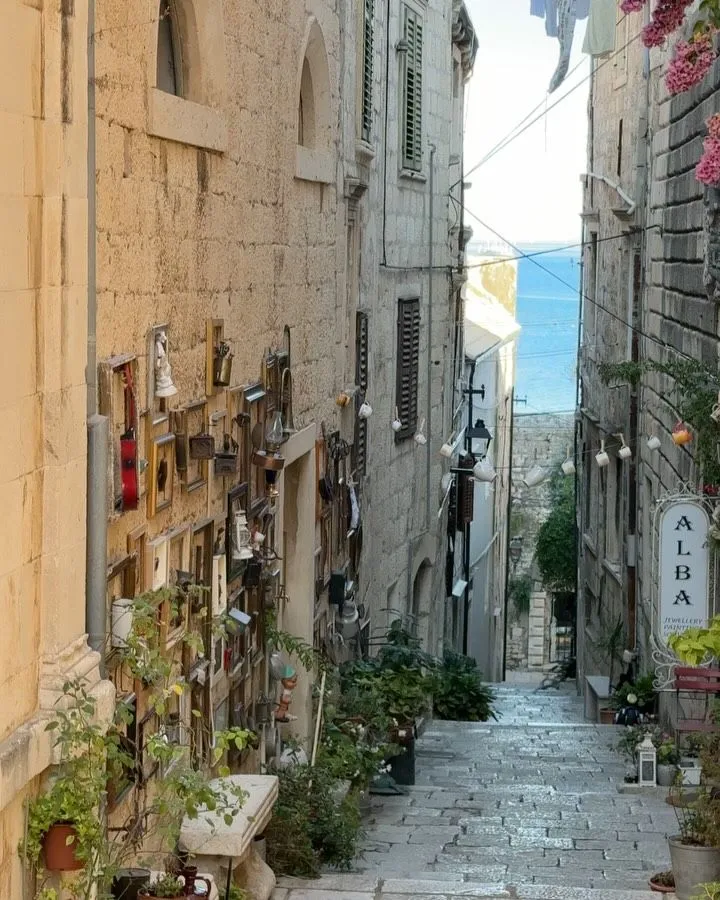
Every Croatian island has a historic core. These centers are like open-air museums. You do not need a ticket to wander through their ancient gates.
Korčula Town is often called “Little Dubrovnik.” Its medieval layout was designed in a fishbone pattern to protect residents from cold winds.
Stari Grad on Hvar is one of the oldest towns in Europe. Walking its narrow alleys reveals Roman ruins and quiet squares tucked behind stone walls.
Croatia’s coast is a masterpiece of public spaces. You can find world-class beauty without ever opening your wallet.
Alex Crevar, Travel Journalist & Expert
Secluded Bays and Public Beaches
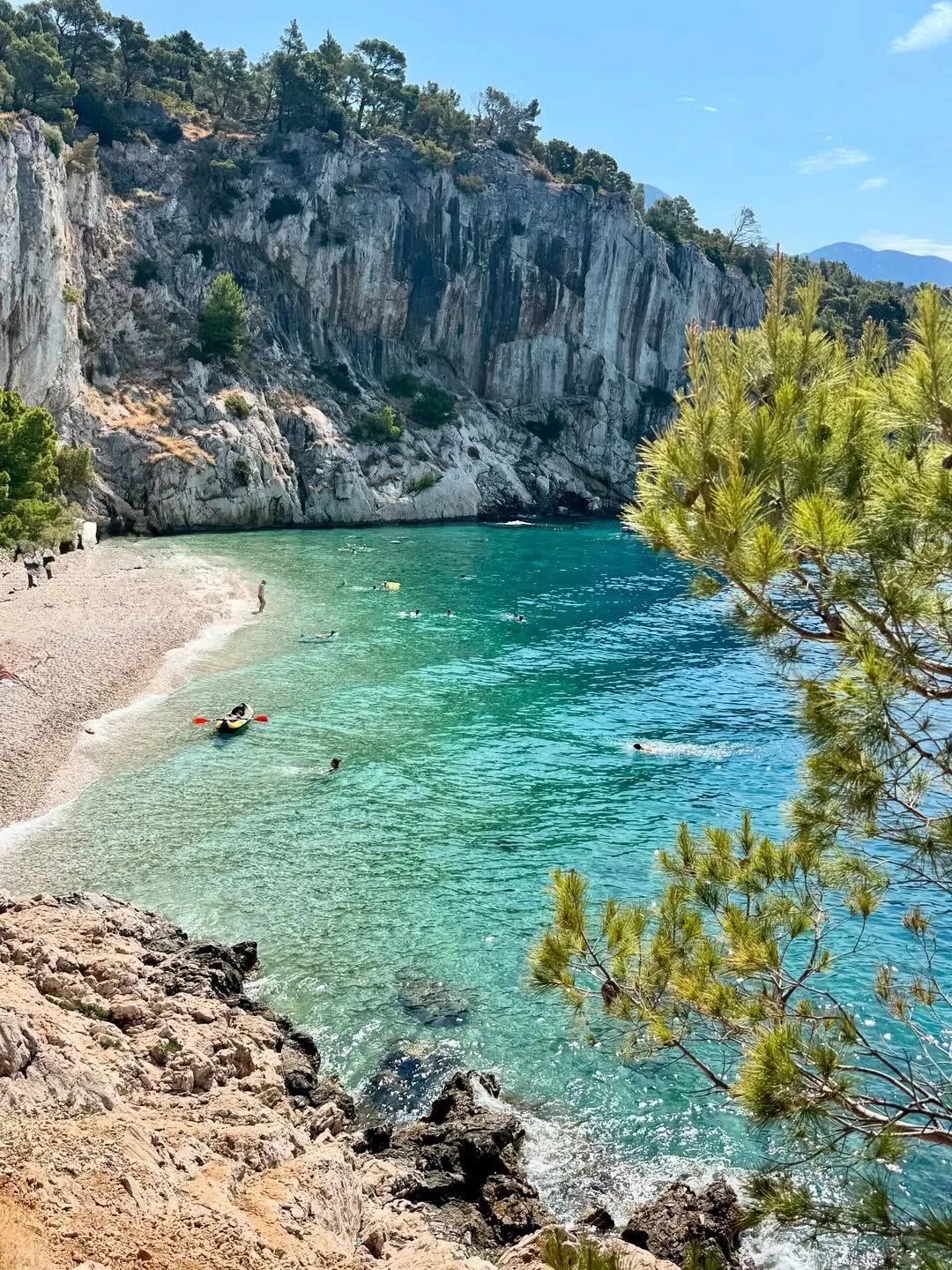
Beach clubs often charge high fees for sunbeds. However, almost all of the coastline in Croatia is public and free for everyone to access.
Pack a light towel and some sturdy water shoes. Walk away from the main ferry ports to find secluded coves where the water is perfectly clear.
Vis island is famous for its hidden bays like Stiniva. While the hike down is steep, the chance to swim in a natural cathedral of rock is free.
Organizing these details is easier when you know how I planned my first Europe trip with simple, effective steps.
The best way to experience the islands is to find your own patch of rocks and jump into the blue.
Local Guide, Visit Croatia Guide
Free Attractions Comparison
Use this guide to plan your stops based on the free highlights available on each major island in the Dalmatian archipelago.
| Island | Best Free Nature Activity | Best Free Historic Site |
|---|---|---|
| Brač | Hiking Vidova Gora | Explore Bol Village |
| Hvar | Dubovica Bay Hike | Stari Grad Plain (UNESCO) |
| Korčula | Lumbarda Sandy Shores | Old Town Fishbone Alleys |
| Vis | Stiniva Cove Swim | Ancient Issa City Walls |
Always respect local laws regarding wild camping and litter. Keeping these natural gems clean ensures they remain free for future travelers to enjoy.
Exploring Croatia’s Hidden Gems for Free
- Hike to island summits like Vidova Gora on Brač for world-class panoramic views at no cost.
- Visit historic town centers like Korčula and Stari Grad to experience medieval architecture as an open-air museum.
- Take advantage of the fact that most of Croatia’s coastline is public by seeking out secluded coves instead of private beach clubs.
- Pack water shoes and light gear to comfortably explore rugged trails and rocky shores without spending a dime.
Sailing Toward Savvy Adriatic Adventures
Island hopping in Croatia doesn’t require a yacht owner’s bank account. By choosing local ferries over speedboats, you embrace the true pulse of the Adriatic.
Timing your trip for the shoulder season unlocks lower prices and peaceful horizons. The scent of pine and salt is sweeter when the crowds have thinned.
Grab your map and step onto the heavy metal ramp of a Jadrolinija ferry. Adventure is waiting among the turquoise waves and ancient stone piers.
Navigating Your Adriatic Adventure
Jadrolinija’s large car ferries (Trajekt) are the most affordable option. They offer scenic deck space for the price of a quick lunch.
During peak summer, booking a day early at kiosks or online is wise. For the shoulder season, you can often buy tickets right before boarding.
May, June, September, and October offer the best balance. You will find lower accommodation rates and cheaper transport without the intense summer heat.
No, only ‘Trajekt’ lines carry vehicles. Catamarans are faster but strictly for foot passengers, so plan your route according to your transport needs.


