
Table of Contents
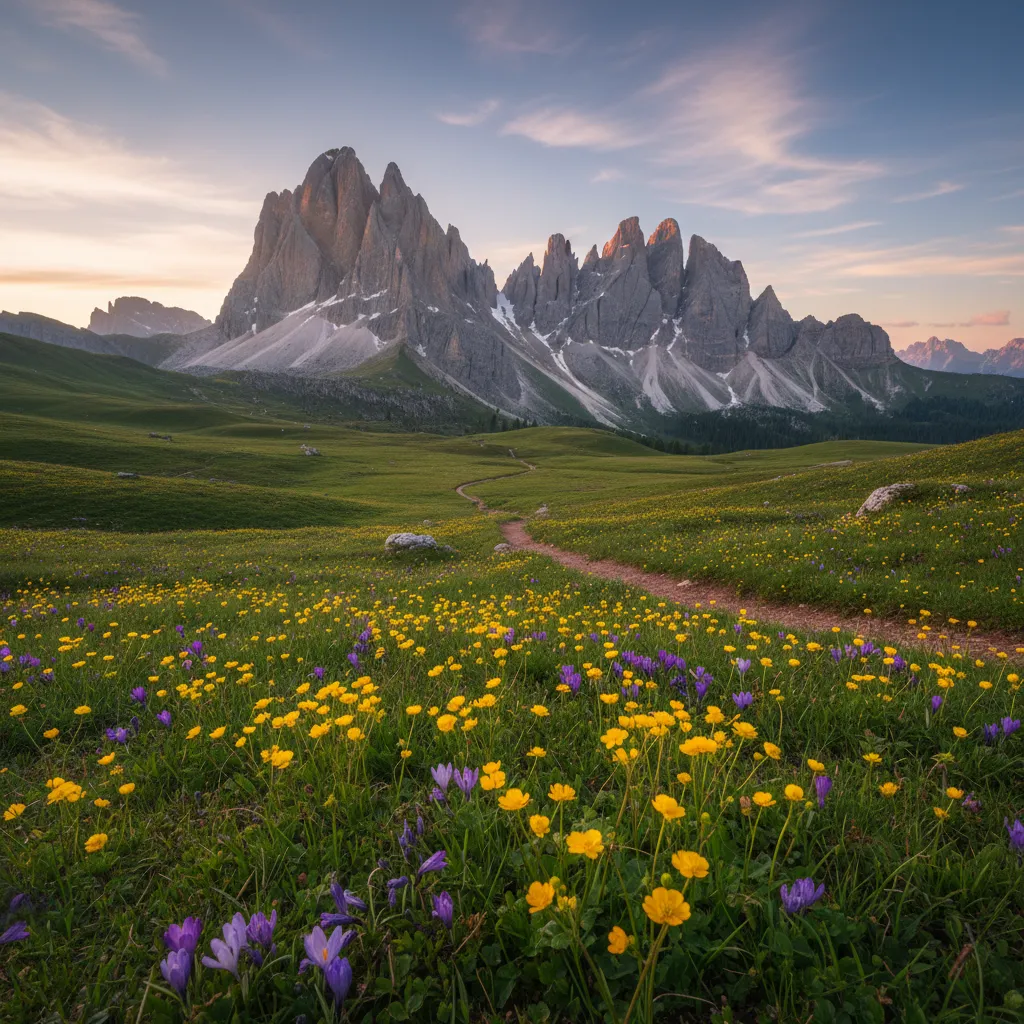
The Dolomites offer a jagged skyline that pierces the heavens, where pale limestone glows pink in the alpenglow and wildflowers carpet the valleys.
Hiking here is a dream for many, but sharing the trail with hundreds of others can dampen the magic of the wild.
To truly feel the heartbeat of these mountains, you need to step away from peak season and embrace the quiet moments when nature reclaims the paths.
Finding that perfect window requires timing your arrival for the shoulder seasons of early summer or autumn.
Late June brings the last of the snowmelt and blooming meadows, while late September offers crisp air and golden larch forests that set the landscape ablaze with color.
These periods allow you to wander for miles in solitude, hearing only the crunch of your boots and the distant whistle of a marmot rather than the chatter of crowded queues.
Choosing the path less traveled not only guarantees a better view but also fosters a deeper connection with the local Ladin culture.
We have curated a guide to help you navigate these quiet weeks, ensuring your trekking poles strike the earth in rhythm with the silence of the Alps.
Pack your rucksack and prepare for an adventure where the only thing crowding your view is the sheer magnitude of the peaks themselves.
The Trailhead Briefing
- Late May offers a dramatic visual contrast, pairing electric green valleys with snow-dusted peaks for a serene, crowd-free experience.
- Hiking requires a strategic approach; stick to lower elevations like Alpe di Siusi, as high-altitude passes remain dangerous and snowbound.
- Embrace self-sufficiency since most mountain huts (rifugi) and cable cars are closed for the season; pack your own meals and rely on a car.
- Prepare for unpredictable elements, as the spring weather can cycle through sun, rain, and snow all within a single day.
Late May: Spring Awakening in the Valleys

Late May in the Dolomites is a time of dramatic contrast. The ski season has officially ended, but the summer rush has not yet begun.
You will find the valleys turning an electric shade of green, while the high peaks remain dusted with pristine white snow.
In the Dolomites, silence is the loudest sound you will hear during the spring shoulder season.
The air smells of wet earth and pine needles. Waterfalls roar with power as the high-altitude snow begins to melt rapidly.
Hiking the Lower Elevations

Hiking in late May requires a strategic approach. High altitude passes are often dangerous or impassable due to lingering snow.
Focus your energy on the valley floors and lower pastures. The Alpe di Siusi offers miles of accessible trails with stunning mountain backdrops.
The famous Church of St. Johann in Ranui is particularly photogenic now. You can capture it without fighting crowds for the perfect angle.
If you love photography, this is your golden hour. Check out how I took stunning travel photos with just a camera to prepare.
🗽 Church of St. Johann in Ranui
Free
Historic Church: A highly photogenic church situated in the lower pastures, offering perfect angles without the crowds in late May.
- Iconic photography spot
- Located in accessible lower pastures
- Best visited in late May for solitude
Logistics: What is Open?
Travelers must know that most rifugi (mountain huts) remain closed until mid-June. You cannot rely on them for warm meals or shelter.
This means you must be self-sufficient. Pack extra layers and plenty of food for your day hikes.
Since the huts are not serving food yet, you should review these easy winter hiking meals for warmth and strength.
Cable cars typically close for maintenance between seasons. You will likely need to rent a car or rely on local buses to reach trailheads.
The weather in the Dolomites is unpredictable… in spring, you might get four seasons in one day. Come prepared for rain, sun, and even snow.
Earth Trekkers, Best Time to Visit the Dolomites
Late May vs. Peak Summer
Understanding the trade-offs is vital for planning. Here is how late May stacks up against the popular month of August.
| Feature | Late May (Shoulder) | August (Peak) |
|---|---|---|
| Crowd Levels | ✅ Very Low | ❌ Very High |
| Hotel Prices | ✅ Affordable | ❌ Expensive |
| Trail Access | ❌ Below 2,000m | ✅ Full Access |
| Mountain Huts | ❌ Mostly Closed | ✅ All Open |
| Cable Cars | ❌ Limited Service | ✅ Fully Operational |
This season rewards the patient traveler. You trade high-altitude access for solitude and lower costs.
Always check the local weather forecast each morning. Conditions change rapidly in the narrow valleys.
Late May Essentials
- Focus hiking efforts on valley floors and lower pastures, as high-altitude passes often remain impassable due to snow.
- Prepare for self-sufficiency by packing food and arranging transport, since mountain huts and cable cars are typically closed.
- Take advantage of the quiet shoulder season to capture iconic photos without the summer crowds.
- Pack layers for unpredictable weather, as spring conditions can shift from sun to snow in a single day.
Mid-June to Early July: Wildflower Season on the High Plateaus
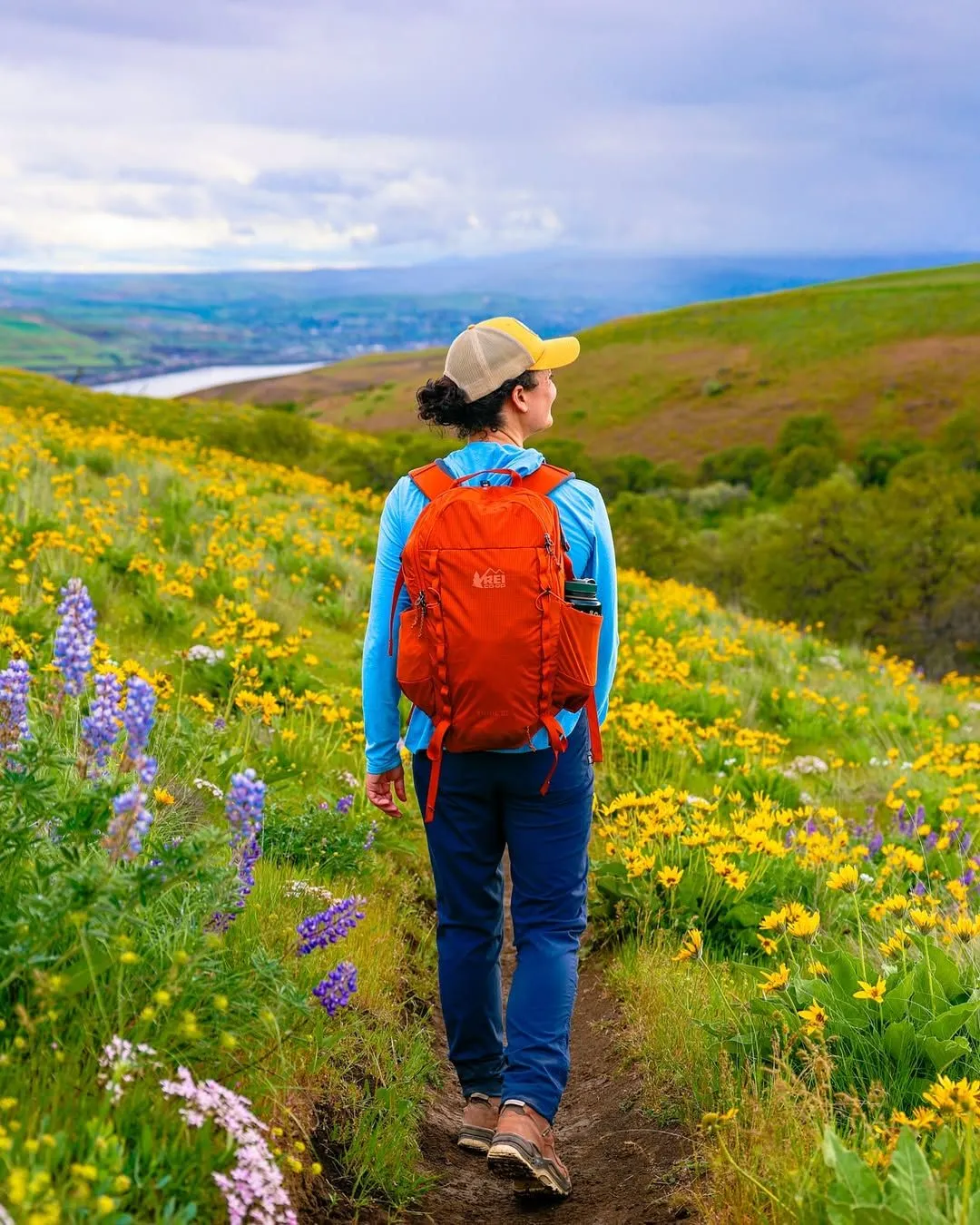
If you dream of walking through a living postcard, this is your window. The valleys turn a vibrant, electric green that looks almost fake.
Millions of wildflowers burst from the soil in a riot of color. You will see carpets of yellow buttercups and deep purple gentians.
The air smells sweet like honey and fresh pine. It is a sensory experience that photos simply cannot capture.
The Dolomites in June aren’t just a view; they are a melody of color and scent.
This period strikes a perfect balance. The snow has melted from most trails, yet the suffocating crowds of August have not arrived.
Most cable cars and rifugi (mountain huts) open by mid-June. You get full access to the peaks without the peak season queues.
The Magic of Alpe di Siusi

Nowhere is the bloom more spectacular than Alpe di Siusi. It is the largest high-altitude alpine meadow in Europe.
Imagine endless rolling hills dotted with small wooden huts. The jagged peaks of Sassolungo rise abruptly from the soft grass.
Getting here gives you freedom to explore. Read what I wish I’d known before renting a car in Italy to plan your drive.
The trails here are wide and gentle. They are perfect for those who want stunning views without technical climbing.
The blossoming of the Alpine roses usually takes place between mid-June and mid-July. It is a natural spectacle not to be missed.
South Tyrol Info, Official Tourism Portal
🌲 Alpe di Siusi
Free
Alpine Meadow: The largest high-altitude alpine meadow in Europe, featuring endless rolling hills and gentle trails.
- Largest high-altitude meadow in Europe
- Wide, gentle trails ideal for walking
- Spectacular views of the Sassolungo peaks
🌲 Sassolungo
Free
Mountain Peak: A dramatic jagged peak that rises abruptly from the soft grass of the Alpe di Siusi plateau.
- Dramatic contrast with rolling meadows
- Prominent skyline feature of Alpe di Siusi
- Visible from gentle walking trails
Weather and Safety Realities

June weather is generally mild, but it can be unpredictable. Mornings are usually crisp and clear.
However, heat and humidity build up fast. This often leads to afternoon thunderstorms that can turn dangerous quickly.
Start your hikes early. Aim to be off exposed ridges or high passes by 2:00 PM to avoid lightning risks.
Pack for four seasons in one day. The sun is intense, but the wind on the passes remains icy.
Here is a quick checklist for a safe June hike in this region:
- Waterproof Shell: storms appear out of nowhere.
- Sun Protection: the UV index is very high at altitude.
- Trekking Poles: helpful for any lingering patches of slushy snow.
- Cash: many remote huts do not accept cards.
After a long hike, the local food tastes incredible. It is hearty mountain fare designed to refuel you.
If you love culinary travel, you might enjoy reading about aperitivo in Italy for your evenings in the valley towns.
Mid-June to July Essentials
- Experience the peak wildflower season with vibrant meadows and Alpine roses before the heavy August crowds arrive.
- Visit Alpe di Siusi, Europe’s largest high-altitude meadow, for gentle trails and spectacular views.
- Plan for volatile weather; start early to avoid dangerous afternoon thunderstorms common in early summer.
- Enjoy full access to peaks as cable cars and mountain huts (rifugios) open up for the season.
September: The Ultimate Balance of Weather and Seclusion

September is widely considered the golden child of the hiking season in the Dolomites. The frenetic energy of August fades away quickly.
What remains is a stillness that feels almost sacred among the peaks. The air shifts from humid heat to a crisp and refreshing cool.
This drop in temperature is perfect for tackling high-altitude trails. You can ascend steep scree slopes without the exhaustion of summer heat.
September in the Dolomites is not just a time; it is a feeling of reclaiming the mountains.
Why September Shines
- The intense crowds of August vanish, leaving a sacred stillness on the trails.
- Humidity is replaced by crisp, cool air that makes hiking far more comfortable.
- Lower temperatures allow for tackling high-altitude scree slopes without heat exhaustion.
- It offers the perfect sweet spot between favorable weather and solitude.
The Magic of “Enrosadira” Light

The sun sits lower in the sky during September. This creates longer shadows that add dramatic depth to the landscape photography.
This angle intensifies the Enrosadira. This is the phenomenon where the limestone peaks glow pink and fiery orange at sunset.
Visibility is often at its peak. The summer haze vanishes, leaving behind skies that are piercingly blue and incredibly clear.
September is arguably the best month to hike in the Dolomites. The weather is generally stable, the skies are clear, and the trails are quieter.
Sabrina & Kati, Moon & Honey Travel
Chasing the Glow
- Lower sun angles create dramatic shadows that add depth to landscape photography
- September intensifies the Enrosadira phenomenon, making peaks glow pink and fiery orange
- Summer haze vanishes, resulting in crystal-clear visibility and piercing blue skies
- Stable weather and quieter trails make this a peak season for hiking enthusiasts
Logistics: Rifugios and Transport

Crowds thin out significantly after the first week. You no longer need to compete for space on the narrow via ferrata cables.
However, you must be vigilant about dates. Most high-altitude rifugi (mountain huts) begin to close around September 20th.
Always verify the closing dates before you hike. If you plan to camp, nights will be significantly colder than in July.
Since many travelers arrive via the coast, consider reading our detailed Venice itinerary for your arrival logistics.
Weather Stability Comparison

September offers a safer hiking environment with fewer thunderstorms compared to the unpredictable afternoons of July.
| Feature | August (High Season) | September (Shoulder Season) |
|---|---|---|
| Crowd Level | Extreme / Very High | Low / Moderate |
| Thunderstorm Risk | High (Afternoons) | Low (Stable Days) |
| Avg. High Temp (2000m) | 16°C (61°F) | 12°C (54°F) |
| Hut Availability | Book 6+ Months Ahead | Book 1 Month Ahead |
September Logistics Snapshot
- Most high-altitude rifugios begin closing around September 20th, so verify dates before hiking.
- Weather stability improves significantly with lower thunderstorm risks compared to July or August.
- Crowds thin out enough that hut reservations often require only one month’s notice rather than six.
- Expect cooler temperatures averaging 12°C (54°F) at 2000m and much colder nights if camping.
Packing for the Chill
The mornings will be frosty. You might see a dusting of snow on the highest peaks, which adds to the visual drama.
Pack thermal layers and a windbreaker. If you are planning long treks, check our guide on warm hiking meals for energy tips.
The local buses still run frequently until mid-month. After that, having a rental car becomes much more important for getting around.
November Travel Essentials
- Prepare for frosty mornings and scenic snow-dusted peaks by packing thermal layers and a windbreaker.
- Consult guides on warm hiking meals to maintain energy during long, cold treks.
- Plan transportation carefully; local buses run less frequently after mid-month, making a rental car advisable.
Early October: The Golden Larch Spectacle and Crisp Air

If summer is the crowded party, early October is the peaceful recovery. The chaotic energy of August vanishes. Silence finally reclaims the valleys.
The air bites your cheeks in the morning. By noon, the sun warms the limestone peaks. It smells of pine needles, damp earth, and woodsmoke.
This creates a sensory experience that summer cannot match. The light is softer and the shadows are longer. It feels cinematic and vast.
October in the Dolomites isn’t just a season; it is a golden hour that lasts for two weeks.
Experience the Golden Season
- The chaotic summer crowds vanish, leaving behind peaceful, silent valleys.
- Experience a cinematic landscape defined by softer light and long shadows.
- Savor the sensory mix of crisp morning air, warm limestone, and woodsmoke.
- Witness a unique ‘golden hour’ phenomenon that lasts for roughly two weeks.
The Golden Larch Phenomenon

The main event is the changing of the larches. These unique conifers turn from green to a burning neon yellow before dropping their needles.
The contrast is striking. You see vibrant gold against the pale, ghost-like grey of the dolomite rock. It looks almost otherworldly.
Photographers flock here for this specific window. The colors peak roughly between the first and third weeks of the month.
Top Spots for Larch Viewing:
- Lake Federa: The reflection of gold trees in the water is iconic.
- Val Fiscalina: A quieter valley bursting with autumn hues.
- Seiser Alm: Rolling meadows that turn into a sea of rusty orange.
The Golden Spectacle
- Larches are unique conifers that turn a burning neon yellow before shedding their needles.
- The vibrant gold foliage creates a striking, otherworldly contrast against the pale grey dolomite rock.
- Photographers should aim for the first to third weeks of the month to catch peak colors.
- Prime viewing locations include Lake Federa, Val Fiscalina, and the rolling meadows of Seiser Alm.
Logistics and Seasonal Closures
Travel in October requires more self-sufficiency. This is the tail end of the hiking season. You must check schedules carefully.
Many mountain huts (rifugi) close by mid-October. You cannot rely on them for warm meals or beds on every trail.
Cable cars also run on reduced schedules. Some lift systems shut down completely after the second week for maintenance.
Since services are limited, you must pack smart. Check my guide on I Tested the 3 Best Travel Backpacks for Women My Winners to carry your extra layers comfortably.
The shoulder season in the Dolomites offers a tranquility that is hard to find in summer. However, it requires careful planning as mountain passes can see early snow.
Odoardo Spizzichino, Queen of the Dolomites
Navigating October Logistics
- Mountain huts (rifugios) often close by mid-October, so do not rely on them for accommodation or warm meals.
- Cable car schedules are significantly reduced, with many lifts shutting down completely for maintenance after the second week.
- Travelers must be self-sufficient and pack smart layers, as services are limited and mountain passes may experience early snow.
Weather and Safety Realities

The weather is generally stable but cold. Mornings can be near freezing. You need thermal base layers and a good windbreaker.
Days are shorter now. The sun dips behind the high peaks early in the afternoon. This drops temperatures rapidly.
Always carry a headlamp. Hiking in the dark is dangerous on rocky terrain. Plan to finish your hikes by 4:00 PM to be safe.
While some luxury stays remain open, prices drop. Read How I Built a Travel Budget That Actually Works for Me to maximize these shoulder season savings.
October Hiking Conditions at a Glance
| Factor | Early October Condition | Traveler Impact |
|---|---|---|
| Crowds | Low to Moderate | Peaceful trails, easy parking. |
| Lifts | Limited Schedule | Check operating hours daily. |
| Temps | 5°C to 15°C (41°F-59°F) | Pack layers and gloves. |
| Huts | Closing for Season | Carry your own food/water. |
October Hiking Snapshot
- Expect stable but cold weather (41°F-59°F), requiring thermal base layers and gloves.
- Plan for shorter days by finishing hikes before 4:00 PM and always carrying a headlamp.
- Pack your own food and water, as mountain huts are closing and lift schedules are limited.
- Take advantage of reduced crowds and lower prices on luxury accommodations.
Embrace the Silence of the Pale Mountains
Finding the Dolomites without the crush of summer tourists requires perfect timing and a spirit of compromise.
Whether you choose the crisp awakening of late May or the golden serenity of October, the rewards are immense.
You may encounter lingering snow or closed mountain huts, but you gain the trails entirely to yourself.
Pack your warmest layers, respect the unpredictable sky, and prepare to hear nothing but the wind in the pines.
Questions for the Solitary Hiker
Late May and mid-to-late October are the quietest times. You will avoid the August rush, though some amenities will be closed.
Generally, no. Trails above 2,000 meters often retain deep snow. It is safer to stick to the lush valley floors and lower pastures.
Yes. Public transport and cable cars often shut down for maintenance between seasons. A car ensures you can reach trailheads.
Most huts remain closed until mid-June. You must be self-sufficient and carry plenty of food and water for your day hikes.


