
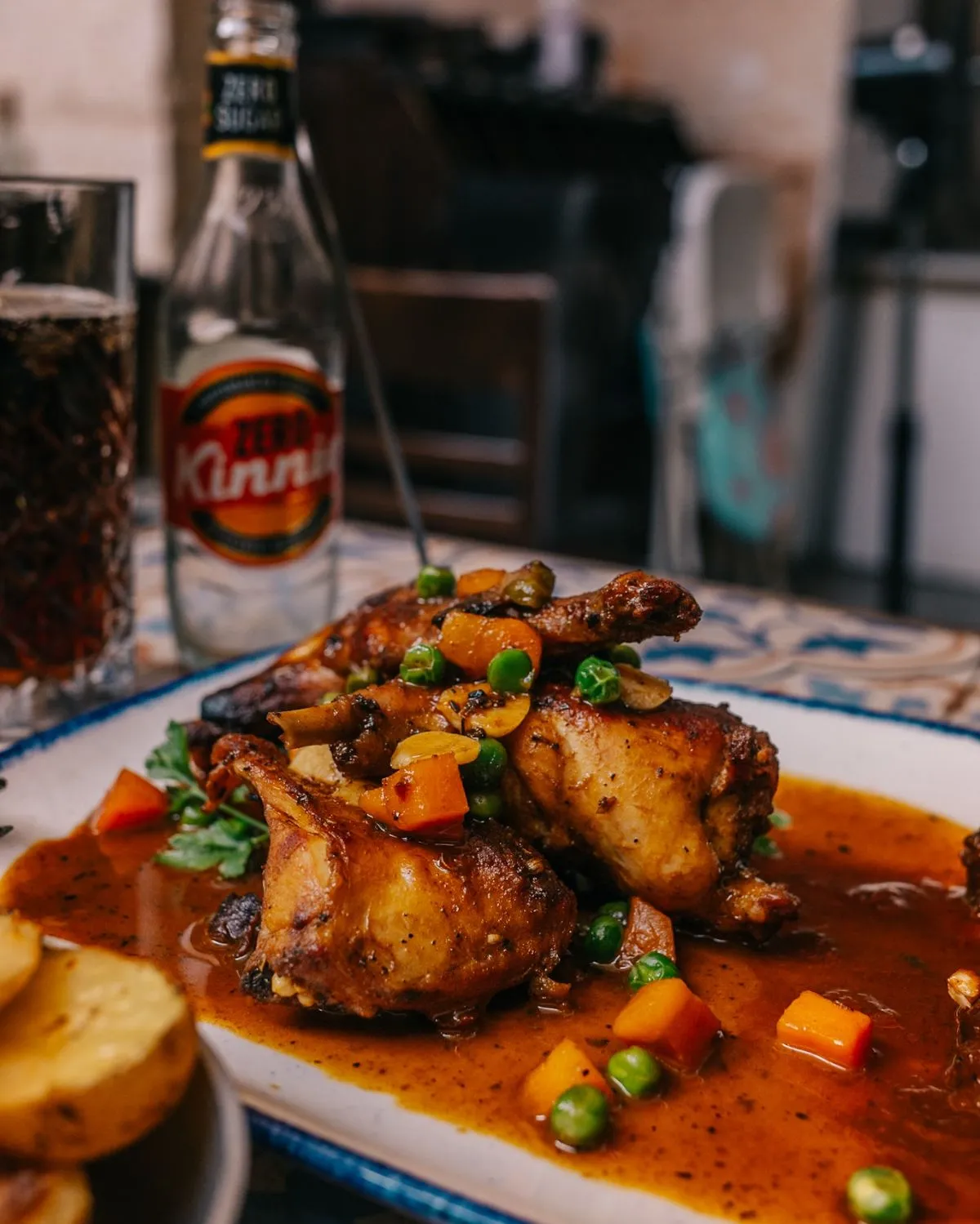
Table of Contents
- Marsaxlokk: Fresh Seafood Lunch at the Sunday Fish Market
- Mgarr: Indulging in a Traditional Fenkata Rabbit Stew
- Qormi: Discovery of UNESCO-Recognized Ftira Bread
- Valletta: The Evolution of Maltese Cuisine in the Capital
- Gozo Day Trip: Agritourism and Gbejna Cheese Tasting Tours
- A Feast for the Senses
- Maltese Menu Queries
Forget everything you thought you knew about Maltese cuisine.
While pastizzi certainly hold a beloved place, Malta’s culinary landscape is a vibrant tapestry woven with ancient traditions, fresh Mediterranean flavors, and unexpected delights.
This itinerary invites you to push beyond the well-trodden path and embark on an unforgettable gastronomic adventure.
Prepare to awaken your senses.
Imagine savoring sun-ripened tomatoes bursting with flavor, the salty tang of freshly caught octopus, or the aromatic spices of slow-cooked rabbit stew.
Our journey explores bustling markets, tucked-away family taverns, and innovative eateries, all while respecting the rich cultural heritage that defines each bite.
This is an invitation to truly taste Malta.
As your trusted guide and fellow culinary explorer, I have unearthed the island’s most authentic flavors and secret foodie havens.
This isn’t just a list of restaurants; it’s a meticulously crafted path designed to ensure you experience the very best of Malta’s gastronomic soul. It leaves you nourished, inspired, and yearning for more. Let’s dig in.
The Marsaxlokk Flavor Snapshot
- Immerse yourself in the sensory overload of the Sunday Fish Market, where colorful Luzzu boats and the scent of frying garlic set the stage for a gastronomic adventure.
- Savor the catch of the day by ordering seasonal Lampuki (mahi-mahi) pie or a warming bowl of Aljotta, a traditional garlic-heavy fish soup.
- Choose your vibe: brave the chaotic energy of Sunday morning for the full market spectacle, or visit mid-week to watch fishermen mend nets in peace.
- Practical Tip: Hop on bus 81 or 85 from Valletta, but aim to arrive before 10:00 AM to beat the crushing tourist crowds.
Marsaxlokk: Fresh Seafood Lunch at the Sunday Fish Market
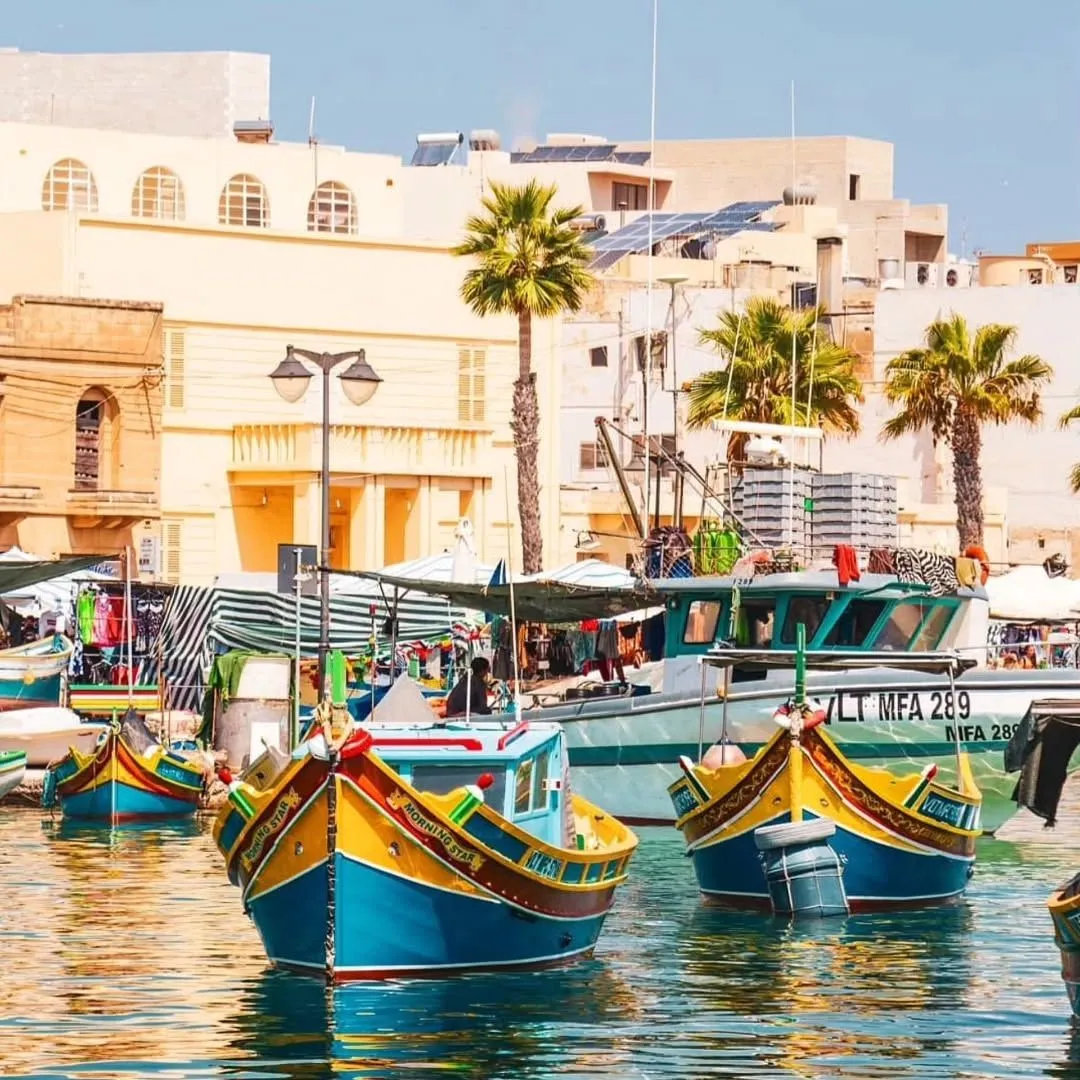
Marsaxlokk is the sensory heart of Malta’s fishing industry. The first thing that hits you is the color; the harbor is filled with traditional Luzzu boats.
These vessels are painted in vibrant shades of blue, yellow, and red. Look closely at the bow of each boat, where you will see the painted Eye of Osiris.
This ancient symbol is believed to protect fishermen from bad luck at sea, and it creates a stunning backdrop for a gastronomic adventure.
In Marsaxlokk, the catch of the day isn’t just a menu item; it’s a way of life served on a plate.
On Sundays, the waterfront promenade transforms completely into a sprawling open-air market that stretches along the entire bay.
The air is thick with the scent of salt water and frying garlic as locals haggle loudly over the price of swordfish and octopus.
Just like enjoying a slow Aperitivo in Italy, lunch here is meant to be a leisurely social affair.
Marsaxlokk Market Highlights
- Spot the iconic Luzzu boats painted in vibrant colors and marked with the protective Eye of Osiris.
- Visit on Sundays when the waterfront transforms into a sprawling, sensory-filled open-air market.
- Treat lunch as a leisurely social affair, savoring fresh seafood amidst the scent of saltwater and garlic.
🗽 Marsaxlokk Harbor
Free
Traditional Fishing Village: The sensory heart of Malta’s fishing industry, famous for its colorful Luzzu boats and traditional atmosphere.
- Vibrant Luzzu boats with the Eye of Osiris
- Active hub for the local fishing industry
- Stunning backdrop for waterfront dining
🛍️ Marsaxlokk Sunday Fish Market
Free
Open-Air Market: A bustling waterfront market where the catch of the day is sold directly alongside the harbor.
- Scent of salt water and frying garlic
- Haggling for fresh swordfish and octopus
- Stretches along the entire promenade on Sundays
Before 10:00 AM
Arrive at Marsaxlokk Harbor
Beats the heavy crowds and fills for the buses.
Late Morning
Explore the Sunday Fish Market
Look for the painted Eye of Osiris on the Luzzu boats.
Lunchtime
Seafood Feast on the Promenade
Order Lampuki in autumn or Aljotta fish soup.
What to Eat: The Sunday Feast
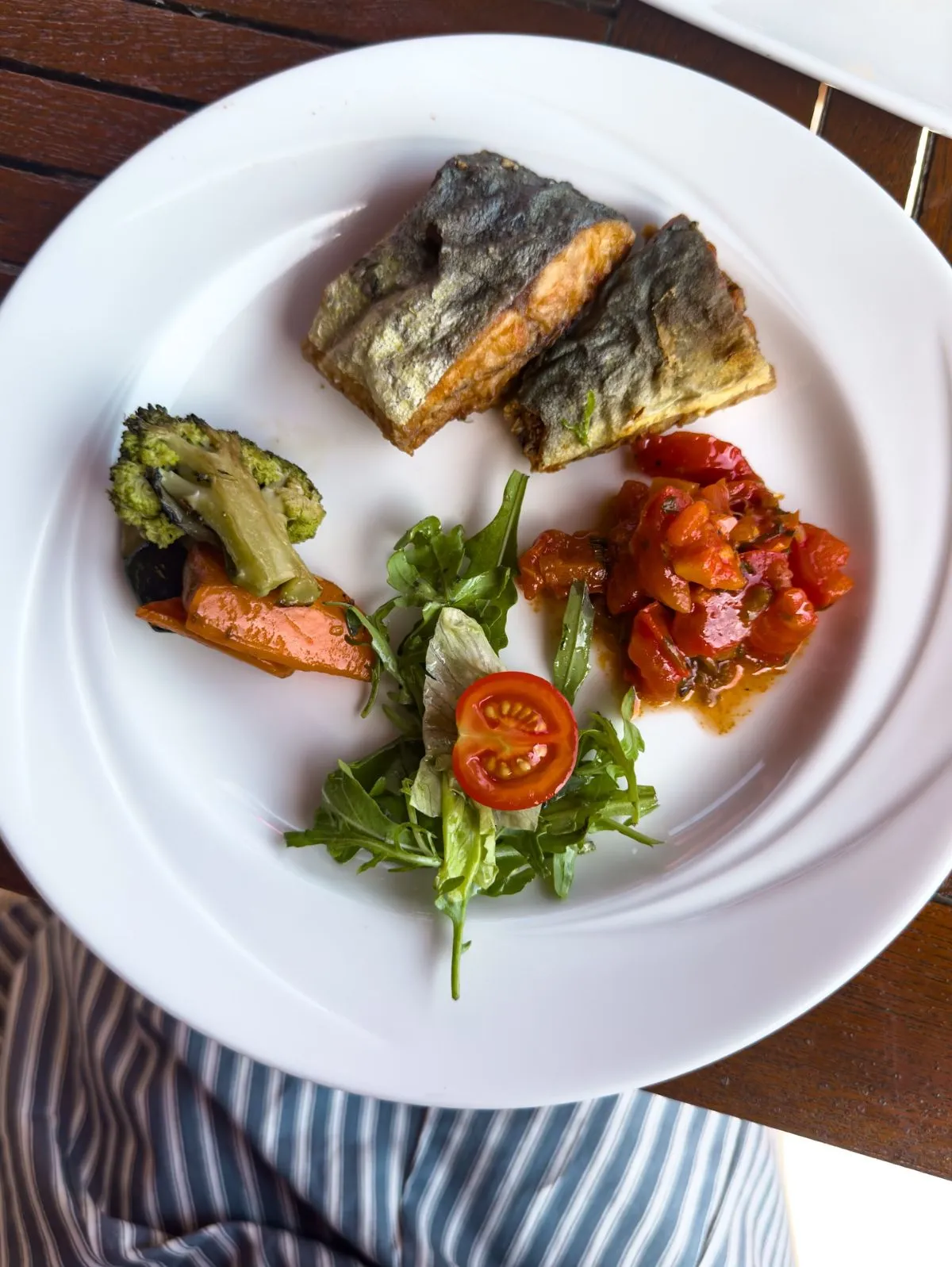
The star of the show changes with the seasons. If you visit in autumn, you must order Lampuki, which is the local name for dolphin fish or mahi-mahi.
It is often served fried or baked in a savory pie. For a lighter starter, look for Aljotta, a traditional Maltese fish soup heavy on garlic and herbs.
Most restaurants along the promenade source their menu directly from the boats outside. Tartarun offers an upscale twist on these classics.
For a more rustic vibe, try the family-run spots near the parish church. Expect to pay between €15 and €25 for a main seafood course.
The Sunday fish market is a fascinating spectacle… but for a quieter experience, come during the week when the fishermen mend their nets.
Lonely Planet, Marsaxlokk Highlights
Marsaxlokk Dining Highlights
- In autumn, try Lampuki (dolphin fish), a seasonal favorite served fried or in a savory pie.
- Start your meal with Aljotta, a traditional Maltese fish soup seasoned with garlic and herbs.
- Choose between upscale dining at Tartarun or rustic family-run eateries near the parish church.
- Fresh seafood main courses along the promenade typically range from €15 to €25.
🍽️ Tartarun
$$
Upscale Seafood: An upscale dining establishment on the Marsaxlokk promenade offering modern interpretations of Maltese classics.
- Sourced directly from boats in the harbor
- Refined twist on traditional fish recipes
- Premier location for a leisurely social lunch
🗽 Marsaxlokk Parish Church
Free
Historic Church: A central landmark in the fishing village surrounded by rustic, family-run dining spots.
- Focal point for the village community
- Surrounded by family-run seafood restaurants
- Located near the heart of the Sunday market action
Logistics: Surviving the Sunday Crowds
The Sunday market is undeniably popular, which means it gets incredibly crowded by 10:00 AM. Safety is generally good, but watch your pockets.
Public transport is the most affordable option. The 81 and 85 buses run from Valletta; however, these buses fill up instantly on Sunday mornings.
If you prefer coastal adventures without the intense crowds, you might enjoy our guide on Croatia Island Hopping Budget Tips.
Deciding when to visit depends on what you value more: the chaotic atmosphere or a peaceful lunch. Use this comparison to decide.
| Feature | Sunday Visit | Weekday Visit |
|---|---|---|
| Market Atmosphere | ✅ Bustling & Loud | ❌ Quiet / Closed |
| Crowd Levels | ❌ Very High | ✅ Low / Relaxed |
| Restaurant Waits | ❌ Long Lines | ✅ Walk-in Available |
| Photography | ✅ Vibrant Action | ✅ Clear Scenery |
Marsaxlokk Survival Guide
- Arrive before 10:00 AM to beat the peak crowds and secure a spot on the 81 or 85 bus from Valletta.
- Stay vigilant with your belongings in high-traffic areas as the market becomes extremely dense.
- Choose a weekday visit if you prefer a relaxed atmosphere with no restaurant wait times and clearer views.
- Expect public transport to fill up instantly on Sunday mornings, so plan for potential travel delays.
Mgarr: Indulging in a Traditional Fenkata Rabbit Stew
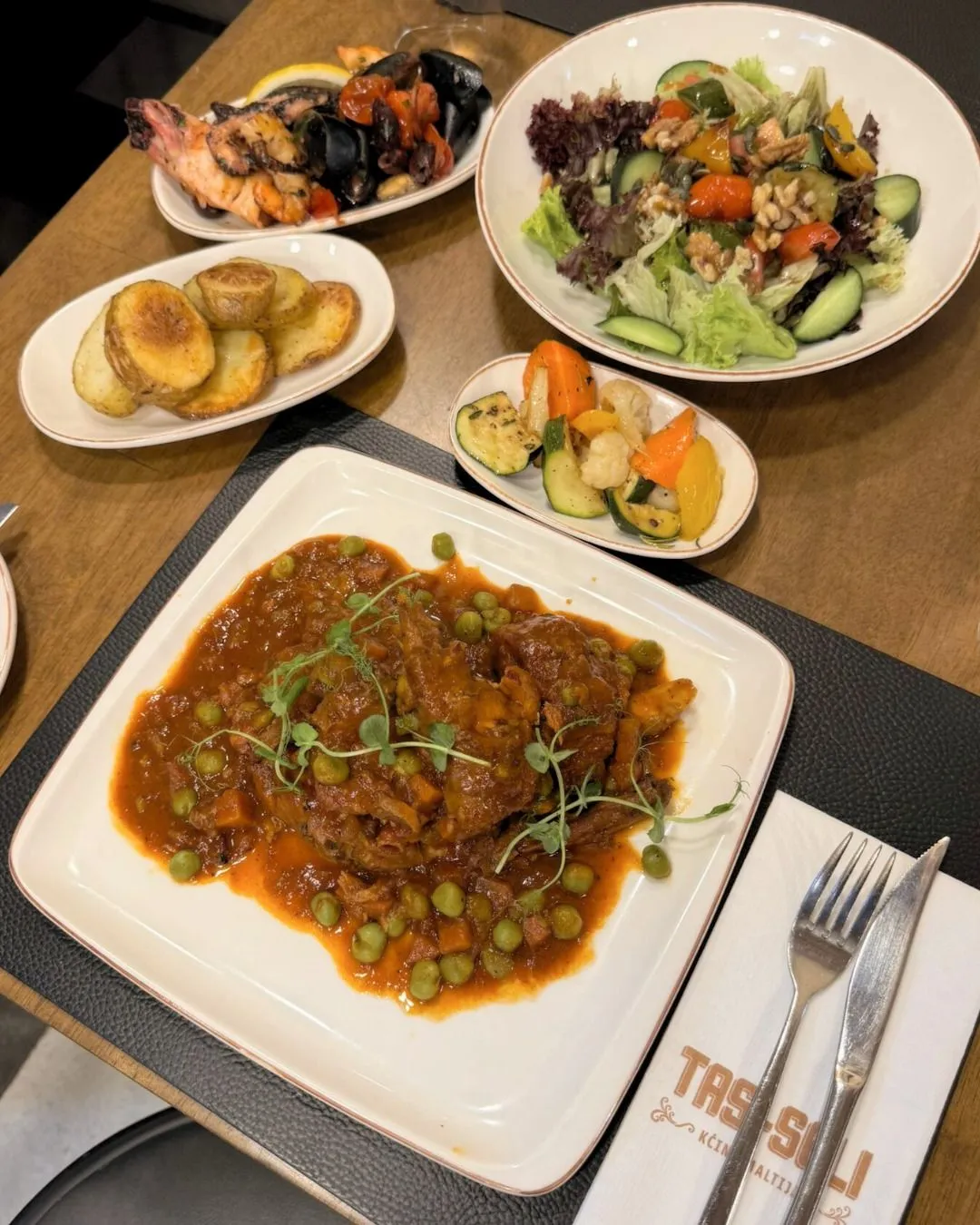
Mgarr is a quiet agricultural village in the northwest. By day, it is sleepy and surrounds a massive limestone church, but by night, it changes.
The air fills with the heavy scent of fried garlic and wine as locals flock here for one specific reason: they come for the fenkata.
This is not just a meal; it is a communal rabbit feast. It is the culinary heartbeat of the island and a must for any serious food traveler.
To eat fenkata is to understand the Maltese soul: hearty, generous, and best enjoyed with loud company.
The experience is a two-part marathon. You do not simply order a plate of meat; instead, you must pace yourself for the courses.
First comes the pasta. Spaghetti is tossed in a rich, dark rabbit ragu. The sauce is savory and coats every strand, but do not fill up on bread yet.
The main event follows the pasta. The rabbit is usually fried in garlic and white wine, and it arrives in large bowls for the table to share.
The meat is tender but gamey. It is served with thick-cut fries and gravy. The atmosphere in these restaurants is loud and joyful.
Similar to the ritual of Aperitivo in Italy, the fenkata is about social bonding, and it often lasts for hours.
The ‘Fenkata’ is a culinary tradition that dates back to the time of the Knights… it is a celebration of Maltese identity.
Visit Malta, Gastronomy of the Maltese Islands
🗽 Mgarr Village
Free
Agricultural Village: A quiet agricultural village in the northwest known as the capital for traditional rabbit stew.
- Famous for the communal Fenkata feast
- Rustic atmosphere far from tourist hubs
- Dominated by a massive limestone church
Evening
Communal Rabbit Feast
Booking is essential on weekends; arrive hungry.
First Course
Spaghetti in Rabbit Ragu
Don’t fill up on bread before this savory course.
Second Course
Fried Rabbit with Garlic & Wine
Served family-style with thick-cut fries.
Planning Your Mgarr Visit
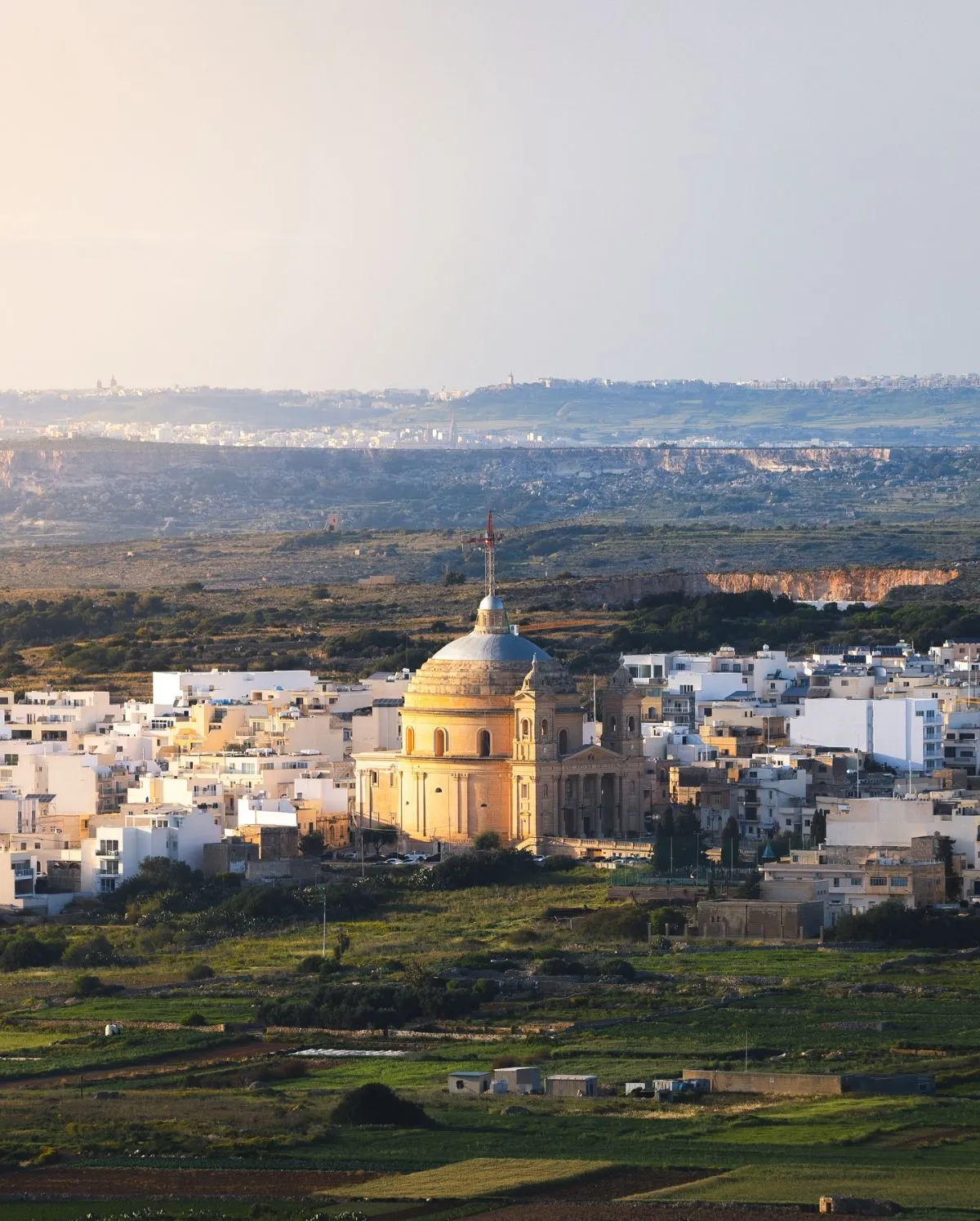
Most restaurants in Mgarr are family-run. They are unpretentious and focus entirely on flavor. The decor is often rustic stone and wood.
Booking is essential on weekends. Sunday lunch is particularly chaotic with local families, so a reservation guarantees you a seat.
Transportation is straightforward. You can take a bus, but a car is faster. If you are driving, park near the church and walk.
For those watching their spending, a fenkata is excellent value. It offers a massive volume of food for a reasonable price.
If you enjoy saving money on trips, check out how I built a travel budget that actually works for tips on managing dining costs.
Be prepared for the garlic level. The Maltese do not shy away from it, and you will likely taste it for the rest of the evening.
| Element | What to Expect | Traveler Tip |
|---|---|---|
| Portion Size | Extremely large family-style servings. | Order one starter to share between two people. |
| The Wine | Local Maltese red wine is standard. | Ask for a “half bottle” if you are driving. |
| Dress Code | Casual and comfortable. | Avoid white shirts due to tomato sauce splashes. |
| Service Style | Slow, relaxed, and friendly. | Do not rush; enjoy the slow pace of the meal. |
Vegetarians should be cautious here, as the menu is heavily meat-focused. However, local goat cheese (gbejniet) is a delicious alternative.
Mgarr offers an authentic slice of life. It is far removed from the polished hotels of Valletta; it tastes like history.
Essential Guide to the Mgarr Fenkata Experience
- Experience the traditional two-course feast consisting of spaghetti in rabbit ragu followed by rabbit fried in garlic and white wine.
- Secure a restaurant booking in advance, especially for Sunday lunch when local families gather for this loud and communal social ritual.
- Look for unpretentious family-run restaurants near the village church for the most authentic and budget-friendly rabbit stew experience.
- Be prepared for generous portions and high garlic levels as you partake in a centuries-old culinary celebration of Maltese identity.
Qormi: Discovery of UNESCO-Recognized Ftira Bread
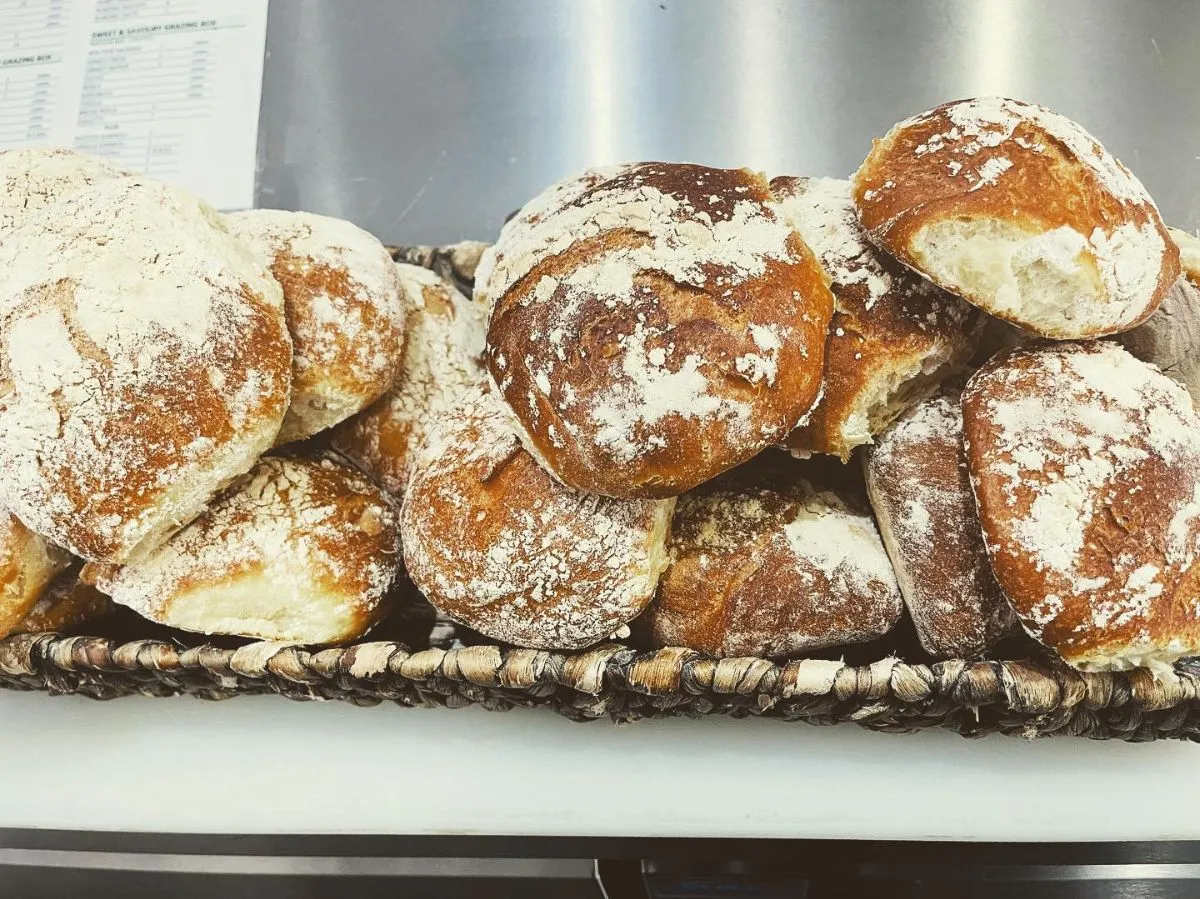
Qormi is often overlooked by average tourists, but locals know it as Casal Fornaro, which translates to the Baker’s Village.
The air here is thick with the scent of yeast. Wood-fired ovens have burned here for centuries, making it the heart of Maltese baking.
You are here for the Ftira. This is not just bread; in 2020, UNESCO added it to the Intangible Cultural Heritage list.
Follow the scent of burning wood and fresh dough to find the true soul of Maltese cuisine.
The bread is ring-shaped and flat. It has a fiercely crunchy crust, while the inside is airy with large holes like a honeycomb.
🏛️ Qormi (Casal Fornaro)
Free
The Baker’s Village: A historical village renowned for its wood-fired ovens and centuries-old bread-making traditions.
- Heart of UNESCO-recognized Ftira bread production
- Home to numerous multi-generational bakeries
- Known locally as the village of bakers
Midday
Stroll near St. George’s Church
Follow the scent of wood-fired ovens.
Lunch
Ftira biz-zejt at Ta’ Doni
Ensure it has kunserva, olive oil, and tuna.
Afternoon
Local Bakery Visit
Pick up fresh, ring-shaped sourdough for later.
The Art of the Open Sandwich
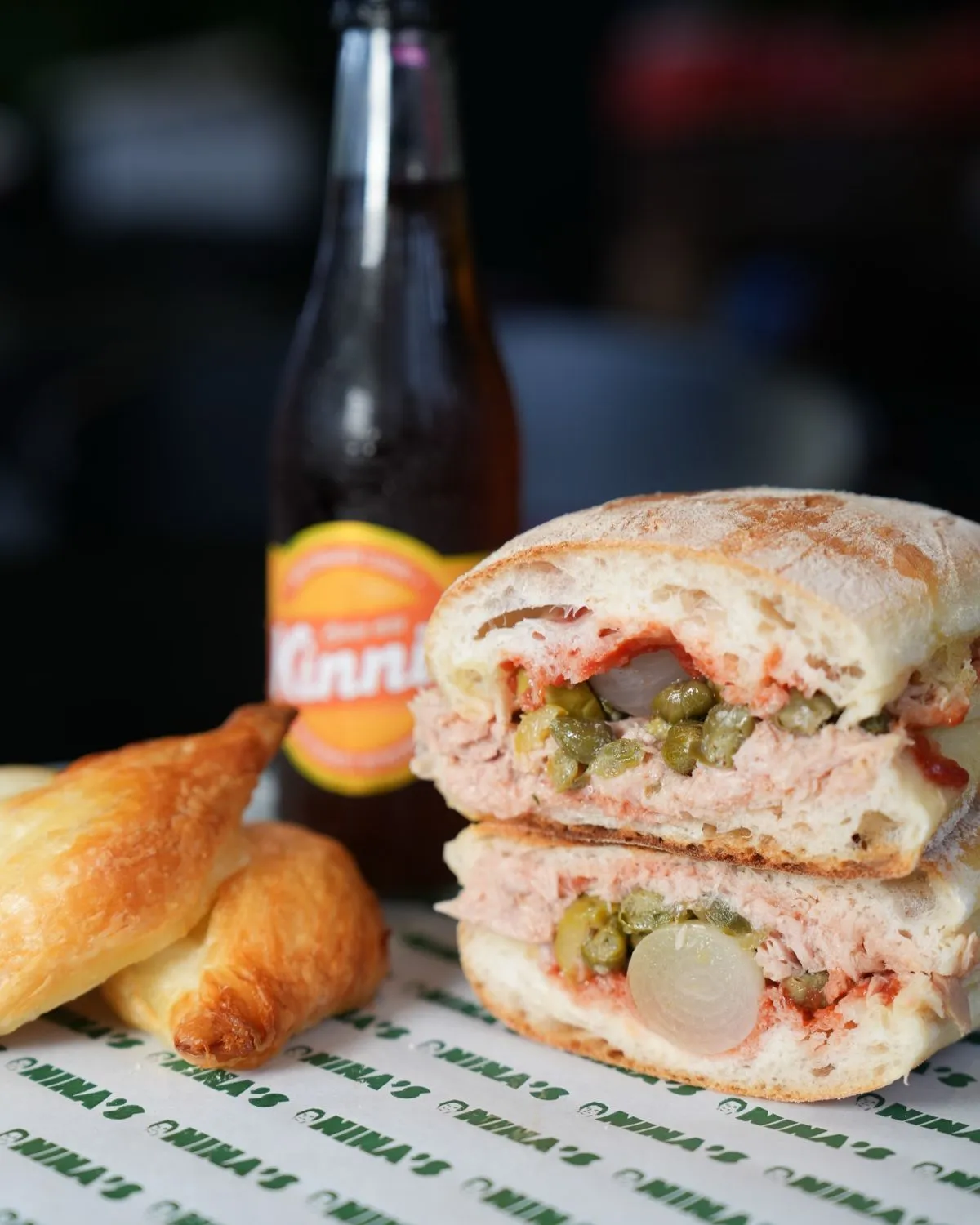
You must try Ftira biz-zejt. This translates to “bread with oil,” and it is the ultimate Mediterranean lunch.
The baker rubs the crusty bread with garlic and drizzles it with rich local olive oil. It is similar to the rustic simplicity of tapas culture in Spain.
Toppings are fresh and pungent. Sweet tomato paste acts as the base, while capers and olives add a briny kick.
The ftira creates a sense of continuity and identity, linking the current generation to the past.
UNESCO, Intangible Cultural Heritage
Where to Eat in Qormi
Head to the area near St. George’s Church and look for small, family-run bakeries, many of which have been operating for generations.
Ta’ Doni is a standout favorite. Their craft beer selection pairs well with the food, and the atmosphere is lively and local.
Prices are incredibly low for the quality; it rivals the value found in a Copenhagen cheap food guide.
To order like a local, ensure your Ftira includes the “Holy Trinity” of toppings. Use this checklist for the authentic experience.
🗽 St. George’s Church, Qormi
Free
Parish Church Area: The historical area surrounding the church is home to some of the village’s oldest bakeries.
- Proximity to family-run bakeries
- Central hub for exploring Qormi’s narrow streets
- Rich historical atmosphere
🍽️ Ta’ Doni
$
Artisan Bakery & Bistro: A local favorite in Qormi serving traditional Ftira biz-zejt and craft beers in a lively setting.
- Exceptional UNESCO-style Ftira sandwiches
- Wide selection of local craft beers
- Authentic, unpretentious local vibe
Essential Ftira Biz-Zejt Ingredients
- Kunserva: Sweet, thick tomato paste spread generously.
- Zejt taż-Żebbuġa: High-quality local olive oil.
- Tuna: Chunks of oil-packed tuna fish.
- Gbejna: Local sheep’s cheese, peppered or plain.
- Bigilla: A broad bean dip often added on the side.
Visit in the early morning. The ovens are hottest then, and the bread is at its absolute freshest.
The Secrets of the Baker’s Village
- Qormi, known as Casal Fornaro or the Baker’s Village, is the historic heart of Maltese bread-making and the birthplace of UNESCO-recognized Ftira.
- The quintessential dish to try is Ftira biz-zejt, a crusty open-faced sandwich rubbed with garlic and topped with sweet tomato paste and local olive oil.
- Explore the area around St. George’s Church to find traditional wood-fired bakeries where generations-old techniques are still used today.
- For an authentic local taste, ensure your bread includes the ‘Holy Trinity’ of toppings: kunserva, high-quality olive oil, and briney capers or olives.
Valletta: The Evolution of Maltese Cuisine in the Capital
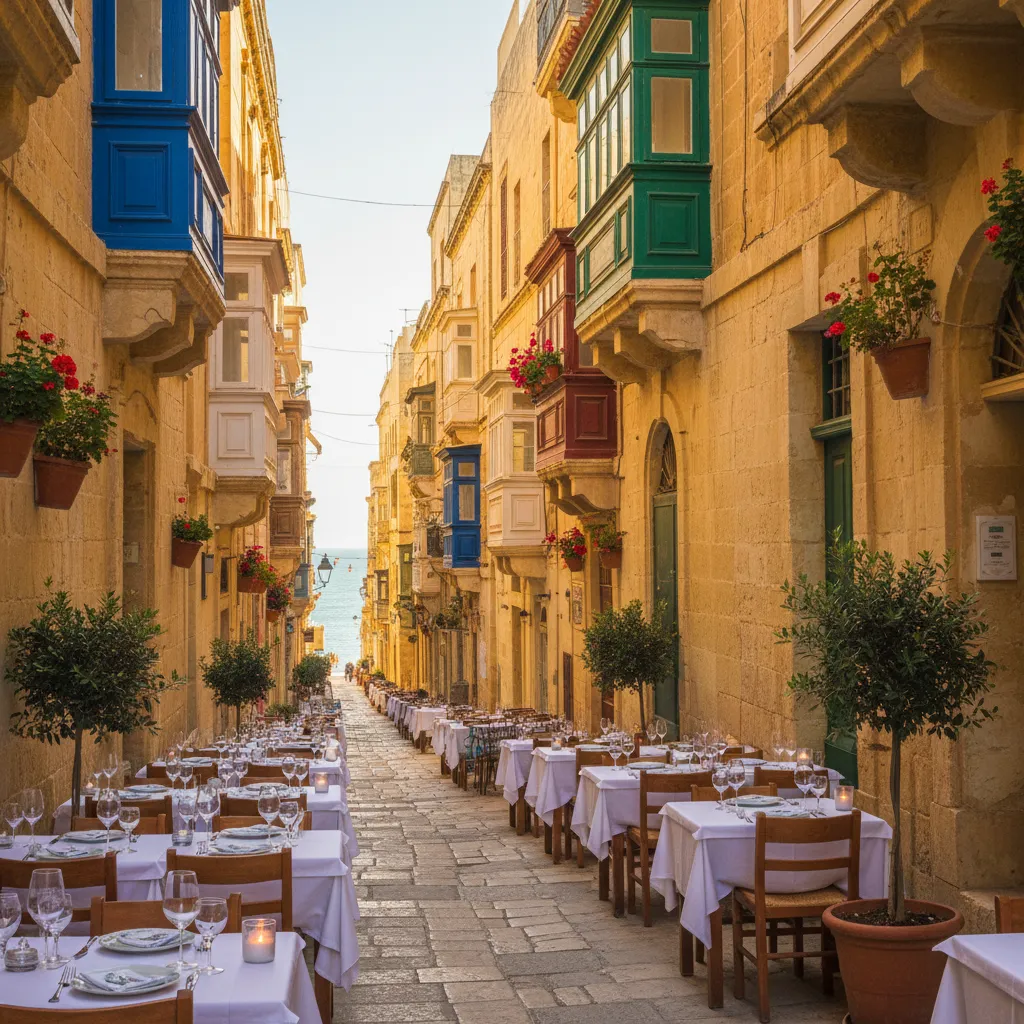
Valletta is a sensory masterpiece. The city glows with honey-colored limestone at sunset.
The air carries the scent of wild thyme and salty sea breeze; it is truly intoxicating.
This is not just a historic site; it is the beating heart of Maltese gastronomy.
Ancient recipes are meeting modern techniques here, and the result is a vibrant food scene.
Valletta tastes like history served on a modern porcelain plate.
From Peasant Food to Michelin Stars
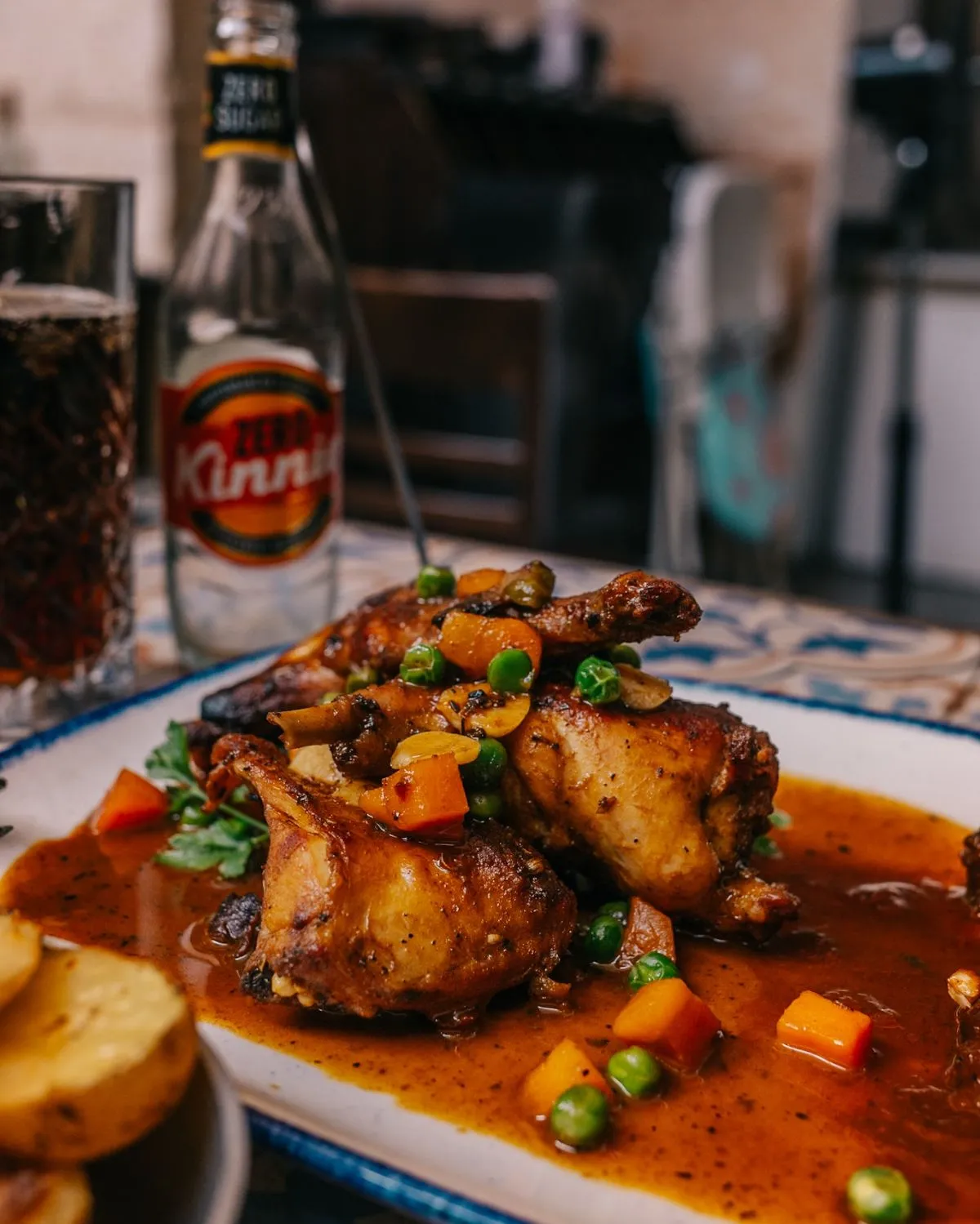
The capital has seen a culinary renaissance as young chefs are returning from abroad.
They are reclaiming local ingredients, where rabbit and lampuki fish are treated with reverence.
You will find Michelin-starred spots tucked in old cellars, and the contrast is striking.
This evolution mirrors the tapas culture in Spain.
Chefs take humble dishes and elevate them, which preserves the soul of the food.
The Maltese culinary scene has transformed in recent years… chefs are championing local produce and rediscovering traditional recipes.
The MICHELIN Guide, Malta Destination Guide
Strait Street: The Nightlife Revival
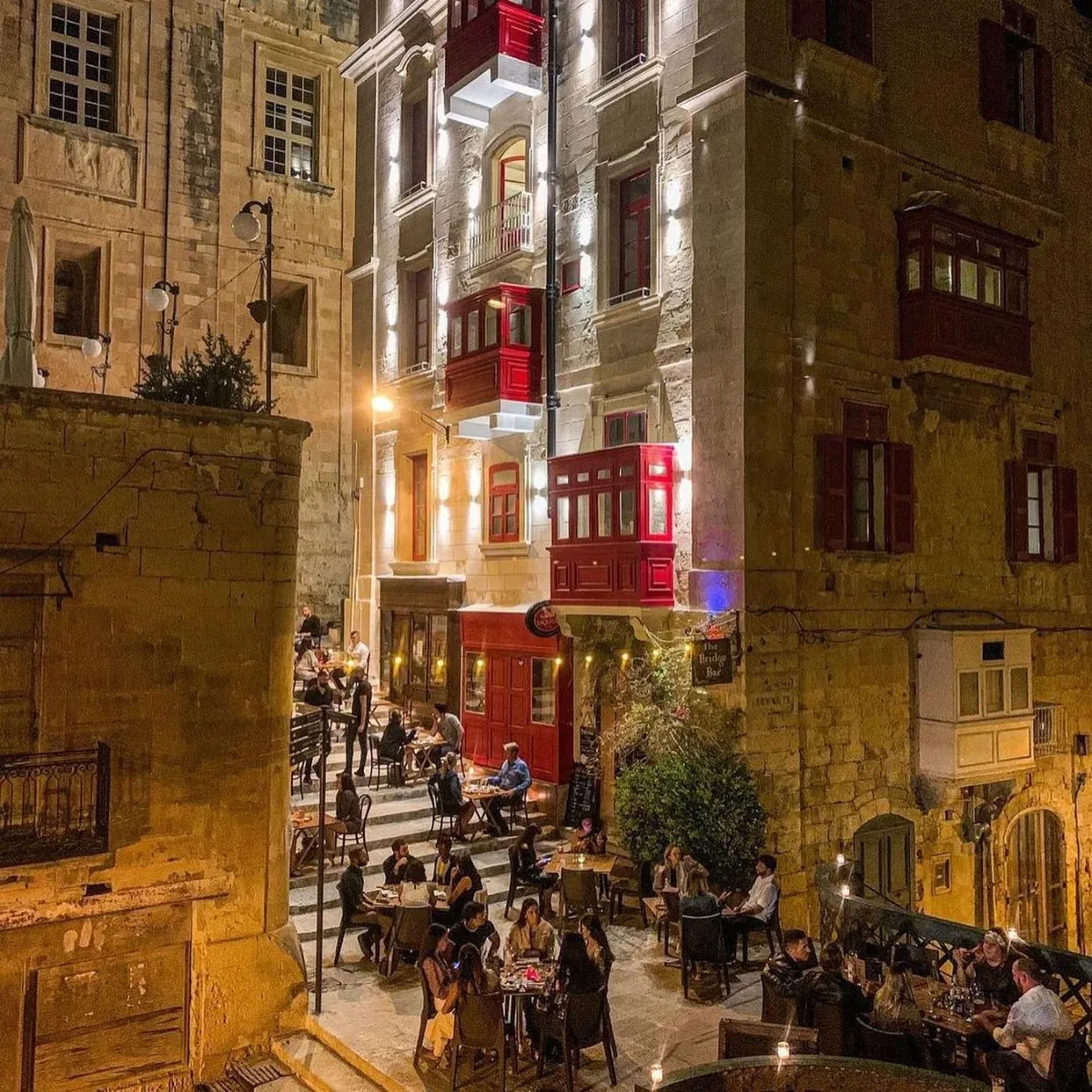
Strait Street was once the red-light district, where British sailors frequented its bars.
Today it is the center of nightlife. You can find excellent wine bars and jazz clubs.
The atmosphere is electric yet refined; it is perfect for a post-dinner cocktail.
Try a prickly pear liqueur here. It is sweet, vibrant, and distinctly Maltese.
Planning Your Capital Feast
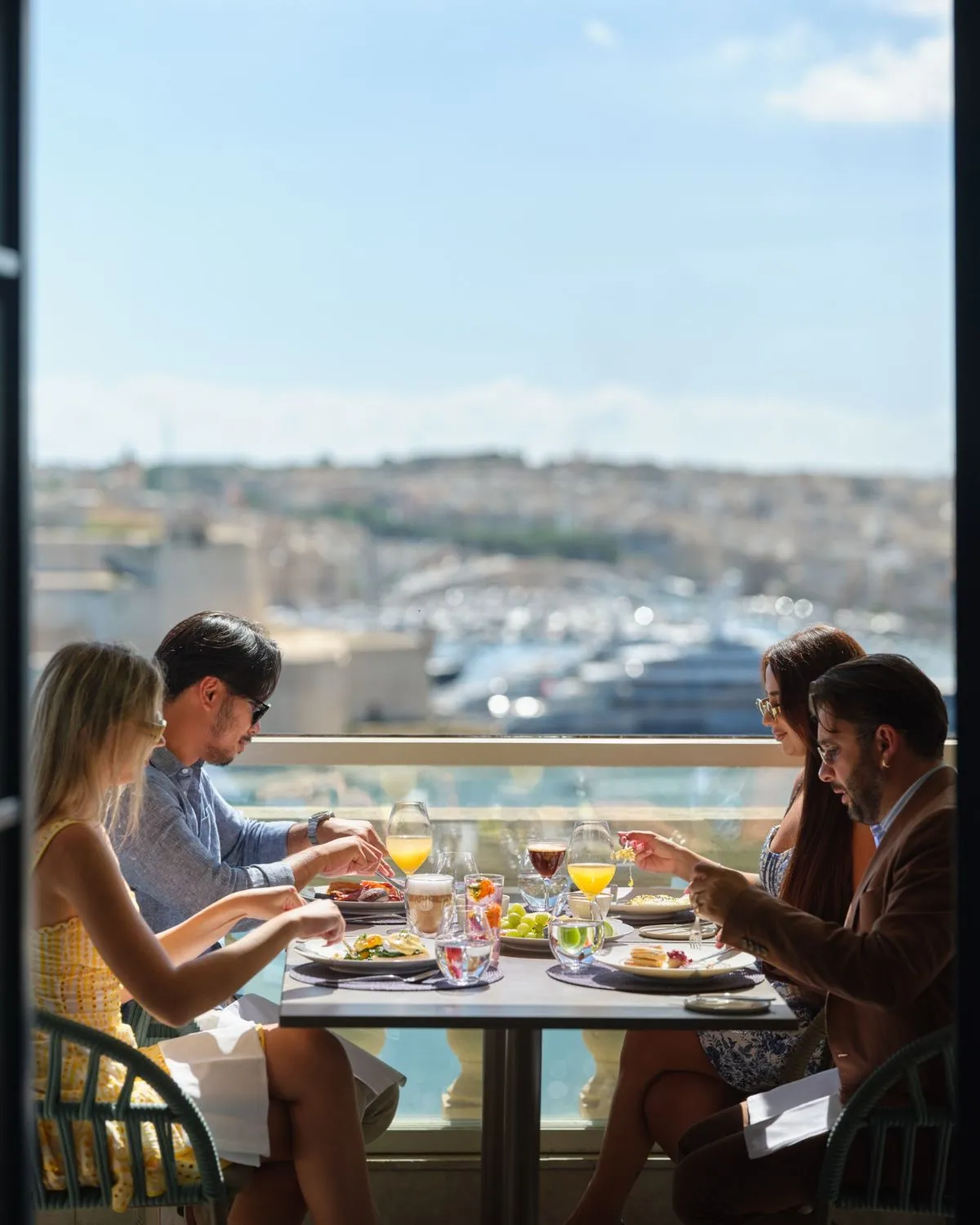
Dining in Valletta requires strategy, as the best tables vanish weeks in advance.
Lunch is usually served from 12:30 PM to 2:30 PM, and many kitchens close strictly afterward.
Dinner is a late affair, and locals rarely sit down before 8:00 PM.
If you enjoy the lively vibe of a Barcelona travel itinerary, you will love it here.
Top Culinary Experiences in Valletta:
- Is-Suq tal-Belt: An indoor food market perfect for a quick, diverse lunch.
- Trabuxu Bistro: exquisite seasonal dishes in a 400-year-old stone vaulted cellar.
- Sunday Lunch: A sacred tradition. Expect long, lazy meals with family.
- Coffee Culture: Historic cafes on Republic Street offer prime people-watching.
Dining Styles Comparison
Choose the right venue for your mood; Valletta offers diverse options.
| Venue Type | Avg Price (Dinner) | Atmosphere | Best For |
|---|---|---|---|
| Gastro-Bistro | €35 – €50 | Rustic & Trendy | Modern Maltese food |
| Wine Bar | €20 – €35 | Intimate & Dark | Platters & local wine |
| Fine Dining | €80 – €120+ | Elegant & Quiet | Special occasions |
| Kiosk / Snack | €5 – €10 | Outdoors & Fast | Quick bites |
Always check the dress code. Fine dining spots often require smart casual attire.
Shorts are generally frowned upon at dinner, so dress to impress the stylish locals.
Valletta: A Gastronomic Renaissance
- Modern chefs are elevating traditional Maltese staples like rabbit and lampuki fish into sophisticated Michelin-starred dishes.
- Strait Street has transformed from a historic red-light district into the capital’s vibrant hub for wine bars and jazz.
- Strategic planning is essential as the best tables often require booking weeks in advance for late-evening dining.
- The culinary scene seamlessly blends ancient recipes with contemporary techniques within the city’s historic limestone cellars.
Gozo Day Trip: Agritourism and Gbejna Cheese Tasting Tours
Leaving the main island for Gozo feels like stepping back in time. The 25-minute ferry ride across the channel shifts the atmosphere instantly.
The pace slows down and the landscape turns greener. This small sister island is the agricultural heart of the archipelago and a haven for foodies.
Here, the culinary focus shifts from street food to farm-to-table dining. The rocky terrain is dotted with smallholdings and grazing sheep.
In Gozo, time isn’t measured by clocks, but by the seasons of the harvest and the curing of the cheese.
Savoring the Rural Charm of Gozo
- Escape the bustle with a short 25-minute ferry ride to Malta’s greener sister island.
- Experience the archipelago’s agricultural heart through authentic farm-to-table dining.
- Discover the traditional art of crafting and curing Gozo’s famous Gbejna cheese.
- Immerse yourself in a timeless landscape where life follows the natural rhythm of the harvest.
The Art of Making Gbejna
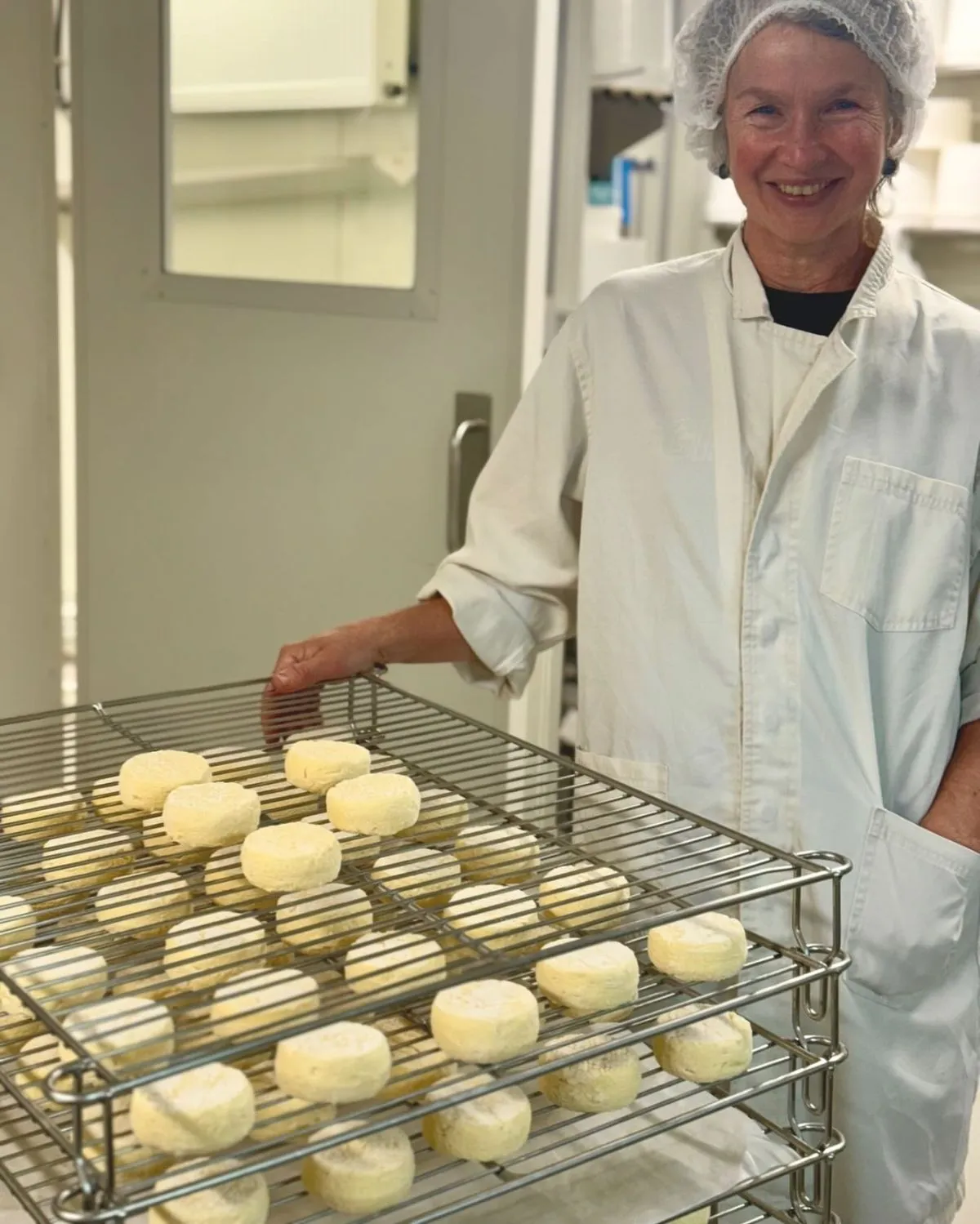
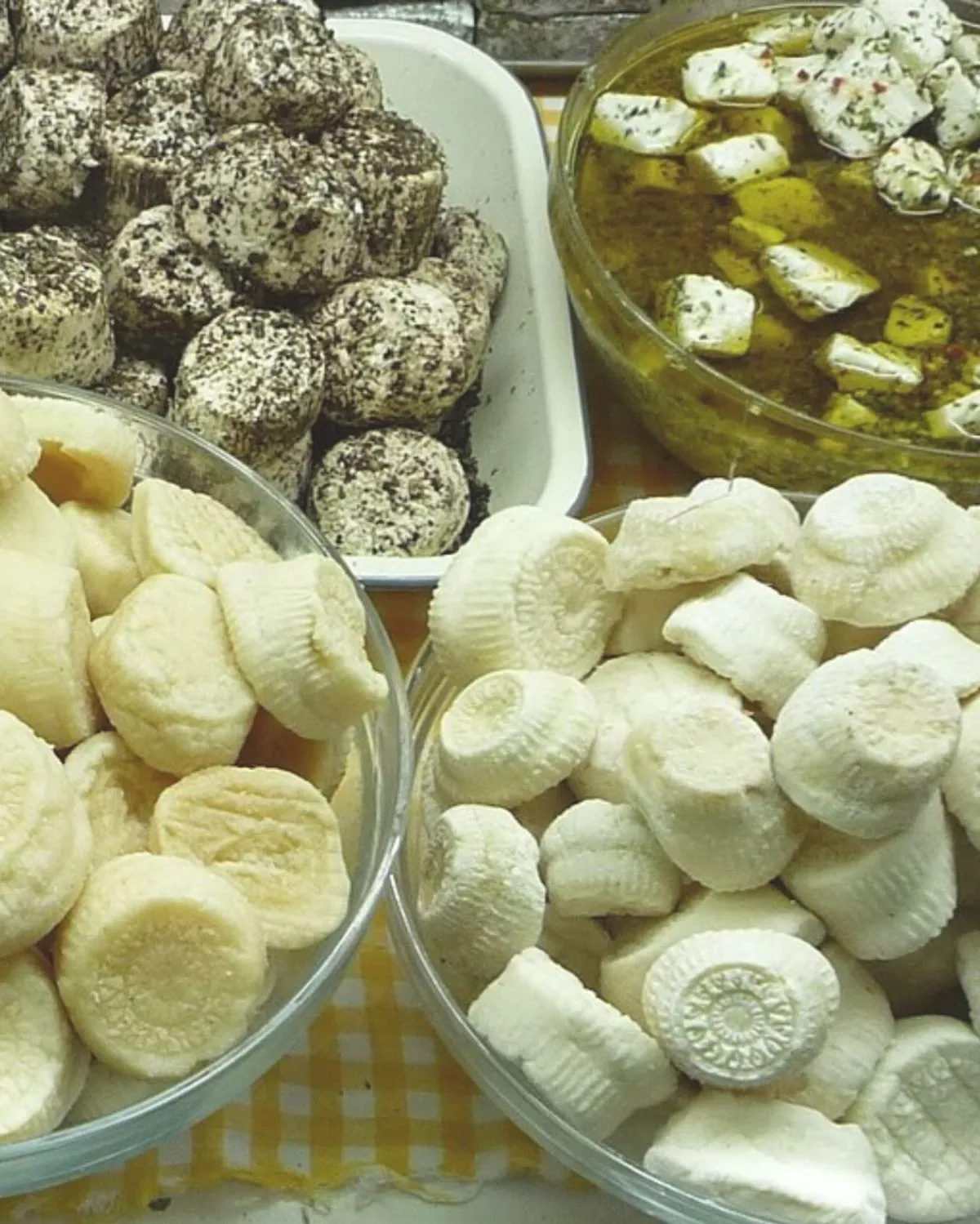
You cannot visit Gozo without tasting Gbejna. These small, round cheeselets made from sheep’s milk are a cultural icon.
Farmers cure them in traditional reed baskets called qlejjeb, which leave a distinct pattern on the soft white rind.
Visitors can book tours at estates like Ta’ Rikardu in the Citadel, where you can watch the milking process and see how the curds are separated.
The flavor profile changes with age. Fresh ones are milky and soft, while dried ones, often rolled in black pepper, offer a sharp, piquant kick.
Gozo is a fertile island, more rural and greener than Malta, and its produce is prized.
National Geographic, Gozo Island Guide
The Secrets of Gozitan Gbejna
- Gbejna are iconic round cheeselets crafted from sheep’s milk and cured in traditional reed baskets called qlejjeb.
- Visitors can experience the artisanal process firsthand through estate tours that showcase milking and curd separation.
- The flavor profile evolves from soft and milky when fresh to sharp and piquant when dried and rolled in black pepper.
- Gozo’s rural and fertile environment contributes to the high quality and distinct flavor of its celebrated local dairy products.
Authentic Farmhouse Dining
Agritourism is booming here. Many farmhouses have converted into rustic restaurants serving what they grow directly on the land.
Expect platters of bigilla (broad bean dip), sun-dried tomatoes, and local sausage. The olive oil is often pressed from trees you can see.
If you enjoy rustic island vibes, this experience rivals the charm found in Croatia Island Hopping Budget Tips.
Always book these lunches in advance. Places like Ta’ Mena Estate often require reservations due to their small capacity and high demand.
The sensory experience is unmatched; you dine to the sound of cicadas and the scent of wild fennel drifting from the valley.
Practical Logistics for Your Day Trip
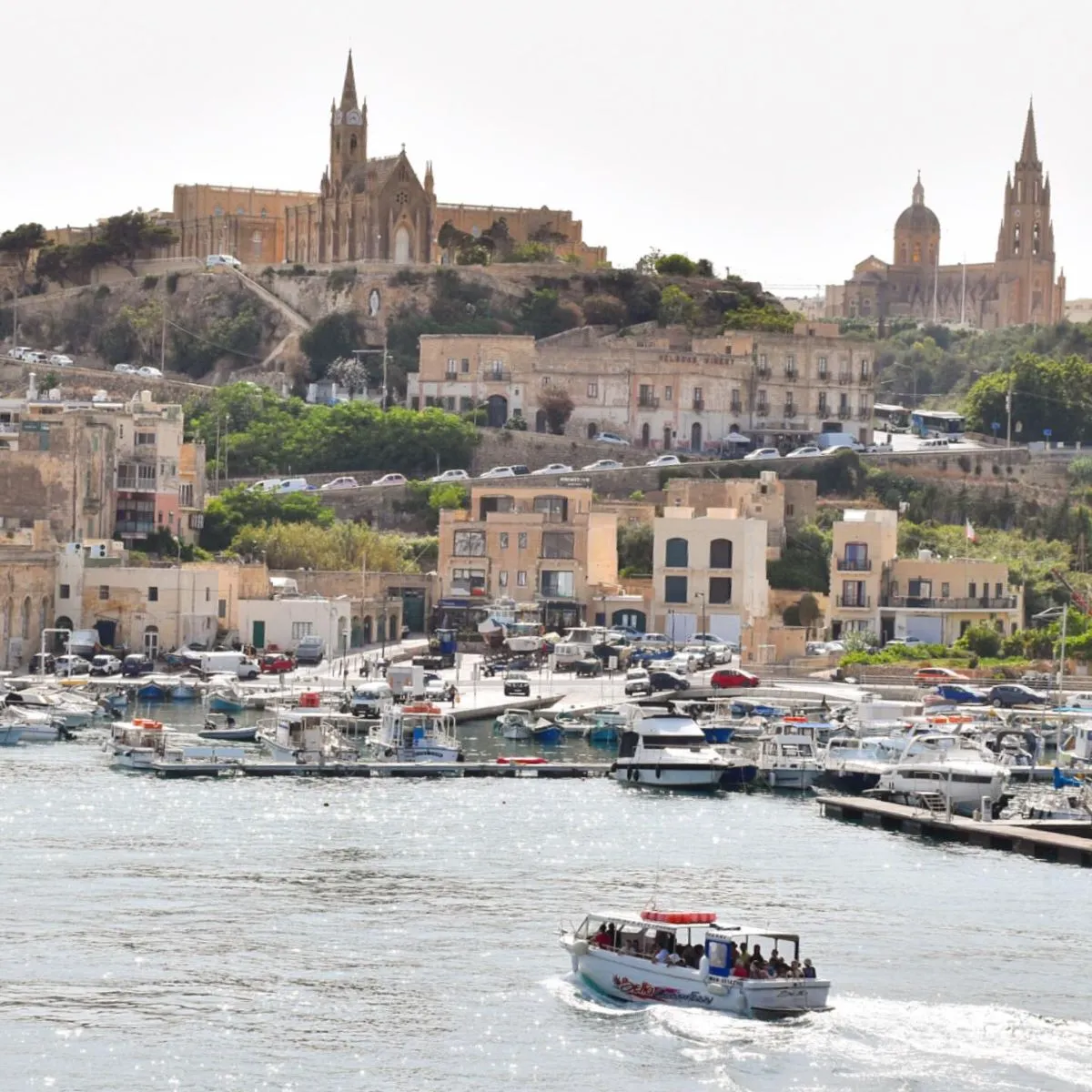
Ferries depart from Cirkewwa in Malta and run 24 hours a day. The standard foot passenger fare is affordable and paid on the return leg.
Public transport on Gozo is reliable but slower than taxis. Bolt and Uber operate here, making it easy to reach remote farms.
Walking is also popular. The rugged paths require energy, similar to the preparation needed for easy winter hiking meals.
Be mindful of private property, as many fields are privately owned. Stick to marked trails when exploring the countryside between tastings.
Gozo Foodie Checklist
- Try Fresh Gbejna: Eat it within 24 hours of production for the best texture.
- Buy Gozitan Honey: Look for jars labeled with the specific season (thyme or clover).
- Taste Kunserva: This sweet tomato paste is a local staple distinct from Italian puree.
- Drink Local Wine: Gozo has distinct boutique wineries that offer tastings.
- Eat Ftira Għawdxija: The Gozitan version of pizza features potatoes and anchovies.
Savoring Gozo: Farm-to-Table Tips
- Book farmhouse lunches like Ta’ Mena Estate in advance due to high demand and limited capacity.
- Utilize the 24-hour ferry from Cirkewwa and ride-sharing apps like Bolt for seamless island travel.
- Prioritize tasting local staples such as fresh Gbejna, Gozitan honey, and the traditional potato-topped Ftira Għawdxija.
- Respect private property by remaining on marked trails when exploring the countryside between culinary stops.
A Feast for the Senses
Malta delivers a culinary experience far richer than just a quick snack. The history of the islands is baked into every crust and simmered in every stew.
From the vibrant Sunday chaos of Marsaxlokk to hidden inland gems, the flavors here are bold and unapologetic. It is a true Mediterranean crossroads.
Go beyond the guidebooks. Talk to the fishermen, order the daily special, and let your tastebuds lead the way. Your table is ready.
Maltese Menu Queries
Sunday morning is the traditional market day. Arrive before 10:00 AM to beat the tour buses and see the freshest catch before it sells out.
You cannot leave without tasting Stuffat tal-Fenek (rabbit stew). It is the national dish, slow-cooked to tender perfection with red wine and herbs.
Yes, tap water is safe to drink. However, it is desalinated seawater and has a heavy mineral taste. Most travelers prefer bottled water for dining.
Absolutely. Try Kapunata (the local version of ratatouille), sheep cheese ravioli, or Bigilla, a delicious broad bean dip served with crackers.


