
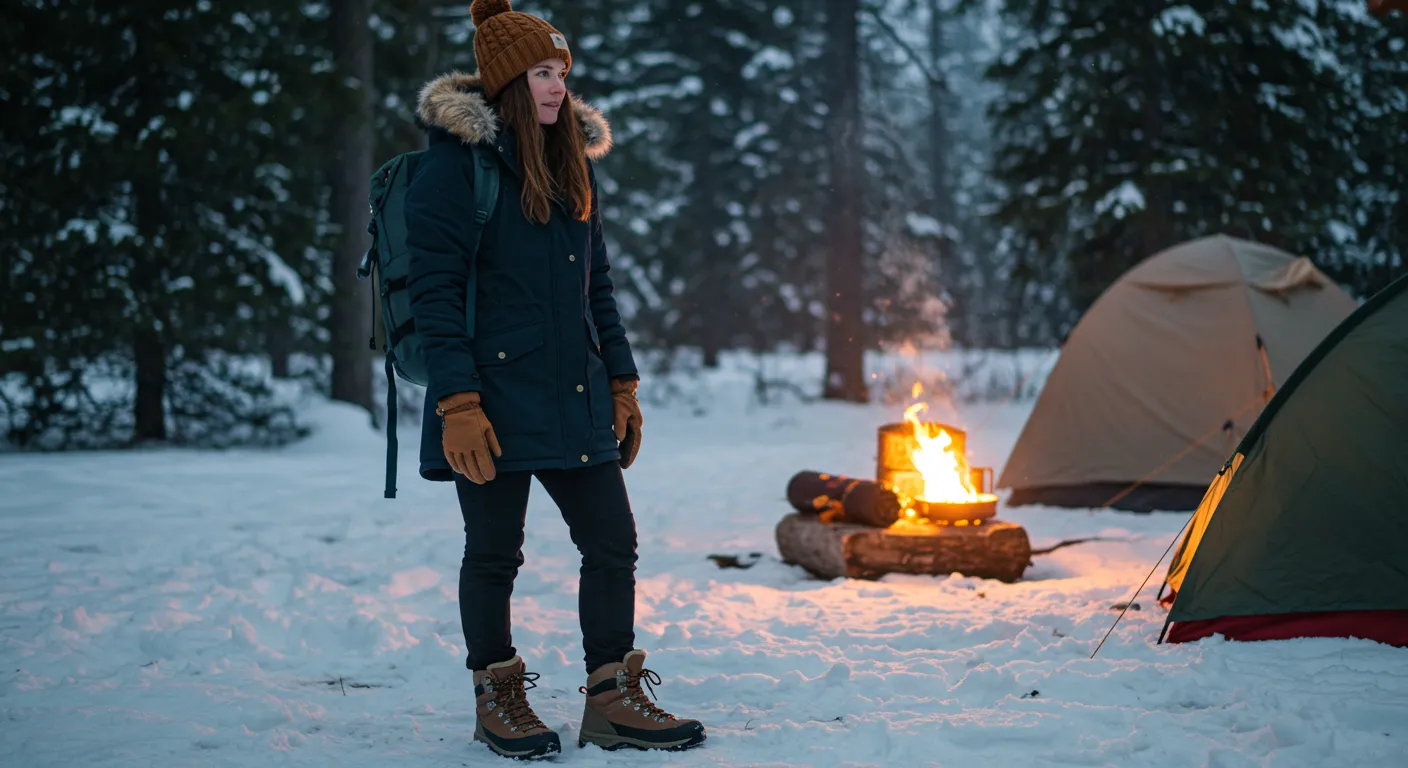
Winter camping. The words alone spark images of snowy landscapes, crackling fires, and either total bliss or pure, shivering panic.
Between the fear of freezing and the what on earth do I wear to not look like a marshmallow dilemma, it’s a whole vibe.
But low-key, your outfit is where you can really shine.
A killer winter camping wardrobe doesn’t just keep you warm; it keeps you dry, comfortable, and feeling like the badass adventurer you are.
It prevents the dreaded “I’m too cold to have fun” meltdown.
Let’s be real, nobody wants to bail on a beautiful, frosty morning because their clothes weren’t up to the task.
We’re aiming for that perfect blend of cozy and capable, the kind of look that’s both Instagram-worthy and genuinely functional.
So, ditch the guesswork, embrace the layers, and get ready to explore these 10 outfit essentials that are total game changers.
Consider these your ultimate cheat codes, blending warmth, style, and practicality essential ingredients for any successful Women’s Outdoor Fashion kit.
1. The Base Layer Power Duo
Forget everything else for a second; this is your foundation.
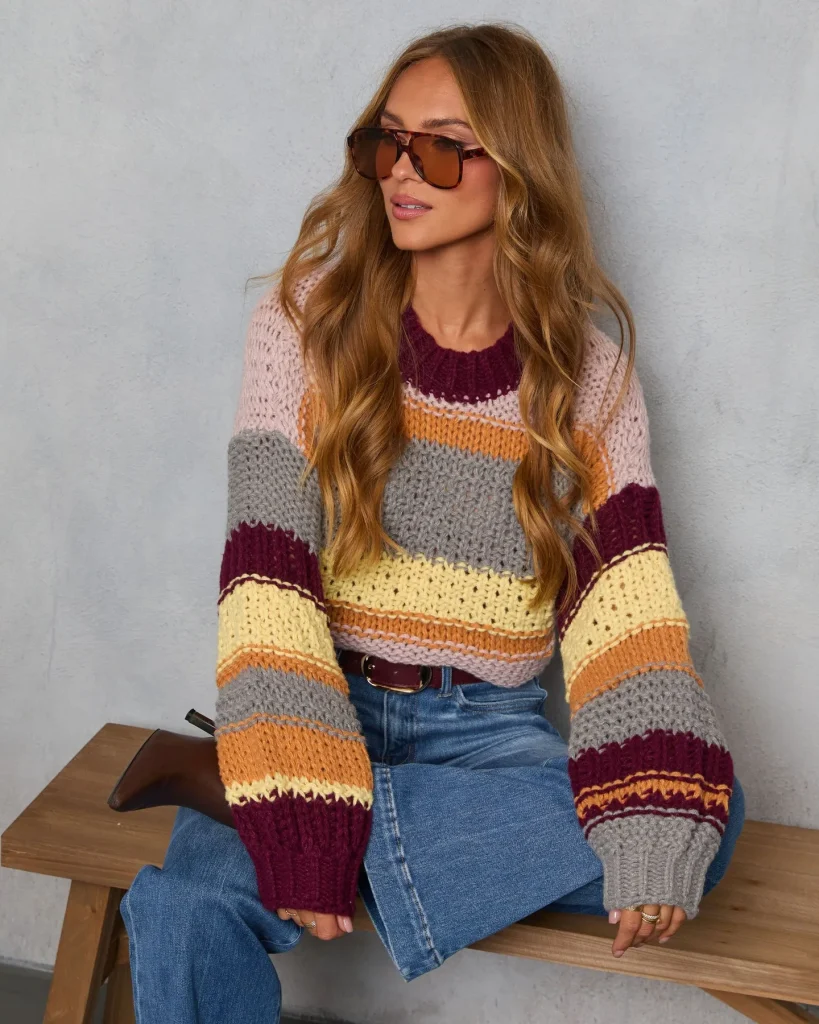
The right base layer is the secret weapon of every seasoned winter explorer.
Think of it as your second skin. Its main job isn’t to warm you, but to wick sweat away to keep you dry.
A wet base layer in the cold is a recipe for disaster.
Go for merino wool or synthetic fabrics like polyester.
Merino wool is a rockstar because it’s naturally odor-resistant, soft, and insulates even when damp.
Synthetics are also great at moisture wicking and often more durable.
Style Tip: Choose a matching set in a fun color or pattern.
Brands like Smartwool and Patagonia offer base layers that are stylish enough to wear on their own inside the tent or cabin.
2. The Mighty Mid-Layer Fleece
This is your primary insulation layer.
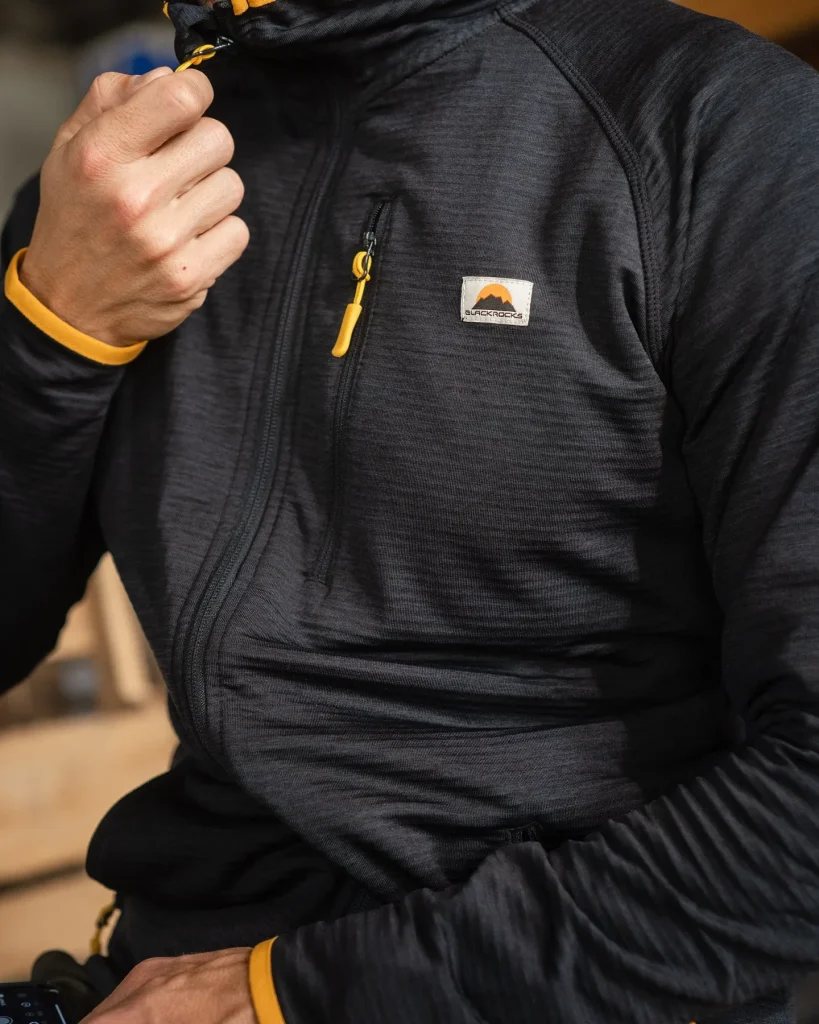
Its job is to trap your body heat and keep you toasty.
A classic fleece jacket or pullover is perfect here. Fleece is lightweight, breathable, and continues to insulate even if it gets a little damp.
Look for a fleece with a zip-neck or full-zip, which allows you to easily vent heat if you start to warm up during a hike.
A well-fitting fleece adds warmth without a ton of bulk, which is key to avoiding that puffy, restricted feeling.
3. Puffy Jacket Perfection
The puffy jacket is the iconic piece of winter gear for a reason.
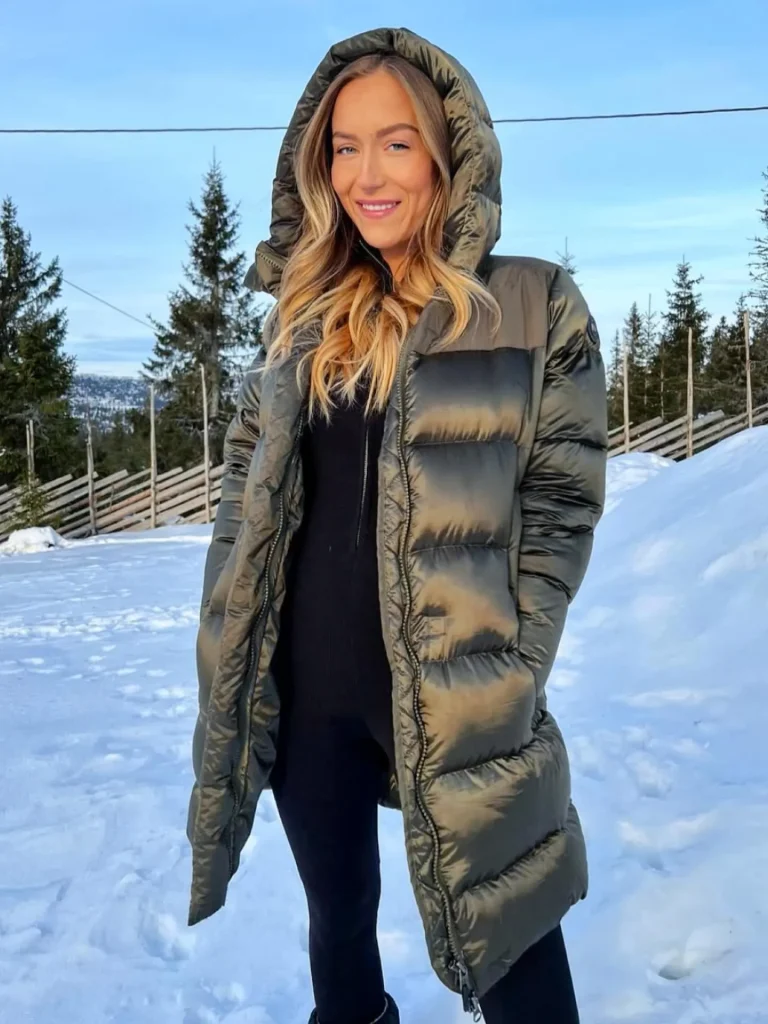
This is your heavy-hitting insulator, perfect for when you’re less active like sitting around the campfire or hanging out at your campsite.
You have two main options for insulation: down or synthetic.
- Down: Offers the best warmth-to-weight ratio and is highly compressible, making it easy to pack.However, it loses its insulating power when wet.
- Synthetic: Retains warmth even when damp and is typically more affordable. It’s not quite as lightweight or packable as down but is a reliable choice for wet conditions.
Style Tip: Modern puffy jackets come in a huge range of colors and flattering cuts.
Look for styles with a slightly tapered waist to create a silhouette that isn’t just a shapeless blob.
4. The Weatherproof Shell Savior
Your outer layer, or shell, is your shield against the elements.
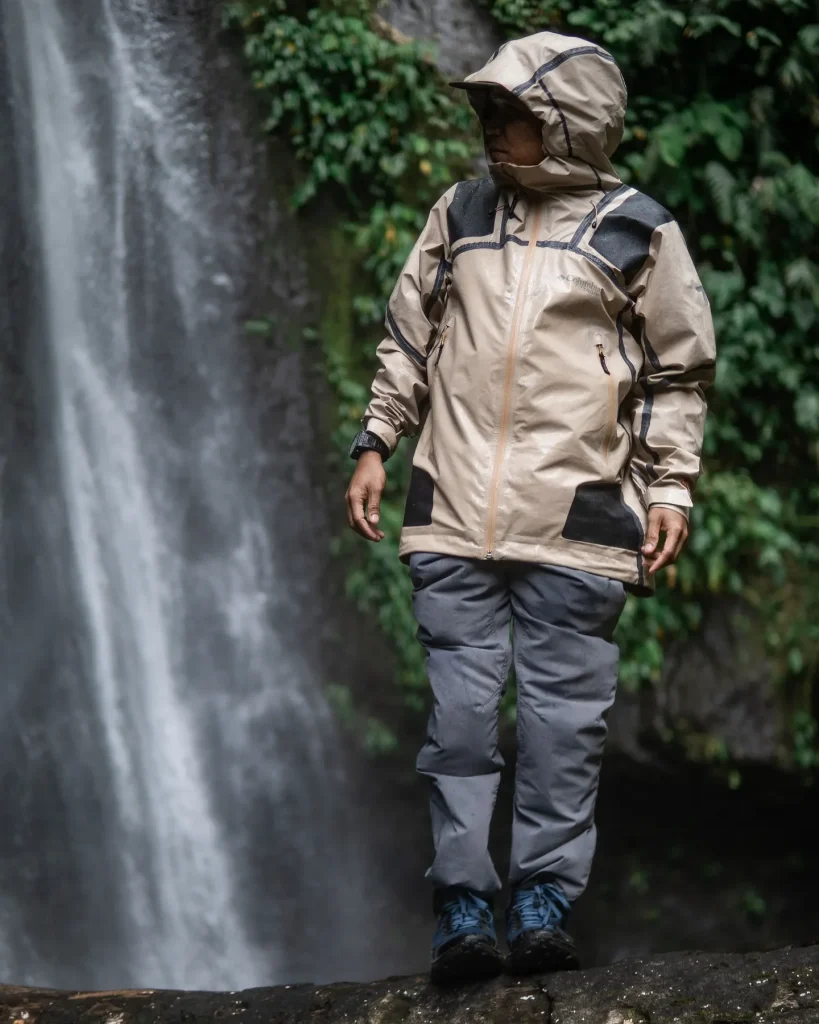
This is a thin, waterproof, and windproof jacket that goes over everything else.
Its job is to keep wind, rain, and snow out, ensuring your insulating layers stay dry and effective.
Look for a jacket made with a waterproof-breathable material like Gore-Tex.
This technology blocks precipitation while still allowing sweat vapor to escape, so you don’t get clammy inside.
Features like an adjustable hood, pit zips for ventilation, and sealed seams are non-negotiable for serious winter weather.
Material Matters: Cotton is Canceled
Okay, let’s have a real talk. When it comes to winter camping, cotton is your enemy.
You may have heard the phrase “cotton kills,” and it’s not an exaggeration.
Cotton absorbs moisture and takes forever to dry.
Once it’s wet with sweat or snow, it actively pulls heat away from your body, leaving you dangerously cold.
Stick to wool, fleece, and synthetic fabrics for all your layers, from your socks to your hat.
This is the single most important rule of dressing for the cold and is a core principle for all Winter Camping Gear.
5. Indestructible Insulated Pants
Your legs deserve the same love as your torso!
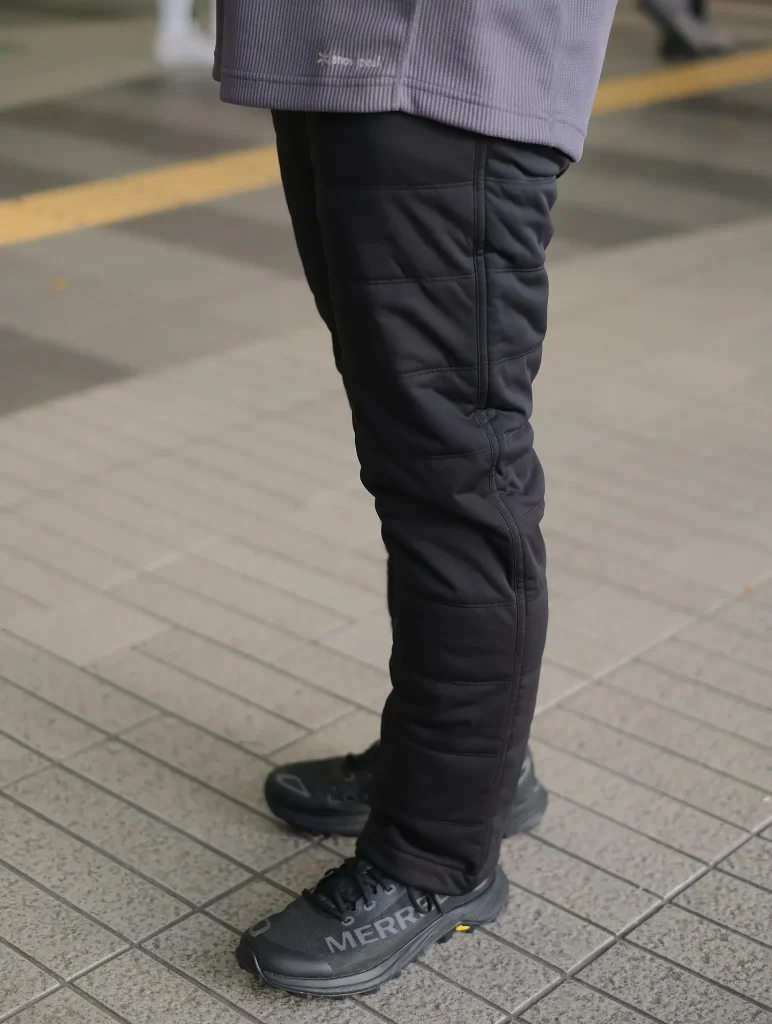
A good pair of winter pants is crucial.
For general camping and hiking, a pair of softshell pants is a great start.
They’re wind- and water-resistant, breathable, and offer great mobility.
If you’re expecting deep snow or very cold temperatures, step it up to insulated, waterproof pants.
You can also layer fleece-lined leggings or merino wool long underwear under a pair of weatherproof shell pants for a versatile system.
Style Tip: Look for pants with a streamlined fit.
Many modern hiking pants, like the Fjällräven Kebs, offer a tough, stylish look with practical features.
6. The Ultimate Wool Sock System
Happy feet are essential for a happy camper. Cold, wet feet can ruin a trip fast.
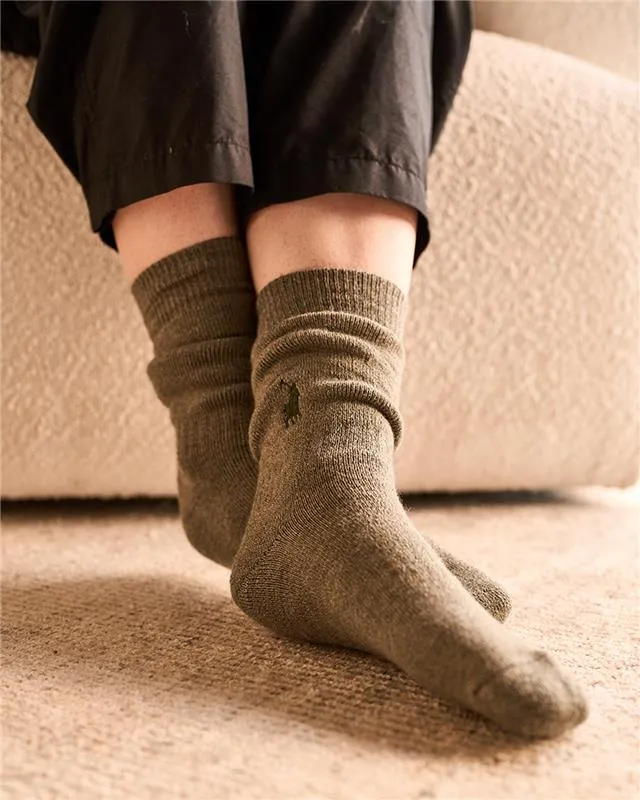
Your best bet is a pair of thick wool socks.
Wool keeps your feet warm even if they get damp from sweat or snow, and its natural cushioning provides comfort for hiking.
Never wear cotton socks. Pack at least one extra pair, so you always have a dry set to change into.
For a pro move, you can layer a thin, synthetic liner sock under your thicker wool sock to help wick moisture and prevent blisters.
7. The “Don’t Forget Your Dome” Beanie
You lose a significant amount of body heat through your head, so a warm hat is a must-have.
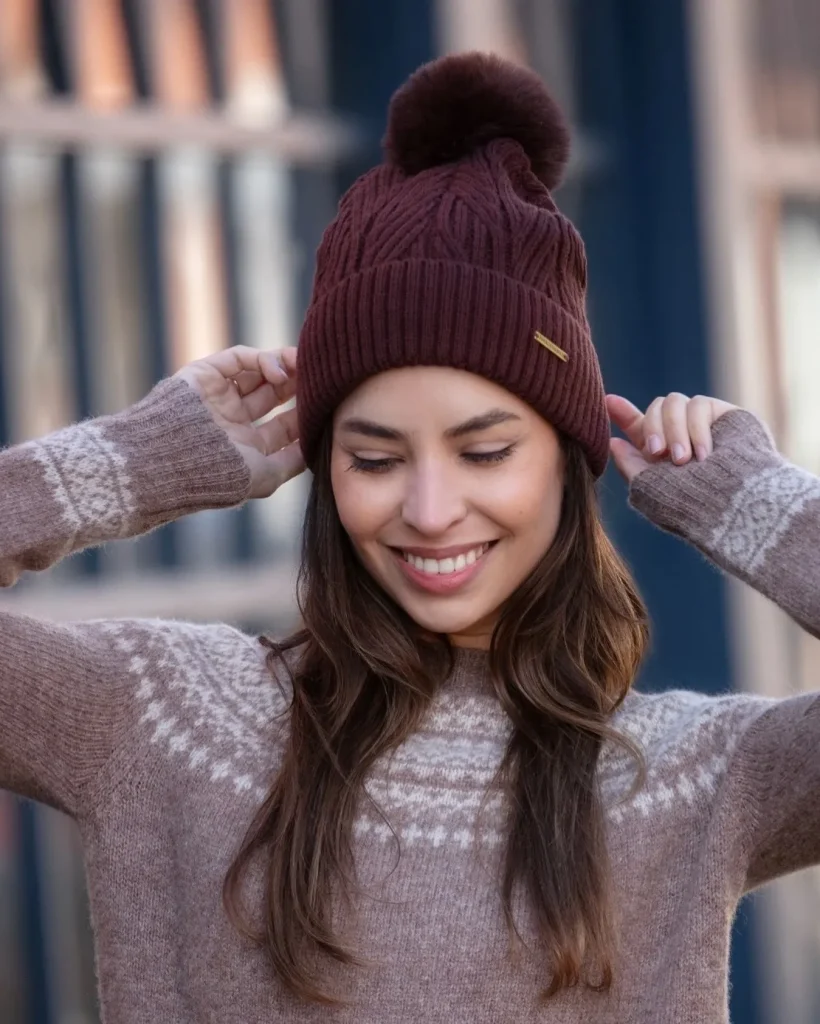
A simple wool or fleece beanie does the trick perfectly.
It’s easy to pack, and you can pull it on or off as needed to regulate your temperature.
For extra style points, choose a beanie with a fun color or a pom-pom.
It’s a small accessory that can add a lot of personality to your functional outfit.
8. The “No-Nonsense” Neck Gaiter
A neck gaiter, sometimes called a buff, is one of the most versatile pieces of cold weather gear.

It’s a simple tube of fabric (again, wool or synthetic) that can be worn as a scarf to seal in heat, pulled up over your face for protection from wind and cold, or even worn as a headband.
It’s way less bulky than a traditional scarf and provides crucial protection for your neck and face.
The Art of Layering: Your New Religion
If you take away one thing, let it be this: layering is everything.
The magic of a good layering system is that it’s adaptable.
You can add or remove pieces to perfectly match the weather and your activity level, ensuring you never get too hot or too cold.
The three core layers are:
- Base Layer: Wicks moisture off your skin.
- Mid-Layer: Insulates by trapping body heat.
- Outer Shell: Protects you from wind and moisture.
Mastering this trio is the ultimate cheat code for staying comfortable and safe in the cold.
9. The Toasty Toe-Warmers (Insulated Boots)
Your regular hiking boots probably won’t cut it. You need a pair of waterproof, insulated winter boots.
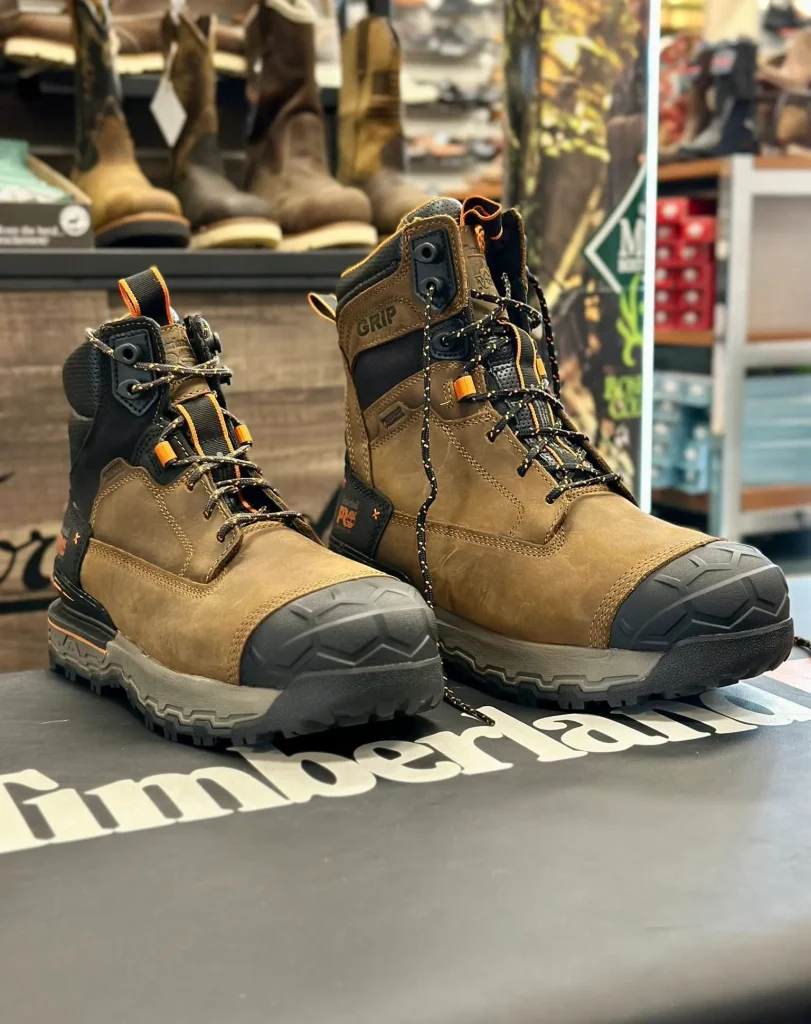
Look for boots with a temperature rating appropriate for the conditions you expect.
Good traction is also critical for walking on snow and ice.
Make sure they’re not too tight; you should have enough room to wiggle your toes, which helps with circulation and allows space for thick socks.
10. The Glove & Mitten Game-Changer
Cold hands are miserable. You’ll want to protect them with a good pair of gloves or mittens.
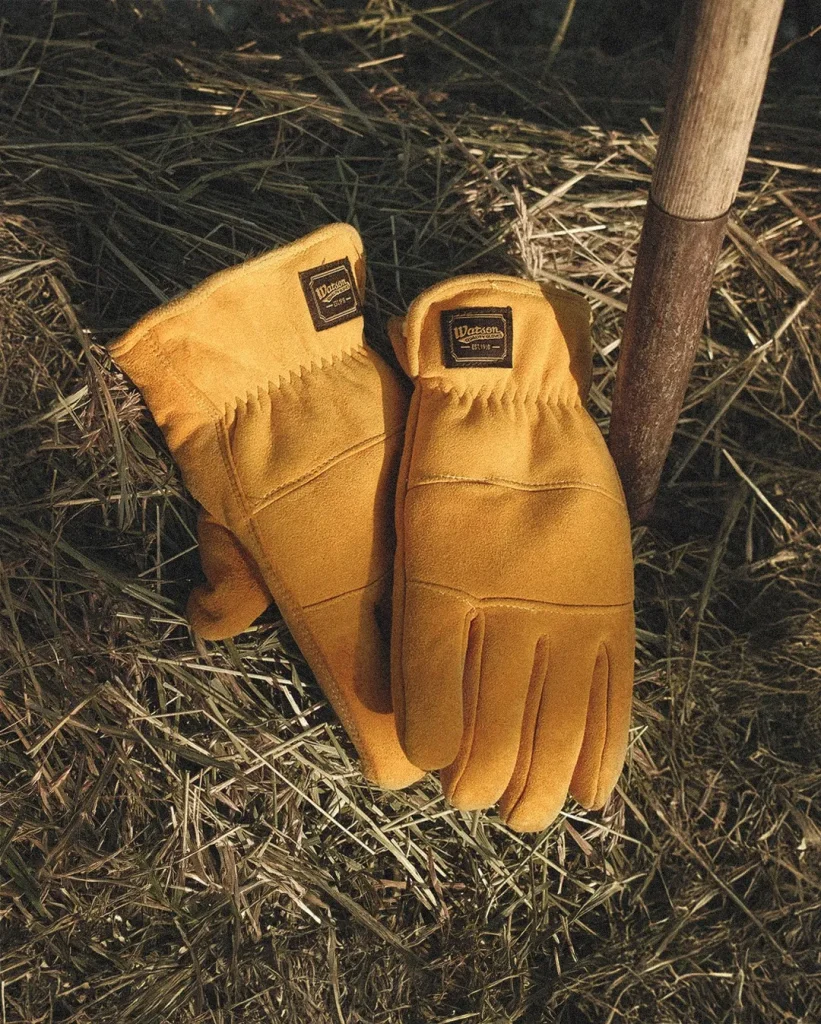
Mittens are generally warmer because they keep your fingers together, sharing heat.
Gloves offer better dexterity for tasks around camp.
A great system is to have a thin pair of liner gloves and a warmer, waterproof pair of outer gloves or mittens.
That way, you can take off the outer layer for detailed tasks without fully exposing your hands to the cold.
Wrapping It Up: Be the Warm, Stylish Adventurer
Okay, deep breaths. Gearing up for winter camping doesn’t have to be intimidating.
With these 10 essentials, you’re armed and ready to build outfits that are not only warm and functional but also genuinely stylish.
Remember, the goal is to feel confident and comfortable so you can focus on the real adventure: enjoying the stunning beauty of the winter wilderness.
From the Unbeatable Base Layer to the Puffy Jacket Perfection, you have a blueprint for Layering for Cold Weather that works.
You’re not just packing clothes; you’re packing a system for warmth, safety, and epic memory-making.
Now go forth and conquer that winter wonderland you totally got this.


