
Table of Contents
- Myrland Beach: A Hidden Coastal Gem for Unobstructed Auroras
- Ytresand Beach: Minimal Light Pollution at the Edge of Flakstadøya
- Gimsøya Northern Coast: Expansive Dark Skies and Open Horizons
- Storsandnes: Secluded Reflections Away from the Haukland Crowds
- Valberg Road: Remote Fjord Vantage Points on Vestvågøy
- Embrace the Arctic Silence: Your Aurora Adventure Awaits
- Frequently Asked Questions: Lofoten Northern Lights Photography
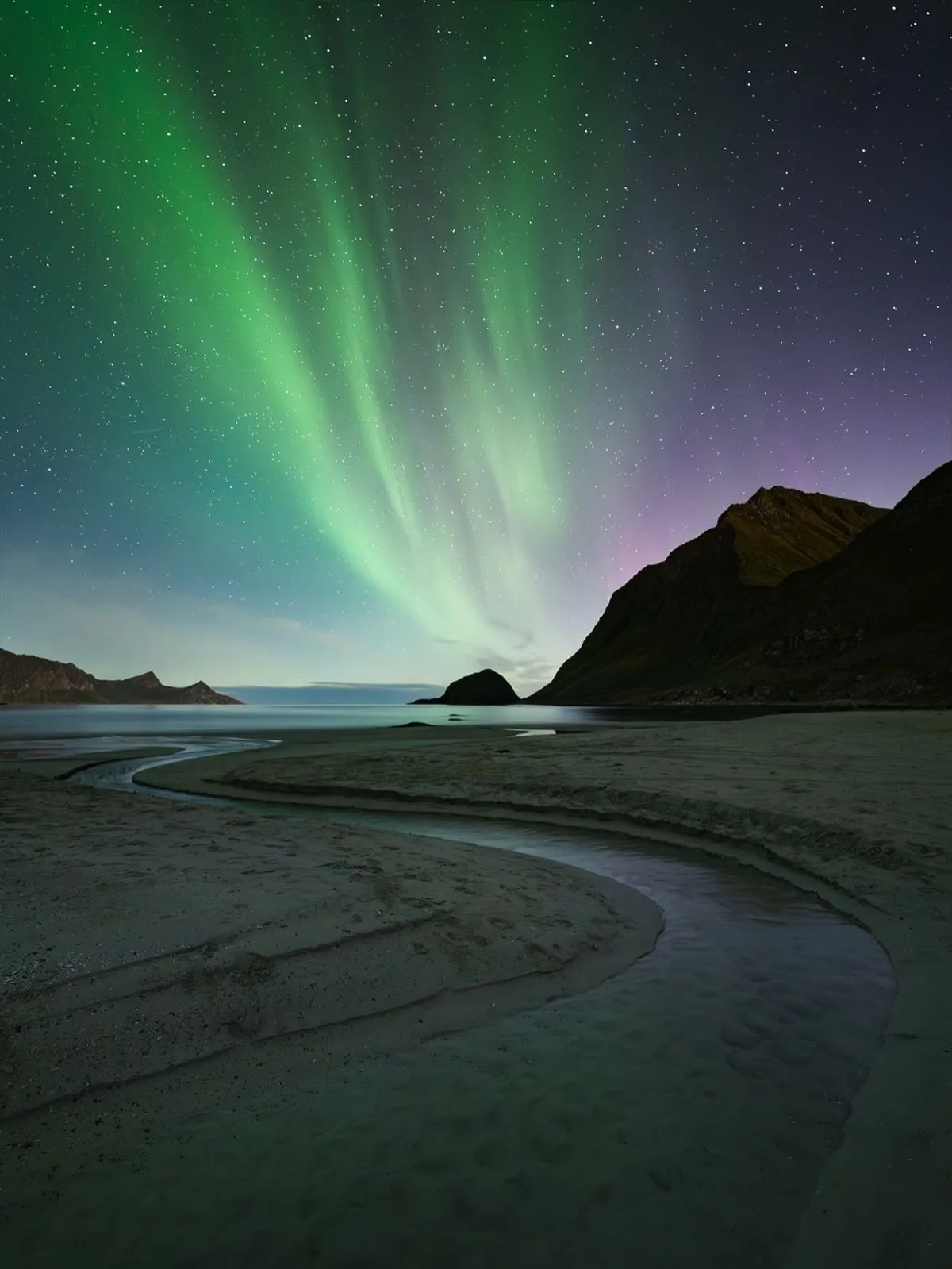
Picture the crisp Arctic air biting at your cheeks as you stand under a swirling canopy of emerald and violet.
The Lofoten Islands are legendary for their auroras, but the famous beaches often feel more like crowded arenas than wild frontiers.
If you want to capture the northern lights mirrored in dark fjords without bumping tripods with strangers, you have to venture beyond the usual route.
I have spent countless freezing nights scouting the quiet corners of this Norwegian archipelago to find those perfect isolated vistas.
It is about respecting the rugged landscape and treading lightly through small fishing communities that welcome mindful travelers.
You will hear nothing but the gentle lapping of the tide and the crunch of snow under your boots while you wait for the sky to dance.
This guide is your map to secret shoreline silhouettes and sheltered coves where the magic feels entirely yours.
Pack your warmest layers, verify your camera settings, and get ready to experience the aurora borealis exactly as it was meant to be seen.
Let us chase the breathtaking beauty of the Arctic night together.
The Aurora Chaser’s Flash Sheet
- Swap the crowded shores of Uttakleiv for the silent, sea-salt-scented air of Myrland Beach, where unobstructed northern horizons make for legendary aurora chasing.
- Keep your spare camera batteries tucked warmly inside your jacket, as the freezing Arctic temperatures drain gear incredibly fast while you wait in the profound dark.
- Tread lightly to protect fragile coastal ecosystems, keep noise down to respect local residents, and never turn your back on the icy rogue waves.
- Venture to Ytresand Beach at the edge of Flakstadøya for an expansive, deeply secluded sky with zero light pollution perfect for uninterrupted astrophotography.
Myrland Beach: A Hidden Coastal Gem for Unobstructed Auroras
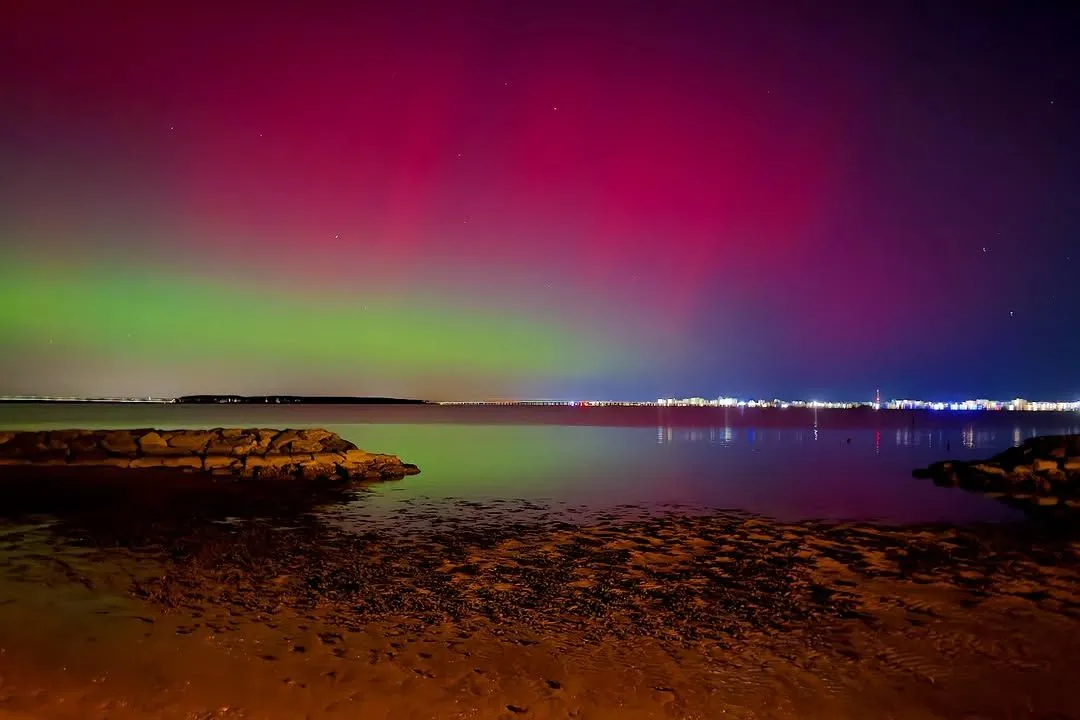
Myrland Beach is a true hidden gem for those seeking an authentic winter escape. The crisp Arctic air smells sharply of sea salt and frozen kelp.
Unlike the busy shores of Uttakleiv, Myrland offers complete silence. You can hear the gentle lap of icy waves against dark, smooth stones.
This off-the-beaten-path location faces north. It provides a perfectly unobstructed horizon for photographing the elusive aurora borealis.
The north-facing beaches of Lofoten offer the most direct and unobstructed views of the aurora borealis dancing over the Arctic Ocean.
Cody Duncan, 68 North Photography Guide
For a sustainable travel experience, stick strictly to marked paths. The coastal ecosystem here is fragile and easily damaged by heavy foot traffic.
If you love finding quiet shores, you might also enjoy exploring hidden coastal beaches near Edinburgh for a different coastal vibe.
Finding the aurora in complete solitude at Myrland Beach turns a simple photograph into a deeply spiritual arctic adventure.
🌲 Myrland Beach
Free
Hidden Coastal Gem: A north-facing beach offering complete silence and an unobstructed horizon for capturing the aurora borealis.
- Unobstructed north-facing horizon
- Minimal light pollution
- Fragile coastal ecosystem
Planning Your Shoot at Myrland
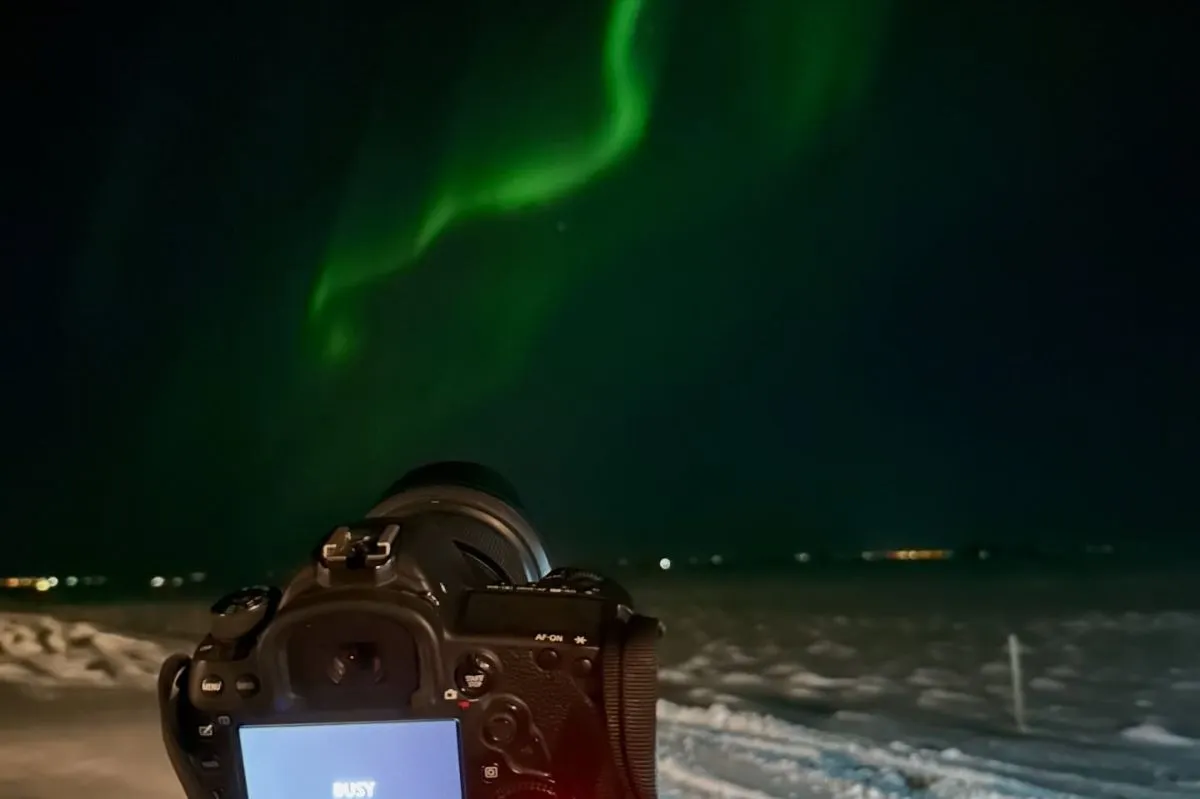
Parking is extremely limited at Myrland. Arrive early and ensure your vehicle does not block local driveways or emergency access routes.
Photographers will appreciate the lack of artificial light pollution here. It is an ideal spot for long exposures and capturing crisp star trails.
| Location Feature | Myrland Beach | Uttakleiv Beach |
|---|---|---|
| Low Crowds | ✅ Yes | ❌ No |
| Zero Light Pollution | ✅ Yes | ❌ No |
| Ample Parking | ❌ No | ✅ Yes |
| Public Restrooms | ❌ No | ✅ Yes |
Always pack extra camera batteries and keep them warm inside your jacket. The freezing temperatures will drain your equipment incredibly fast.
Respect the local culture by keeping noise to a minimum. Myrland is a quiet residential area, not just a scenic route for passing tourists.
Be highly aware of the tides when setting up your tripod. Rogue waves are common and can easily pull you and your gear into the freezing ocean.
Essential Tips for Your Myrland Beach Visit
- The north-facing orientation provides a perfectly unobstructed horizon for photographing the aurora borealis over the Arctic Ocean.
- Parking is extremely limited and lacks public facilities; arrive early and ensure your vehicle does not block local access or emergency routes.
- To protect the fragile coastal ecosystem, travelers must stick strictly to marked paths and avoid damaging the local vegetation.
- Extreme Arctic temperatures drain electronics quickly, so keep extra camera batteries warm inside your jacket between shots.
🌲 Uttakleiv Beach
Free
Popular Tourist Beach: A well-known and often crowded shore used as a comparison for its ample parking and public facilities.
- Ample parking facilities
- Public restrooms available
- High tourist traffic
Ytresand Beach: Minimal Light Pollution at the Edge of Flakstadøya
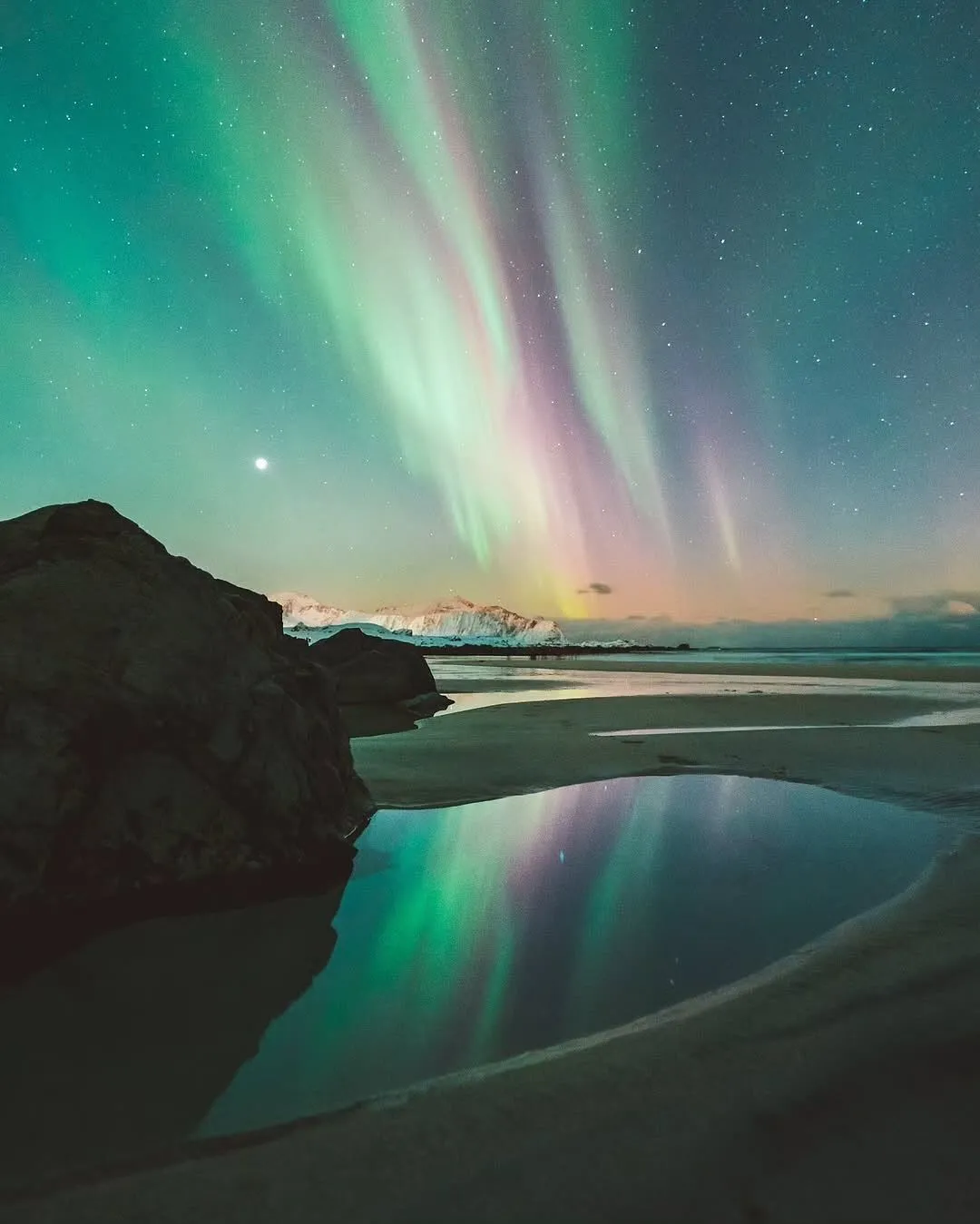
Tucked away on the northern coast of Flakstadøya, Ytresand Beach is a true hidden gem. It offers expansive skies perfect for auroral displays.
Seeking Lofoten Islands photography spots for northern lights without crowds? The profound darkness at Ytresand makes it an absolute standout.
The scent of arctic sea salt hangs in the frigid air. Rhythmic ocean waves crash against the shoreline, creating a dramatic natural soundtrack.
Ytresand offers a rare, uninterrupted dialogue between the vast Arctic sky and the quiet, pristine shoreline.
🌲 Ytresand Beach
Free
Hidden Gem on Flakstadøya: Tucked away on the northern coast of Flakstadøya, this beach provides profound darkness and dramatic coastal boulders.
- Minimal light pollution
- Scattered coastal boulder foregrounds
- True north alignment
Composition and Landscape Details
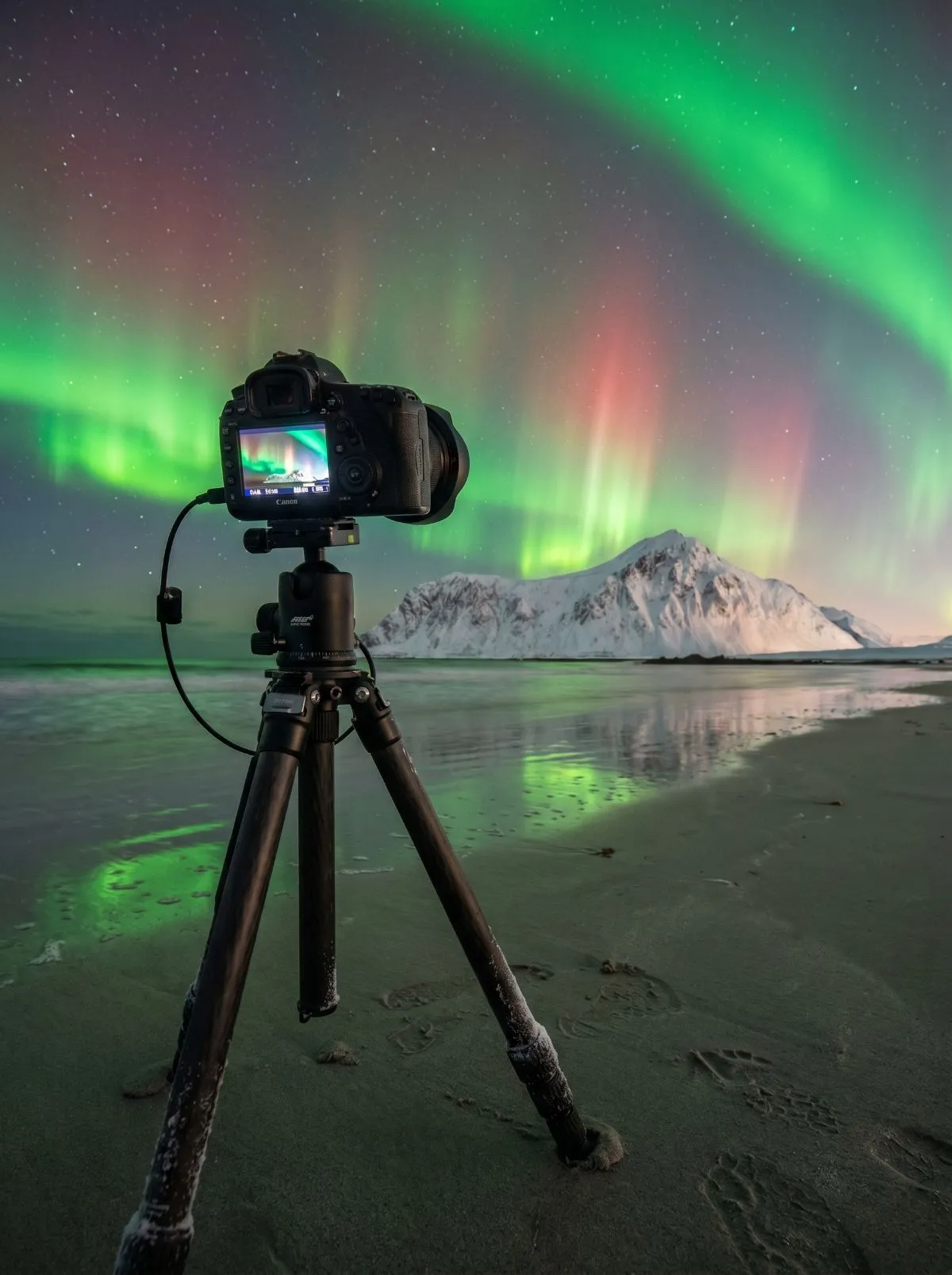
The beach faces straight north, providing an unobstructed view of the horizon. This alignment is critical for catching faint aurora activity.
Foreground elements are abundant here. You can easily frame your shots using scattered coastal boulders, frozen sand patterns, and tidal pools.
If you appreciate peaceful shores, much like those hidden coastal beaches near Edinburgh, you will deeply appreciate this solitude.
- Parking: A small gravel lot is available near the trailhead. Space is very limited, so arrive early.
- Safety: Watch out for sudden rogue waves during high tide. Never turn your back on the winter ocean.
- Gear: Bring a sturdy tripod with spiked feet to withstand the biting coastal winds.
Always respect private property near the parking area. Keep your headlamp on a red light setting to preserve night vision for other creators.
The rugged peaks and wild beaches of the Lofoten Islands provide incredible foregrounds for Northern Lights photography.
Matthew Karsten, Expert Vagabond
Pack spare batteries close to your body heat. Cold temperatures will drain your equipment rapidly while waiting for the dark sky to illuminate.
Essential Photography Tips for Ytresand Beach
- The beach’s direct northern orientation offers an unobstructed horizon, perfect for capturing faint auroral activity.
- Enhance compositions by using natural foreground elements like boulders, tidal pools, and frozen sand patterns.
- Arrive early to secure limited parking and preserve the dark environment by using red-light settings on headlamps.
- Protect your gear and yourself by using a spiked tripod for wind stability and staying vigilant against sudden rogue waves.
Gimsøya Northern Coast: Expansive Dark Skies and Open Horizons
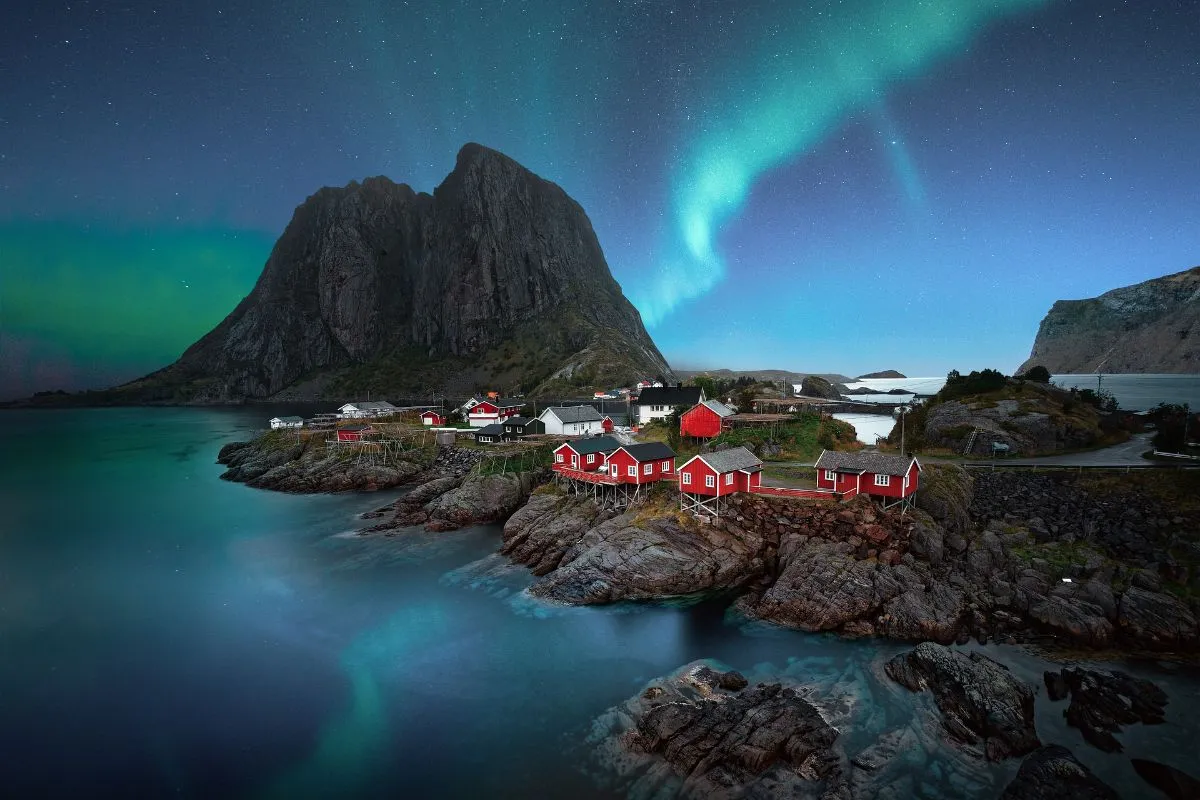
Gimsøya sits quietly between the dramatic peaks of Austvågøya and Vestvågøya. It offers an off-the-beaten-path escape for aurora chasers.
The salty winter breeze bites at your cheeks as you stand on the flat shoreline. There are no towering mountains to block your dark view.
Instead, you get a sweeping, unobstructed panorama facing true north. This makes it a perfect canvas for expansive night sky photography.
Gimsøya is one of the best locations for northern lights because of its open, flat landscape facing north. You get a massive sky.
Stian Klo, Professional Fine Art Photographer
Driving to Gimsøya takes about 45 minutes from Svolvær along the E10. You will cross a sweeping bridge before turning onto rural roads.
Winter driving requires extreme caution here. Roads easily ice over, and sudden coastal winds can push rental cars across slippery lanes.
Trade the crowded peaks for Gimsøya’s silent, starry shores and watch the aurora dance across an endless horizon.
🌲 Gimsøya Northern Coast
Free
Open Horizon Landscape: A flat, expansive landscape that offers a sweeping panorama facing true north, ideal for wide-angle night photography.
- Flat, unobstructed landscape
- Reflective coastal tidal pools
- 360-degree-style panoramas
Essential Logistics for Gimsøya Astrophotography
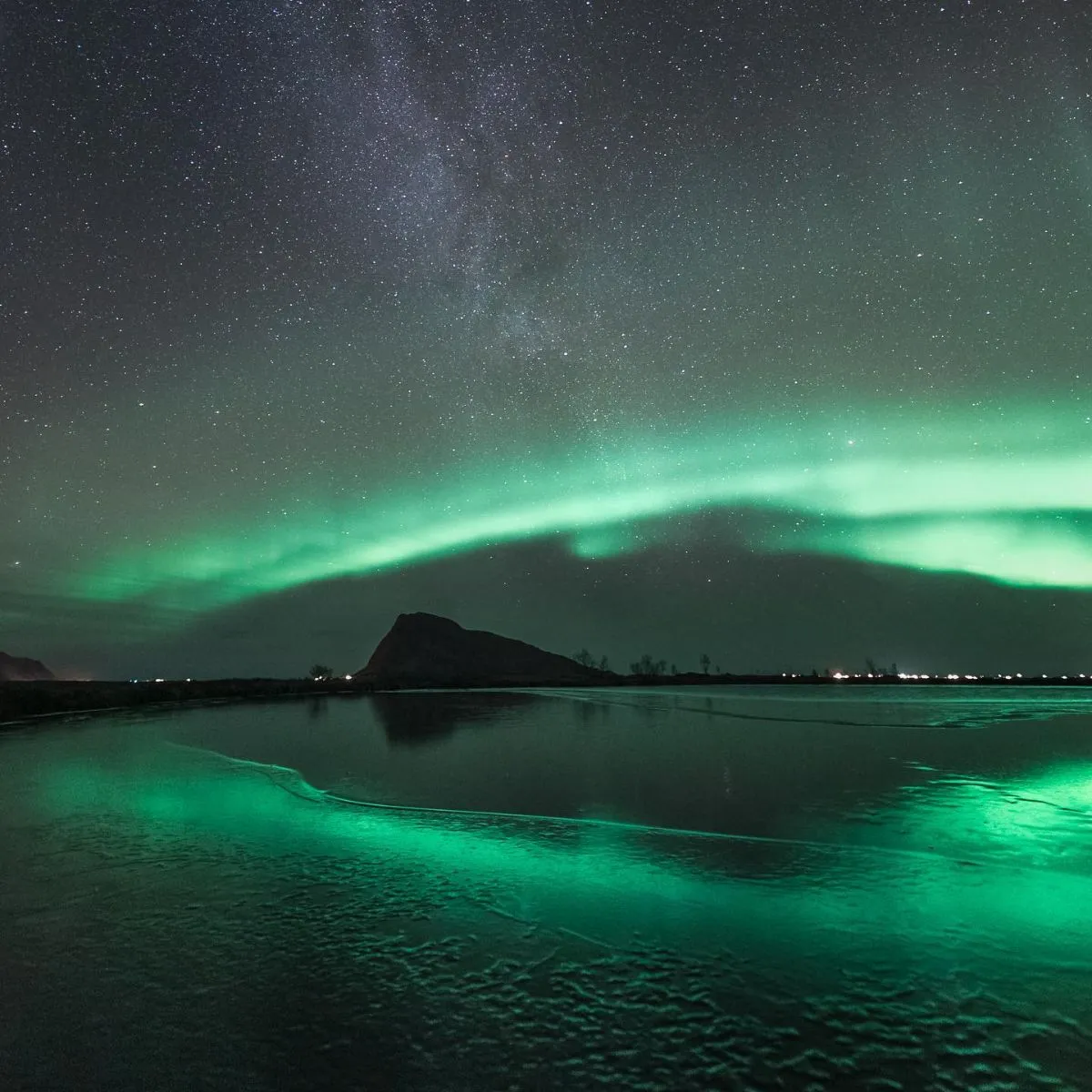
This hidden gem rewards those who plan ahead. Minimal light pollution means your camera sensors can capture brilliant green hues easily.
If you crave sustainable travel, this quiet spot is ideal. It reminds many of the peaceful isolation found in hidden Swiss gems.
- Parking availability: Use the small pull-offs near Hov beach. Do not block private driveways or local farming gates.
- Gear requirements: Bring sturdy tripod spikes. The coastal winds here are famously relentless and can tip cameras.
- Cultural respect: Keep noise to a minimal level. Sound travels extremely far across the flat, frozen landscape.
- Estimated costs: Access to the beaches is entirely free. A warm coffee at a nearby cafe costs around 50 NOK.
Capture the reflections of the aurora in the coastal tidal pools. This authentic experience defines the very essence of true wanderlust.
Chasing the Aurora on Gimsøya’s Open Coast
- Enjoy unobstructed views of the Northern Lights thanks to the island’s flat landscape and northern-facing orientation.
- Prepare for relentless coastal winds by using sturdy tripod spikes and exercising extreme caution during the 45-minute winter drive from Svolvær.
- Park responsibly at designated pull-offs near Hov beach to avoid blocking private property and respect the local community’s quiet environment.
- Take advantage of minimal light pollution and coastal tidal pools to capture high-quality astrophotography and stunning light reflections.
🌲 Hov Beach
Free
Coastal Access Point: A specific coastal area on Gimsøya known for its small pull-off parking and proximity to aurora viewing spots.
- Small pull-off parking
- Near Gimsøya northern coast
- Quiet shoreline access
Storsandnes: Secluded Reflections Away from the Haukland Crowds
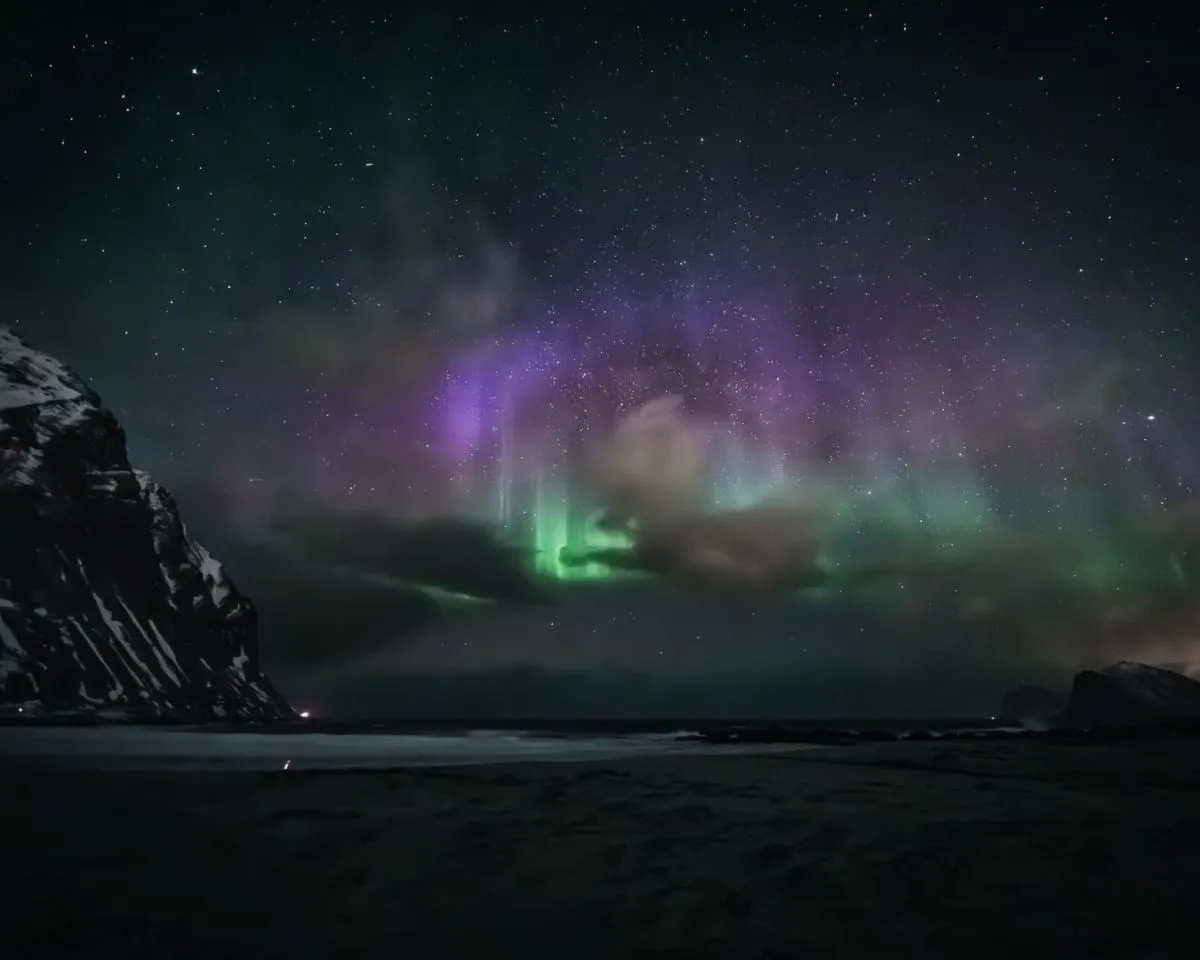
While tour buses flock to Haukland Beach, the quiet shores of Storsandnes offer a peaceful escape. The scent of salty sea spray fills the crisp Arctic air.
At low tide, the receding water leaves a glass-like sheen across the dark sand. This natural mirror perfectly captures the glowing green ribbons above.
Storsandnes offers a rare luxury in Lofoten: the chance to watch the aurora dance in absolute silence.
Located just off the E10 highway near Myrland, this spot is easily accessible by rental car. Parking is free but limited to a small gravel area.
Winter travelers must wear spiked ice cleats. The scattered shoreline rocks become incredibly slick under a layer of frozen sea mist and black ice.
If you enjoy finding hidden winter gems around the world, this secluded coastal spot is an ideal addition to your photography itinerary.
Beaches that face north are ideal for the aurora. Utilizing the wet sand at low tide creates incredible foreground reflections.
Christian Hoiberg, CaptureLandscapes Lofoten Guide
Storsandnes Logistics and Camera Settings:
- Parking: Small pull-out on Fv807, which fits roughly three vehicles safely.
- Tide Timing: Arrive two hours before low tide for the best reflective wet sand.
- Lens Choice: A 14mm to 24mm wide-angle lens captures the sweeping rocky bay.
- Exposure: Start at ISO 1600, f/2.8, and a 5 to 8-second shutter speed.
Please respect the fragile coastal ecosystem. Stick to the rocky paths when approaching the beach to protect local vegetation from trampling.
With no ambient light pollution from nearby villages, your eyes can fully adjust to the dark. It is a pure and uninterrupted stargazing experience.
Storsandnes Aurora & Logistics Insights
- Arrive two hours before low tide to utilize the wet sand as a natural mirror for aurora photography.
- Safety is critical on the shoreline; wear spiked ice cleats to navigate rocks covered in black ice and frozen sea mist.
- Parking is limited to a small pull-out on Fv807 that fits only about three vehicles, making early arrival essential.
- Maintain the secluded beauty of the site by staying on rocky paths to protect fragile coastal vegetation.
🌲 Storsandnes
Free
Secluded Reflective Beach: A quiet alternative to Haukland Beach that features glass-like wet sand reflections at low tide.
- Low-tide wet sand reflections
- Zero ambient light pollution
- Secluded rocky paths
🌲 Haukland Beach
Free
Famous Tourist Landmark: Lofoten’s most famous beach, known for its massive popularity and frequent tour bus arrivals.
- Highly photographed landmark
- Frequent tour bus access
- Dramatic mountain backdrops
Valberg Road: Remote Fjord Vantage Points on Vestvågøy
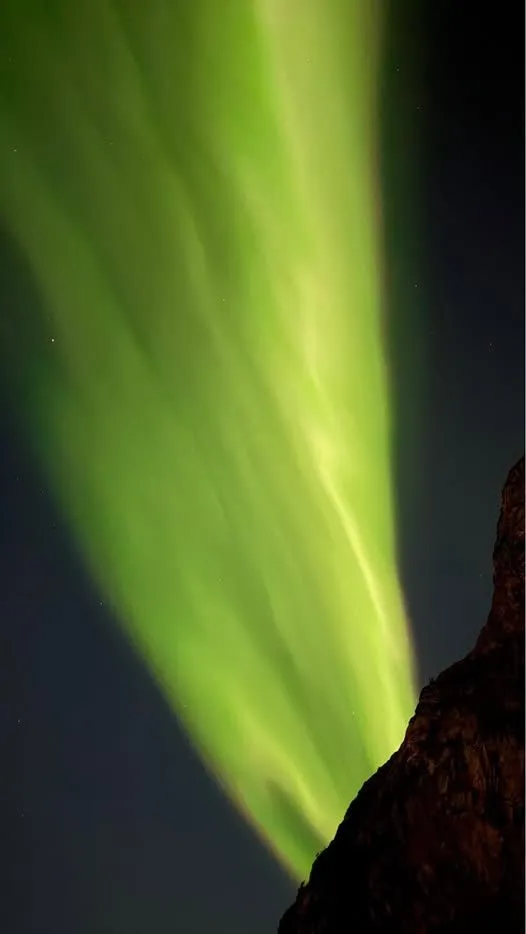
Escape the dense crowds of Reine and head east to Vestvågøy. Valberg Road offers a truly off-the-beaten-path adventure.
Also known as route Fv815, this quiet stretch hugs the jagged coastline. It reveals sweeping views of dark, glassy fjords.
The scent of crisp sea salt fills the freezing air here. The towering, snow-dusted peaks block out rogue winds perfectly.
Valberg Road trades the famous crowds for pure, uninterrupted silence under the dancing Arctic skies.
Without streetlights, the local light pollution is almost zero. This creates an ideal black canvas for aurora photography.
You will not fight for tripod space here. This hidden gem provides endless foregrounds of icy shores and rocky outcrops.
To get the best pictures of the northern lights, you need to get away from artificial light and find a dark, open area.
Editorial Team, Visit Norway Photography Guide
Top Photography Stops Along Fv815
Planning your scenic route requires careful scouting. Stop during daylight hours to map out your nighttime compositions.
- Rolvsfjord Bridge: Offers perfectly still water for stunning aurora reflections. Free parking is available nearby.
- Valberg Church: A striking, white wooden structure that acts as a brilliant foreground subject against green skies.
- Knutstad Chapel: A secluded spot surrounded by vast, open skies. This area is ideal for capturing wide panoramic shots.
Navigating the Coastal Route Safely
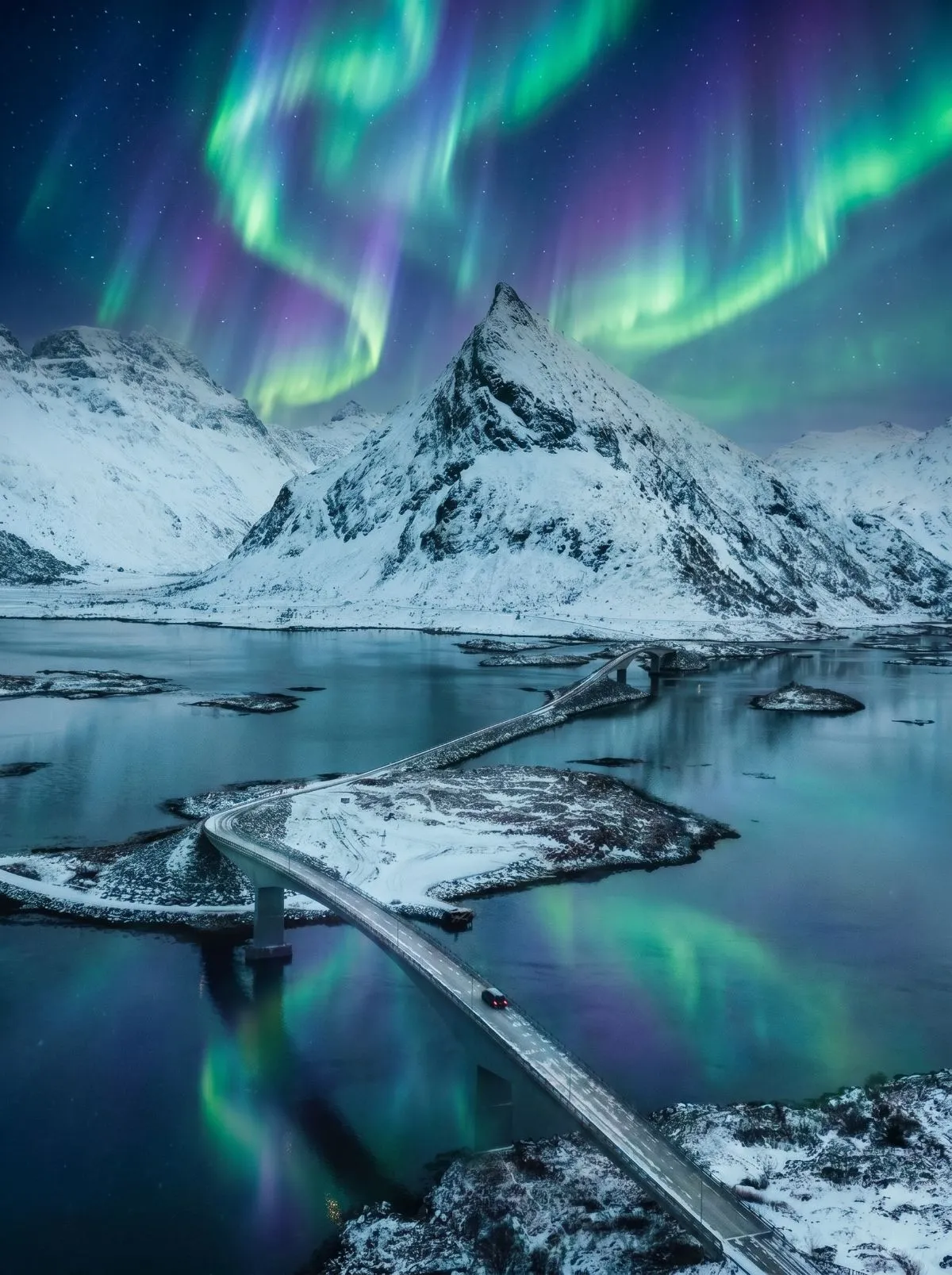
Winter driving in Norway demands serious respect. The coastal roads are notoriously narrow, heavily icy, and completely unlit.
Rent a reliable 4×4 vehicle equipped with studded winter tires. Keep your speed low and watch out for roaming wildlife.
Just like planning a rugged New Zealand West Coast itinerary, preparation is vital. Pack thermal layers and hot tea.
Use our handy Travel Packing List Generator to ensure you do not forget crucial gear like spare camera batteries.
Pull off only at designated paved spots. Stopping on narrow shoulders puts you and local drivers at severe risk in the dark.
Immerse yourself in this pure wanderlust experience. The Valberg route promises an authentic, silent communion with nature.
Photography & Safety Guide for Valberg Road
- Route Fv815 provides a quiet, low-light alternative to crowded spots, ideal for capturing the northern lights without tripod competition.
- Top photography locations include Rolvsfjord Bridge for water reflections and the historic white Valberg Church as a dramatic foreground.
- Prioritize safety by using a 4×4 with studded tires and scouting your parking locations during daylight hours to avoid hazards.
- Prepare for freezing Arctic conditions with thermal layers and hot beverages while waiting for the aurora over the fjords.
Embrace the Arctic Silence: Your Aurora Adventure Awaits
Capturing the northern lights away from the bustling tourist trails transforms a simple photo trip into a deeply personal arctic adventure.
From the icy silence of Myrland Beach to the dark skies of Ytresand, these hidden gems offer the raw, untouched beauty of the Lofoten Islands.
Remember to respect the fragile coastal ecosystems, park responsibly, and keep your spare batteries warm in the freezing night air.
Bundle up, embrace the quiet solitude, and let the magic of the dancing aurora borealis become the highlight of your winter escape.
Frequently Asked Questions: Lofoten Northern Lights Photography
The optimal time to photograph the aurora borealis in the Lofoten Islands is between September and April when the nights are longest and darkest.
Keep spare batteries warm inside an inner jacket pocket. Use a sturdy tripod for windy conditions and acclimatize your lens slowly to prevent condensation.
While beautiful, arctic beaches can be hazardous. Always watch for sudden rogue waves, be aware of the tides, and navigate rocky shores carefully in the dark.
Yes, having a rental car is highly recommended for reaching these off-the-beaten-path locations, as public transport is limited in remote areas at night.


