
The Luaus in Hawaii.
Let’s be real, the word alone conjures up some pretty epic images.
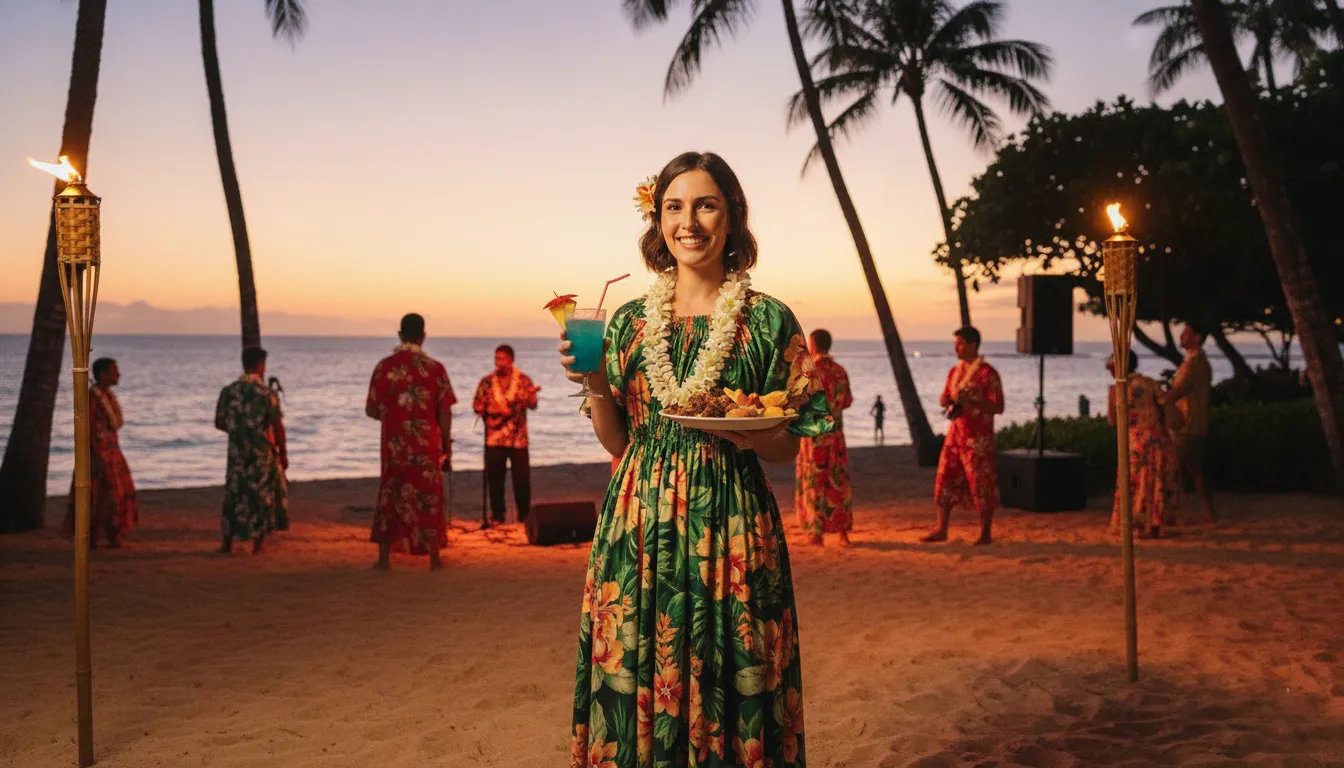
Flower leis, tiki torches flickering against a sunset, the hypnotic rhythm of drums, and a feast that looks like it could feed a small army.
But as you’re scrolling through dreamy Hawaii pics, a little question might pop up: Is a luau really all that?
Or is it just a tourist trap with watered-down Mai Tais?
I get it. You want the real deal, the authentic experience that connects you to the heart of the islands.
You want to understand the magic, not just watch it from the sidelines. Well, WYD? Stop stressing.
Think of me as your best friend who’s already been there and has all the cheat codes to make your first luau experience absolutely unforgettable.
So, grab a tropical drink (even if it’s just pineapple juice for now) and get ready to dive in.
This is your ultimate guide.
First Things First: What Exactly Is a Luau?
Before we get into the nitty-gritty, let’s have a quick vibe check.
A modern luau is a traditional Hawaiian party or feast that’s packed with entertainment.
It’s a celebration that brings people together with incredible food, music, and cultural performances from Hawaii and the greater Polynesian area.
But it’s so much more than just dinner and a show. It’s a living, breathing piece of Hawaiian history.
The Luau Cheat Sheet: 7 Things to Know Before You Go
1. It’s Not Just a Party, It’s History
Long before it was called a luau, the traditional Hawaiian feast was known as an ‘aha‘aina, a gathering for a meal often held to celebrate special occasions like a battle victory or a bountiful harvest.
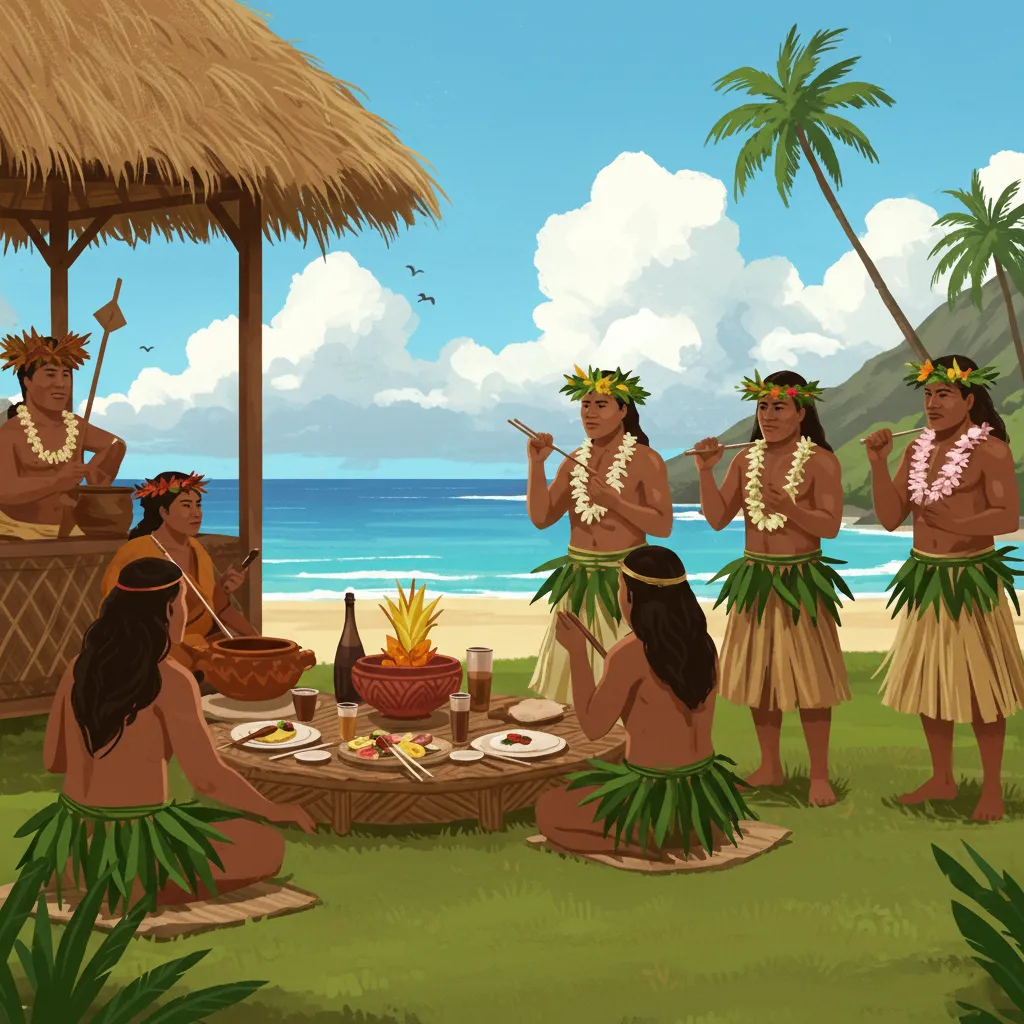
Back then, ancient religious laws, known as the kapu system, were super strict.
Men and women had to eat separately, and women were forbidden from eating certain “sacred” foods like pork and bananas.
The game-changer?
In 1819, King Kamehameha II abolished the kapu system and hosted a massive feast where men and women ate together for the first time.
This act forever changed Hawaiian society and paved the way for the luau we know today.
The name “luau” actually comes from a popular dish served at these feasts made with young taro leaves.
2. The Imu Ceremony is a Total Game Changer
Forget your standard oven.
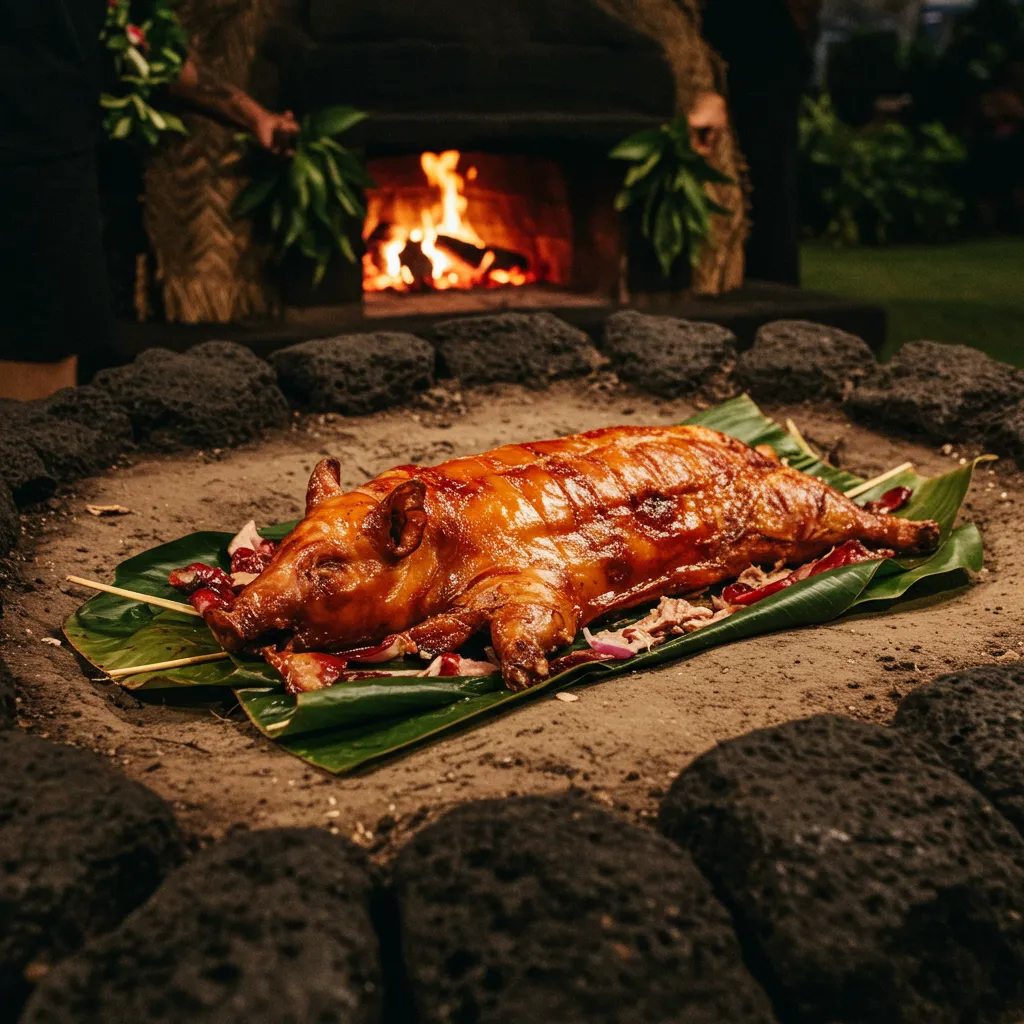
The star of the luau feast, the kālua puaʻa (roast pig), is cooked in a traditional underground oven called an imu.
This ancient cooking method involves digging a pit, heating volcanic rocks until they’re glowing red, and then placing the seasoned pig inside.
The pit is covered with layers of banana leaves and burlap sacks and sealed with earth, creating a natural steam cooker.
Many luaus begin with an imu ceremony, where you get to watch them unearth the perfectly cooked, fall-off-the-bone tender pig.
It’s a fascinating glimpse into a centuries-old tradition and a must-see part of the experience.
3. Let’s Talk Food: Your Guide to the Feast
Okay, let’s get to the best part the food!
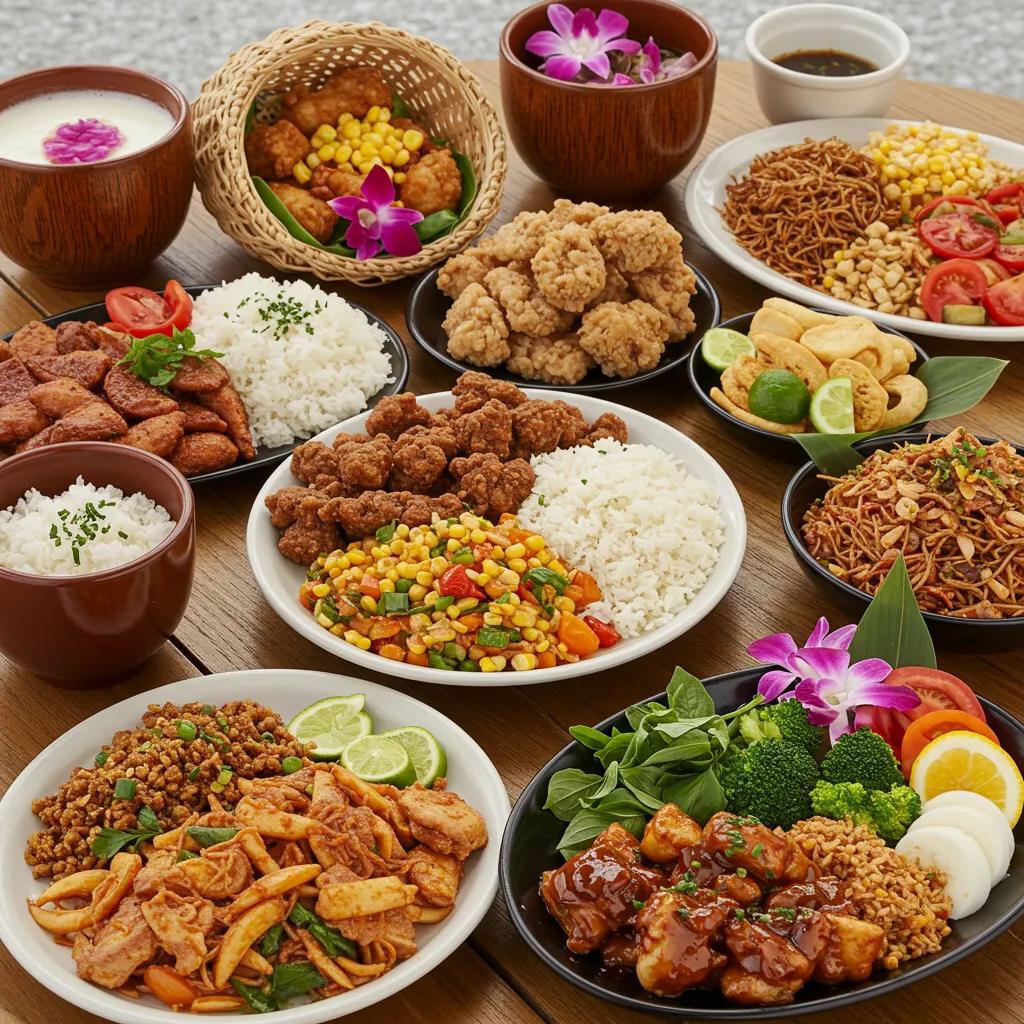
A luau spread is a full-on culinary journey.
Here are the essentials you have to try:
- Kālua Pig: The smoky, shredded pork cooked in the imu. It’s salty, tender, and the absolute star of the show.
- Poi: This is a traditional Hawaiian staple made from pounded taro root. Let’s be honest, its purple, paste-like consistency can be a little surprising, but it has a subtly sweet flavor that’s the perfect complement to the salty kālua pig.
- Laulau: This dish features pork and fish wrapped in edible taro leaves and then steamed inside a ti leaf packet. It’s a savory, flavorful bundle of deliciousness.
- Poke: You’ve probably seen poke bowls everywhere, but this is where it all started. It’s traditionally raw fish, like tuna, cut into cubes and mixed with ingredients like soy sauce, green onions, and seaweed.
- Haupia: Don’t skip dessert! Haupia is a firm, silky coconut milk-based pudding that’s the perfect sweet and refreshing end to the feast.
4. Hula is More Than a Dance It’s Storytelling
The graceful movements of hula are absolutely mesmerizing, but it’s so much more than just a beautiful dance.
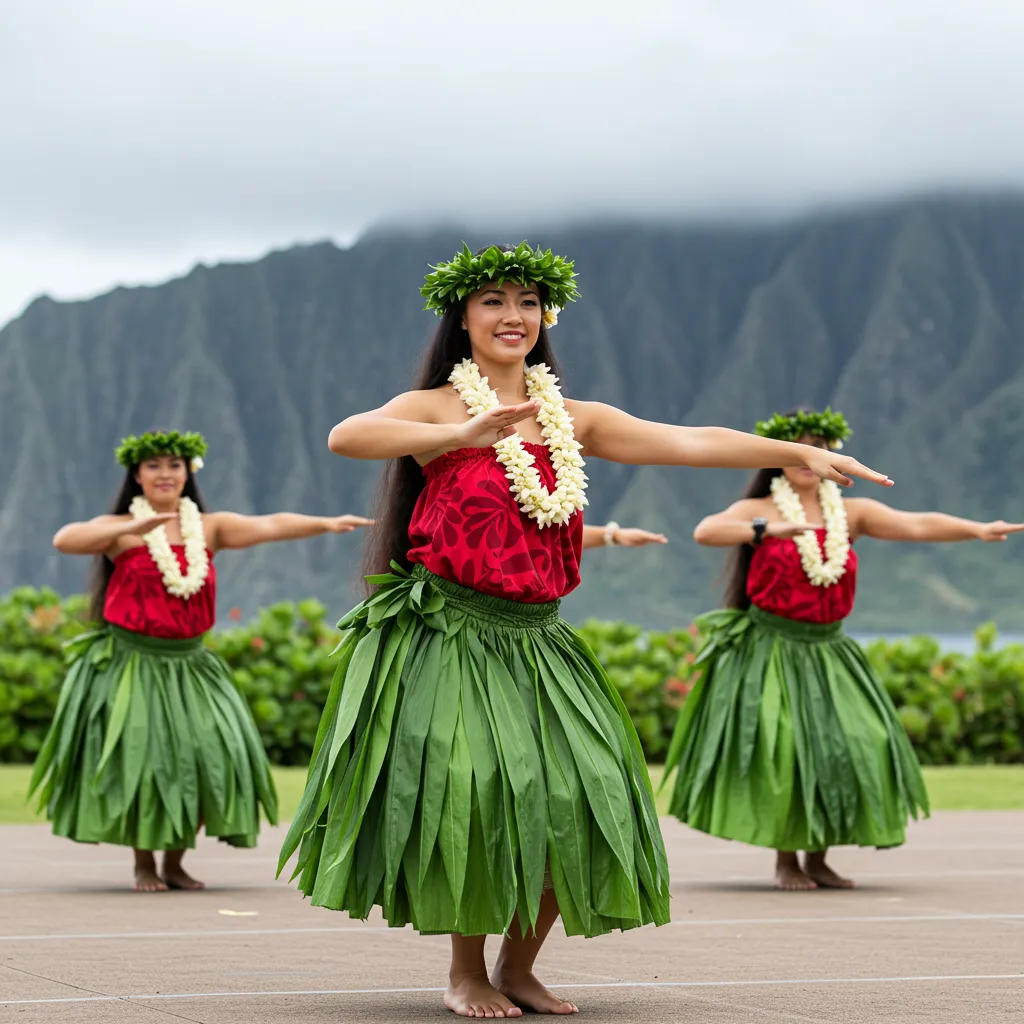
Before Hawaiians had a written language, hula and chants (oli) were how they passed down stories, history, genealogy, and mythology from one generation to the next.
Every single movement, from the hands to the hips, has a specific meaning and helps to animate the story being told in the song or chant.
So when you’re watching the dancers, you’re not just seeing a performance; you’re witnessing a sacred and powerful form of storytelling.
5. WYD with That Lei? The Flower Crown Rules
When you arrive at the luau, you’ll likely be greeted with a beautiful fresh flower lei.
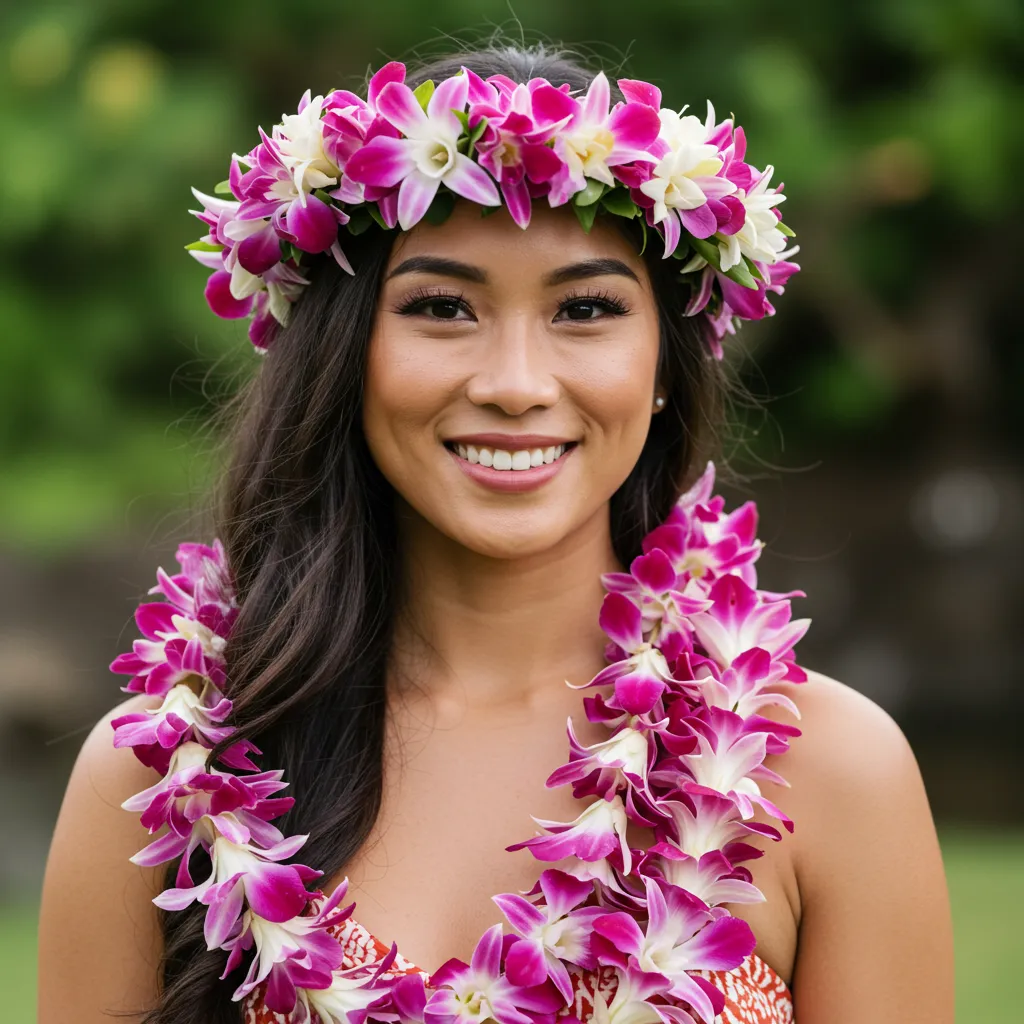
This is a symbol of aloha, affection, and welcome.
The proper etiquette is to accept it graciously and wear it draped over your shoulders, hanging evenly in the front and back.
Tucking a single flower behind your ear is another classic touch tradition says to wear it on the right if you’re single and the left if you’re taken.
6. Fire Dancers? Yep, They’re Epic (But Not Originally Hawaiian)
Let’s face it, the fire knife dance is a jaw-dropping, heart-pounding spectacle that’s a highlight of many modern luaus.
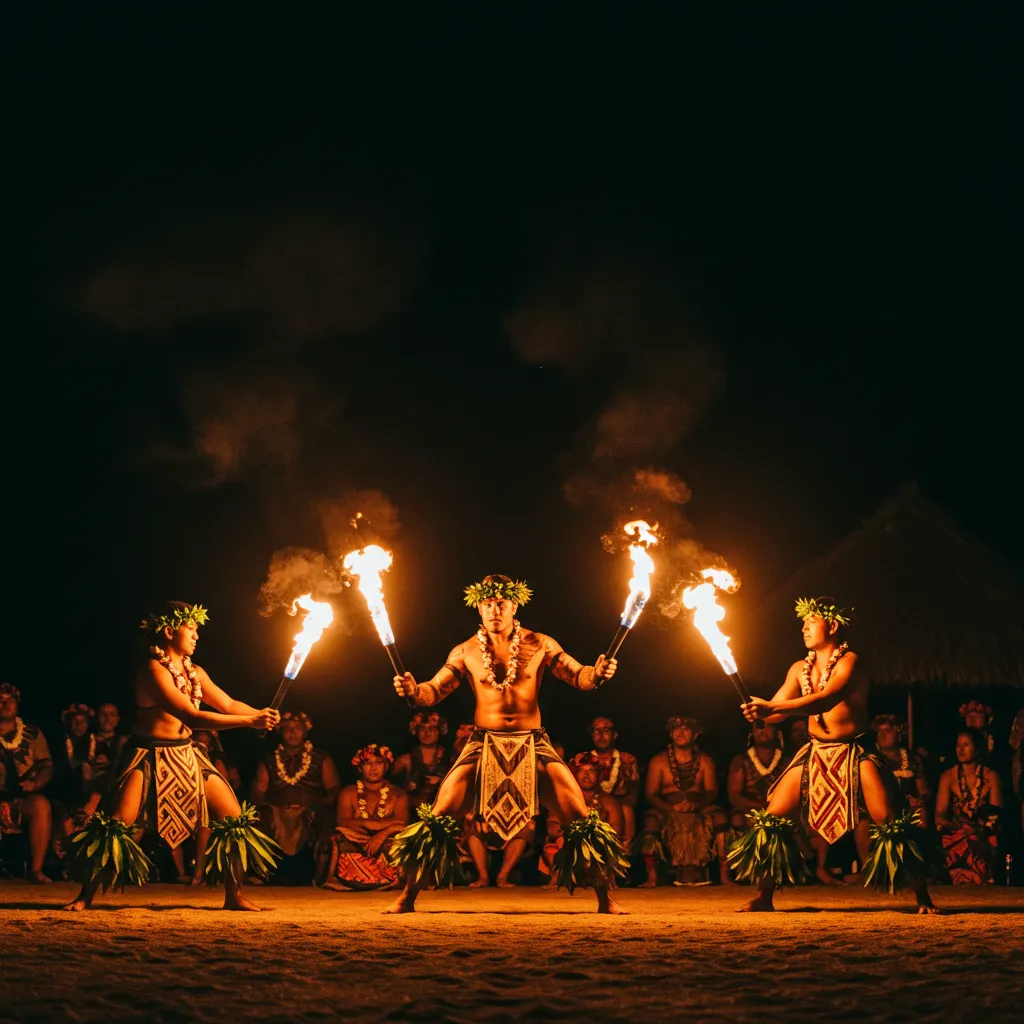
Here’s a little insider secret: while it has become a staple of Hawaiian entertainment, the fire knife dance, or Siva Afi, actually originated in Samoa as a display of a warrior’s strength and skill.
Fire was only added to the performance in the 1940s.
It’s a powerful and thrilling performance that showcases the interconnectedness of Polynesian cultures.
7. Dress the Part: The Ultimate Luau Style Guide
Wondering what to wear? Think “tropical chic.” The vibe is festive and relaxed.
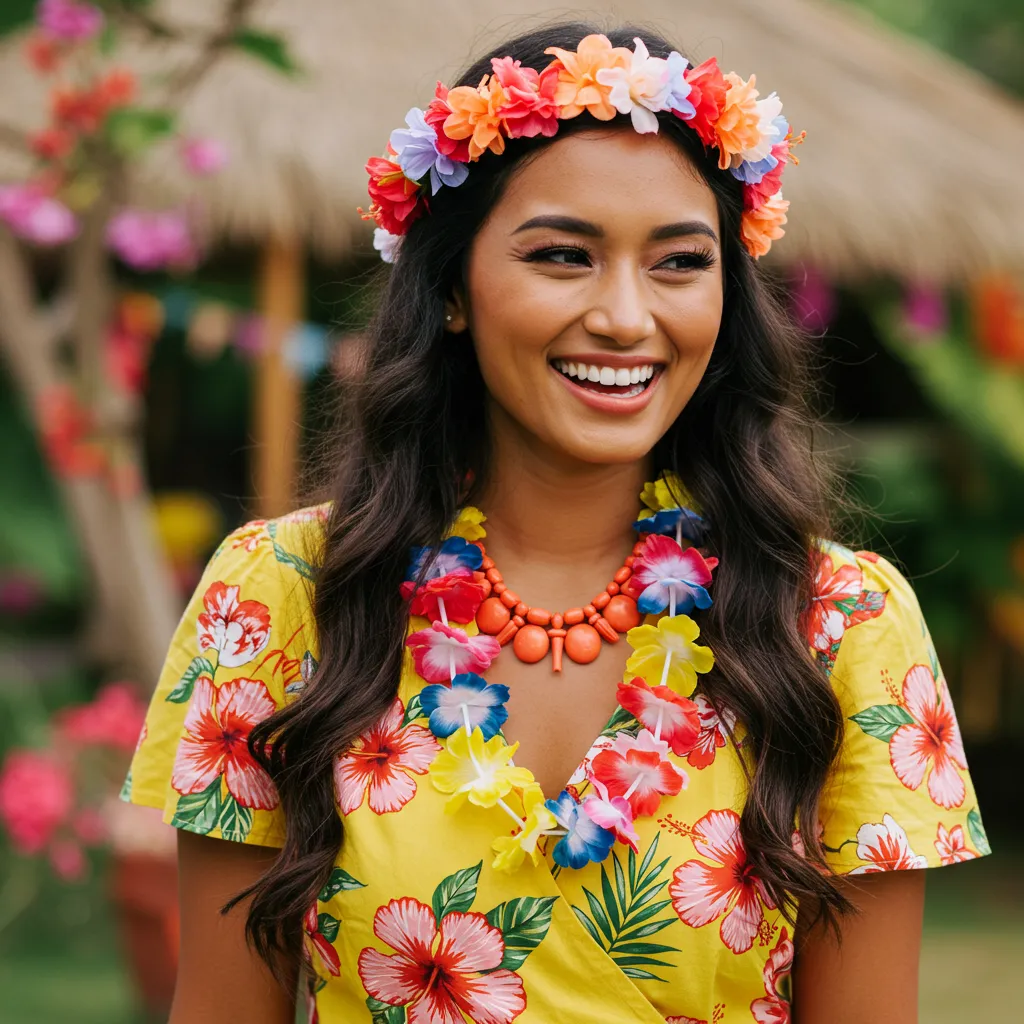
- For Women: Flowy maxi dresses, sundresses in floral prints, or even a traditional muʻumuʻu are perfect choices. When it comes to shoes, ditch the heels that will sink into the grass or sand and opt for comfortable sandals, wedges, or flats.
- For Men: You can’t go wrong with a classic Aloha shirt paired with shorts or lightweight linen pants. Flip-flops or casual sandals complete the look.
- Pro Tip: Evenings can get a little breezy, especially by the ocean, so bringing a light jacket or shawl is a total game-changer.
Pro Tip: Picking the Perfect Luau for Your Vibe
Not all luaus are created equal.
Some are massive, Vegas-style productions, while others are more intimate, family-run affairs with a focus on authentic cultural traditions.
Think about what kind of experience you’re looking for.
Do you want a spectacular show with all the bells and whistles, or a quieter, more personal connection to the culture?
A little research will help you find the luau that perfectly matches your travel style.
Wrapping It Up
Okay, let’s bring it in.
See? A luau isn’t just a box to check on your Hawaii itinerary.
It’s a full-on cultural immersion.
It’s a chance to taste history, feel the rhythm of the islands, and connect with the powerful stories that make Hawaii so magical.
You’re no longer just a tourist watching a show; you’re a guest partaking in a rich and beautiful tradition.
Now you have the cheat codes.
You know the history, the food, and the vibes.
Go find your feast, feel the spirit of aloha, and have an absolutely unforgettable night.
You totally got this.


