
Table of Contents
- December to February: Ideal Temperatures for Evening Walks
- June to August: Best for Early Sunset Viewing
- The New Moon Phase: Optimal Darkness for Visibility
- Post-Rainfall Evenings: When Glow Worms Are Most Active
- Late Night Hours: Beating the Crowds at Popular Dells
- Embracing the West Coast Magic
- Practical Tips for Your Glow Worm Hunt
Imagine stepping into a world where the night sky descends not just from above, but rises from the very earth beneath your feet.
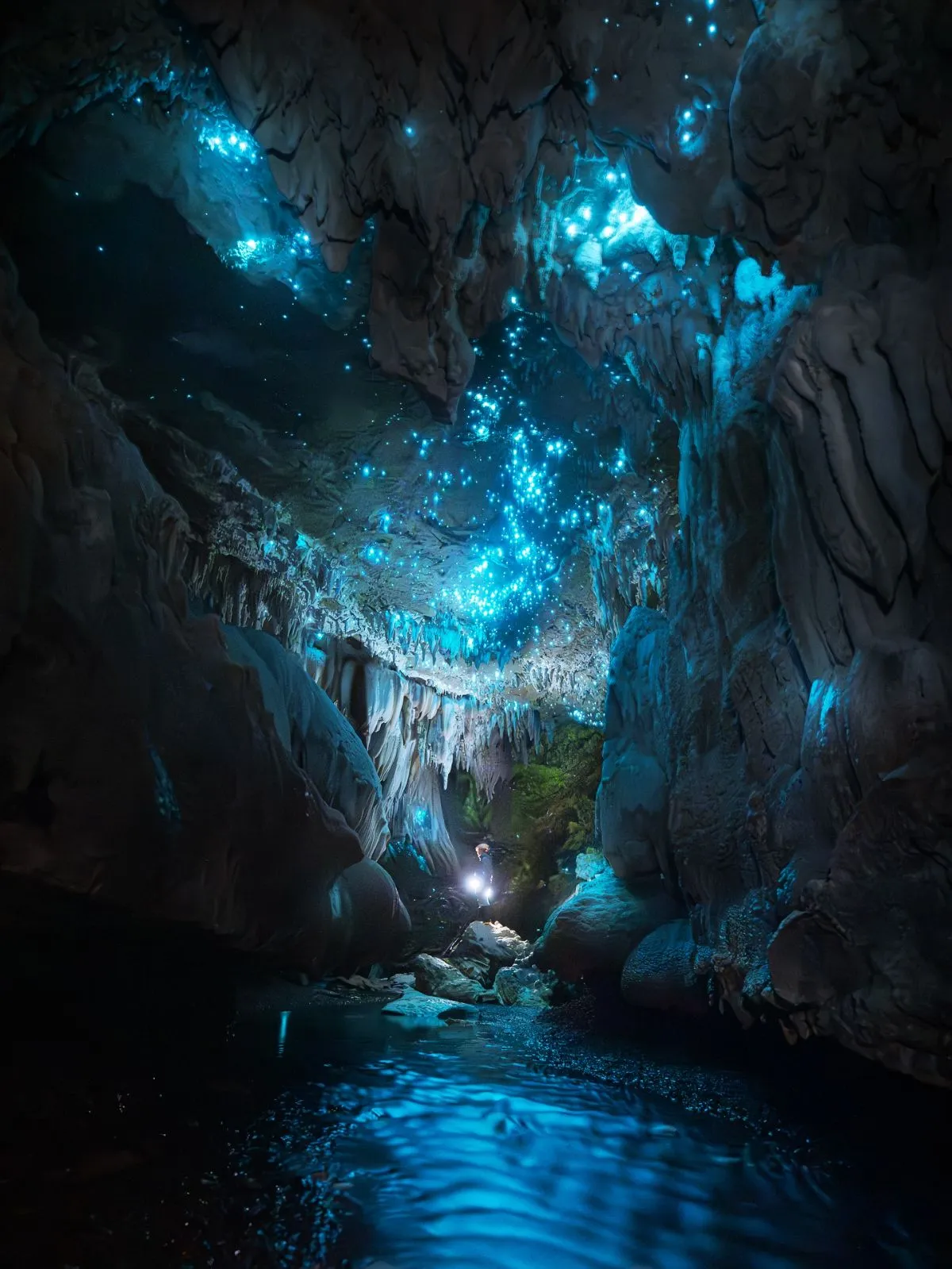
It is a realm where countless tiny, living lights paint subterranean galleries with a mesmerizing, otherworldly glow.
This isn’t just a dream; it’s the magical reality awaiting you amidst New Zealand’s ancient rainforests.
The wild, untamed West Coast of the South Island is more than just a landscape of dramatic glaciers and rugged coastlines; it’s a sanctuary for these luminous wonders.
Here, nature orchestrates a nightly symphony of light, a spectacle few truly experience.
Knowing when and where to seek these hidden gems is key to unlocking this unforgettable adventure.
As fellow explorers and guardians of these incredible places, we’ve trekked the trails and navigated the depths to bring you this essential guide.
Prepare to discover the perfect timing, prime locations, and practical tips to witness the glow worms’ breathtaking display.
Ensure your journey is as smooth as it is awe-inspiring, all while honoring the pristine beauty of Aotearoa.
The Glow Worm Recon Sheet
- Summer (Dec – Feb) offers mild temperatures and accessible dry trails, but requires battling high crowds and ravenous sandflies at dusk.
- Winter (Jun – Aug) creates a moody, crisp atmosphere with the distinct advantage of 5:00 PM sunsets for earlier viewing.
- Essential gear includes long sleeves to ward off sandflies and warm layers if chasing the winter darkness.
- Respect the inhabitants: Keep noise to a whisper and never touch the walls or worms to ensure their bioluminescence remains undisturbed.
December to February: Ideal Temperatures for Evening Walks
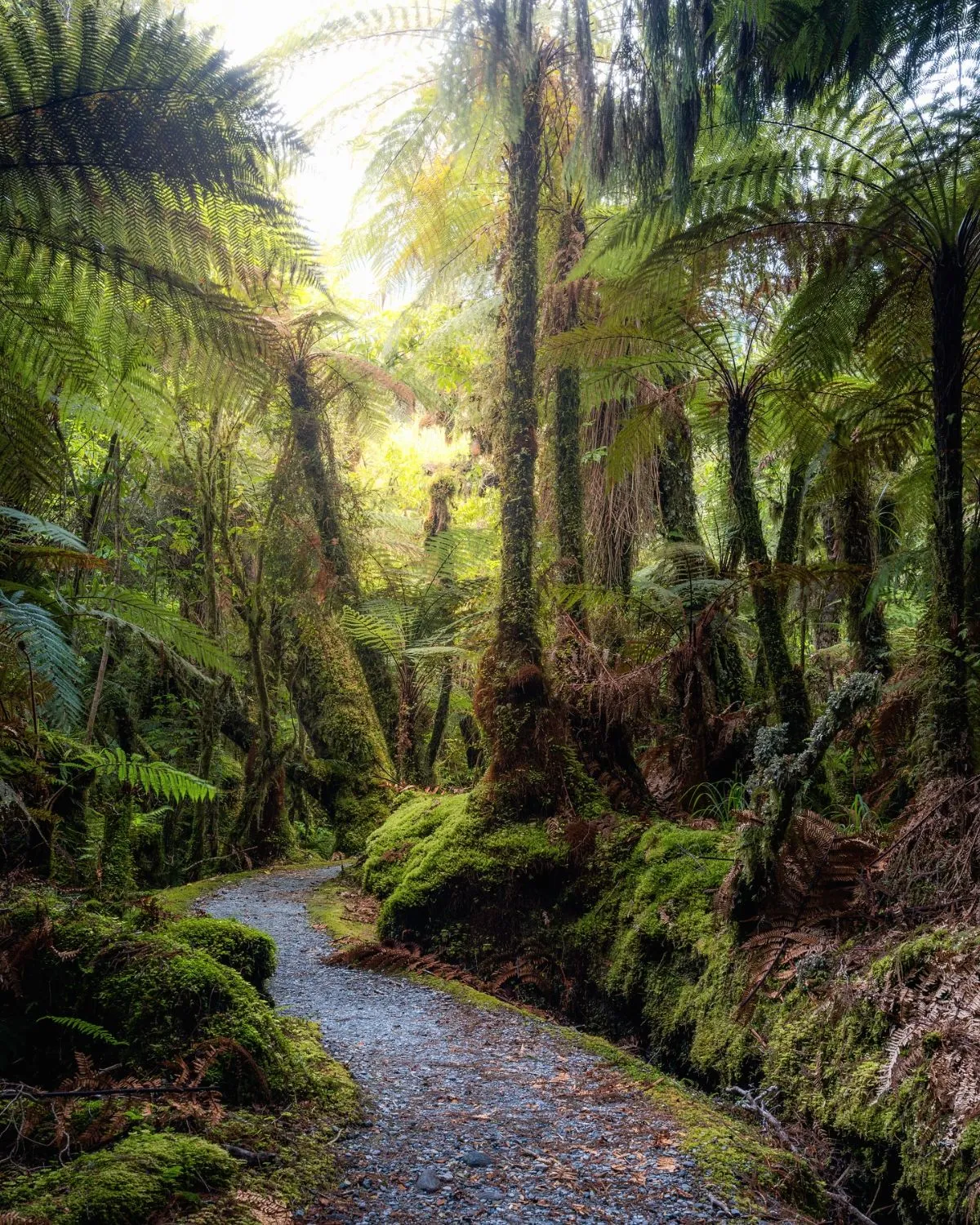
Summer on the West Coast brings long days and mild nights. It is the most popular time to visit for a reason. You can walk comfortably without heavy layers.
The air smells like damp earth and native flax. As dusk settles late in the evening, the forest comes alive. The sound of cicadas slowly fades into silence.
Summer nights on the West Coast mean walking under a galaxy of living lights without the winter chill.
However, this season draws the biggest crowds. You must book guided tours weeks in advance. Accommodations in towns like Hokitika fill up very fast.
🌲 Hokitika Glow Worm Dell
Free
Coastal Glow Worm Colony: This is an easily accessible roadside dell where glow worms can be seen for free in a natural rainforest setting.
- Best viewed during the New Moon phase for maximum contrast
- Accessible via a short, flat walk suitable for families
- Visible without a guided tour in an open-air environment
Trail Conditions and Accessibility
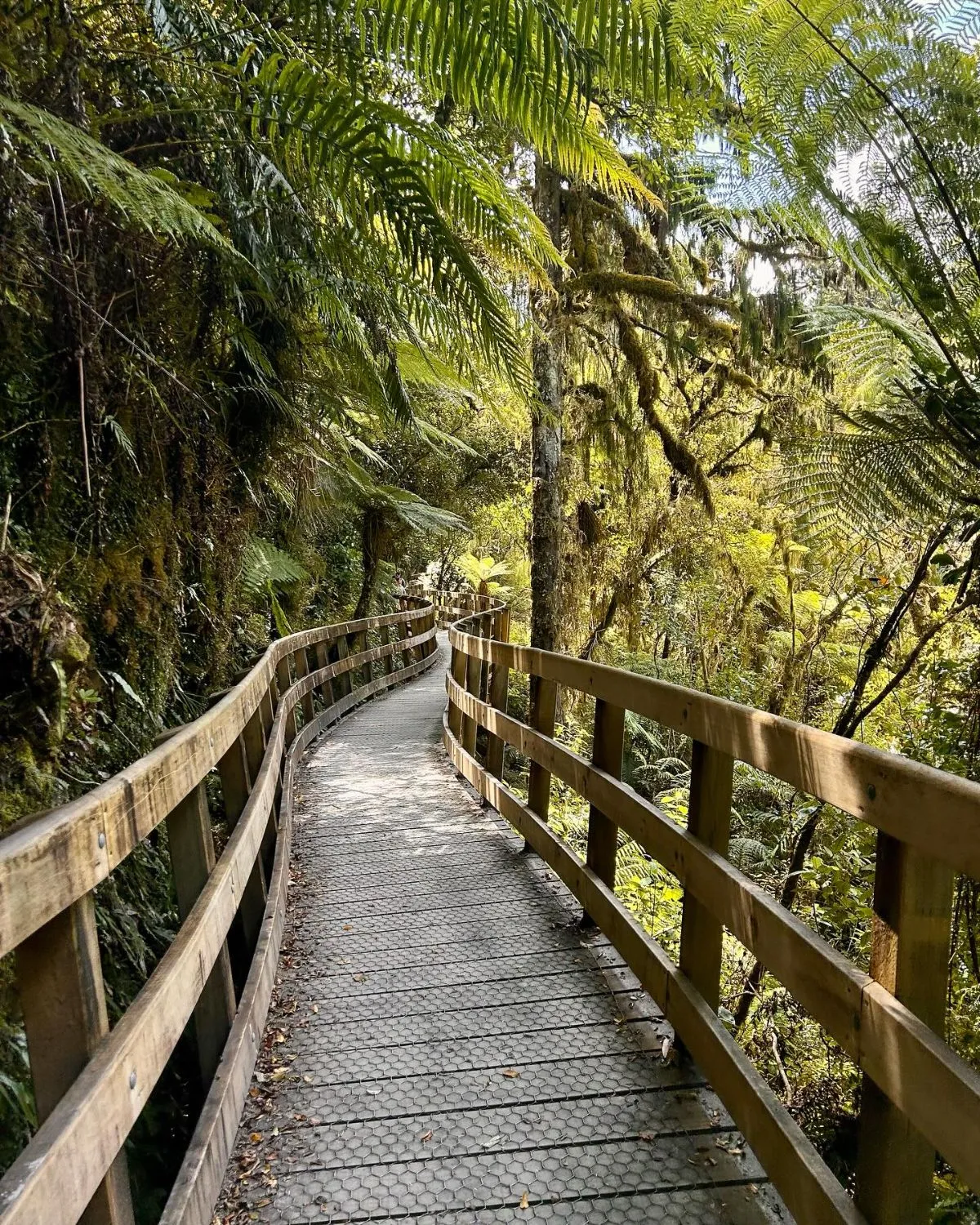
The trails are generally dry and accessible during these months. This makes it perfect for families or those less confident on uneven ground.
You will not be slipping on icy mud or dodging puddles. This accessibility allows you to focus entirely on the bioluminescence around you.
If you are planning a broader itinerary, the glow worm caves are often listed among the 10 Top New Zealand Places for Your Ultimate Travel List.
| Feature | Summer (Dec-Feb) | Shoulder (Mar-Apr) |
|---|---|---|
| Temperature | ✅ Warm / Mild | ❌ Cooler Evenings |
| Trail Dryness | ✅ High | ✅ Moderate |
| Crowd Levels | ❌ Very High | ✅ Moderate to Low |
| Sandfly Activity | ❌ High | ✅ Lower |
Managing the Sandflies
The warmth brings out the infamous West Coast sandflies. They are most active at dusk just before the glow worms start to shine.
Wear long sleeves and trousers to protect your skin. Apply repellent before you enter the forest, but avoid spraying it near the glow worms.
Once true darkness falls, the sandflies usually retreat. This leaves you in peace to enjoy the natural light show.
Summer Season Snapshot
- December to February offers mild evenings and dry, accessible trails suitable for families.
- Popularity is at its peak, so booking tours and accommodation weeks in advance is essential.
- Sandflies are active at dusk; wear long sleeves and apply repellent before entering the forest.
- Protect the glow worms by avoiding flash photography, keeping noise down, and not touching the walls.
June to August: Best for Early Sunset Viewing
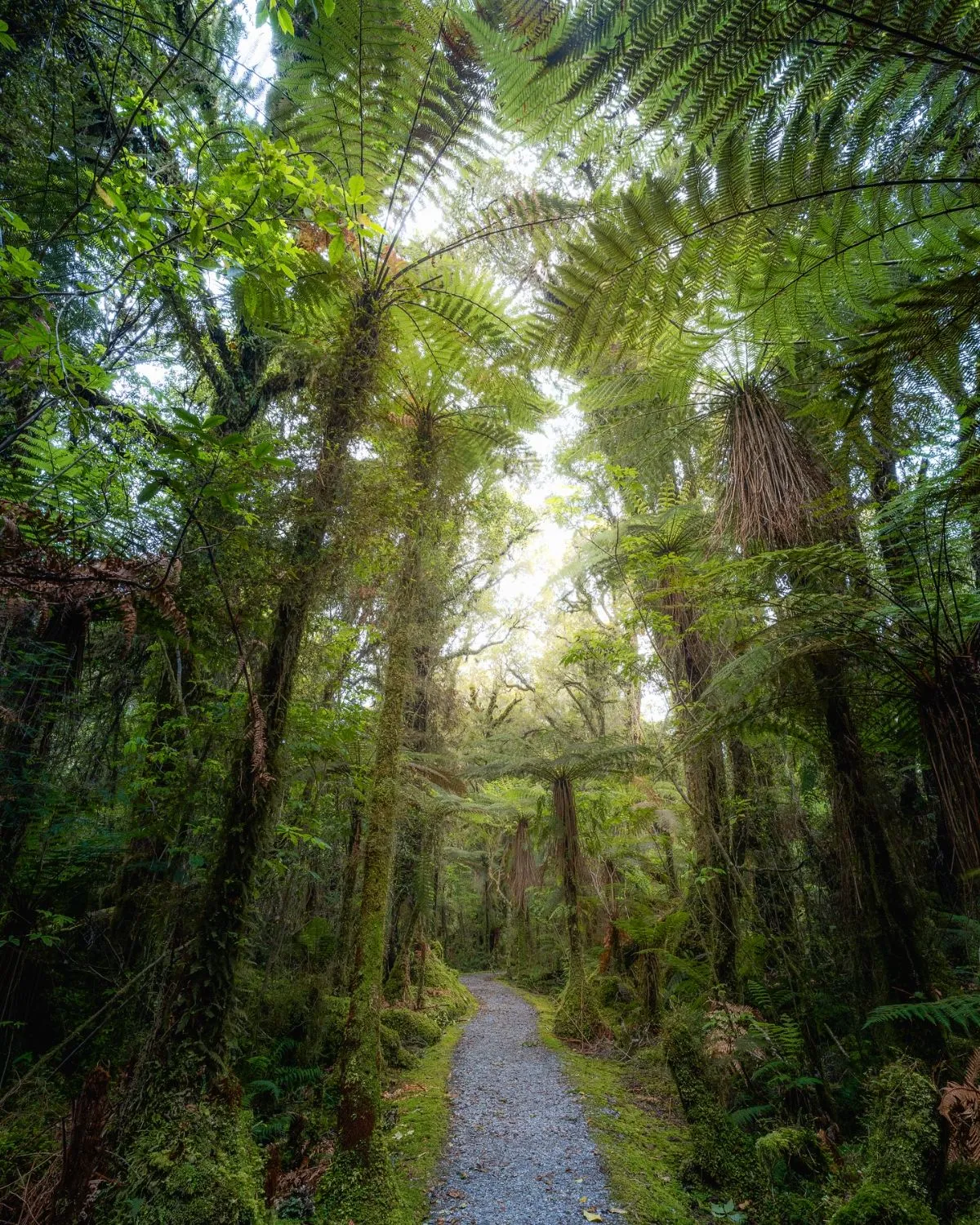
The winter months transform the West Coast into a moody, atmospheric wonderland. The air turns crisp, smelling of damp earth and native ferns.
While temperatures drop, the viewing experience improves significantly. The primary advantage of a winter visit is the early darkness.
In June and July, the sun dips below the horizon around 5:00 PM. This creates a pitch-black canvas for the glow worms much earlier in the day.
Winter on the West Coast offers a rare magic: the chance to see the galaxy of living lights before dinner time.
🌲 Paparoa National Park
Free
National Park & Wilderness Area: This is a lush national park on the West Coast featuring dramatic limestone landscapes and native rainforest.
- Home to various glow worm habitats including caves and dells
- Offers moody, atmospheric viewing in winter months
- Contains the historical Tatare Tunnels and diverse walking tracks
The “No Sandfly” Advantage
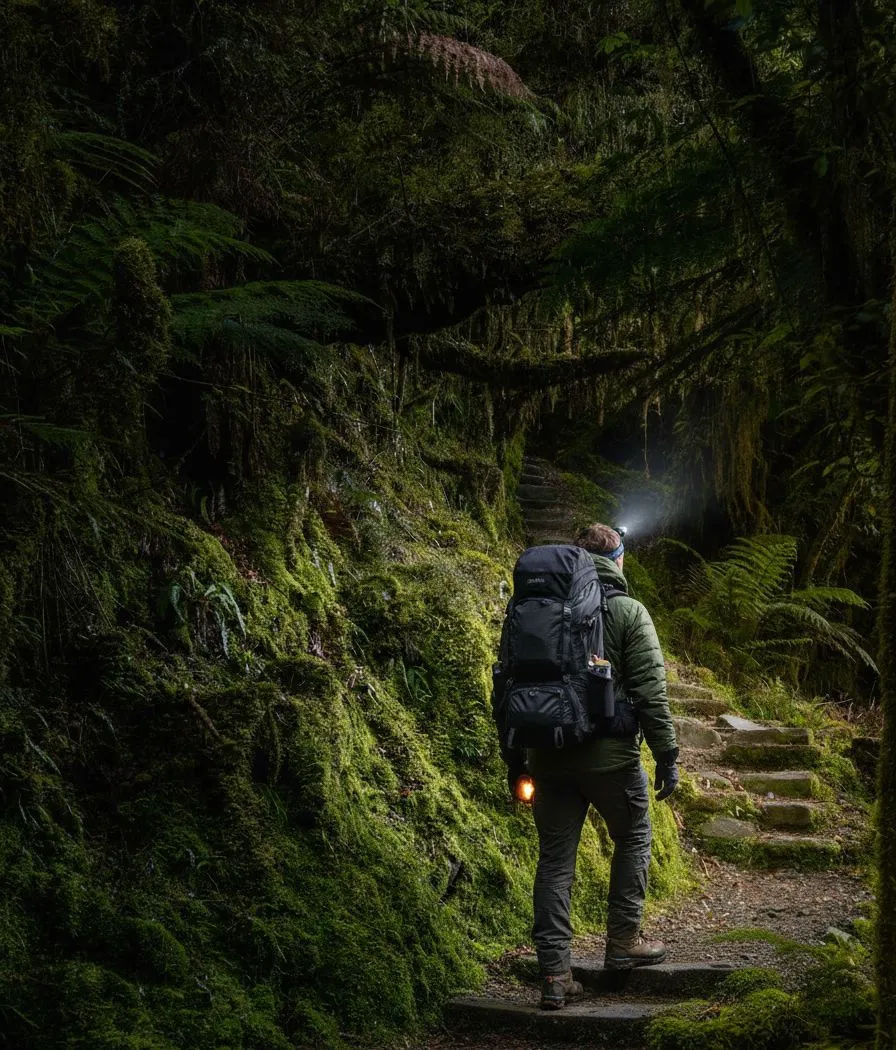
One distinct benefit of winter travel here is the absence of pests. The notorious West Coast sandflies are dormant during these colder months.
You can stand still in the forest without being bitten. This allows for a peaceful, meditative experience while observing the bioluminescence.
Combining this with other stops makes for a full itinerary. You can easily add this to a trip visiting 10 Top New Zealand Places for Your Ultimate Travel List.
Logistics: Winter vs. Summer Viewing
Understanding the trade-offs is vital for planning. Winter offers convenience, while summer offers warmth. Here is a quick comparison.
| Feature | Winter (June-Aug) | Summer (Dec-Feb) |
|---|---|---|
| Sunset Time | 5:00 PM – 5:30 PM | 9:00 PM – 9:30 PM |
| Crowd Level | Low (Quiet Trails) | High (Busy Spots) |
| Pest Level | Zero Sandflies | High Sandfly Activity |
| Temperature | 5°C – 12°C (Cold) | 15°C – 25°C (Mild) |
The shorter daylight hours mean you do not have to stay up late. This is excellent for families or those who prefer a solid night of sleep.
To get the best view, turn your torch off and give your eyes at least 10 minutes to adjust to the darkness.
Department of Conservation, Tatare Tunnels Walk Guide
🏛️ Tatare Tunnels Walk
Free
Historical Mining Tunnels: This is a walking track leading to old mining tunnels that now host bioluminescent glow worm colonies.
- Dark tunnel environment allows for viewing earlier in the day
- Requires a red-light torch to protect the worms and night vision
- Features remnants of West Coast gold mining history
What to Wear for Winter Viewing
It will be cold and likely damp. The West Coast rainforest is a wet environment, and viewing spots are often near running water.
Wear sturdy, closed-toe shoes with good grip. The tracks can be slippery with mud or frost. A waterproof outer layer is non-negotiable.
Bring a red-light torch if possible. Red light preserves your night vision and is less likely to disturb the glow worms than bright white beams.
The Winter Advantage: Why Visit June–August
- Sunsets around 5:00 PM allow you to view glow worms early without staying up late.
- Colder temperatures keep notorious sandflies dormant, ensuring a comfortable, bite-free experience.
- Winter offers significantly fewer crowds for a quieter, more atmospheric walk compared to summer.
- The early darkness is convenient for families with children or travelers who prefer a full night’s sleep.
The New Moon Phase: Optimal Darkness for Visibility
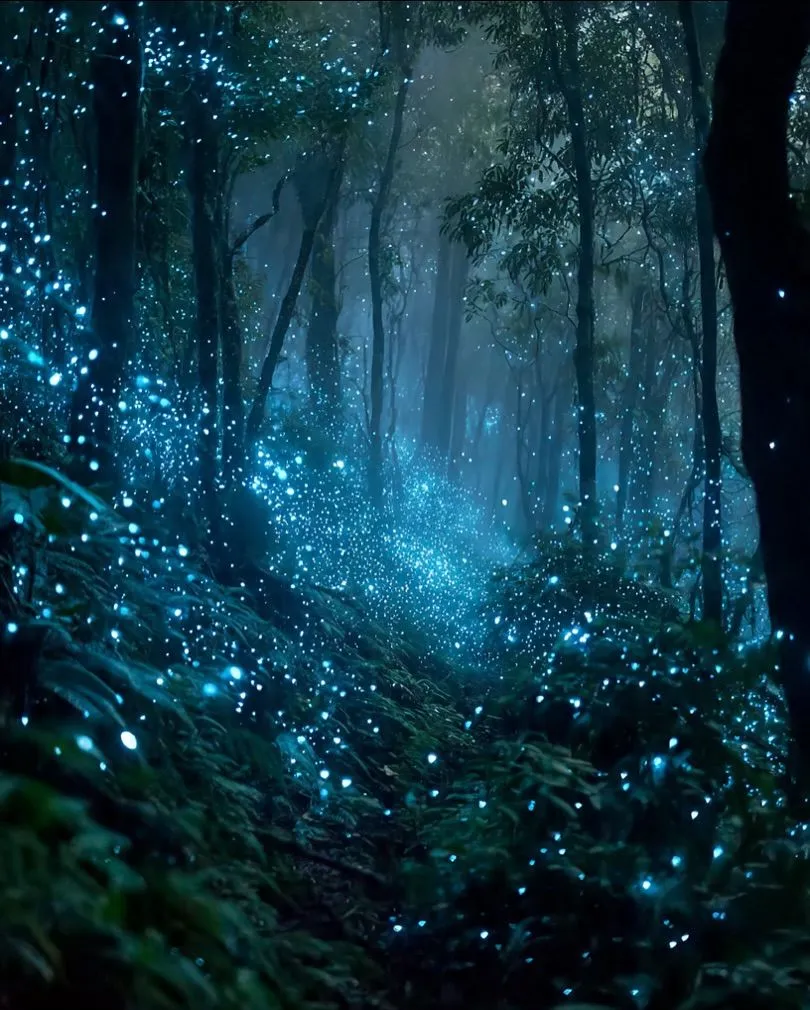
Seeing glow worms in their full glory is entirely about contrast. These tiny creatures emit a soft, bioluminescent blue light that is easily washed out by ambient brightness.
To witness the spectacle as nature intended, you must prioritize darkness. The moon is often the biggest source of natural light pollution in the New Zealand wilderness.
This is why seasoned travelers plan their West Coast itinerary around the lunar cycle. Specifically, they aim for the New Moon phase.
Don’t just chase the sunset; wait for the new moon. That is when the forest floor turns into a mirror of the night sky.
Maximizing Visibility
- Bioluminescence relies on high contrast, so avoiding ambient light is crucial for the best experience.
- The moon serves as a significant source of natural light pollution that can wash out the soft blue glow.
- Plan your itinerary around the New Moon phase to ensure the darkest skies and most spectacular views.
Why the New Moon Matters
During the New Moon, the moon is situated between the Earth and the Sun. This means the side of the moon facing us is in shadow, leaving the night sky pitch black.
Without moonlight filtering through the fern canopy, the glow worms appear significantly brighter. It transforms a few scattered lights into a dazzling subterranean galaxy.
If you are exploring outdoor spots like the Hokitika Glow Worm Dell, this timing is critical. These open-air environments are directly affected by moonlight.
To see the glow worms at their best, you need total darkness. Avoid using flash photography and try to visit during a new moon for the most spectacular display.
Travel Guide Team, Tourism New Zealand
Deep cave systems are more forgiving. If you book a tour that goes deep underground, the lunar phase matters less because the rock blocks the moonlight.
However, for the free, self-guided walks that make the West Coast famous, the sky creates the backdrop. A full moon can dim the experience by up to 50 percent.
If you are planning a broader trip, you might start in 12 Epic Things To Do In Queenstown, New Zealand before driving up the coast to sync with the dark skies.
The Lunar Influence on Glow Worm Visibility
- Plan your visit during a new moon to ensure the darkest possible environment, which makes glow worms appear as a brilliant subterranean galaxy.
- Prioritize timing for outdoor locations like the Hokitika Glow Worm Dell, as open-air environments are the most susceptible to being washed out by moonlight.
- Deep cave systems are less affected by the lunar cycle, making them a better option if your travel dates coincide with a full moon.
- Avoid flash photography and bright lights, as total darkness is essential for both preserving the experience and allowing your eyes to adjust.
Visibility by Lunar Phase
Use this simple guide to set your expectations based on when you visit. This applies specifically to outdoor dells and shallow caves.
- New Moon (Days 0-3): 100% Visibility. The “starry night” effect is at its peak. The lines of sticky silk are often visible.
- First Quarter (Days 4-10): 70% Visibility. The moon sets around midnight. Go for a late-night walk after the moon dips below the horizon.
- Full Moon (Days 11-18): 40% Visibility. Ambient light washes out the finer details. Deep caves are better choices during this week.
- Last Quarter (Days 19-28): 80% Visibility. The moon rises after midnight. Visit early in the evening for optimal darkness.
Capturing this bioluminescence on camera is notoriously difficult without professional gear. It requires long exposures and absolute stillness.
If you want to document the magic, read up on How I Took Stunning Travel Photos with Just a Camera to prepare your settings beforehand.
Mastering the Glow: A Lunar Guide
- Aim for the New Moon phase to experience 100% visibility and the clearest view of bioluminescent details.
- During First or Last Quarter phases, time your visit for when the moon is below the horizon for optimal darkness.
- Opt for deep caves during Full Moon cycles when outdoor displays are heavily washed out by ambient light.
- Prepare for photography challenges by mastering long exposure settings and stillness before your excursion.
The Sensory Experience
Visiting during the New Moon heightens your other senses. Because you cannot see the path clearly, you become hyper-aware of the rainforest atmosphere.
The air on the West Coast smells of damp earth and decaying Rimu leaves. You will hear the distinct rush of nearby creeks and the rustle of Weka birds in the bush.
Turning off your torch in total darkness can feel intimidating at first. But as your eyes adjust, the blue constellations slowly emerge from the blackness.
Be safe when navigating in the dark. Always carry a red-light torch to protect your night vision and the worms, as bright white light can cause them to “turn off.”
A Multi-Sensory Rainforest Journey
- Heighten your awareness of the environment as low visibility sharpens your senses of smell and sound.
- Listen for the rush of creeks and the movements of Weka birds while smelling the damp Rimu forest floor.
- Wait for your eyes to adjust in total darkness to see the blue glowworm constellations fully emerge.
- Always use a red-light torch to avoid disturbing the worms and to preserve your natural night vision.
Post-Rainfall Evenings: When Glow Worms Are Most Active
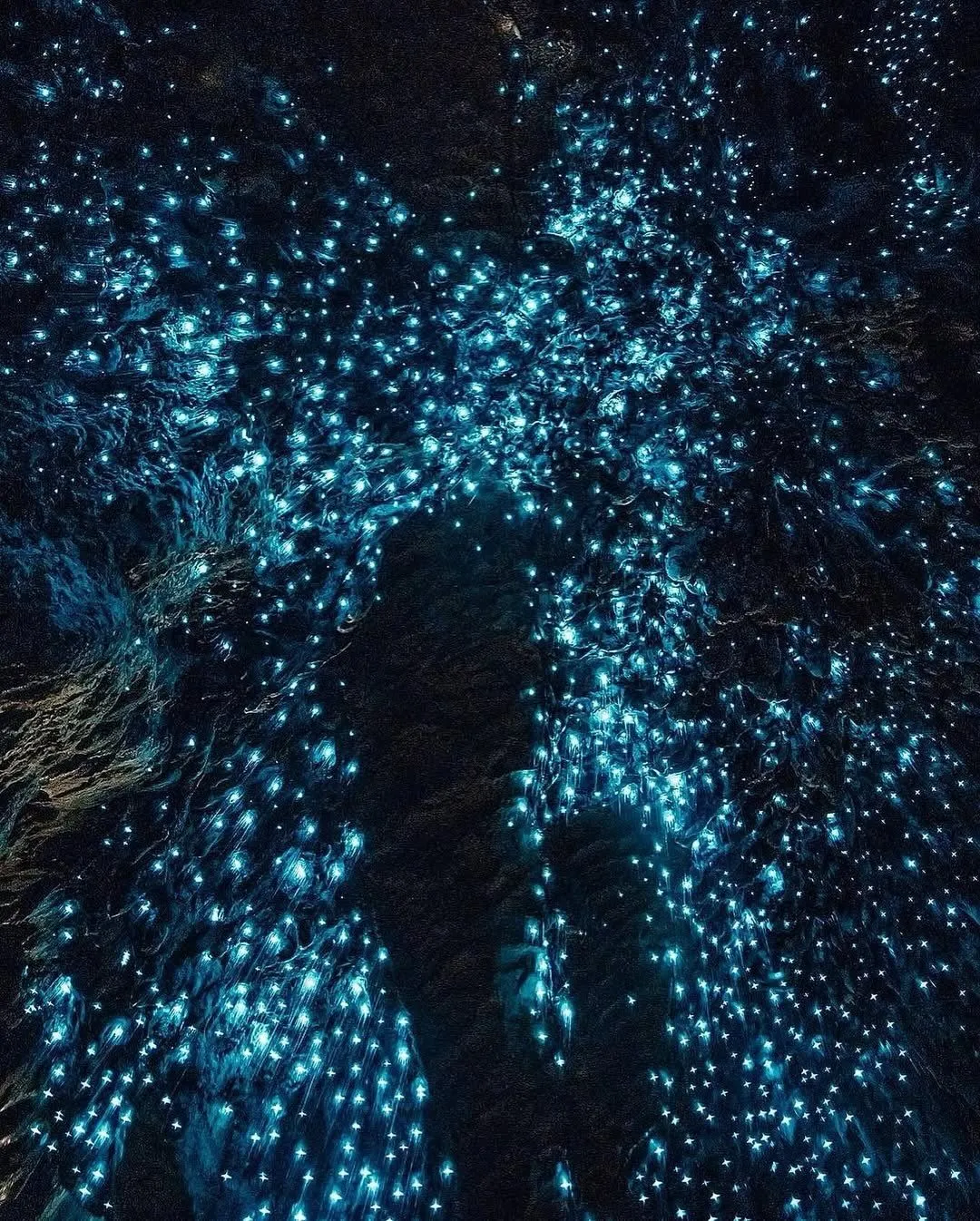
Many travelers retreat indoors when the notorious West Coast rain begins to fall. This is a rookie mistake if you are hunting for bioluminescence.
The native Arachnocampa luminosa thrives in high humidity. Dry air is their enemy, causing them to retract their sticky feeding lines to conserve moisture.
When the rainforest is damp, these larvae can safely extend their lines fully. This creates a larger surface area to catch prey and results in a brighter display.
The atmosphere after a downpour is thick with the scent of petrichor and wet fern fronds. The sound of dripping water enhances the sensory experience.
Rain doesn’t ruin the adventure on the West Coast; it illuminates it. The wetter the forest, the brighter the galaxy of glow worms awaits.
Rainy Night Rewards
- High humidity from recent rainfall prevents glow worms from drying out, allowing them to shine at their brightest.
- Damp conditions encourage larvae to fully extend their sticky feeding lines, increasing their surface area for catching prey.
- Dry air causes glow worms to retract their lines and dim their lights to conserve essential moisture.
- The sensory experience of glow worm spotting is enhanced post-rain by the smell of petrichor and the sound of the dripping rainforest.
Why Moisture Matters for Visibility
Glow worms glow to attract small flying insects like midges. Rain drives these insects to seek shelter in the same overhangs where glow worms live.
The combination of increased humidity and active prey triggers a feeding frenzy. The larvae shine their brightest to compete for the abundance of food.
While the adventure capital of Queenstown offers high-octane thrills, the rainy West Coast offers this quiet, natural magic.
You will often see the lights reflecting off wet surfaces, doubling the visual impact. This creates an immersive, 360-degree star field effect.
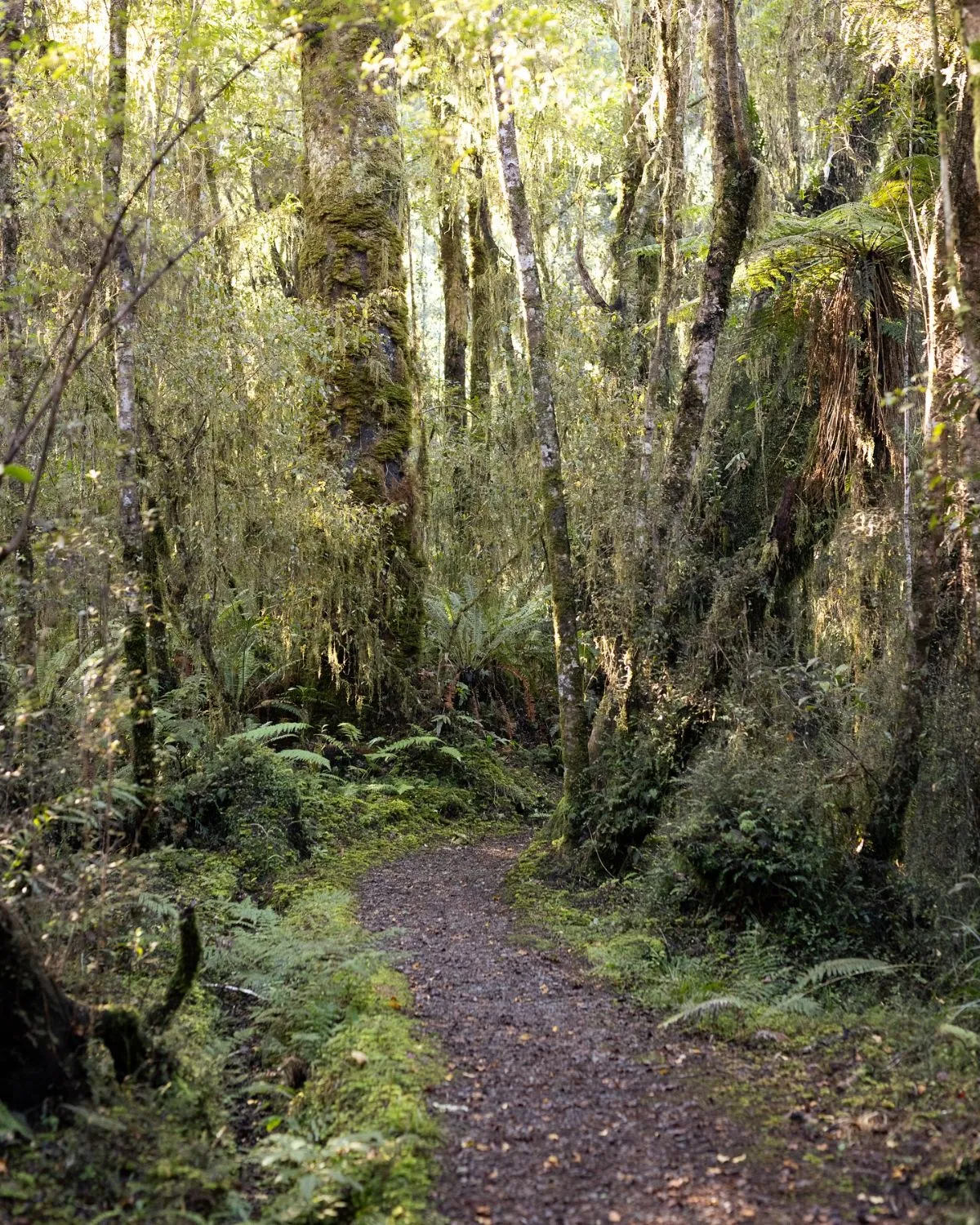
The Magic of Moisture and Light
- Rain pushes flying insects into overhangs, creating an abundant food source for glow worms.
- Increased humidity triggers the larvae to shine at their brightest to compete for active prey.
- Wet surfaces reflect the bioluminescence, creating an immersive 360-degree star field effect.
- The West Coast’s rainy climate transforms natural shelters into stunning light displays.
Gear for Wet Weather Viewing
Exploring these habitats requires preparation. The West Coast is known for heavy rainfall, so flimsy ponchos will not suffice for a comfortable trip.
Here is a checklist of essential items to ensure you stay warm while observing this natural phenomenon:
- Waterproof Jacket: Ensure it has a high waterproof rating (10,000mm+) to withstand sustained downpours.
- Sturdy Boots: Trails become slick with mud. Ankle support is vital for navigating tree roots in the dark.
- Red Light Torch: A red filter protects your night vision and does not disturb the glow worms like white light does.
- Wool Layers: Merino wool keeps you warm even when damp, unlike cotton which saps body heat.
They can detect light and will dim or turn off their bioluminescence if a torch is shone directly on them. Use a red light to observe without disturbing their feeding.
Entomology Team, Waitomo Caves Discovery Centre
Preparation Essentials for Wet Weather Expeditions
- Invest in a high-rated waterproof jacket (10,000mm+) and merino wool layers to maintain warmth in heavy rain.
- Choose sturdy boots with ankle support to navigate slick mud and tree roots safely during night viewings.
- Utilize a red light torch to preserve your night vision and avoid causing the glow worms to dim their bioluminescence.
- Avoid cotton clothing as it saps body heat when wet; wool remains effective at keeping you warm even when damp.
Safety on Slippery Tracks
Respecting the environment is just as important as your own safety. Wet limestone and clay tracks are incredibly slippery.
Always stay on the designated path. Stepping off-track can crush the delicate soil habitats where future larvae are developing.
Move slowly and deliberately. The best viewing spots are often near banks or overhangs that can be unstable after heavy rain.
If you are visiting a free public site, keep your voice low. Loud noises can cause the larvae to retreat, dimming the show for everyone.
Safe & Responsible Exploration
- Stay on designated trails to avoid crushing delicate habitats and underground larvae.
- Navigate slippery limestone and clay tracks with slow, deliberate movements.
- Keep noise to a minimum to ensure the larvae remain active and visible.
- Be wary of unstable banks and overhangs, especially following heavy rain.
Late Night Hours: Beating the Crowds at Popular Dells
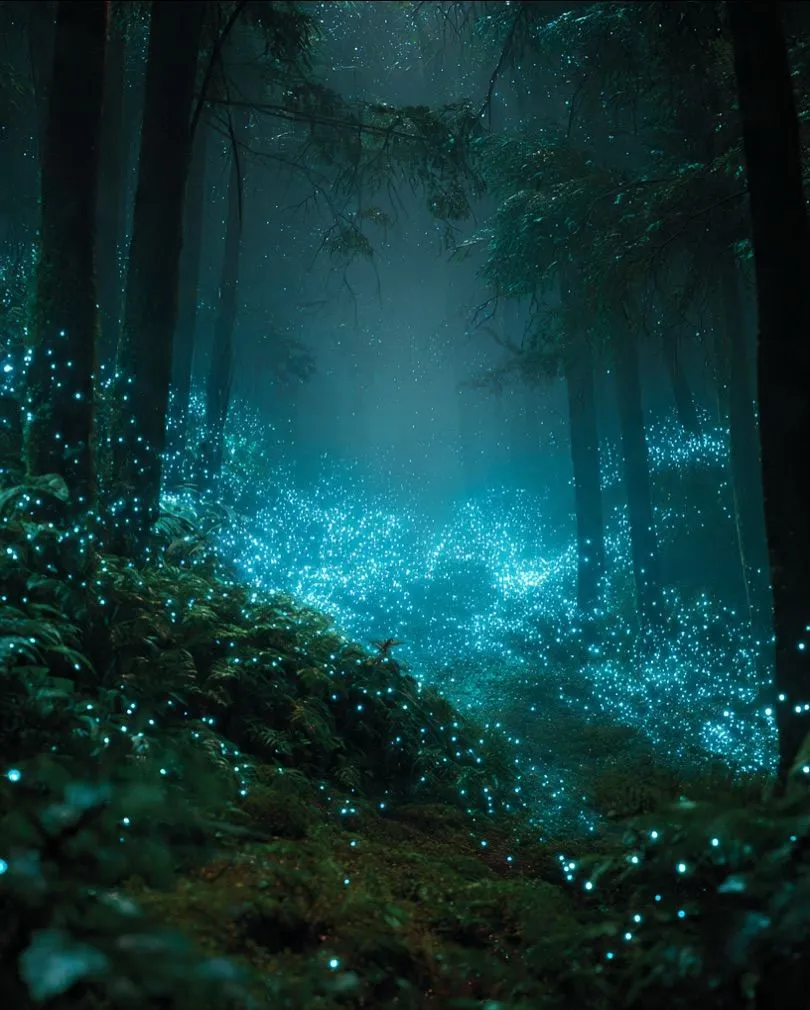
Walking into a popular glow worm dell immediately after sunset often feels like joining a theme park queue. The magic can get lost in the noise.
To truly connect with this natural phenomenon, you must adjust your schedule. The best viewing experiences happen when the tour buses have departed.
Visiting late at night allows the sounds of the rainforest to take over. You hear the distant crash of the Tasman Sea and the rustle of native birds.
True magic happens in the silence left behind when the crowds go home.
The Midnight Shift at Hokitika Glow Worm Dell
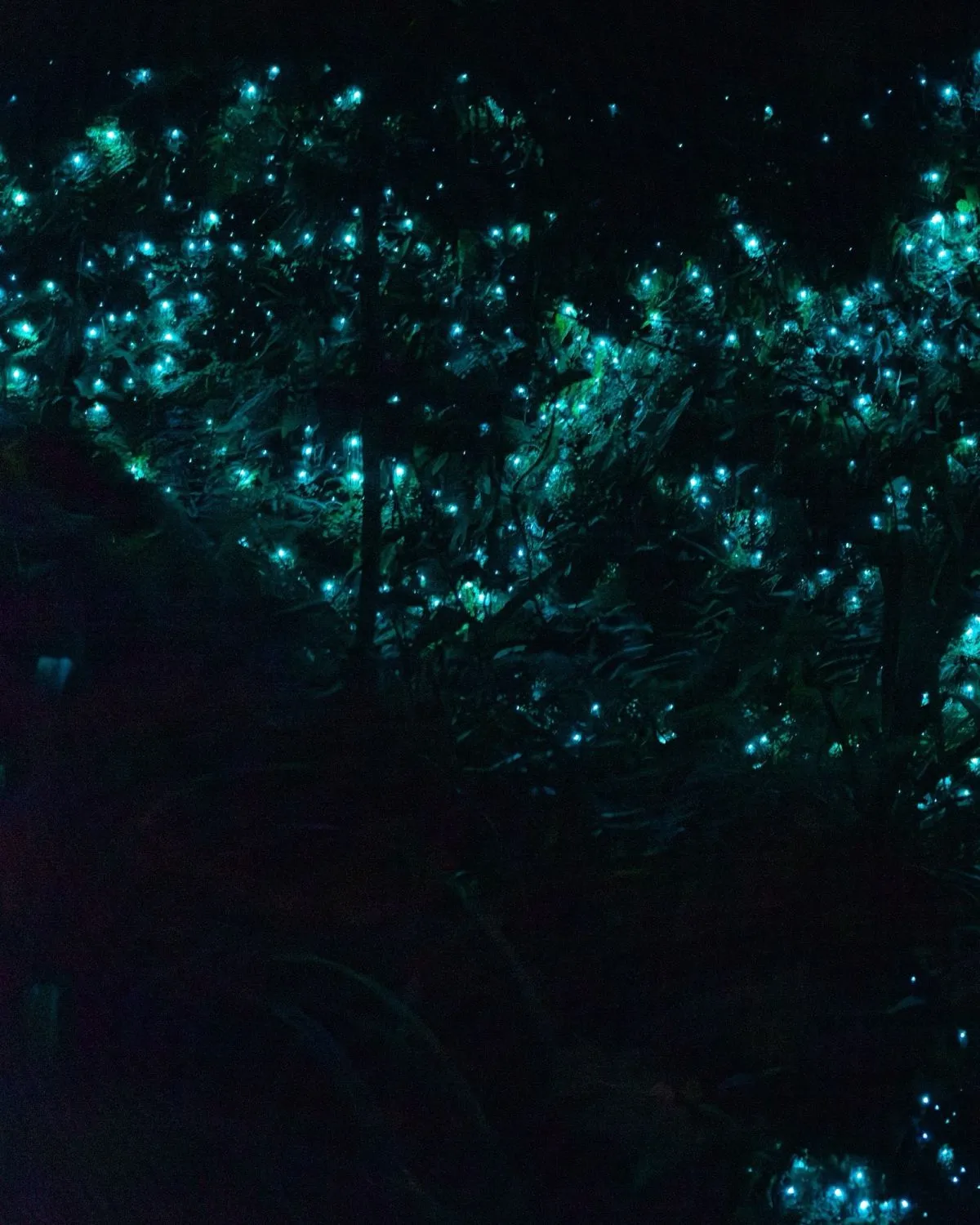
The Hokitika Dell is the most accessible spot on the coast. It sits right on the edge of town. This convenience makes it a magnet for early evening crowds.
Between 10:00 PM and 1:00 AM, the atmosphere shifts completely. The chatter fades away. The lights of the worms seem brighter against the absolute black.
If you are trying to capture the scene, this solitude is essential.
You can set up a tripod without tripping anyone.
Read how I took stunning travel photos with just a camera for tips on low-light settings.
Avoid using your flash at all times. It is not only bad for the glow worms but it also ruins the experience for others.
West Coast Regional Tourism, Glow Worms Guide
Quiet Hours vs. Peak Times
Understanding the flow of traffic helps you plan a peaceful visit. Review the table below to choose the optimal window for your night adventure.
| Time Slot | Crowd Level | Atmosphere |
|---|---|---|
| Sunset – 9:00 PM | High | Noisy, flashlights everywhere |
| 9:00 PM – 10:30 PM | Medium | Groups dispersing, quieter |
| 10:30 PM – 2:00 AM | Low | Silent, immersive, magical |
Tatare Tunnels: The Adventurous Option
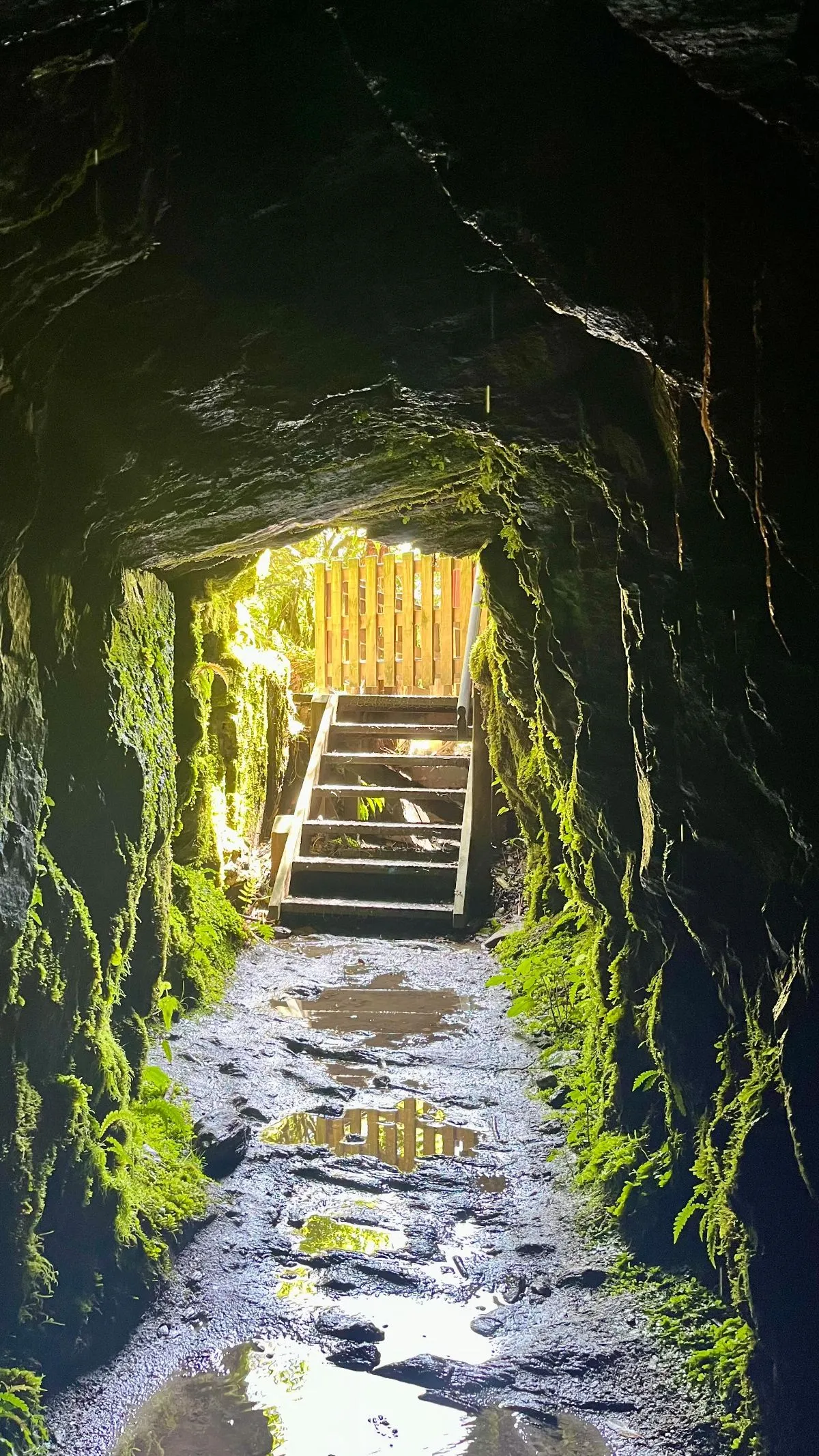
For those in Franz Josef, the Tatare Tunnels offer a wilder experience. This is not a paved stroll. It requires walking through ankle-deep water.
Late night visits here are only for confident explorers. The tunnel is pitch black and damp. The smell of wet earth and limestone is intense.
Safety is paramount on this track. Always check weather conditions before heading out. Heavy rain can make the water levels rise dangerously fast.
Just like when planning the best time to visit the Dolomites for hiking to avoid crowds, timing is everything. Going late ensures you have the tunnel to yourself.
Bring a headlamp with a red light setting. Red light preserves your night vision. It allows you to navigate safely without disturbing the glow worms.
Mastering the Midnight Magic
- Schedule your visit for the ‘midnight shift’ between 10:30 PM and 2:00 AM to experience the glow worms in total silence.
- Avoid using camera flashes at all times to protect the glow worms’ habitat and preserve the night vision of fellow travelers.
- Take advantage of low crowd levels after 10:30 PM to set up tripods for high-quality, long-exposure photography.
- Arrive late to trade the noise of tour groups for the natural sounds of the Tasman Sea and native rainforest birds.
Embracing the West Coast Magic
Whether you choose the warm buzz of summer or the crisp silence of winter, the West Coast glow worms never disappoint. It is a bucket-list experience.
Remember to book ahead if visiting in December or January. The crowds are thicker, but the balmy evenings make the walk effortless and relaxing.
For the brave souls visiting in winter, the early sunset is your reward. You get the starry dells all to yourself before dinner time.
Treading lightly ensures these lights keep burning for future travelers. Pack your sense of wonder, respect the silence, and leave no trace behind.
Practical Tips for Your Glow Worm Hunt
Yes, the Hokitika Glow Worm Dell is free and accessible to the public. However, private cave tours elsewhere on the coast usually require a ticket.
Bring a small torch for the walk, ideally with a red light filter. Turn it off once you reach the dell to protect your night vision and the worms.
Absolutely. Glow worms thrive in damp conditions and often shine brighter after rain. Just wear a waterproof jacket and sturdy boots for the mud.
You need complete darkness. In summer, plan to arrive after 10:00 PM. In winter, you can see them clearly as early as 6:00 PM.
It is difficult without a tripod and long exposure settings. Never use flash, as it disturbs the worms and ruins the experience for others.


