
Table of Contents
- Peak Seasonal Window for Scotland Puffin Watching
- Isle of May: The East Coast Breeding Hub
- Lunga: Close-Up Sightings in the Treshnish Isles
- Hermaness: The Wild Cliffs of Unst
- Staffa: Puffin Burrows on the Basalt Isle
- The Final Flight: Your Scottish Puffin Adventure Awaits
- Puffin Pointers: Your Essential Questions Answered
Imagine the salty air, the cry of gulls, and then, a flash of vibrant orange and black against a wild Scottish sky.
Witnessing puffins in their natural habitat is a truly unforgettable spectacle, a dance of resilience and charm on the edge of the world.
This journey isn’t just a trip; it’s an immersion into Scotland’s untamed heart.
But where precisely do these charismatic seabirds gather, and when is the magic hour to truly behold them?
Navigating Scotland’s rugged coastlines and remote islands for that perfect encounter can feel daunting.
Fear not, fellow explorer; this guide is your compass, revealing not just the well-known havens but also a few whispered secrets for a truly spectacular and smooth adventure.
From the scent of wildflowers on a remote island breeze to the distant skirl of bagpipes carried on the wind, prepare to connect deeply with Scotland’s soul.
We will explore the best timings and locations, always treading lightly and respectfully, ensuring our appreciation enhances these fragile ecosystems and the communities that call them home.
Let’s chase the puffins together.
The Seafaring Scout’s Quick Sheet
- The magic happens between April and August, when these ‘sea parrots’ trade the open Atlantic for Scotland’s rugged nesting cliffs.
- Aim for June and July for the ultimate spectacle as parents return with silver sand eels to feed their hungry pufflings.
- Watch for charming ‘billing’ rituals in early spring and the high-energy whirring of wings during the mid-summer feeding frenzy.
- Don’t delay your adventure; by early August, the colonies begin to thin as puffins return to their solitary life on the Atlantic waves.
- Protect the fragile coastal habitat by sticking to marked paths and respecting the underground burrows that house the season’s chicks.
Peak Seasonal Window for Scotland Puffin Watching
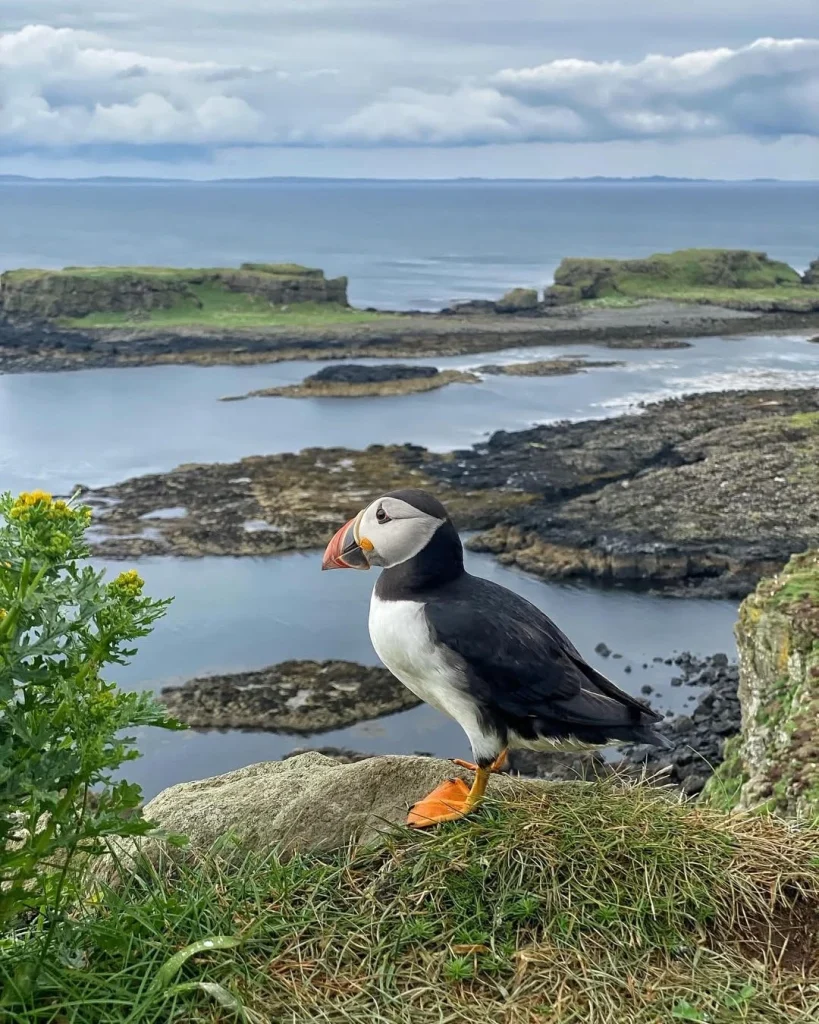
The best time to see puffins in Scotland is between April and August. During these months, the birds come ashore to breed and raise their young.
By late March, the first scouts arrive. They assess the safety of the nesting sites. The air fills with the scent of wild garlic and salty mist.
Scotland’s puffins turn rugged cliffs into a vibrant tapestry of life every summer.
April
Returning and Burrowing
Watch puffins use their strong beaks to clear out old turf burrows.
May
Nesting and Incubation
Best sightings begin as the birds settle into their colonies.
June & July
Feeding the Pufflings
Peak photography time to see parents carrying bills full of sand eels.
August
Ocean Departure
Colonies thin out as birds head to the open Atlantic for winter.
The Spring Arrival and Burrowing
April marks the beginning of the nesting season. You will see puffins clearing out their old burrows. They use their strong beaks to dig into the turf.
The landscape is a buzz of activity. Puffins often rub their beaks together as a sign of bonding. This behavior is known as billing.
If you are exploring the coast near the capital, consider North Berwick for boat trips. It is a prime gateway to the islands.
Puffins start to return to their colonies in late March or early April, but the best sightings usually begin in May when they are settled.
RSPB Scotland, Official Species Guide
🎨 North Berwick
Free
Coastal Gateway: A scenic seaside town and prime gateway for puffin-watching boat trips.
- Home to the Scottish Seabird Centre
- Departure point for RIB boat tours to the islands
- Close proximity to Edinburgh for day trips
The Mid-Summer Feeding Frenzy
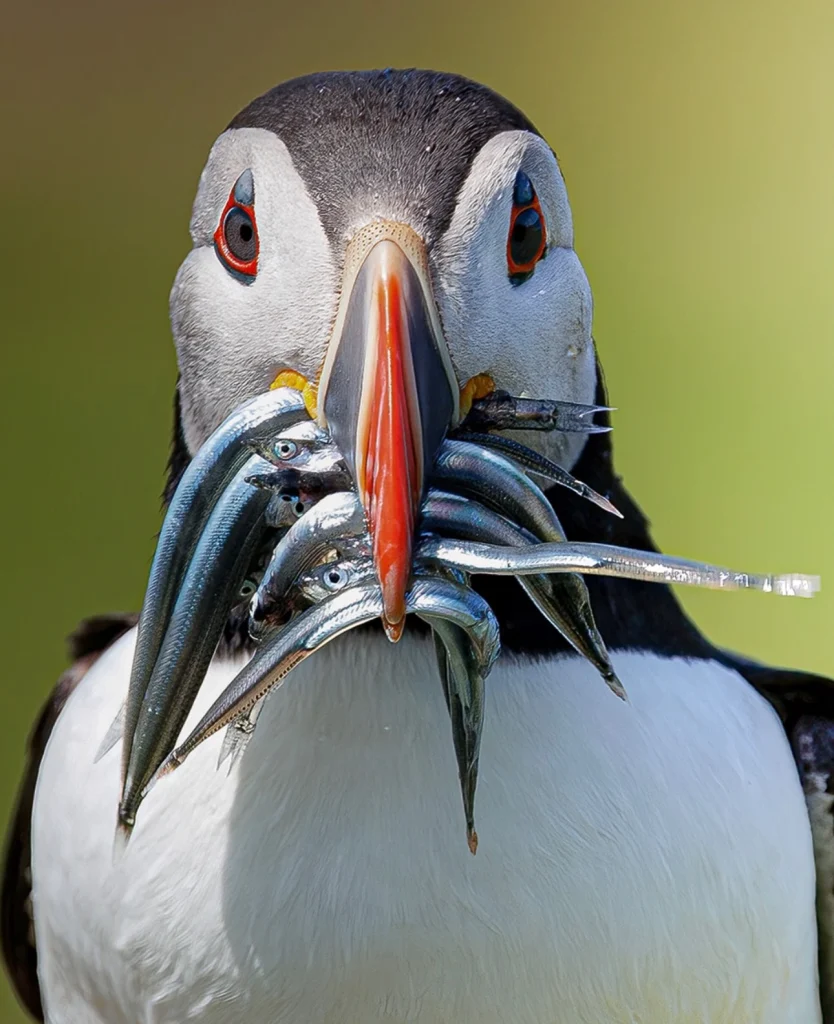
June and July represent the peak of the season. This is when the chicks, known as pufflings, are born. The parents are constantly on the move.
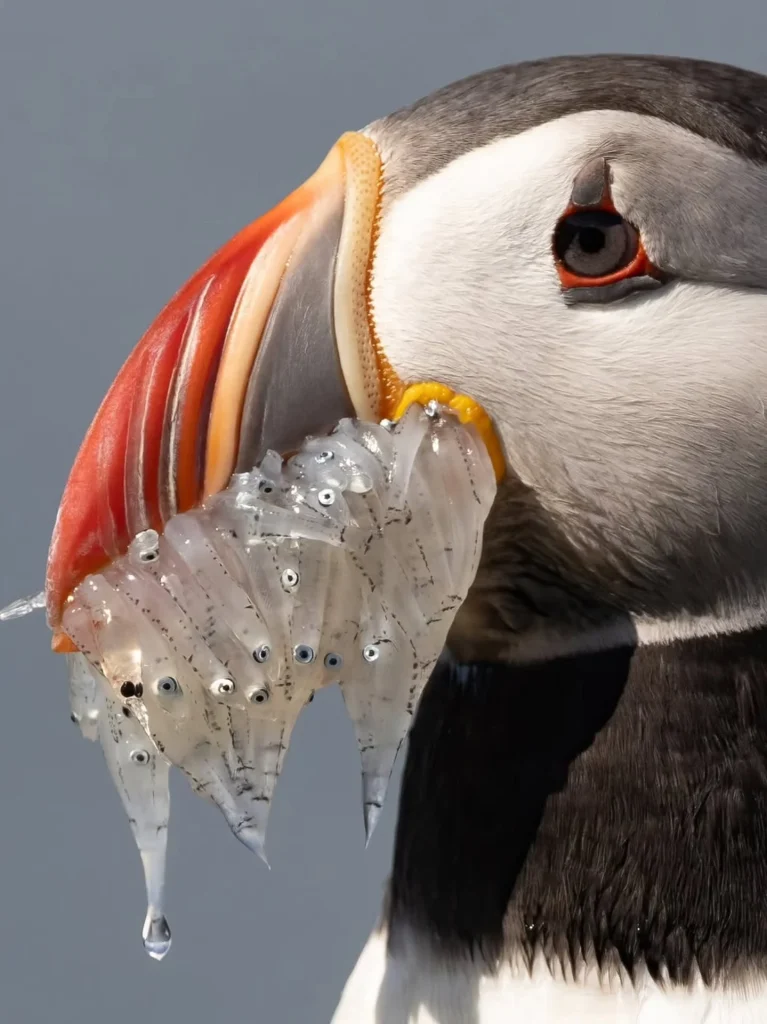
You will see them diving into the cold water. They return with silver sand eels lined up in their beaks. This is the best time for photography.
The islands feel alive with the sound of whirring wings. Always stay on marked paths to protect the fragile burrows. Respecting the habitat is vital for their survival.
While visiting coastal areas, you might also find hidden coastal beaches near Edinburgh. These spots offer a quiet escape after a day of birdwatching.
| Month | Puffin Activity | Sightings Rating |
|---|---|---|
| April | Returning and Burrowing | Moderate ✅ |
| May | Nesting and Incubation | High ✅ |
| June/July | Feeding Chicks (Sand Eels) | Excellent ✅ |
| August | Departure to the Ocean | Declining ❌ |
The August Departure
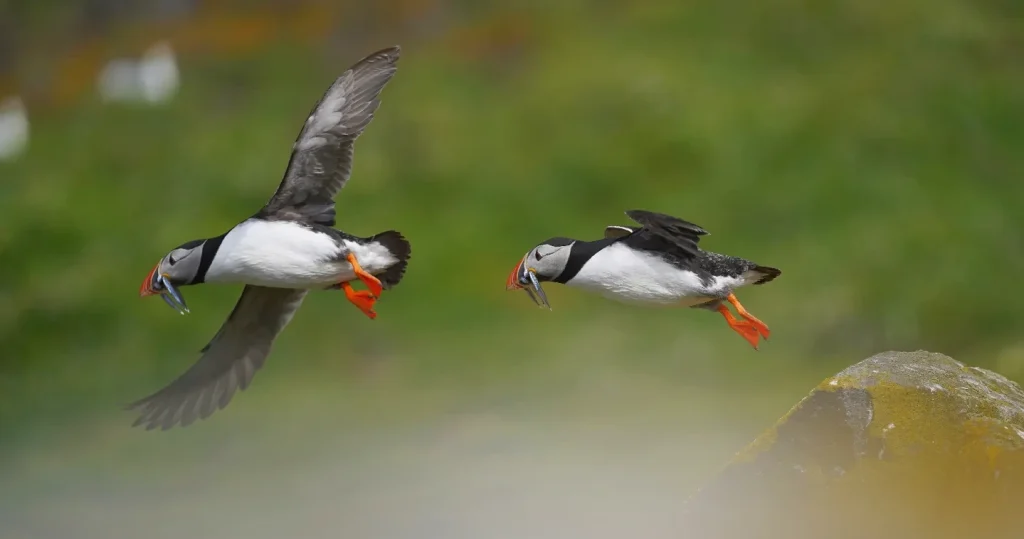
By early August, the colonies begin to thin out. The pufflings leave their burrows under the cover of night. They head straight for the open sea.
The adult birds follow shortly after. They spend the entire winter on the Atlantic waves. By the end of August, the cliffs are often empty.
Plan your trip for mid-July to ensure you do not miss them. Always check local weather reports before booking boat tours. Rough seas can lead to cancellations.
Seasonal Highlights for Puffin Spotting
- Visit between April and August to witness the full breeding cycle, from initial burrowing to the feeding of pufflings.
- Plan your trip for June or July for the best photography opportunities as parents return to nests with silver sand eels.
- Look for “billing” behavior in early spring when pairs bond by rubbing their beaks together near their burrows.
- Ensure the survival of the colonies by staying on marked paths to protect fragile underground nesting sites.
Isle of May: The East Coast Breeding Hub
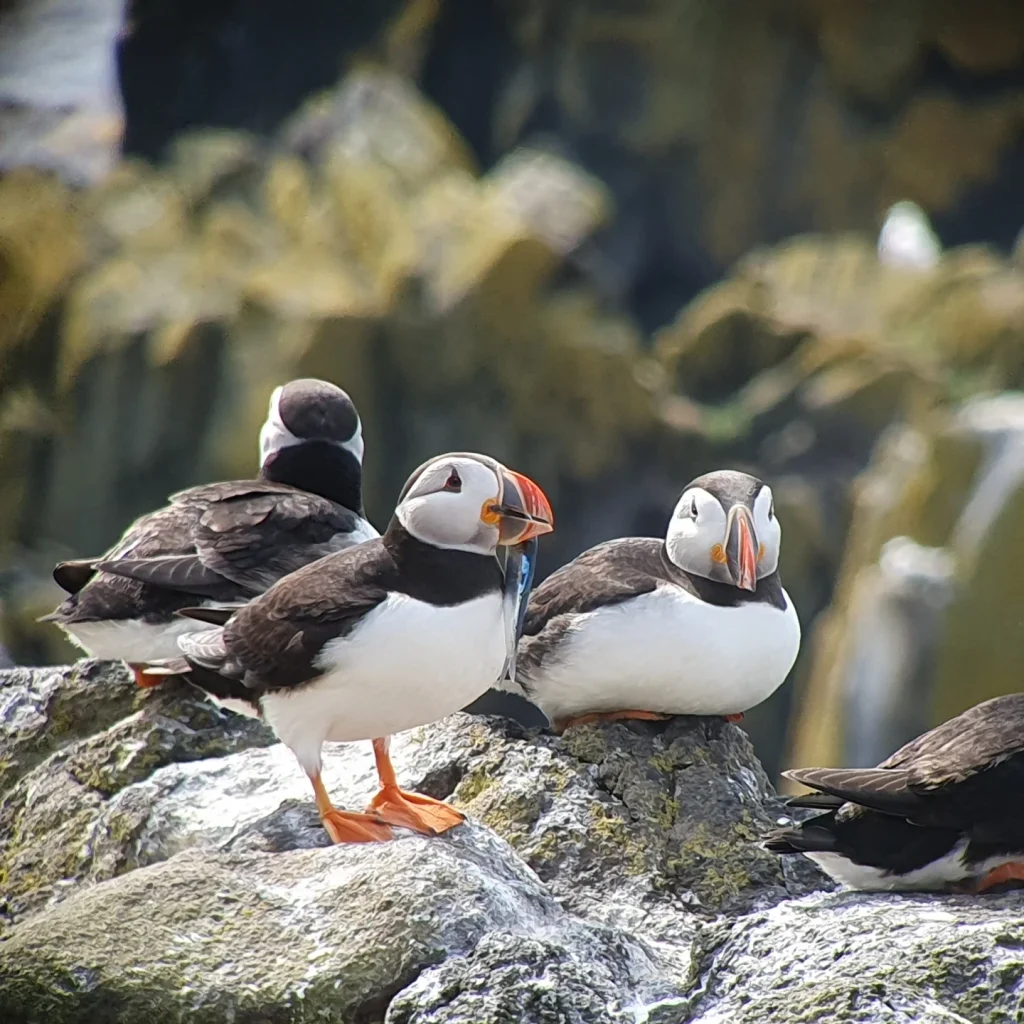
The Isle of May is a rugged gem in the Firth of Forth. You hear the seabirds before the boat even docks. The air carries a sharp scent of salt and seaweed.
This National Nature Reserve hosts over 40,000 puffin pairs. They nest in grassy burrows atop the sheer cliffs. It is a spectacular sight for any wildlife lover.
The trip usually involves a boat ride from Anstruther. You can also find connections via the Scottish Seabird Centre in North Berwick.
🌲 Isle of May
Entry: Boat Fee
National Nature Reserve: A rugged gem in the Firth of Forth hosting over 40,000 puffin pairs and historic ruins.
- Home to one of the UK’s most important puffin colonies
- Features the oldest lighthouse in Scotland
- Site of the historic St Adrian’s Priory ruins
Planning Your Voyage to the Isle
Walking the island reveals a rugged, historic landscape. You will see the ruins of St Adrian’s Priory. The island also features the oldest lighthouse in Scotland.
The atmosphere feels timeless and wild. Respect the birds by staying on the marked paths. Puffins are sensitive to human disturbance near their burrows.
The Isle of May is a National Nature Reserve and is one of the most important puffin colonies in the UK.
David Steel, NatureScot Reserve Manager
Always follow the guidance of the island rangers. They ensure the safety of the breeding colonies. This helps maintain the island as a sustainable travel destination.
Watching a puffin crash-land with a beak full of silver fish is pure Scottish magic.
🏛️ St Adrian’s Priory
Free
Medieval Ruins: The ancient ruins of a religious site located on the Isle of May.
- Located within a National Nature Reserve
- Accessible via walking paths from the landing point
- Evidence of the island’s long historical significance
Puffin Observation and Nesting Behavior
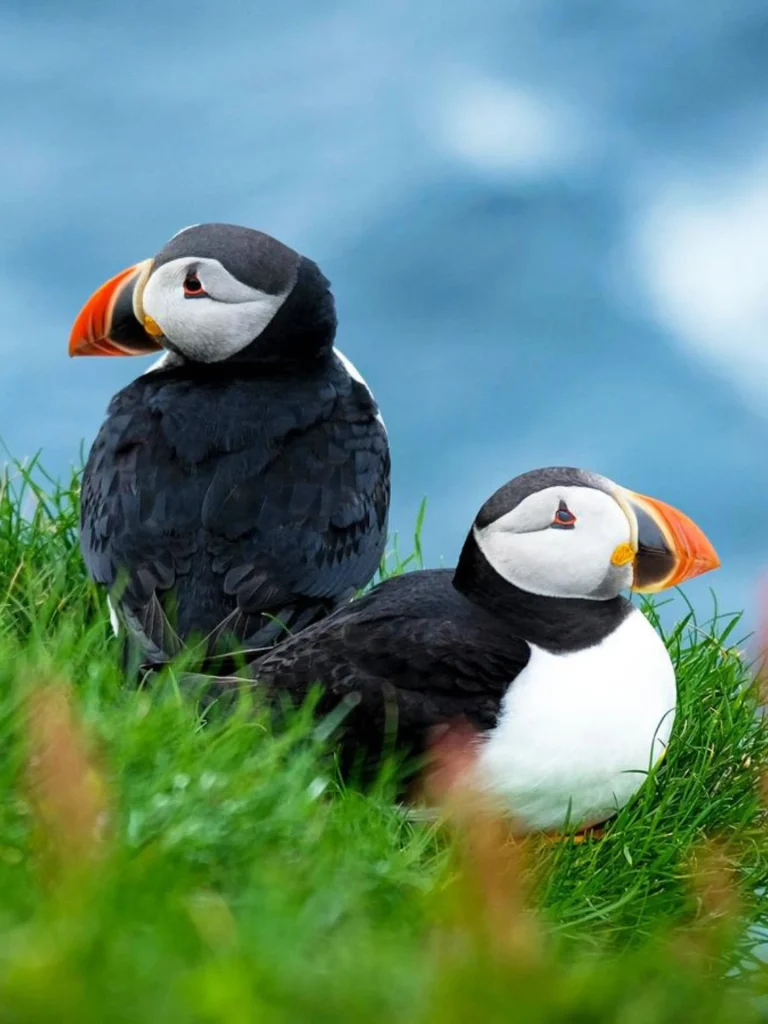
The best time to visit is from late April to July. This is when the burrows are most active. By mid-August, most puffins head back to the open sea.
Adult puffins return with bills full of sand eels. This usually happens throughout June and July. It is the best time for photography and close observation.
To help you plan, here are the essential logistics for visiting this east coast breeding hub:
- Main Departure Point: Anstruther Harbour, Fife.
- Secondary Access: North Berwick via RIB boats.
- Landing Time: Usually 2 to 3 hours on the island.
- Essential Gear: Sturdy walking boots and waterproof clothing.
- Conservation Fee: Often included in your boat ticket price.
If you enjoy coastal scenery, consider exploring hidden coastal beaches near Edinburgh after your trip. The Fife coastline is equally stunning.
The island has no permanent residents except for the wildlife. This makes the experience feel authentic and remote. It is a true escape into the natural world.
Isle of May Trip Essentials
- Plan your visit between late April and July to see the colony of 40,000 puffin pairs during their peak nesting season.
- Depart from Anstruther or North Berwick for a boat trip that includes a two- to three-hour landing on the island.
- Help preserve the National Nature Reserve by staying on marked paths and following ranger guidance near sensitive nesting burrows.
- Beyond wildlife, explore the island’s unique history including the ruins of St Adrian’s Priory and the oldest lighthouse in Scotland.
Lunga: Close-Up Sightings in the Treshnish Isles
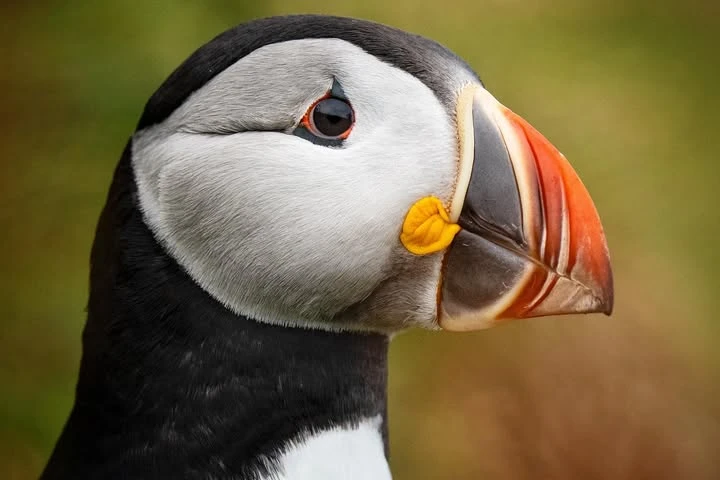
Lunga is the largest island in the Treshnish archipelago. It is often called a puffin paradise. Here, the birds show little fear of humans.
The island is made of ancient volcanic basalt. Its cliffs rise sharply from the Atlantic. The air smells of salt and wildflowers.
The main landing point is a rocky beach. From here, a narrow path leads to the plateau. You will see puffins nesting right beside the trail.
🌲 Lunga
Entry: Boat Fee
Puffin Paradise: The largest island in the Treshnish Isles where puffins show little fear of humans.
- Birds nest right beside the narrow walking trails
- Composed of ancient volcanic basalt cliffs
- Famous for incredibly inquisitive and approachable puffins
Navigating the Treshnish Isles
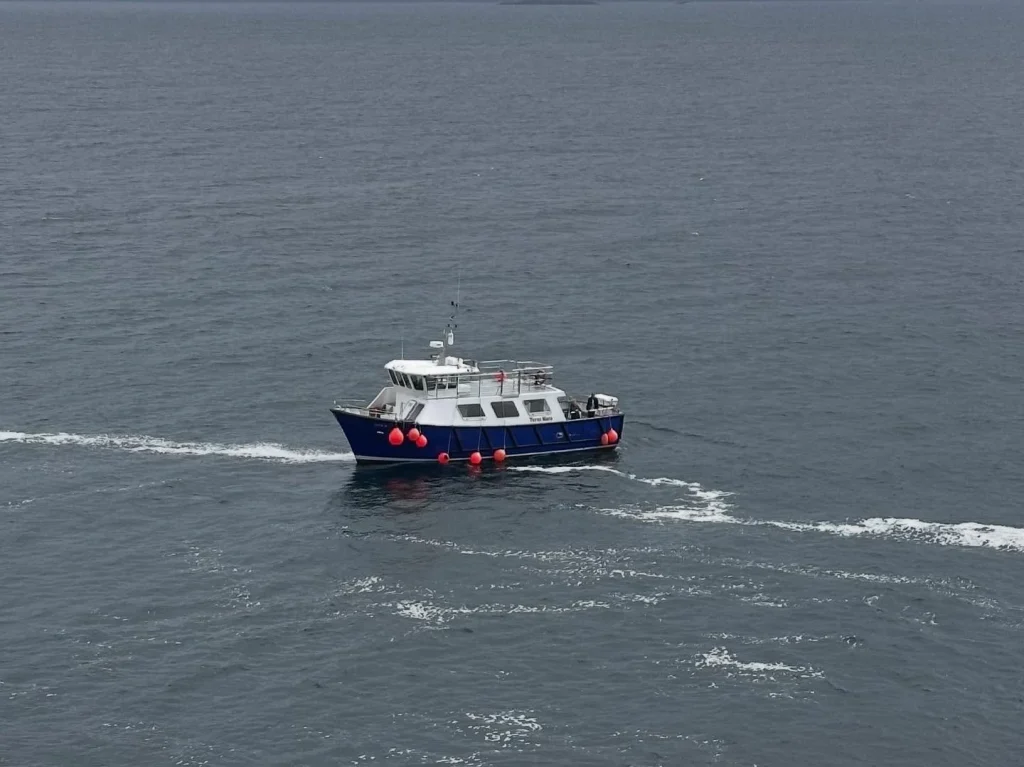
Most trips to Lunga depart from Mull or Iona. Operators like Turus Mara or Staffa Tours run daily. The boat ride takes about one hour.
During the crossing, watch for minke whales. Dolphins also frequent these cold, deep waters. Keep your camera ready for sea eagles.
Use An Interactive Map to plan your route through the Inner Hebrides. This helps you track boat departure points.
Lunga is where the wild meets the welcoming. Sitting among puffins feels like a shared moment of peace.
Peak Season and Logistics
Puffins arrive on Lunga in late April. They stay until early August. The best sightings occur in June and July.
Wear sturdy boots for the uneven terrain. The paths can be slippery after rain. Respect the burrows and never block the puffins’ exits.
| Feature | Location Detail |
|---|---|
| Best Month | June to July |
| Departure Points | Tobermory, Fionnphort, Ulva Ferry |
| Common Wildlife | Puffins, Razorbills, Seals |
| Safety Note | Stay 2 meters from burrows |
Prepare your gear using a Travel Packing List Generator. Hebridean weather changes very quickly.
The puffins on Lunga are incredibly inquisitive and often approach visitors. It is an experience you will never forget.
Staff Writer, Turus Mara
Lunga: Your Guide to the Puffin Paradise
- Plan your visit between June and July for peak puffin sightings and optimal wildlife activity.
- Access the island via daily boat tours from Mull or Iona, offering chances to spot minke whales and dolphins during the hour-long crossing.
- Ensure safety and conservation by wearing sturdy footwear for rocky trails and maintaining a two-meter distance from puffin burrows.
- Be prepared for rapid Hebridean weather shifts by packing waterproof gear and consulting local interactive maps for departure points.
Hermaness: The Wild Cliffs of Unst
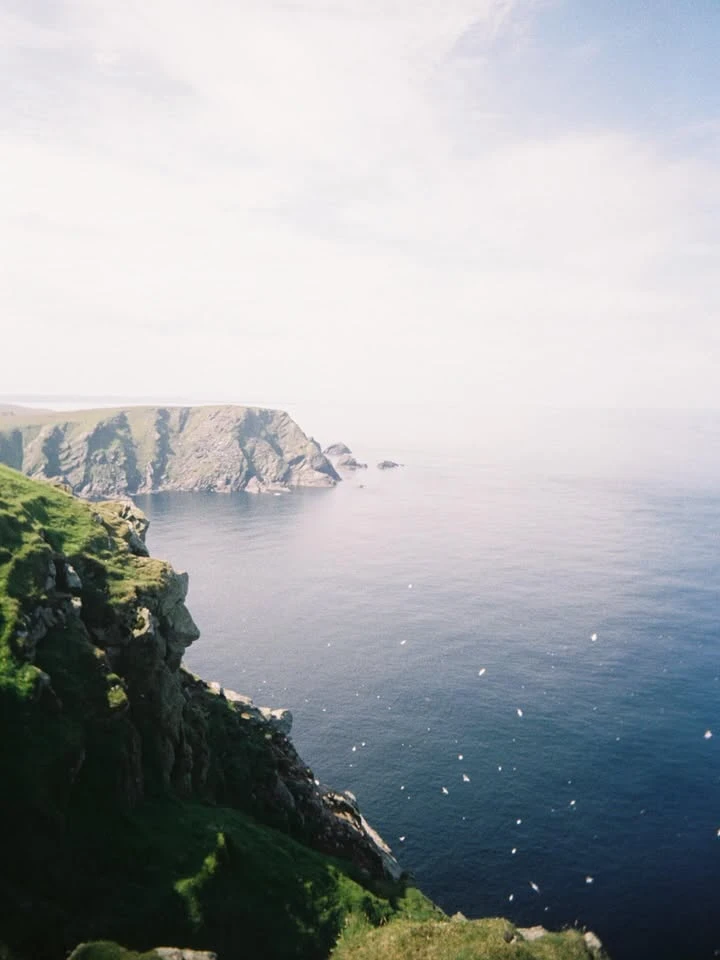
Hermaness National Nature Reserve sits at the northernmost tip of the United Kingdom. It is a place of raw, untamed beauty. The air here carries the scent of wild heather and salt spray.
Massive cliffs drop vertically into the churning Atlantic Ocean. From the heights, you can see the lonely Muckle Flugga lighthouse. It stands as a silent sentinel against the crashing waves.
Standing on the edge of Hermaness feels like witnessing the very end of the world.
🌲 Hermaness National Nature Reserve
Free
Northernmost UK Reserve: A raw, untamed reserve at the northernmost tip of the UK featuring massive bird colonies.
- Views of the lonely Muckle Flugga lighthouse
- Vertical cliffs dropping into the Atlantic Ocean
- Nesting grounds for thousands of puffins and gannets
🗽 Muckle Flugga
View Only
Historic Lighthouse: The UK’s northernmost lighthouse, standing as a silent sentinel on a rocky outcrop.
- Visible from the cliffs of Hermaness
- Marks the northernmost point of the United Kingdom
- Stands against extreme Atlantic weather conditions
Reaching the Northernmost Point
Reaching Unst requires a sense of adventure. You must take two separate ferries from the Shetland Mainland. The journey reveals stunning coastal vistas and quiet, rolling hills.
Start your drive from Lerwick toward the Toft ferry terminal. After crossing to Yell, drive north to reach the Gutcher terminal. A final short crossing brings you to the shores of Unst.
This journey feels like a true off-the-beaten-path expedition. You will leave the crowds behind. Only the sound of the wind remains.
Puffin Nesting Grounds
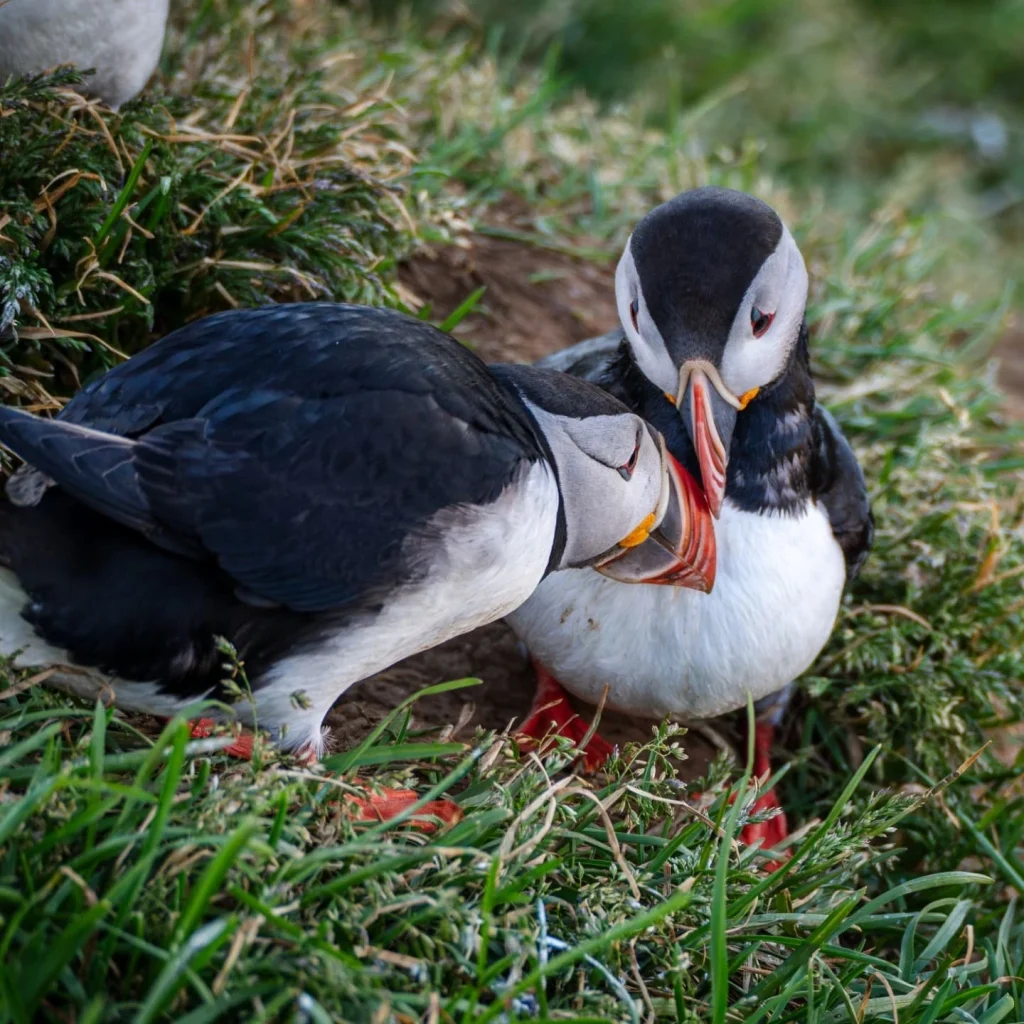
Thousands of puffins arrive at Hermaness in late April. They stay until mid-August to raise their young. These birds burrow into the soft, grassy soil at the cliff edges.
You can watch them fly back from the sea with tiny fish. Their colorful beaks contrast sharply with the grey stone. They often sit just feet away from the main walking paths.
The best viewing hours are during the early morning or evening. During these times, the birds are most active. They spend their days fishing in the rich waters below the cliffs.
Hermaness provides a spectacular setting where puffins are incredibly accessible to visitors who respect their space.
Shetland Tourism Representative, Official Shetland Guide
Wildlife Safety and Trails
A well-maintained boardwalk protects the fragile peat bog. It is essential to stay on this path. This protects the environment and your personal safety on the high cliffs.
You will encounter Great Skuas, known locally as bonxies. These large birds are very protective of their nests. They may dive toward you if you wander off the marked trail.
Checking the weather is vital before you start your hike. Dense fog can roll in quickly from the sea. Always carry waterproof gear and sturdy boots for the moorland terrain.
Planning your visit involves more than just birdwatching. Much like hiking to avoid crowds in other regions, timing is everything. Arrive early to secure parking.
| Travel Segment | Transport Mode | Duration |
|---|---|---|
| Lerwick to Toft | Car / Bus | 45 Minutes |
| Toft to Yell | Ferry | 20 Minutes |
| Yell to Unst | Ferry | 10 Minutes |
| Hike to Cliffs | Walking | 60 Minutes |
The walk to the puffin colonies takes about one hour. It is a steady climb through the moorland. The reward is one of the greatest wildlife spectacles in Europe.
Key Highlights for Your Hermaness Visit
- Accessing the northernmost tip of the UK requires a scenic journey including two separate ferry crossings from the Shetland Mainland.
- The reserve is a premier birdwatching destination, especially between late April and mid-August when thousands of puffins nest along the cliffs.
- Following the designated boardwalk is essential to protect the fragile peat bog ecosystem and ensure personal safety near steep cliff edges.
- The site offers dramatic views of the remote Muckle Flugga lighthouse and the raw power of the Atlantic Ocean.
Staffa: Puffin Burrows on the Basalt Isle
Staffa rises from the Atlantic like a geometric masterpiece. Hexagonal basalt pillars line the cliffs. The air smells of salt and ancient stone.
Waves crash against Fingal’s Cave with a deep, melodic boom. This volcanic island feels otherworldly. It is a sanctuary for both legends and seabirds.
Staffa is where the raw power of the Atlantic meets the gentle charm of Scotland’s puffins.
Fingal’s Cave and the Basalt Columns
The island is a geological marvel. Its unique columns were formed by cooling lava millions of years ago. Walking the stone path to the cave feels like entering a cathedral.
The emerald water inside the cavern glows against the dark rocks. Visitors must navigate a narrow causeway to reach the interior. Always watch your footing on the wet stone.
Encounters on the Grassy Cliffs
The puffins arrive here to breed in late spring. Unlike other colonies, they are famously curious. They often waddle close to visitors who sit quietly on the grass.
Walk to the top of the island to find the puffins. They nest in burrows within the soft, green turf. These birds often land just inches from quiet observers.
Explore more Scottish waterscapes by visiting the Water of Leith Walkway after your island voyage.
Staffa is best known for its basalt columns and Fingal’s Cave, but the puffins are the real stars during the breeding season.
National Trust for Scotland, Official Staffa Guide
Staffa Travel Logistics
Reaching this remote isle requires careful planning. Tours typically leave from the Isle of Mull or Iona. Always check the weather forecast before booking your boat.
- Departure Points: Boats leave from Fionnphort and Iona daily.
- Landing Time: Most tours allow one hour on the island.
- Safety: Wear sturdy boots for the steep, metal staircase.
- Respect: Never touch the birds or block their burrow entrances.
Combine your nature trip with history by visiting the best castles near Edinburgh via public transport.
Staffa: A Guide to the Basalt Isle
- Marvel at the hexagonal basalt columns and the acoustic beauty of Fingal’s Cave, formed by ancient volcanic activity.
- Visit during the late spring breeding season to encounter curious puffins nesting in the island’s grassy burrows.
- Ensure a safe visit by wearing sturdy boots for the steep staircase and wet, narrow causeway leading to the cave.
- Book boat tours from Fionnphort or Iona, keeping in mind that weather conditions heavily influence island landings.
The Final Flight: Your Scottish Puffin Adventure Awaits
Timing is everything when chasing the ‘clowns of the sea.’ From April to August, Scotland’s wild coastlines transform into bustling nurseries of life.
From early billing rituals to the frantic feeding frenzies of July, every moment on these cliffs is a masterclass in nature’s rugged resilience.
Grab your binoculars, respect the burrows, and let the Atlantic wind guide you. The puffins are waiting for their next great seasonal performance.
Puffin Pointers: Your Essential Questions Answered
June and July are peak photography months. You will see puffins returning to their burrows with beaks full of silver sand eels to feed their chicks.
No, puffins spend their winters out on the open Atlantic Ocean. They only return to land in Scotland between April and early August to breed.
Wear sturdy boots and waterproof layers. Scotland’s coastal weather changes fast, and the cliffs are often windy and slippery even during the summer.
Yes, North Berwick is a fantastic base. You can take boat trips to the Isle of May or Bass Rock to see thriving colonies just a short trip from the city.


