
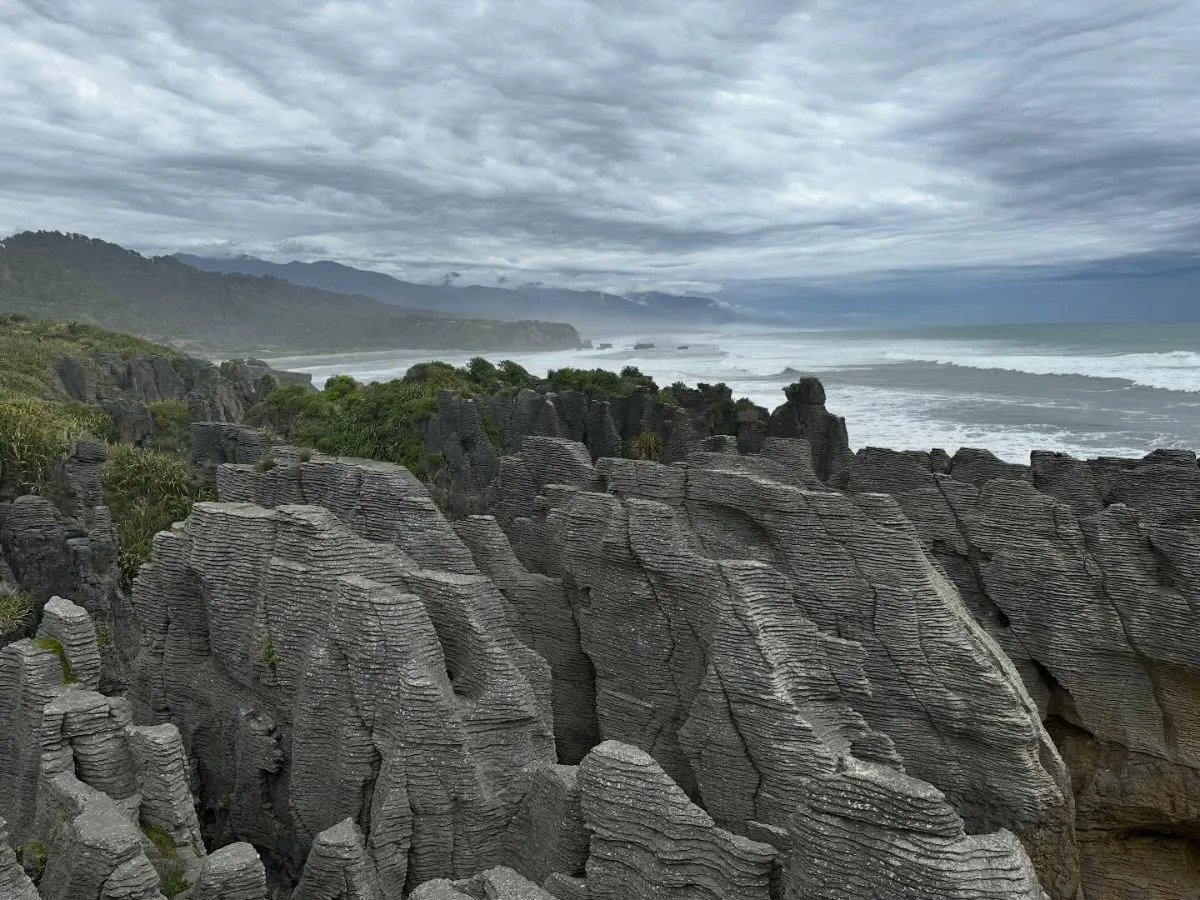
Table of Contents
- Stop 1: Cape Foulwind Seal Colony Walkway for Accessible Coastal Views
- Stop 2: Punakaiki Pancake Rocks and Blowholes Paved Loop
- Stop 3: Hokitika Treetop Walk for Barrier-Free Rainforest Canopies
- Stop 4: West Coast Wildlife Centre and Franz Josef Glacier Valley Access
- Stop 5: Ship Creek Dune and Swamp Boardwalks in Haast
- Embracing the Wild West Coast
- Planning Your West Coast Adventure
Ready to chase the wild heart of New Zealand? The West Coast of the South Island beckons; it is a rugged, untamed paradise often overlooked yet bursting with accessible wonders.
Forget the crowded paths. We are diving into a landscape where ancient rainforests meet crashing Tasman waves and glaciers carve their majestic stories.
This is adventure, unscripted and waiting.
As your seasoned guide, I have scoured every nook for postcard views, whispers of Maori legend, and the unique taste of local flavors.
This immersion invites you to feel the mist, hear the birdsong, and connect with the raw beauty of this land, all while navigating with practical ease.
So pack your bags, fire up your spirit of adventure, and prepare for an unforgettable journey.
This itinerary empowers every traveler to experience the West Coast’s magic, ensuring a seamless, joy-filled exploration.
Let us uncover those secret spots together, creating stories you will be eager to share over a pint.
The Rugged Explorer’s Flash Sheet
- Experience the raw power of the Tasman Sea at Cape Foulwind via a wheelchair-friendly path featuring smooth, compacted gravel and gentle gradients.
- Access the thriving New Zealand Fur Seal colony effortlessly from the Tauranga Bay car park for the shortest, most accessible route to the viewing platforms.
- Immerse your senses in the salty mist and rhythmic roar of crashing waves while observing pups playing in rock pools from sturdy, accessible vantage points.
- Navigate the iconic limestone landscapes of the West Coast with ease, utilizing paved loops designed to provide all travelers with front-row seats to New Zealand’s wild beauty.
Stop 1: Cape Foulwind Seal Colony Walkway for Accessible Coastal Views
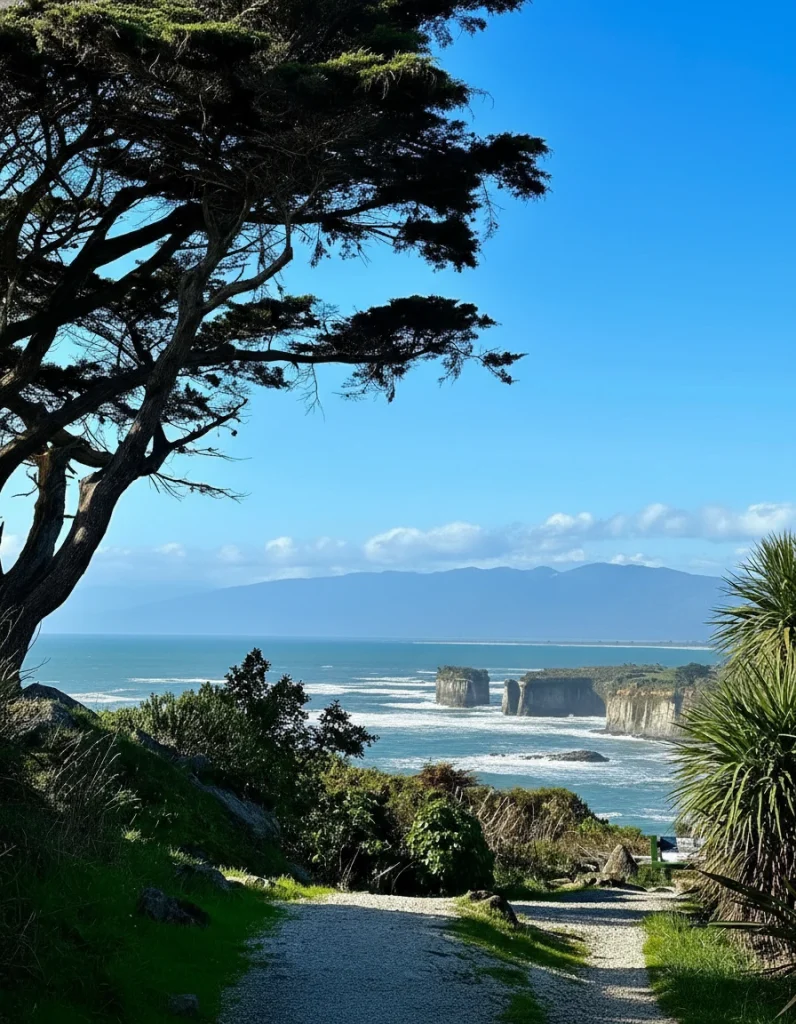
The West Coast greets you with the raw power of the Tasman Sea. Salty mist hangs in the air as waves crash against ancient granite cliffs. This is a land of wild beauty.
Cape Foulwind is the perfect start for your journey. It offers some of the best views of any of the New Zealand places on the South Island.
The West Coast is where the raw power of the ocean meets the rugged spirit of the land.
🌲 Cape Foulwind Seal Colony Walkway
Free
Coastal Wildlife Track: This is an accessible coastal path featuring spectacular views of the Tasman Sea and a thriving New Zealand Fur Seal colony.
- Specifically designed for wheelchair accessibility with smooth, compacted surfaces
- Viewing platform offers clear sightlines of pups playing and adults basking
- Rich historical site named by Captain Cook and sighted by Abel Tasman
15 minutes
Walk from Tauranga Bay to the seal colony platform
The Tauranga Bay end is the best entry point for a shorter, accessible trip.
Navigating the Accessible Path
The walkway to the seal colony is specifically designed for accessibility. The path is wide and consists of smooth, compacted gravel or pavement. It is easy for wheelchair users.
The gradient is mostly flat with only very gentle slopes. This makes it an ideal choice for travelers with limited mobility or those using strollers. The air smells of sweet coastal scrub.
You can reach the viewing platform in about 15 minutes from the Tauranga Bay car park. The sound of crashing waves provides a constant, rhythmic soundtrack to your stroll.
The walk from Tauranga Bay to the seal colony is suitable for wheelchairs and strollers. It offers spectacular views of the coastline and the seal colony below.
Official Guide, Department of Conservation (DOC) New Zealand
Observing the Fur Seal Colony
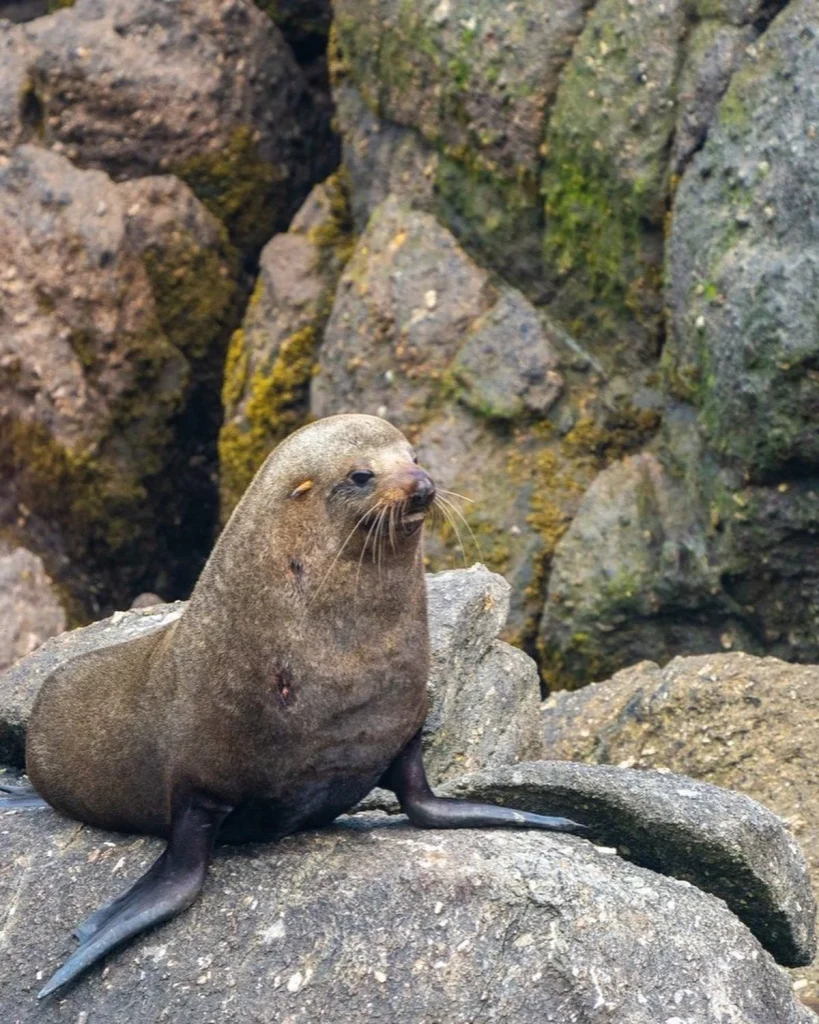
Once you reach the wooden viewing platform, look down at the rocky shoreline. You will see a thriving colony of New Zealand Fur Seals. They are fascinating to watch.
Pups often play in the rock pools while the adults bask in the sun. The platform is sturdy and offers clear sightlines for everyone. Bring binoculars for a closer look.
The site has significant history too. Dutch explorer Abel Tasman first sighted this area. Later, Captain Cook named it Cape Foulwind due to the difficult weather he faced.
| Feature | Details | Accessibility |
|---|---|---|
| Path Surface | Compacted Gravel / Paved | ✅ Excellent |
| Gradient | Mostly Flat | ✅ Easy |
| Viewing Area | Wooden Platform | ✅ Wheelchair Friendly |
| Parking | Tauranga Bay Side | ✅ Designated Spots |
Parking is available at both ends of the track. However, the Tauranga Bay end is much closer to the seal colony. This is the best entry point for a shorter, accessible trip.
Always stay on the designated paths to protect the fragile coastal environment. Respecting the local wildlife ensures this hidden gem remains beautiful for future visitors.
Cape Foulwind Accessibility Highlights
- The walkway is specifically designed for accessibility, featuring a wide, smooth path suitable for wheelchairs and strollers.
- Visitors can reach the viewing platform in a short 15-minute walk from the Tauranga Bay car park over mostly flat terrain.
- The sturdy viewing platform offers clear sightlines to observe New Zealand Fur Seals and their pups playing in the rock pools below.
- It is recommended to bring binoculars to fully appreciate the wildlife and the rugged coastal beauty of the Tasman Sea.
Stop 2: Punakaiki Pancake Rocks and Blowholes Paved Loop
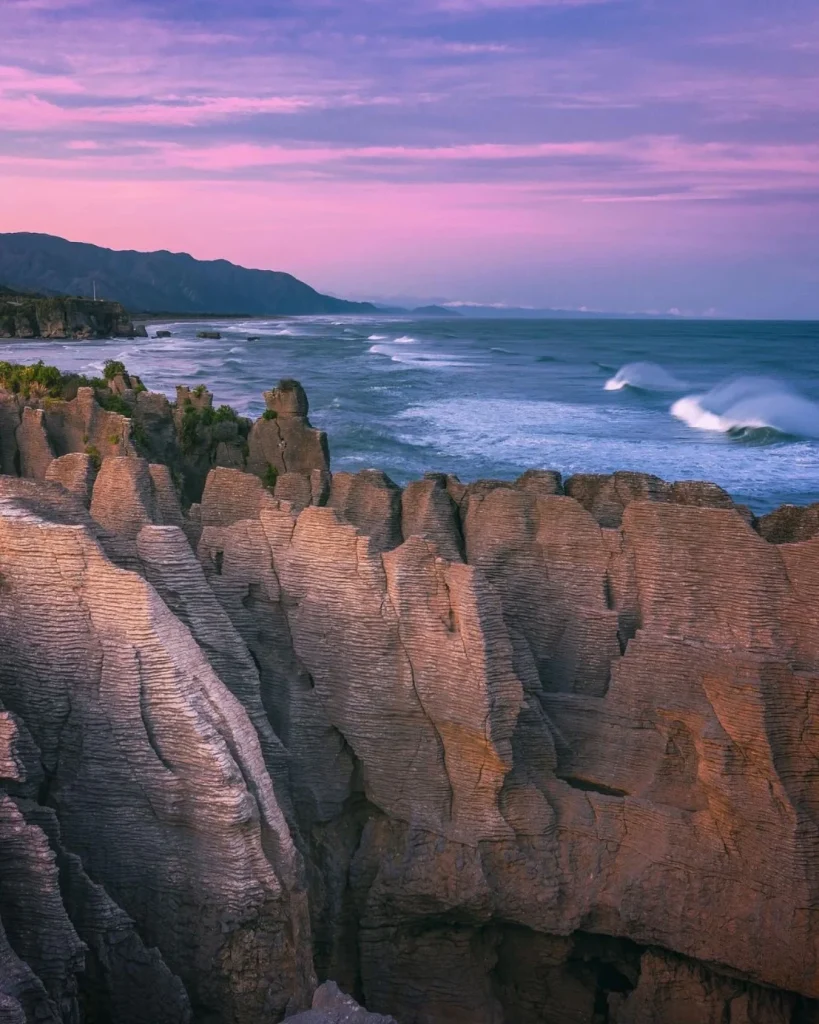
The limestone stacks at Punakaiki look like giant, petrified pancakes. They rise starkly against the wild, turquoise Tasman Sea.
The air smells of salt and damp earth. You can hear the heavy roar of the ocean crashing into deep, cavernous holes.
The mist from the blowholes is refreshing on a warm day. It is a sensory experience that defines the rugged West Coast.
This site is a key feature on many New Zealand travel lists due to its unique beauty.
The main loop is a well-maintained, paved track. It offers smooth surfaces for wheelchairs and strollers alike.
Expect some gentle gradients throughout the 20-minute walk. Most travelers find the path manageable and easy to navigate.
Always stay on the designated paths to protect the fragile flora. Local laws strictly prohibit climbing on the rock formations.
| Feature | Detail |
|---|---|
| Route Length | 1.1 km Loop |
| Average Time | 20 to 45 minutes |
| Admission | Free of Charge |
| Path Type | Fully Paved |
🌲 Punakaiki Pancake Rocks and Blowholes
Free
Geological Landmark: These are unique limestone formations that resemble stacked pancakes, featuring dramatic ocean-powered blowholes.
- 1.1 km fully paved loop track suitable for wheelchairs and strollers
- Powerful blowholes that create salt water geysers at high tide
- Dramatic limestone stacks set against the turquoise Tasman Sea
20 to 45 minutes
Explore the Pancake Rocks and Blowholes loop
Visit during high tide for the best blowhole performance.
The Blowhole Spectacle
The blowholes are the star of the show. When the tide is right, water surges through vertical vents in the rock.
This creates massive geysers of salt water. The sound is like a cannon blast echoing across the limestone cliffs.
The blowholes are at their best around high tide when the sea swell is from the west-southwest.
NZ Department of Conservation, Official Visitor Guide
Visiting at high tide ensures you see the most action. Check local tide charts before you arrive to time your visit perfectly.
Stand where the earth meets the ocean and feel the raw power of the Punakaiki blowholes.
Navigating the Accessible Path
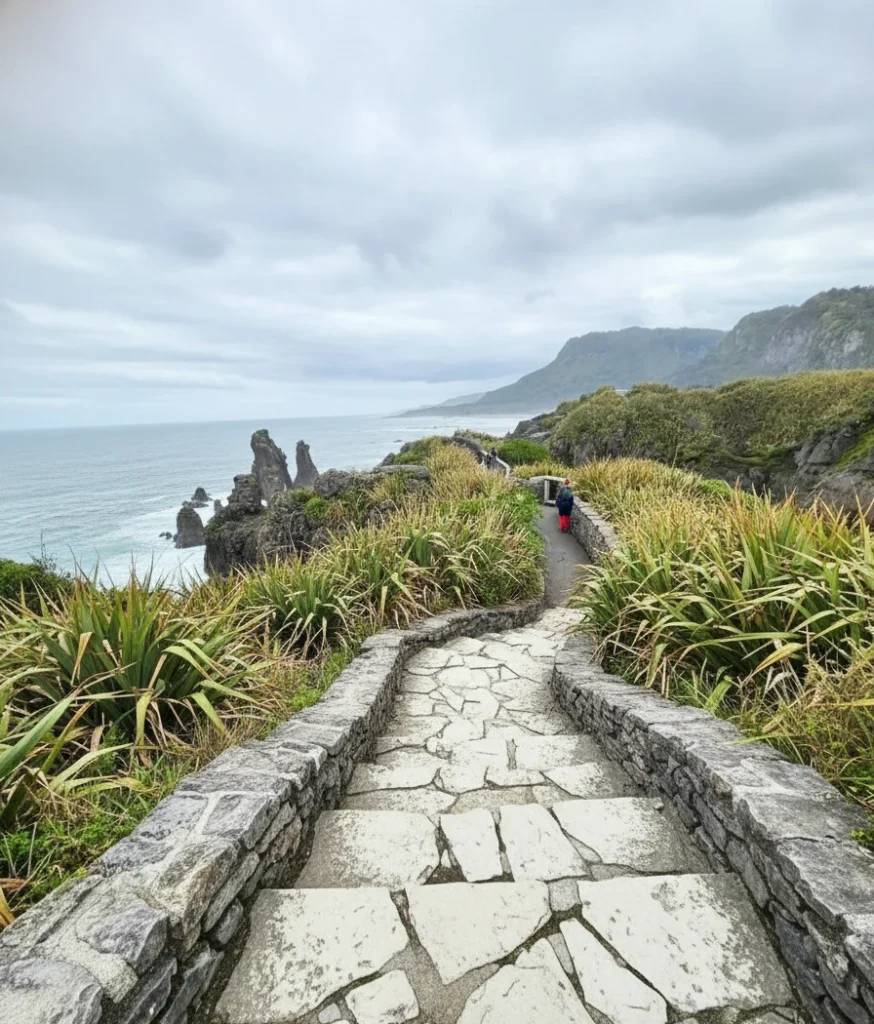
The Department of Conservation has done excellent work here. The path is wide enough for two-way traffic in most spots.
Benches are placed at frequent intervals. This allows for rest stops while you soak in the views of the coastline.
The entrance is located right across from the local cafe. You can grab a flat white before starting your short journey.
There are accessible toilets located at the main car park. This makes it a very practical stop for all travelers.
Remember that the West Coast is known for its rain. Bring a light waterproof jacket to stay dry during the walk.
Punakaiki Pancake Rocks Essentials
- Visit during high tide with a west-southwest swell to witness the most dramatic blowhole activity.
- The 1.1 km loop is fully paved and accessible for both wheelchairs and strollers.
- Entry is free of charge, but climbing on the rock formations is strictly prohibited to protect the environment.
- Allow 20 to 45 minutes to complete the walk and fully experience the unique limestone geology.
Stop 3: Hokitika Treetop Walk for Barrier-Free Rainforest Canopies
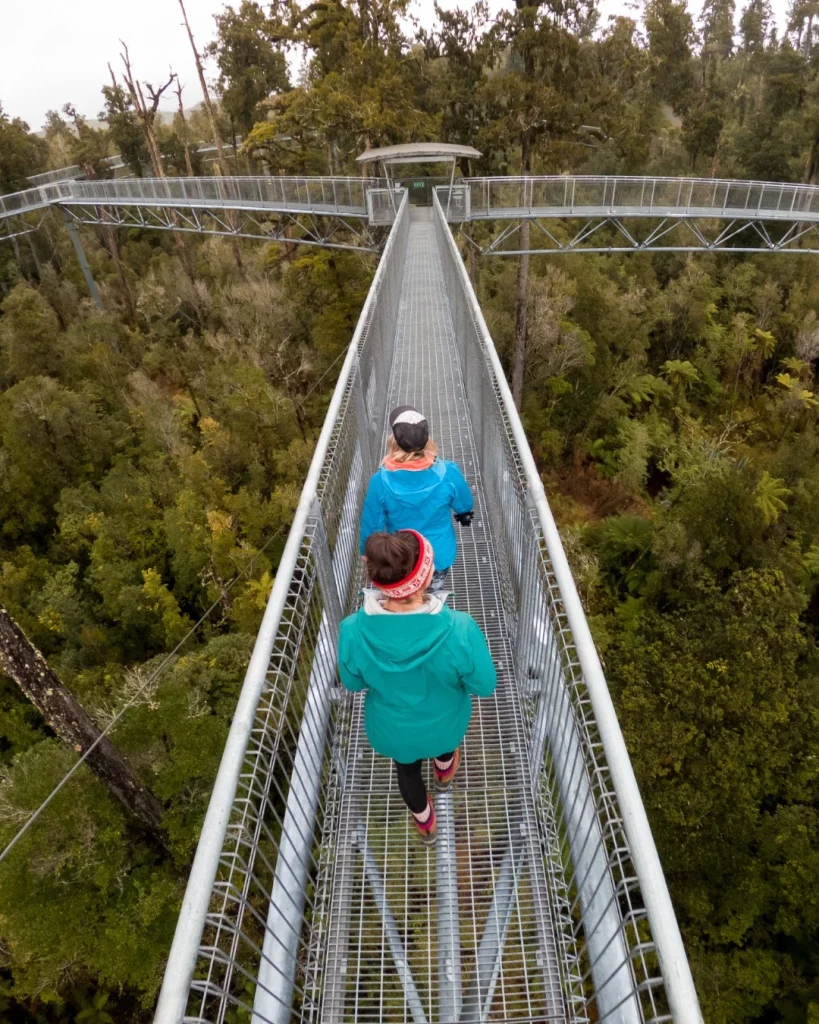
Gliding through the canopy of ancient Rimu trees offers a fresh view. The Hokitika Treetop Walkway is a marvel of engineering.
This 450-meter-long steel platform sits 20 meters above the forest floor. The scent of damp earth and moss rises from the ferns below.
Experience the majestic West Coast rainforest from the treetops with ease and comfort.
🧗 Hokitika Treetop Walk
Entry: ~$38 NZD
Rainforest Canopy Walk: This is a high-altitude rainforest experience on a 450-meter-long steel platform suspended 20 meters above the ground.
- Completely level and wide barrier-free surface for effortless mobility
- Stunning views of the West Coast rainforest and Southern Alps
- Located just 15 minutes south of Hokitika with on-site accessible facilities
9:00 AM – 5:00 PM
Traverse the rainforest canopy via the steel walkway
The main walk is barrier-free, though the optional tower has stairs.
Navigating the Canopy with Accessibility in Mind
The entire walkway is level and wide. It allows for effortless movement for wheelchair users. There are no steps here.
While the Hokitika Tower has stairs, the main walk remains barrier-free. You still get incredible views of the Southern Alps.
The West Coast Treetop Walk is suitable for all ages and is wheelchair and pram accessible, offering a level surface throughout.
Official Guide, West Coast Treetop Walk & Cafe
Practical Logistics for Your Visit
The site is located 15 minutes south of Hokitika. Accessible parking spaces are located right next to the visitor center entrance.
Entry fees are approximately $38 NZD for adults. If you are heading south to explore Queenstown, New Zealand, this is a perfect stop.
- Hours: Open daily from 9:00 AM to 5:00 PM.
- Facilities: Accessible toilets and a cafe are available on-site.
- Safety: Stay on the walkway and follow local signage to protect the delicate ecosystem.
To help manage your costs, use a Travel Budget Planner before you arrive. It ensures your trip stays stress-free and organized.
Mastering the Rainforest Canopy: Hokitika Treetop Walk
- Navigate a 450-meter-long steel platform elevated 20 meters above the forest floor, designed to be completely level and step-free for wheelchair users.
- Take in stunning panoramic views of the Southern Alps and ancient Rimu trees from the main walkway, which remains barrier-free throughout.
- Benefit from convenient amenities including accessible parking near the visitor center, on-site accessible toilets, and a cafe for post-walk refreshments.
- Plan for a 15-minute drive south of Hokitika with adult entry fees approximately $38 NZD and daily operating hours from 9:00 AM to 5:00 PM.
Stop 4: West Coast Wildlife Centre and Franz Josef Glacier Valley Access
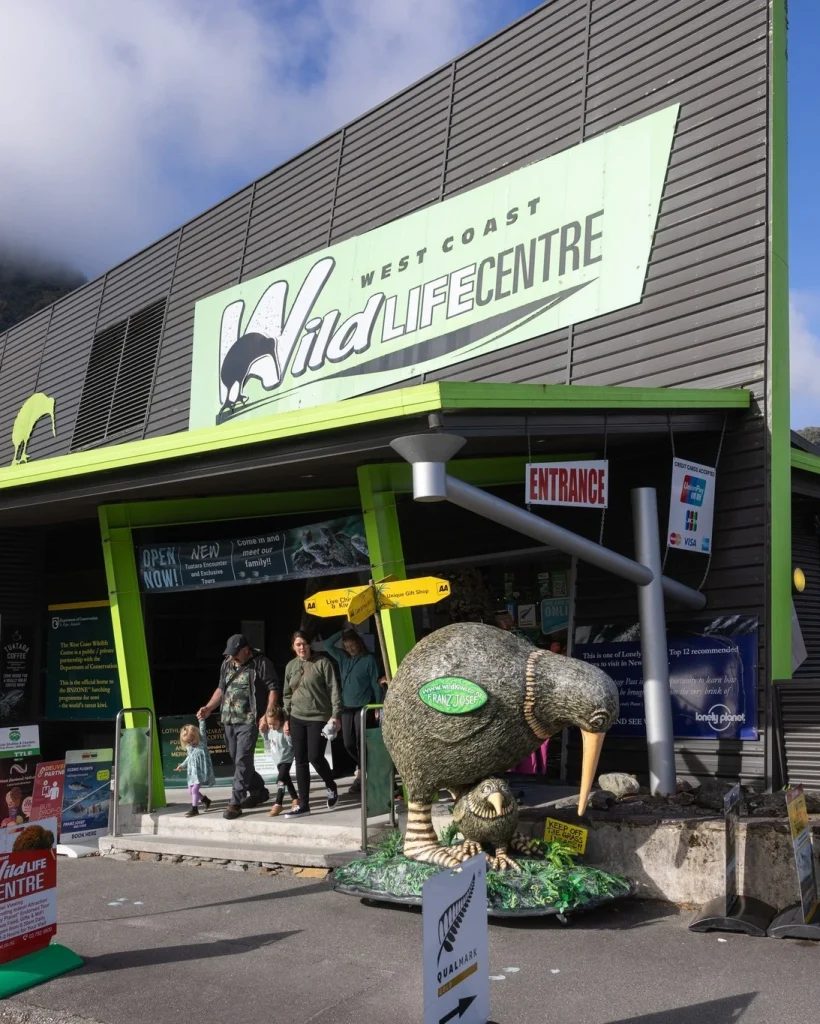
The West Coast Wildlife Centre sits in the heart of Franz Josef. This indoor facility is fully accessible. It offers a smooth surface for wheelchair users and strollers.
Inside, you encounter the rare Rowi kiwi. The lighting is dim to mimic their natural habitat. You can hear their distinct calls echoing through the quiet halls.
The West Coast Wildlife Centre is an all-weather attraction. It is the leading kiwi conservation facility in the South Island.
Official Representative, West Coast Wildlife Centre
Expect to spend about an hour here. Tickets cost approximately $40 NZD. The scent of damp moss and fresh rain follows you from the entrance to the displays.
Witnessing the rare Rowi kiwi is a sensory journey into the wild heart of New Zealand.
✨ West Coast Wildlife Centre
Entry: ~$40 NZD
Kiwi Conservation Centre: This is the leading kiwi conservation facility in the South Island, located in the heart of Franz Josef.
- Fully accessible indoor all-weather facility for all mobility levels
- Home to the rare Rowi kiwi in a specialized nocturnal habitat
- Educational experience focused on South Island wildlife conservation
1 hour
View the rare Rowi kiwi and learn about local conservation
Indoor facility perfect for wet weather days.
Navigating the Franz Josef Glacier Valley
The glacier valley is a short drive from the village. The car park features dedicated accessible spaces. You will feel the cool air rolling off the ancient ice.
Similar to the toddler-friendly tracks in Banff, these paths are wide. The Sentinel Rock path is the best option for limited mobility.
It offers a steady climb on a well-formed track. The view reveals the scale of the valley. You can see the grey glacial silt and rushing Waiho River below.
Accessibility and Safety Essentials
Safety is vital in this alpine environment. Glacial rivers are unpredictable. Always remain on the marked paths. Respect the local Māori heritage of the land.
Many travelers continue their journey toward Queenstown after this stop. Plan for changing mountain weather.
- Wildlife Centre: Fully wheelchair accessible with ramps.
- Glacier Valley: Paved and hard-packed gravel sections.
- Facilities: Accessible toilets located at the car park.
- Attire: Wear waterproof layers for the misty climate.
- Parking: Level ground with easy vehicle access.
The valley walk takes about 20 minutes to reach the first lookout. The sound of waterfalls creates a peaceful atmosphere. It is a must-see for every explorer.
Essential Guide to Franz Josef Wildlife and Valley Trails
- Experience the rare Rowi kiwi at the West Coast Wildlife Centre, a fully indoor and wheelchair-accessible conservation facility.
- Explore the Franz Josef Glacier Valley via the Sentinel Rock path, featuring wide, well-formed tracks suitable for strollers and limited mobility.
- Prepare for the alpine environment with waterproof layers and prioritize safety by staying on marked paths near unpredictable glacial rivers.
- Utilize convenient amenities including dedicated accessible parking and restrooms located at the glacier valley car park.
Stop 5: Ship Creek Dune and Swamp Boardwalks in Haast
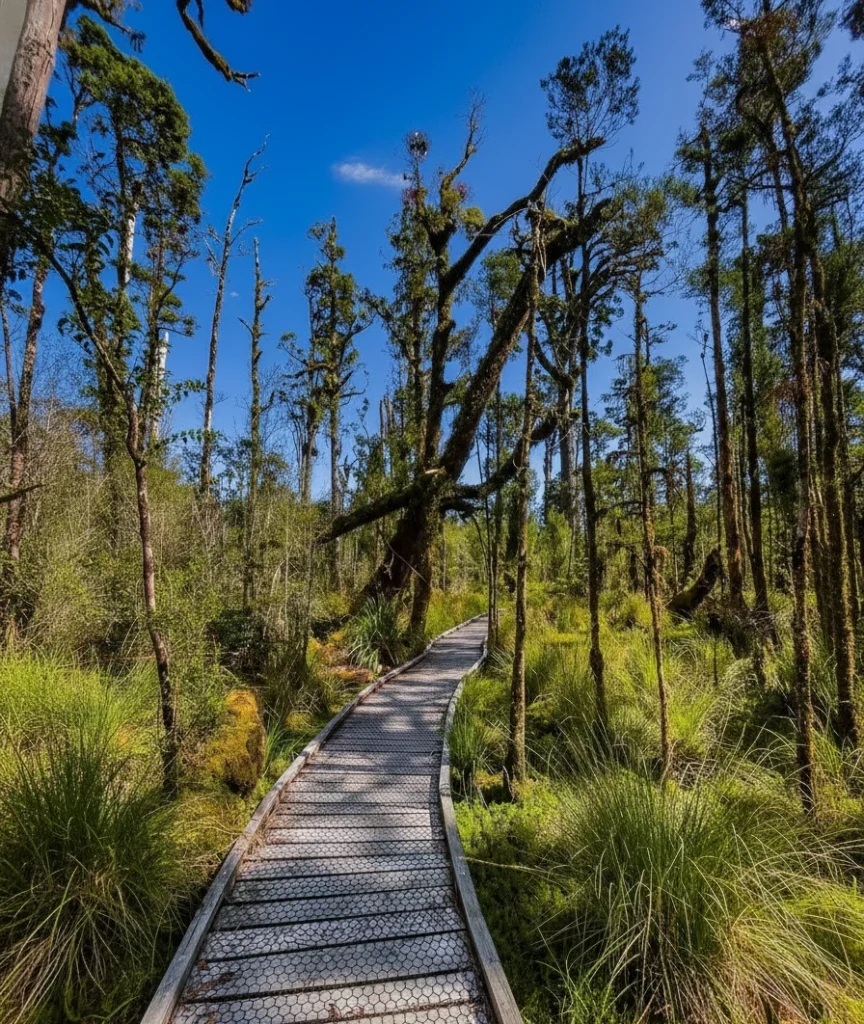
The air at Ship Creek carries a heavy scent of salt spray and damp earth. This wild coastal site near Haast is a masterpiece of natural design.
It offers two distinct experiences. Both are fully accessible. The smooth boardwalks make it easy for everyone to enjoy the scenery.
The landscape transitions from dense, primeval forest to rugged coastline. It is a rare spot where you can see the forest meet the sea.
Ship Creek is where the ancient forest meets the wild Tasman Sea, offering a sensory journey through time.
Exploring the Kahikatea Swamp Forest
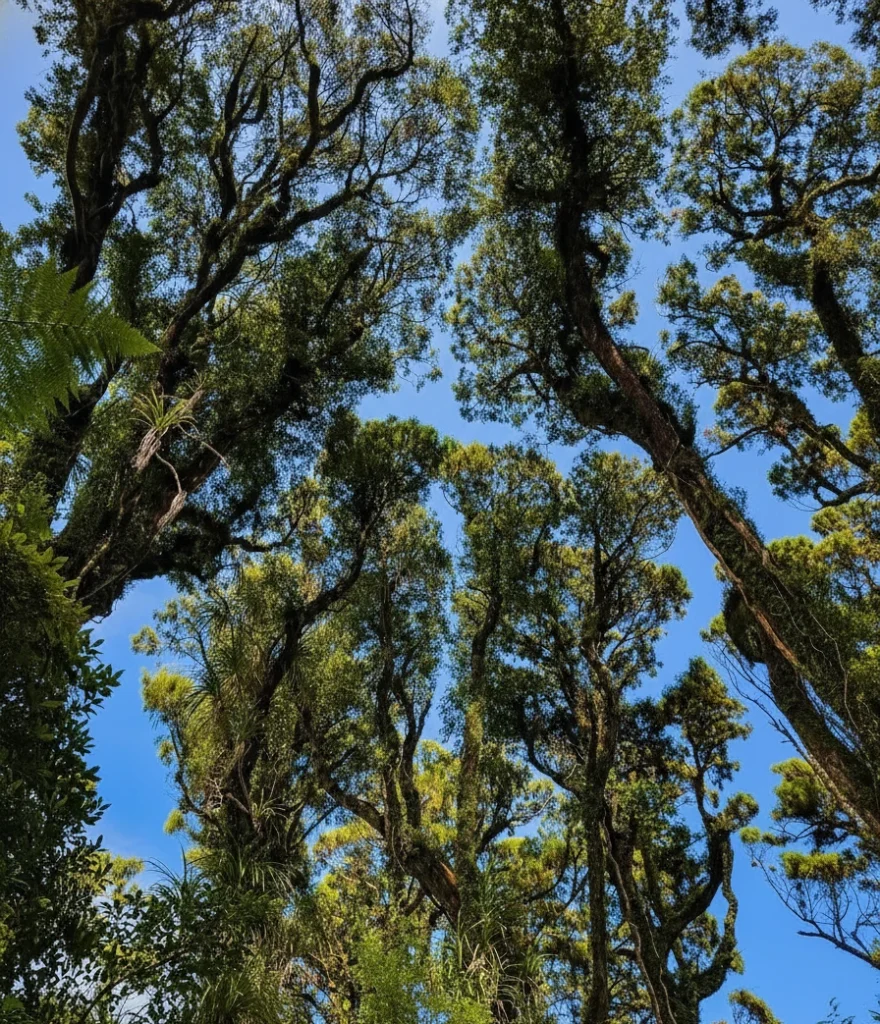
The Kahikatea Swamp Forest Walk is a gentle loop. It takes you into a world that feels millions of years old.
Towering Kahikatea trees, New Zealand’s tallest native species, dominate the canopy. Their roots sit in dark, tannin-stained water.
The water looks like dark tea. It reflects the vibrant green ferns and mosses perfectly. The boardwalk remains level and wide throughout.
Listen for the chatter of fantails. These small birds often follow visitors. They dart through the humid air catching insects.
Before heading out, check your gear. Using a Travel Packing List Generator ensures you have insect repellent for the local sandflies.
The Ship Creek area provides a great example of the swamp forest that once covered much of the West Coast.
Tourism Team, West Coast New Zealand
The Dune Lake and Coastal Views
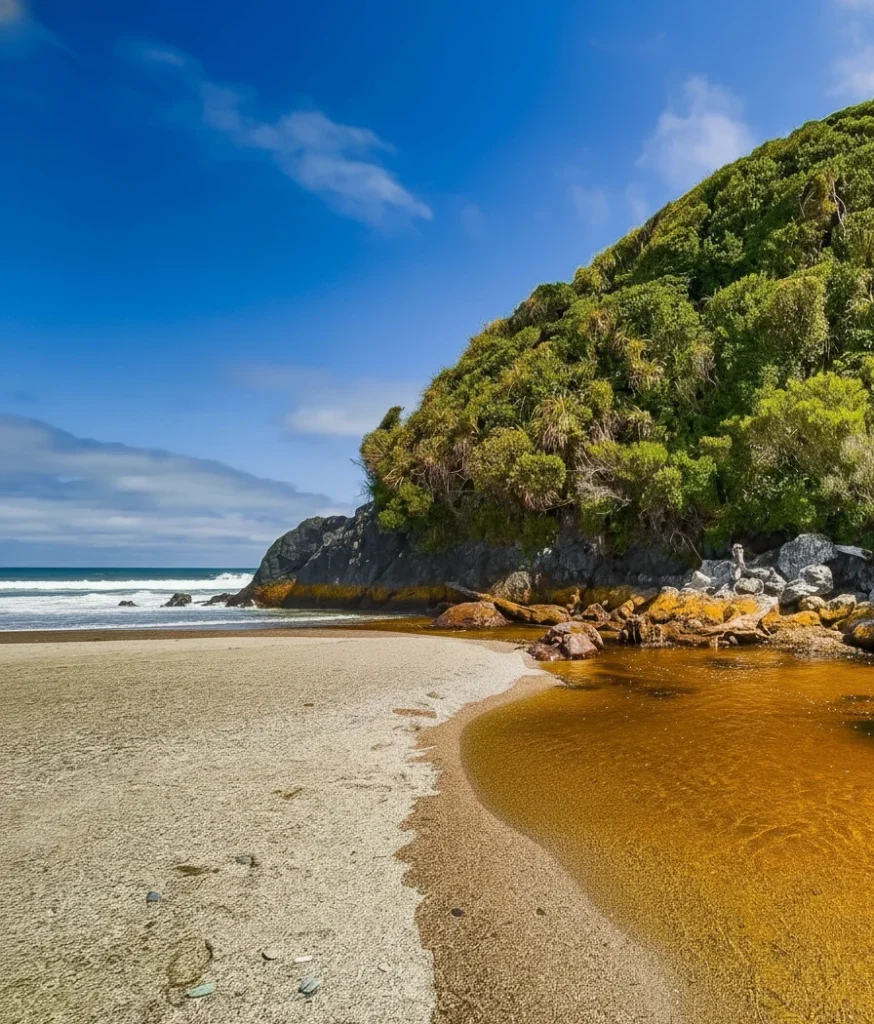
The Dune Lake Walk provides a different perspective. It leads you toward the crashing waves of the Tasman Sea.
The path winds through coastal shrubland. You will see wind-sculpted trees leaning away from the ocean. The shapes are haunting and beautiful.
Keep a close watch on the surf. Rare Hector’s dolphins often play in the waves near the shore. Their small, rounded fins are easy to spot.
The boardwalk includes a viewing platform. It offers a stunning vista of the coastline. The vastness of the ocean here is truly humbling.
For more inspiration on capturing these moments, explore 10 Aesthetic Travel Ideas to Spark Family Adventure for your next trip.
Practical Information for Visitors
Planning your visit to Ship Creek is straightforward. It is a popular rest stop along State Highway 6.
- Opening Hours: Accessible 24 hours daily.
- Cost: Free entry for all visitors.
- Accessibility: Level boardwalks and designated parking spaces.
- Safety: Stay on the paths to protect fragile dunes and swamp life.
- Facilities: Public toilets are available in the main car park.
The weather can change rapidly. Always carry a waterproof jacket. The wind from the Tasman Sea can be quite chilly even in summer.
Respect the local environment. Do not feed the wildlife or leave any litter behind. Help keep this hidden gem pristine for future travelers.
Ship Creek Boardwalk Highlights
- Experience two distinct and fully accessible trails: the Kahikatea Swamp Forest Walk and the Dune Lake Walk.
- Walk among New Zealand’s tallest native trees in a primeval swamp forest where dark, tannin-stained waters mirror the lush canopy.
- Observe unique coastal wildlife such as local fantails in the woods and rare Hector’s dolphins playing in the Tasman Sea surf.
- Be prepared for the elements by bringing insect repellent to ward off local sandflies and wearing sturdy shoes for the wind-sculpted terrain.
Embracing the Wild West Coast
The West Coast is a symphony of salt, stone, and spirit. It offers a raw connection to nature that stays with you long after the journey ends.
From the playful seals at Cape Foulwind to the rhythmic thunder of Punakaiki, accessibility never compromises the wonder of this rugged landscape.
This itinerary proves that New Zealand’s wild edge is within reach for everyone. Pack your sense of adventure and let the Tasman Sea lead the way.
Planning Your West Coast Adventure
It can be damp. Ensure your equipment is weather-resistant. Many paths are paved, but rain gear for you and your chair is essential for comfort.
Yes, both Cape Foulwind and Punakaiki have accessible facilities. Most Department of Conservation sites on this route provide well-maintained options.
Seals are present year-round. However, visiting between November and February offers the best chance to see active pups playing in the rock pools.
No, a standard rental or van is fine. The main highway is paved and well-maintained, providing easy access to all the highlights mentioned.


